

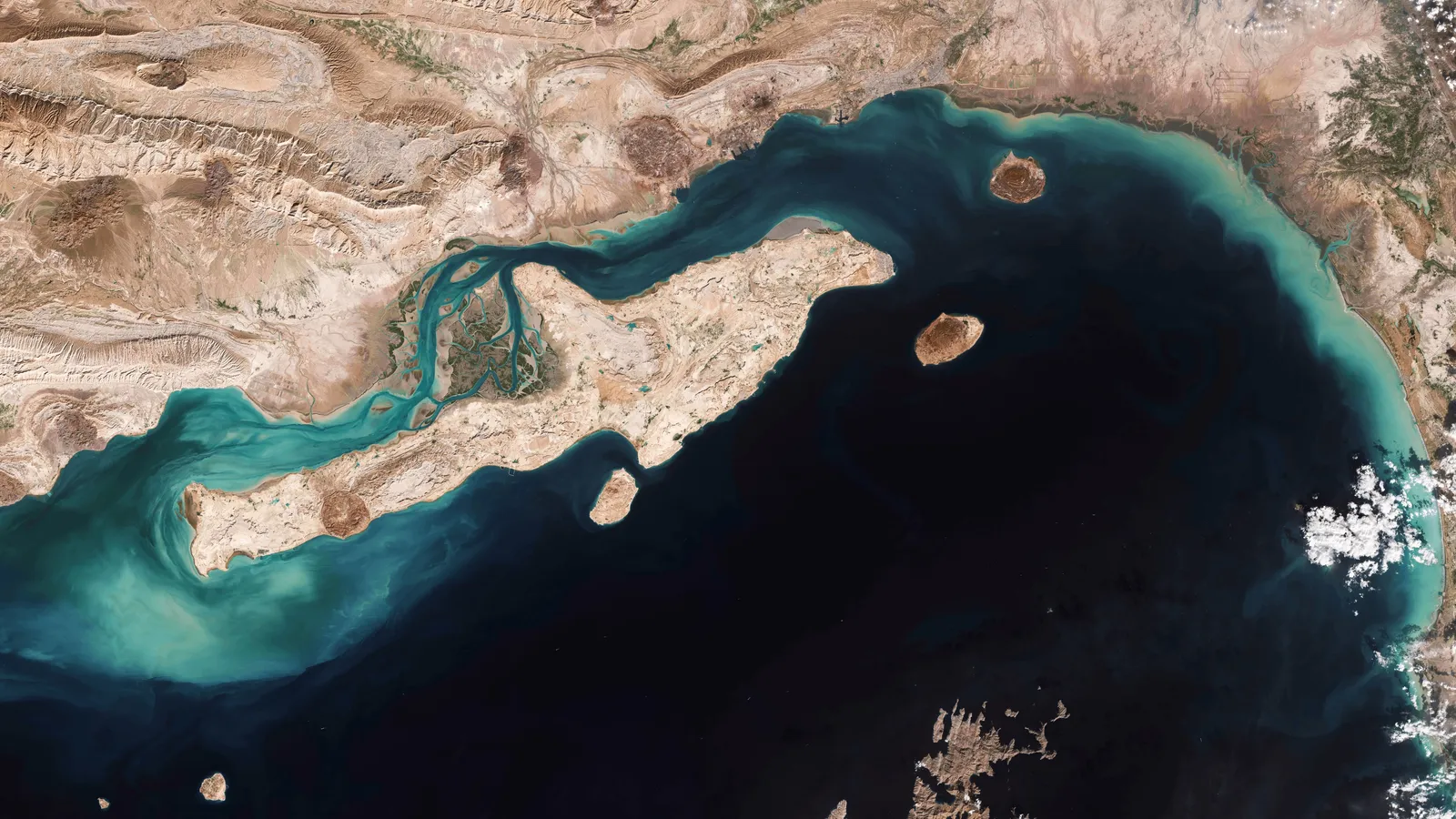
President Donald Trump has said the United States does not need a deal with Iran, a change of tone from recent weeks, while Iran’s Revolutionary Guards say they struck at a US radar in Bahrain. Both developments came on Thursday and Friday, in the ninth month of a war that Pakistan has tried to help end.
What Trump said
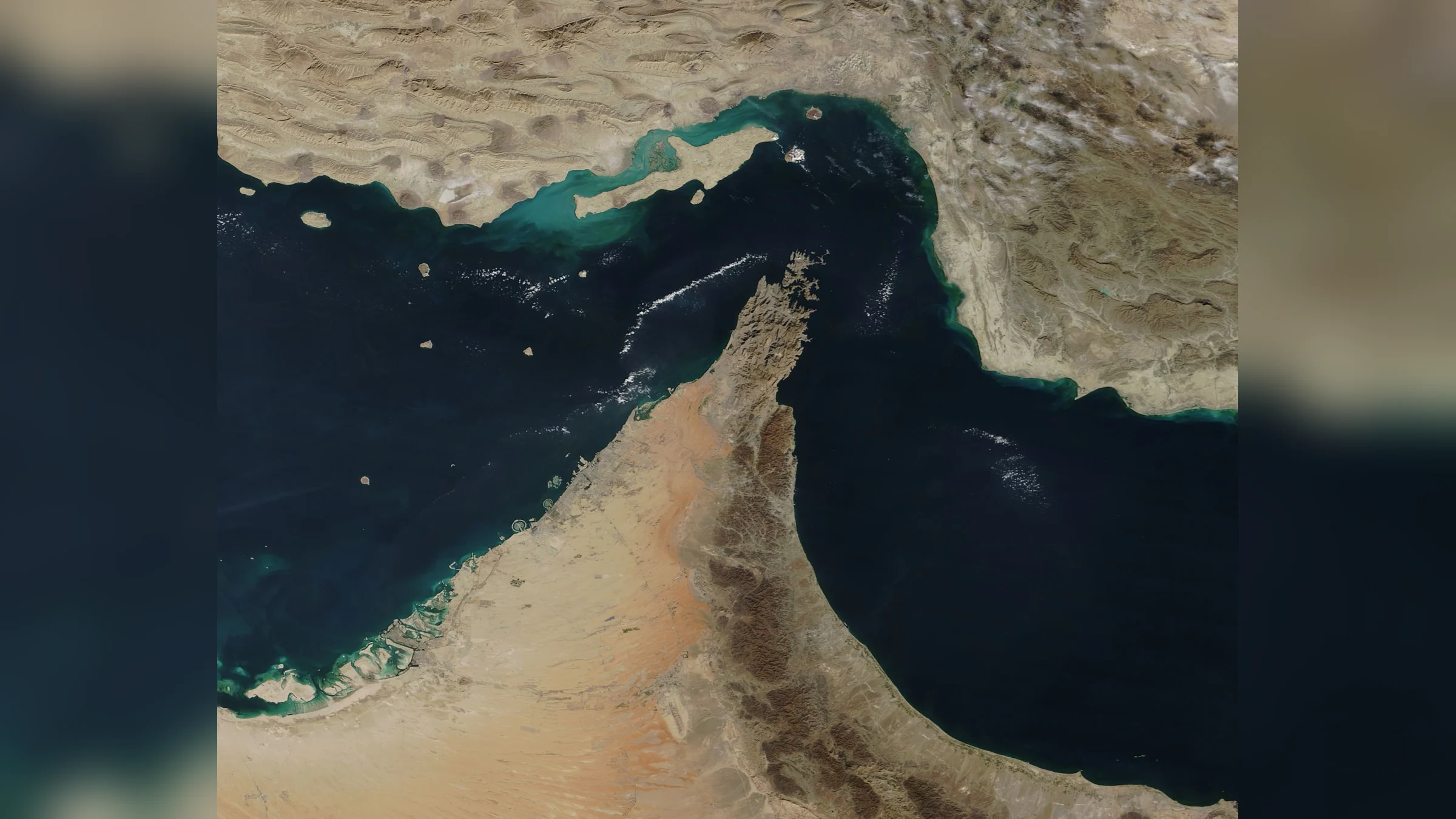
“We don’t need a deal with Iran,” Mr Trump wrote, adding that the US has Iran’s money, “hundreds of billions of dollars”, and “their Strait”, meaning the Strait of Hormuz. The figure is his own claim, and he did not explain it.
He told Vice President JD Vance to spend his time on what he called fraud in Democrat-run cities and states, not on ending the war, Dawn reported. A day earlier the Wall Street Journal had reported that Mr Vance was weighing a meeting in person with a senior Iranian security official. Mr Vance had also blamed the expensive war for the Republicans’ heavy losses in last week’s midterms.
In an interview with the broadcaster Stephen A Smith, quoted by Al Jazeera, Mr Trump said Saudi Arabia, Qatar and other Gulf states had asked him to hold back from new large-scale strikes on Iran. He claimed he could end the war at once, but was keeping up economic and military pressure because regional allies wanted that.
The Guards’ claim
On Friday Iran’s Revolutionary Guards said they had targeted a US early-warning radar in Bahrain. Reuters, citing Iranian state media, described it as the first claimed attack on US forces in a Gulf state since early September. The Guards presented it as a reply to an air strike on a phone mast in Sirik county, in Iran’s Hormozgan province. We could not find a US confirmation or a description of damage in the reports available, so the claim should be treated as unverified.
The Guards’ statement arrives during what Reuters called a fragile lull. Turkish President Recep Tayyip Erdogan met Iranian President Masoud Pezeshkian on the edges of a UN climate conference in Antalya and said talks should restart “without further delay”.
How the war reached this point
| Date | Event (as summarised by Dawn) |
|---|---|
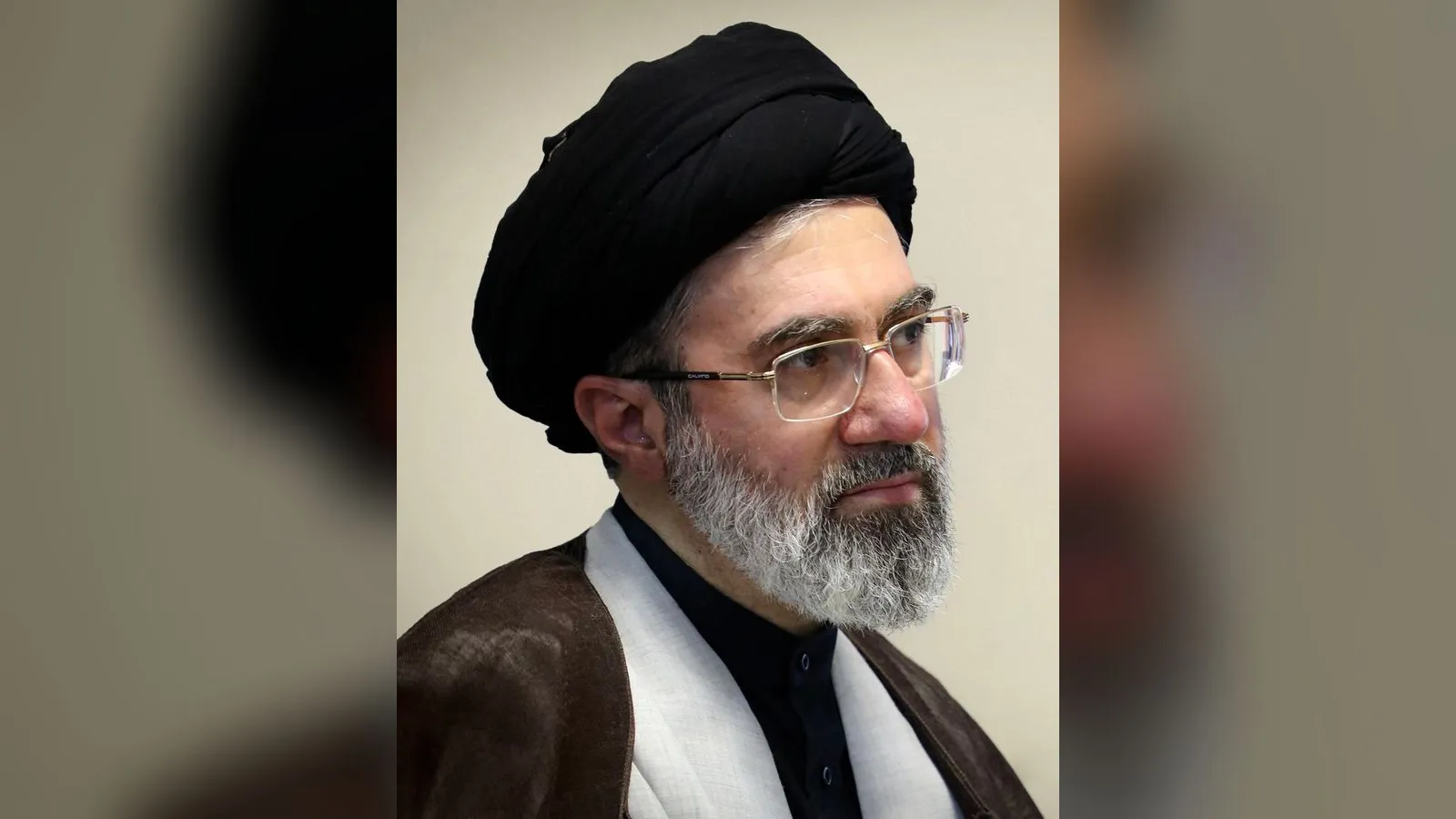
| February 28 | US and Israel launch joint strikes; Iran’s supreme leader Ali Khamenei is killed; his son Mojtaba succeeds him |
| April 8 | Two-week ceasefire agreed |
| April | Pakistan hosts the first face-to-face US-Iran talks in 47 years, ending without a breakthrough or a breakdown |
| June 20 | High-level talks in Switzerland after a preliminary agreement is signed |
| July 1 | Talks in Doha described by mediators as showing “positive progress” |
| July 8 | US strikes Iran after attacks on ships in Hormuz; Tehran retaliates |
For Pakistan this timeline matters, because Islamabad is part of the story. Dawn noted that Qatar and Pakistan have kept up diplomatic efforts to end the war. On Thursday Prime Minister Shehbaz Sharif and President Erdogan also stressed adherence to the Islamabad MoU as the route to lasting regional peace, according to Dawn’s live coverage. Our reports show how Pakistan asked both sides at the UN to honour the Islamabad MoU and how the Qatari mediators returned to Tehran.
What it means for fuel prices
Brent crude traded near $95.5 a barrel on Friday, down 0.3 per cent, and was set for a second weekly fall as the US blockade of Iran kept fears of renewed fighting in check, Reuters reported. Strikes on Saudi infrastructure and attacks on tankers leaving the Gulf remain a risk to supply.
That matters for Pakistani households. Petrol is Rs335 a litre from Thursday, after a Rs3 cut, but still above its pre-war price, according to our calculation from Dawn’s tracker. Prices at the pump follow crude and the exchange rate, so a collapse in talks would be felt first at the pump.
What we know and what we don’t
- We know: Mr Trump’s words, the Guards’ claim as carried by state media, Erdogan’s call for talks, and oil prices.
- We do not know: whether Mr Vance’s reported contact with the Iranian security official was ever scheduled, whether the White House will keep a negotiator in place, or whether Washington will respond to the Bahrain claim.
- Open question: Mr Trump’s post said the US has “their Strait”, but oil is still moving through the Gulf under threat. What the blockade is meant to achieve if no deal follows has not been explained.
Why it matters
In recent weeks Mr Trump himself had hinted that Iran might bargain more readily once the US elections were over. Thursday’s post changes that tone and takes the vice president off the file. For Pakistan, a mediator and a neighbour of Iran, the practical danger is a slow return to attacks on shipping and on bases, which would push up its fuel bill. The next signals to watch are whether Qatar and Pakistan are invited to keep passing messages, and whether any US official takes Mr Vance’s place.
Comments
Comments are reviewed by our editors before they appear. Please keep them civil and on topic. See our terms.
No comments yet. Be the first to share your view.