

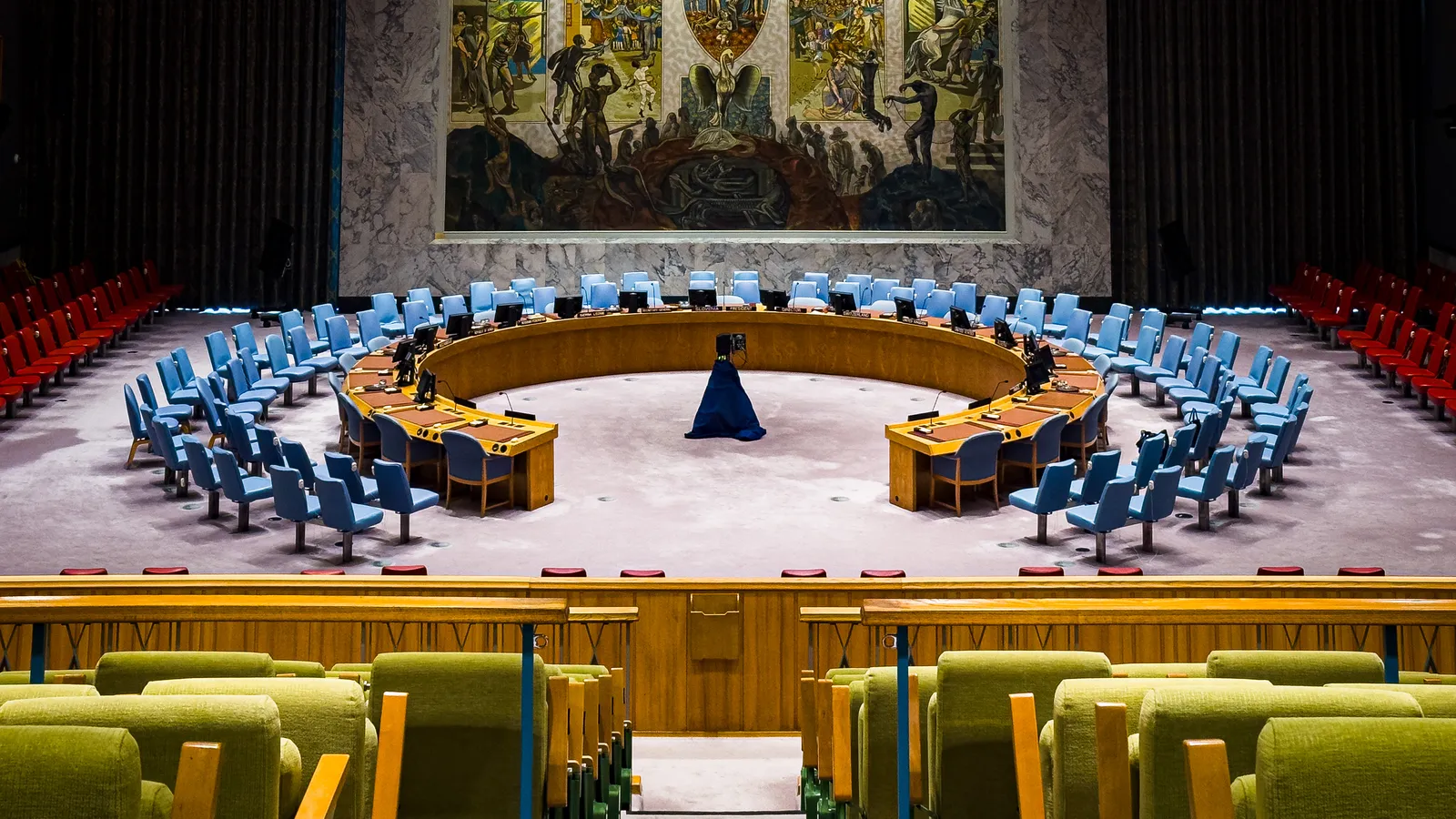
The United Nations Security Council has renewed its Yemen sanctions for another year and told the Houthis to stop attacking Saudi Arabia. Pakistan, a non-permanent member of the Council, voted for the text and used its speech to demand an “immediate and unconditional” end to the attacks.
The resolution was adopted by consensus on Thursday, according to Dawn’s report from Washington. Behind the unanimous vote there was a dispute over one word, and it tells you where the Council’s divisions lie.
What the resolution does
- Sanctions: keeps in place the asset freezes and travel bans aimed at people who endanger Yemen’s stability, among them figures tied to the Houthis, until November 14, 2027.
- Monitoring: keeps the Panel of Experts, the body that monitors the sanctions, at work until December 15, 2027, and adds a task: to study how the Houthis earn money from the sectors they control and how to stop it funding the war.
- Demands: the Houthis must end their offensive inside Yemen, stop firing at Saudi Arabia and stop menacing merchant ships.
- Weapons: targets the parts and chemicals that let the group build drones and missiles locally. UN monitors say its arsenal is kept stocked by smuggling and by diverting equipment meant for civilian use. Council members have until January 11 to agree what to do, working from a list the experts will draw up.
- Arms embargo: reaffirms the embargo under Resolution 2216 of April 2015, which has no end date.
- Detained staff: warns that holding UN, diplomatic or aid workers without cause could bring new sanctions. The warning follows the death in Houthi custody of Mohammad El-Shami, a Yemeni member of staff at the UN human rights office, who had been detained since June 6, 2024. His relatives learned only recently that he had been dead for over a month.
What was dropped
| Who | What they wanted | Outcome |
|---|---|---|
| Britain | Restore “terrorist group” wording for the Houthis, used in sanctions texts since 2022 | Dropped when Russia argued it could damage peace efforts |
| Bahrain, backed by the United States | Same wording | Not accommodated |
| China, backed by Russia | Opposed the list of items with civilian and military uses, and a wider remit for the experts | Both stayed in the text |
| Yemen’s government | The Houthis named as a terrorist group | Welcomed the text but regretted the missing label |
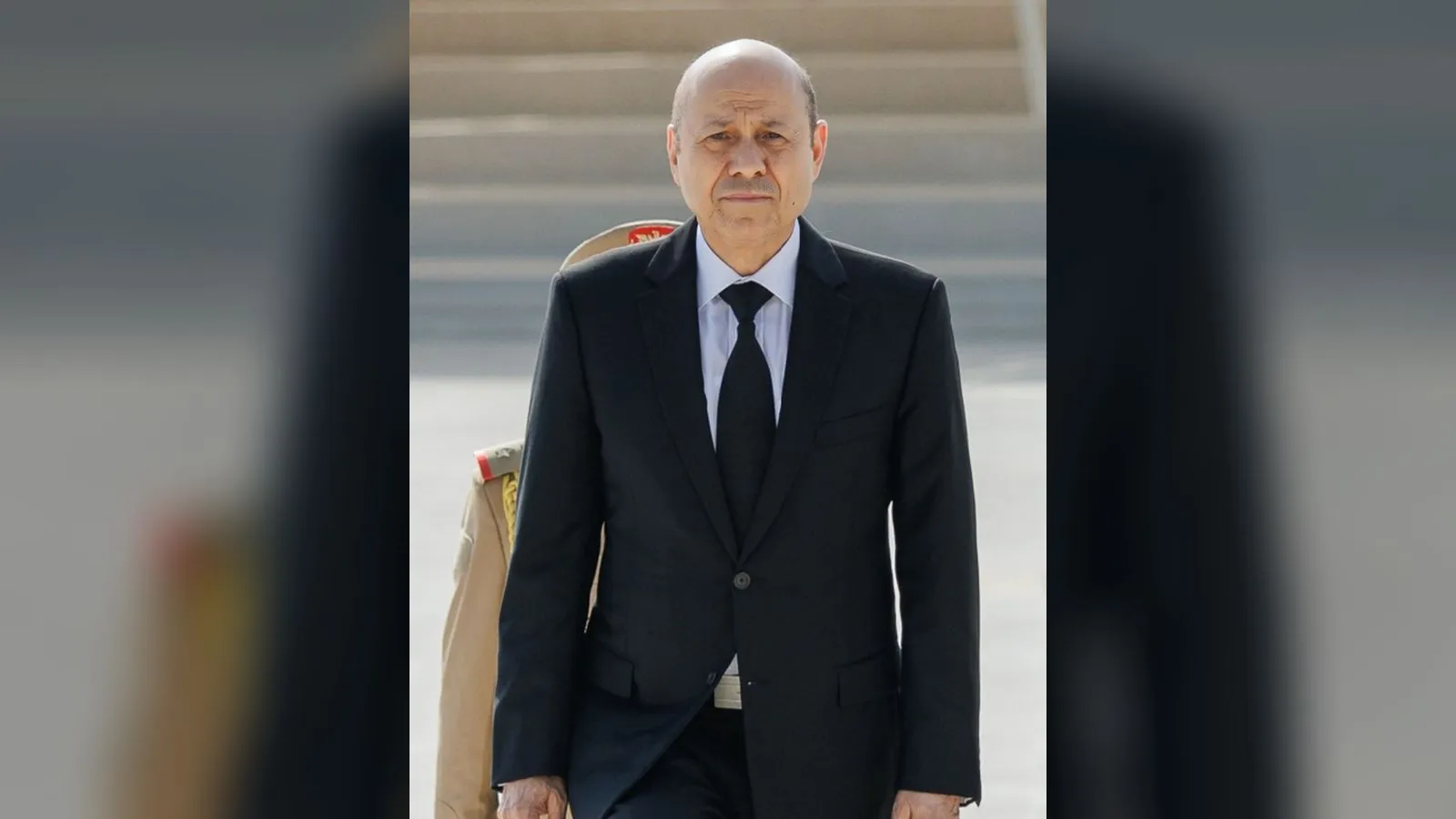
Yemen’s ambassador, Abdullah Al-Saadi, regretted that the Council could not bring itself to “name things with their names”. He said the Houthis use hunger as a weapon and urged an end to the blockade of Taiz.
Pakistan’s statement
Ambassador Shah said Pakistan condemned “in the strongest terms” the continuing Houthi attacks on the kingdom and stood in “full and unwavering solidarity” with Saudi leaders and people. He backed Saudi Arabia’s right to defend its territory under the UN Charter.
He also said the conflict needs a political settlement that respects Yemen’s sovereignty and unity, reached through an inclusive process that Yemenis own and lead. On the sanctions machinery, he said the Panel of Experts must work strictly within its mandate and with impartiality, which Pakistan said is needed for its credibility. He thanked Britain for its role in drafting the text.
On the ground
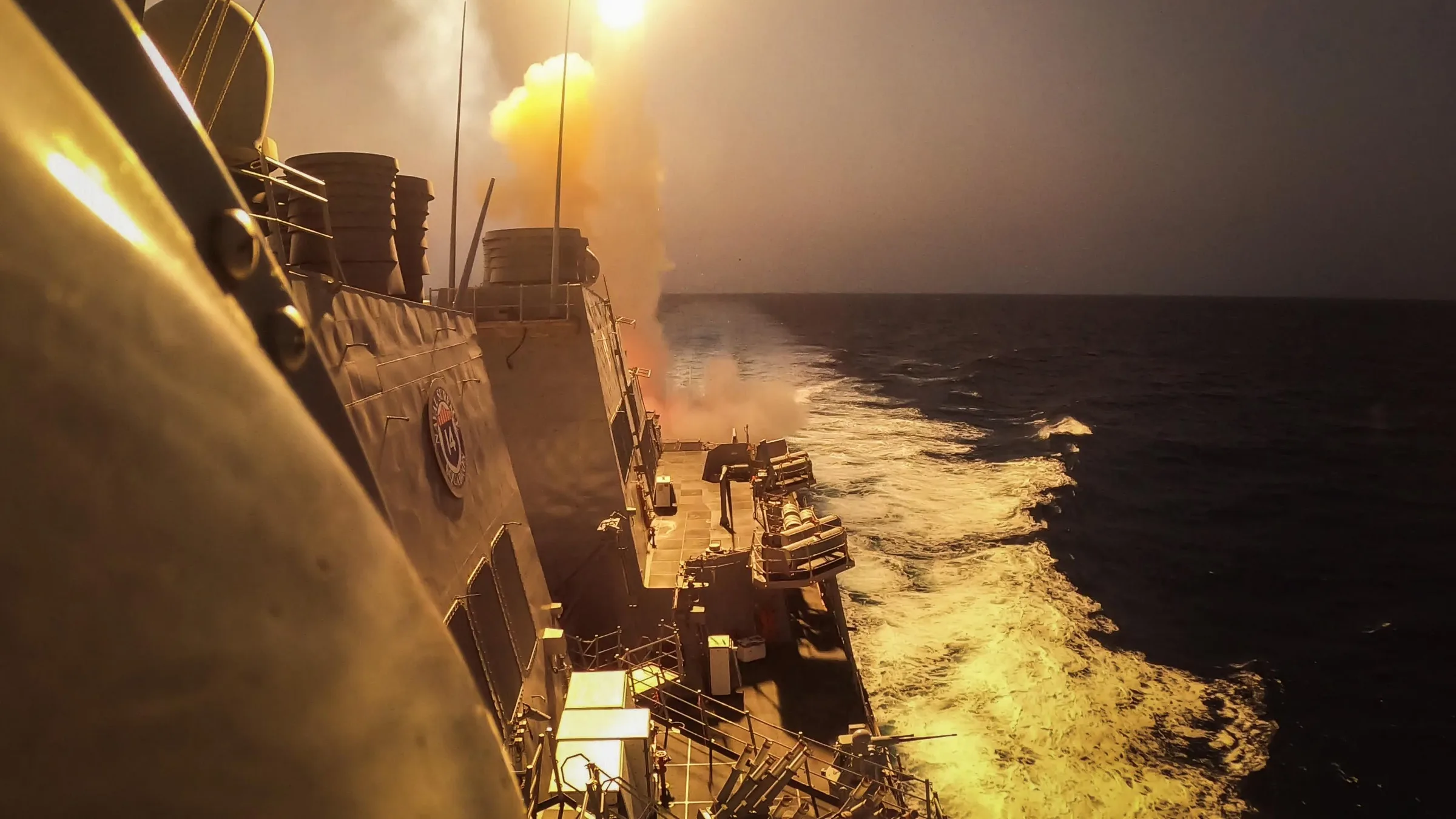
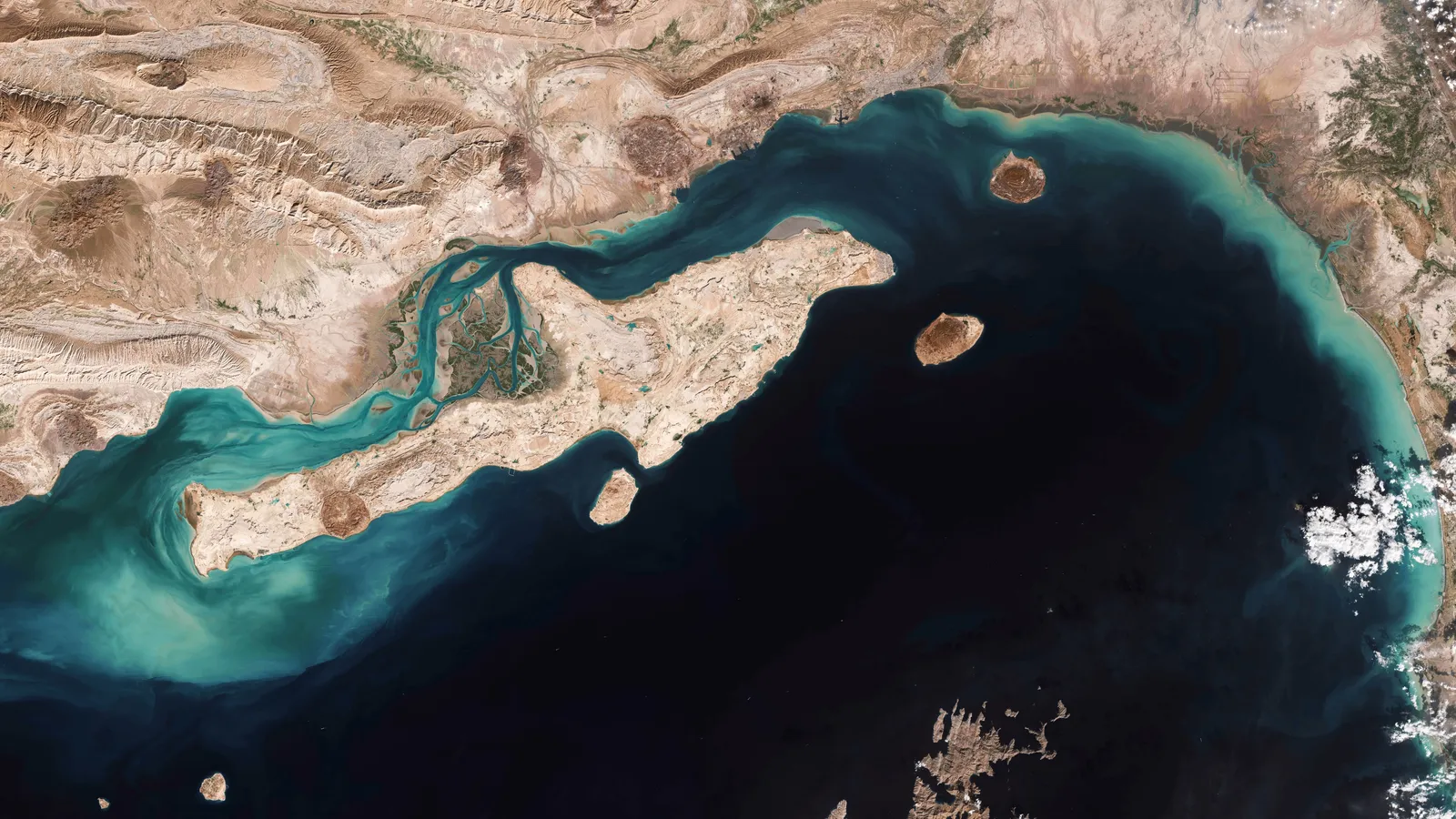
In recent weeks the group has been hitting Saudi airports, ports and oil sites with missiles and drones, Dawn reported. The Houthis took Sanaa in 2014, and Saudi Arabia intervened the year after. A truce mediated by the UN in 2022 largely stilled the war until fighting returned this year. The escalation now threatens the Bab el-Mandeb Strait, a major shipping lane.
Air travel is one visible cost. Al Jazeera reported on Friday that Indian carrier Akasa Air has suspended flights to Riyadh and Jeddah until November 30, IndiGo has halted Riyadh and Dammam services until November 30 and Jeddah and Medina until November 21, and KLM has cancelled Riyadh and Dammam until November 27. British Airways has pushed back the London-Riyadh route to January 11, 2027. Etihad has suspended Riyadh and Dammam until November 19.
Our earlier reports track how the attacks escalated: the strike on Riyadh airport, the emergency Gulf military meeting in Riyadh and an explainer on the Houthi missiles and drones.
Why it matters
For Pakistan the issue is close to home. Saudi Arabia is a long-standing partner and the destination for millions of pilgrims each year, and Pakistan has condemned the recent attacks, as our earlier stories show. Voting for the text and speaking for Saudi Arabia is consistent with that line.
For the Council, the lesson is how far consensus can go. It could agree to freeze assets and ask for a list of weapons parts. It could not agree on a label, and China and Russia are already pushing back on the weapons list and the experts’ wider remit.
Watch for January 11. That is the date by which members must decide what to do about the weapons components. If the China-Russia objections hold, that list may be narrower than Britain and the Gulf states want.

Comments
Comments are reviewed by our editors before they appear. Please keep them civil and on topic. See our terms.
No comments yet. Be the first to share your view.