
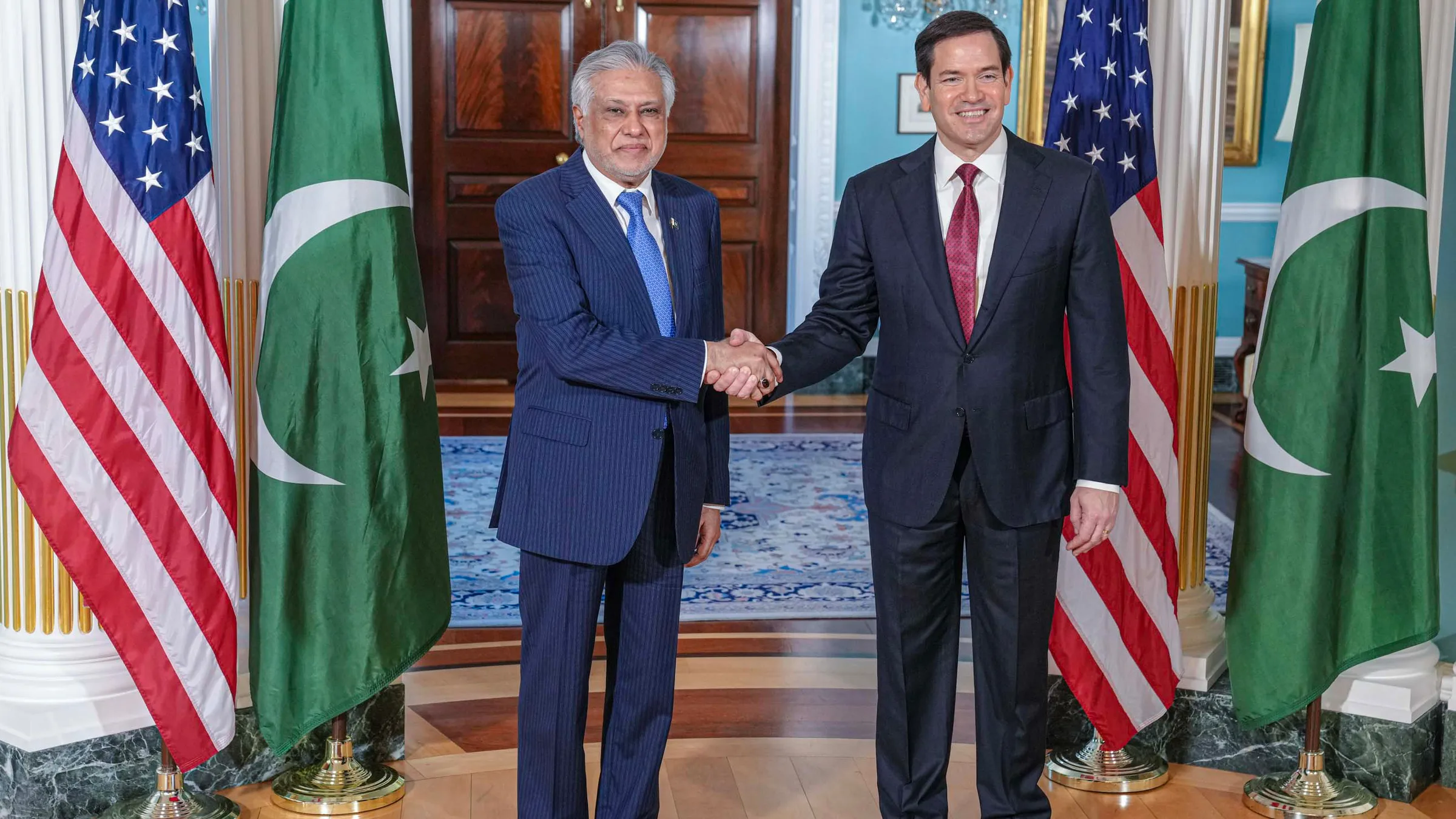
Pakistan asked Iran and the United States on Tuesday to keep to the Islamabad Memorandum of Understanding (MoU) and go back to talks, while Iran said remarks attributed to President Donald Trump showed that Washington had never taken the agreement seriously. The Express Tribune reported both developments.
At the Security Council
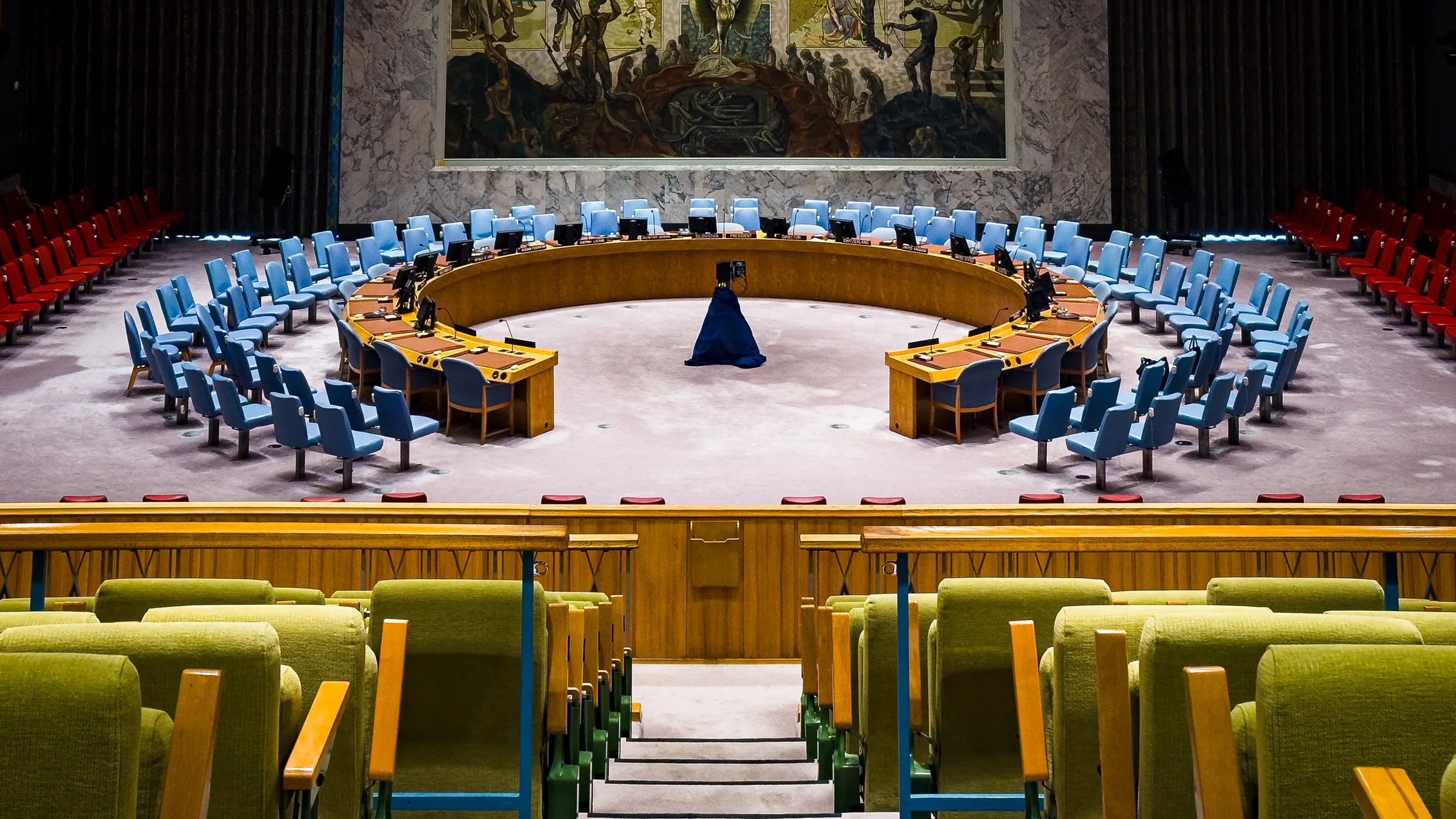
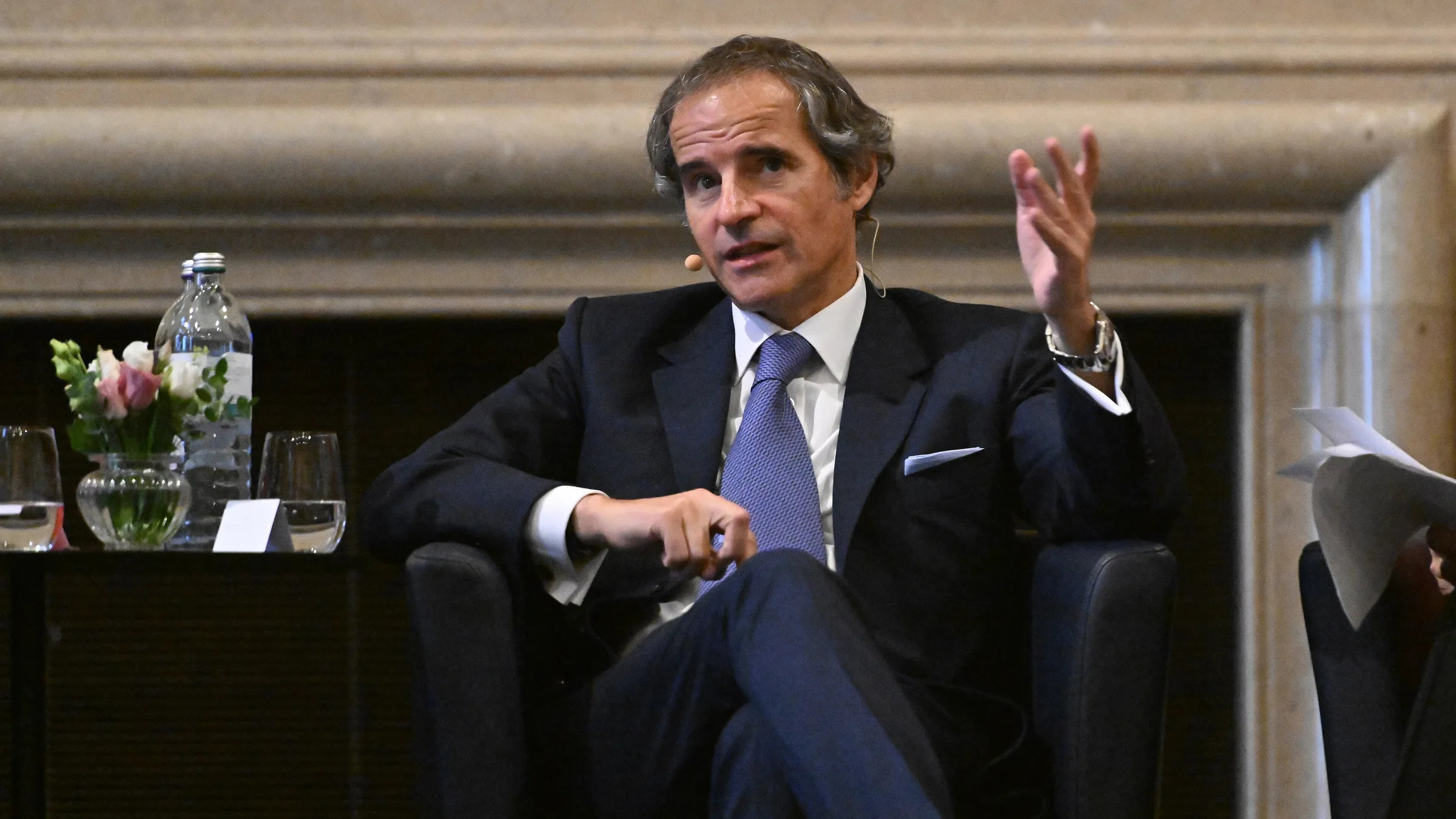
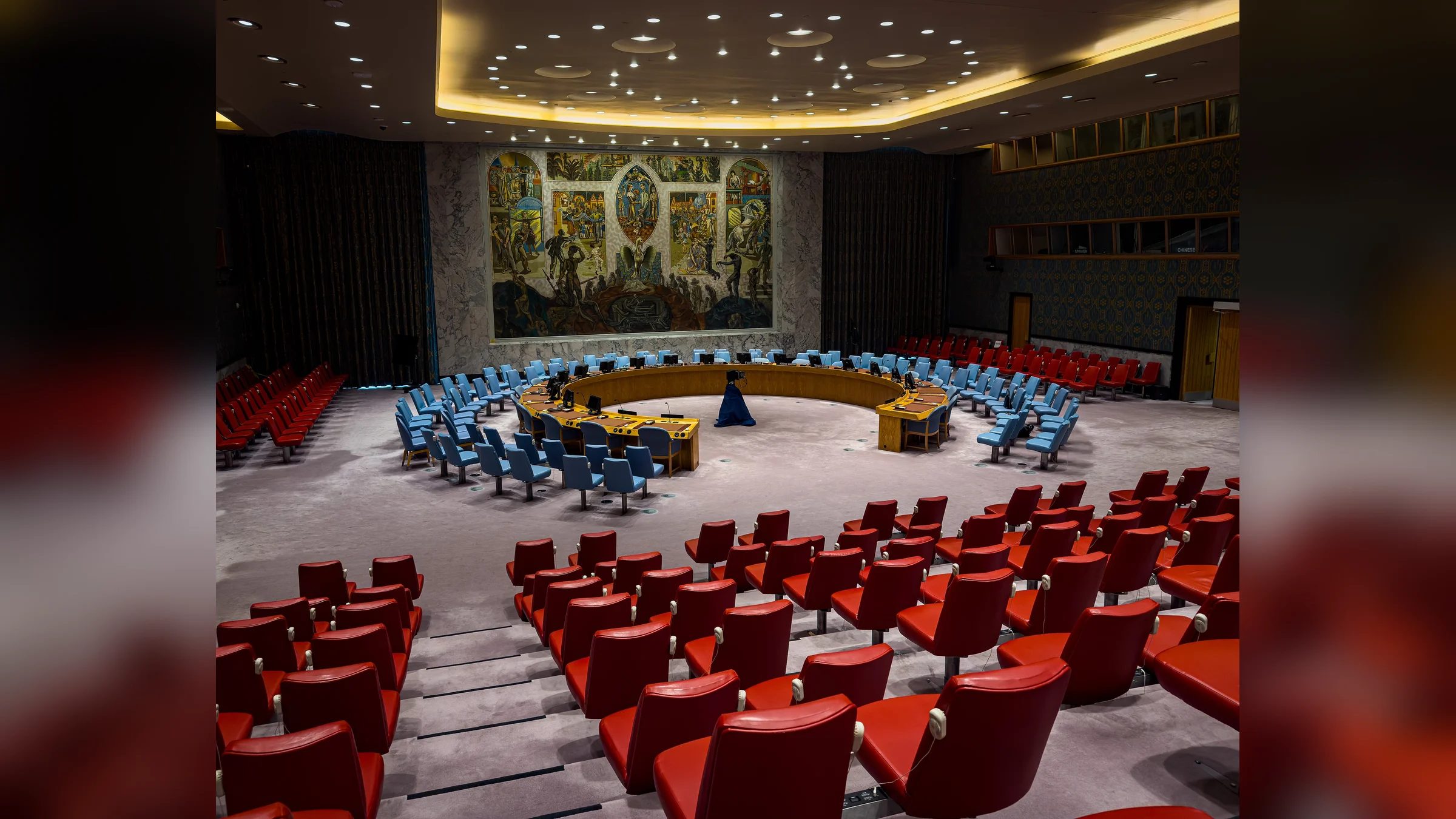
Pakistan’s acting permanent representative to the UN, Ambassador Usman Jadoon, spoke at a Security Council briefing on Iran and non-proliferation, where the council’s members heard from the International Atomic Energy Agency’s chief, Rafael Grossi. He said Pakistan remained concerned that the situation over the Iranian nuclear file had “sharply deteriorated”, and that “profound mistrust and difference of opinion” had broken the council’s consensus on the matter.
He warned that more escalation could damage regional and international peace, and asked all sides to “exercise restraint, refrain from irresponsible and destabilising rhetoric, actions, and postures”. A negotiated settlement, he said, should respect the rights and obligations of the parties and the non-proliferation regime. Any non-compliance question, he added, should go to “competent technical bodies like the IAEA, without politicisation”, and the agency should be able to do its work “without any hindrance”.
Jadoon called the Islamabad MoU a “successful manifestation” of Pakistan’s approach, one that “demonstrates that progress on the diplomatic track is possible”. He thanked Qatar, Saudi Arabia, Turkiye, Egypt and China for their support, and said Pakistan’s leadership was continuing its efforts “with sincerity, determination and conviction”.
The Tribune noted that Pakistan is a key mediator between the two countries. Its efforts produced an interim peace agreement in June that soon faltered, when new fighting broke out between Iran and the US weeks later.
Iran’s answer to Trump
In a post on X on Wednesday, Iran’s foreign ministry spokesman, Esmaeil Baghaei, reacted to what he described as Trump’s admission that he never believed in the Islamabad MoU and thought it was a waste of time. “Washington’s contempt for diplomacy is once again laid bare,” he wrote, adding that the remark “exposes the hollowness of their diplomatic commitments”. Iran, he said, had seen Washington walk away from commitments many times. He also criticised European states for defending US actions and said that “broken commitments cannot be excused, international law cannot be applied selectively”.
The Tribune’s report does not say when or where Trump made the remarks, and says only that they were reported. We have not seen the original statement, so Baghaei’s account should be read as Iran’s description of it.
The Tehran talks and Doha
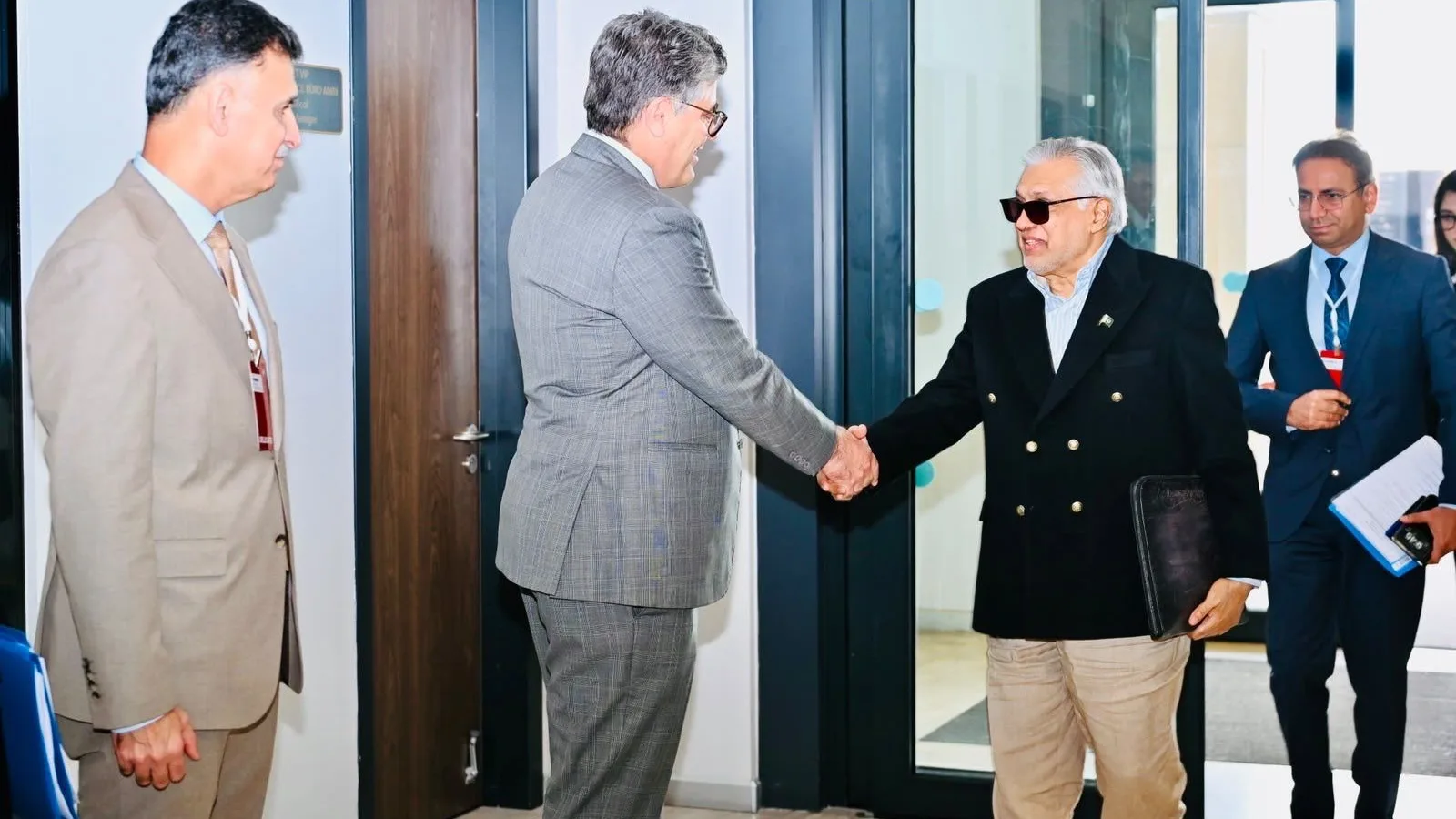
The exchange comes a day after Pakistan, Saudi Arabia and Turkiye, the three states of the Makkah defence pact, met Iranian officials in Tehran and agreed to keep talking. Read our report on that first meeting. Iran’s foreign minister, Abbas Araghchi, said regional cooperation without foreign military intervention is essential to lasting security.
Iran also asked Qatar for greater caution in its media statements. A Qatari foreign ministry official had said the ball was in Iran’s court to show its commitment to regional security by ending threats against regional countries and reopening the Strait of Hormuz. Iran’s foreign ministry said the four-way meeting in Tehran was itself a sign of goodwill and that it expected all regional countries, Qatar included, to respond in kind.
Why it matters for Pakistan
Pakistan helped broker the Islamabad MoU, and its diplomatic standing is tied to the talks. If the two sides keep trading accusations about whether the deal was ever meant seriously, the room for mediators shrinks, and with it the chance of calming a war that is already pushing up fuel prices at home. Jadoon’s message at the UN was that diplomacy can still work. What happens next depends on whether Washington and Tehran will say the same thing in public as they do to mediators.
This article draws on reporting by The Express Tribune.
Comments
Comments are reviewed by our editors before they appear. Please keep them civil and on topic. See our terms.
No comments yet. Be the first to share your view.