

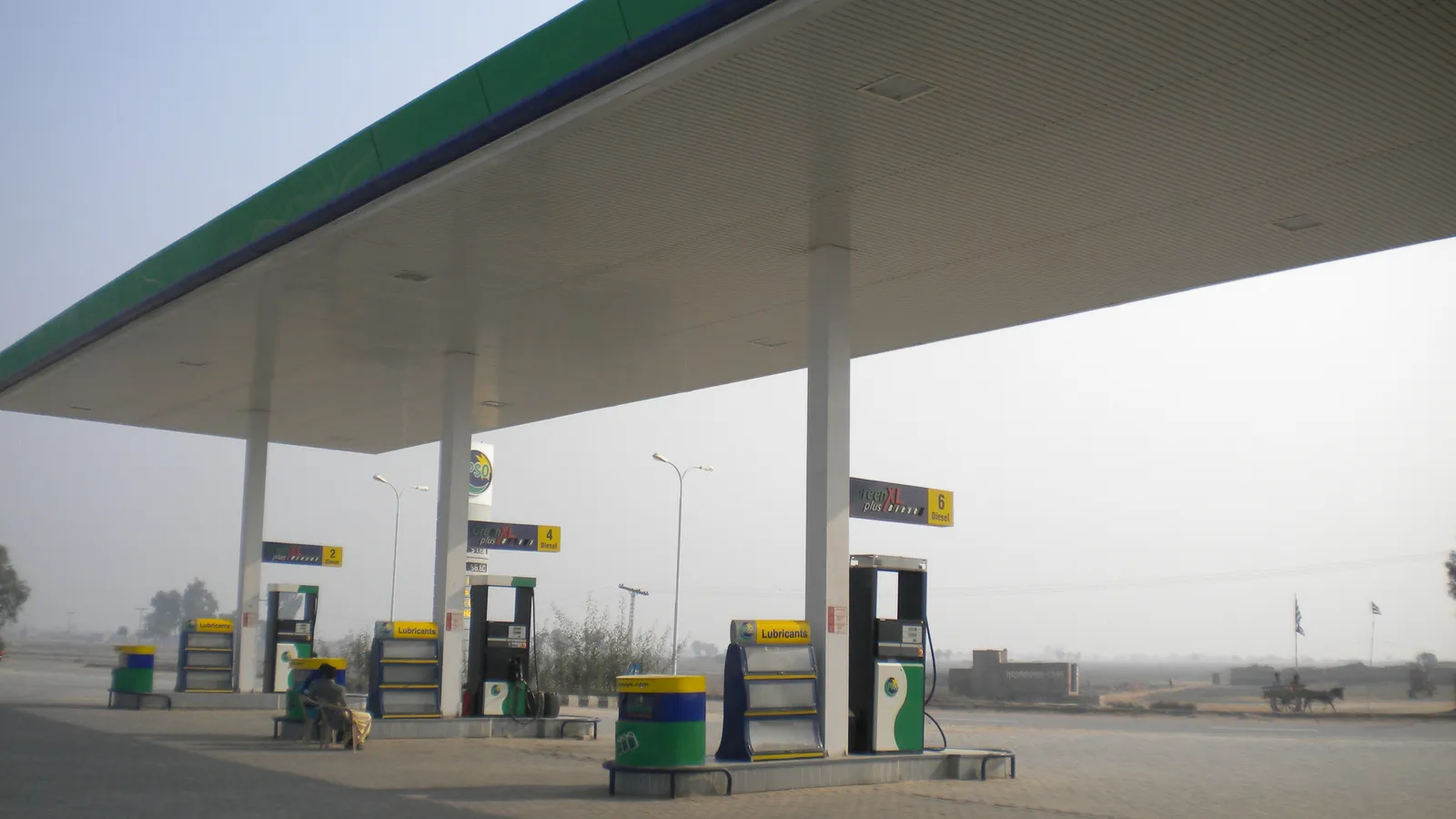
Petrol will sell for Rs335 a litre and high-speed diesel (HSD) for Rs364 from Thursday, November 12, after the government cut the price of petrol by Rs3 and diesel by Rs7 on Wednesday, according to a notification by the Oil and Gas Regulatory Authority (Ogra). It is the latest in a run of reductions as international oil prices ease.
The cuts are welcome, but the new rates are still far above where they stood before the war between the United States and Iran began on February 28. The table below, built from the daily prices in Dawn’s fuel tracker, shows how prices have moved since the start of the month.
| Date | Petrol (Rs per litre) | Diesel (Rs per litre) |
|---|---|---|
| Nov 3 | 374.51 | 395.20 |
| Nov 5 | 362.00 | 387.81 |
| Nov 7 | 346.00 | 378.00 |
| Nov 11 | 338.00 | 371.00 |
| Nov 12 | 335.00 | 364.00 |
How far prices have come
Measured against the peaks and the pre-war level, the picture looks like this:
- Against the peak. Petrol touched Rs458.41 on April 3 and diesel Rs520.35. Today’s prices are Rs123.41 and Rs156.35 lower, a fall of about 27 per cent for petrol and 30 per cent for diesel.
- Against the pre-war price. Petrol stood at Rs266.17 and diesel at Rs280.86 at the end of February. Petrol is now Rs68.83 higher and diesel Rs83.14 higher.
- Against November 3. Since then petrol has fallen by about Rs39.51 and diesel by Rs31.20.
These comparisons are our own arithmetic on the published figures.
What sits inside the price
The government continues to charge Rs114 a litre in taxes and duties on petrol and Rs100 on diesel. Under an arrangement announced on November 2, oil refineries will for 30 days bear a cumulative Rs15 billion of the petroleum levy, which allows a Rs14.71 cut in the petrol price at the pump. That arrangement has a time limit, so the question for December is whether prices hold when the month ends.
The Prime Minister’s Fuel Relief Scheme, rolled out on September 17, is aimed at motorcycle and rickshaw owners and at cars up to 800cc. The government has also brought back austerity steps because of the fuel crisis: shops must shut by 9pm, and official vehicles get half their usual fuel for three months.
Since July 17 prices have been revised almost daily, with Ogra deciding them from international market trends. That followed weekly revisions from early March.
Why relief is slow to reach households
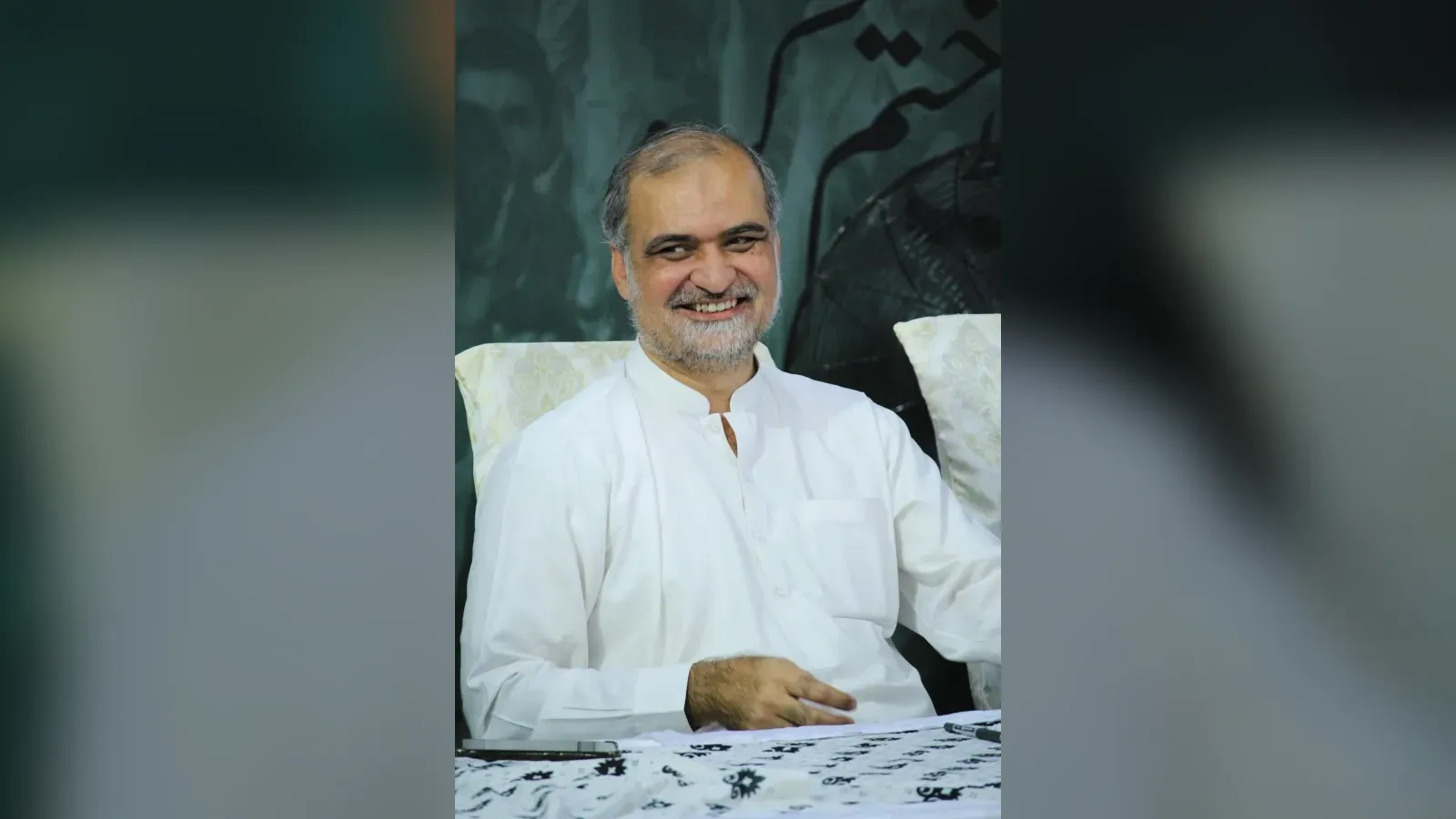
Jamaat-i-Islami (JI), which has been pressing for the petroleum levy to be scrapped, said on Wednesday that consumers still pay the same for basic goods because goods transporters have not changed their charges. Dawn counts six consecutive price reductions since last week. It also said LPG is still being sold well above its official rate after supplies from Iran were disrupted. We covered the party’s plans in our story on its rallies and the progress of its talks with the government in our report on the ‘basic outlines’ deal.
Diesel matters more than the number on the pump suggests. It runs trucks, farm machinery and many generators, so a fall in the diesel price should, in time, show up in freight and food prices. Petrol mainly affects private cars, rickshaws and motorcycles, which is why the middle and lower-middle classes feel its swings most. LPG is a separate problem, which we have followed in our report on cylinders selling at twice the official price.
What to watch
- Whether transporters and traders pass the diesel cut on to freight and retail prices.
- What happens when the refinery arrangement on the petroleum levy ends in early December.
- The outcome of the talks between the government and JI on the levy.
- International oil prices, which Ogra follows when it sets the daily rate.
The government has said Ogra will keep setting prices daily on international trends, so the next notification will show whether the fall continues.
Comments
Comments are reviewed by our editors before they appear. Please keep them civil and on topic. See our terms.
No comments yet. Be the first to share your view.