

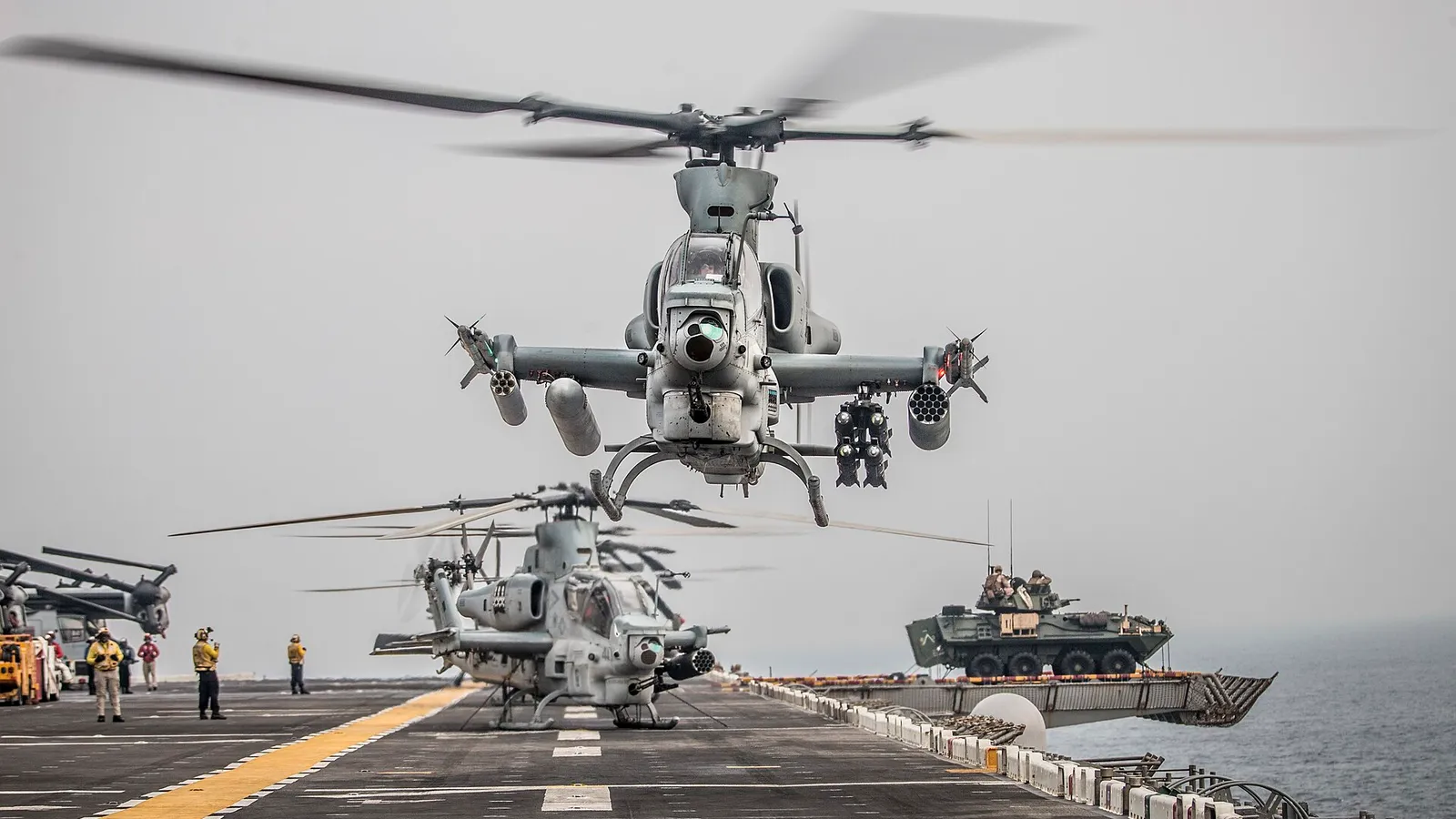
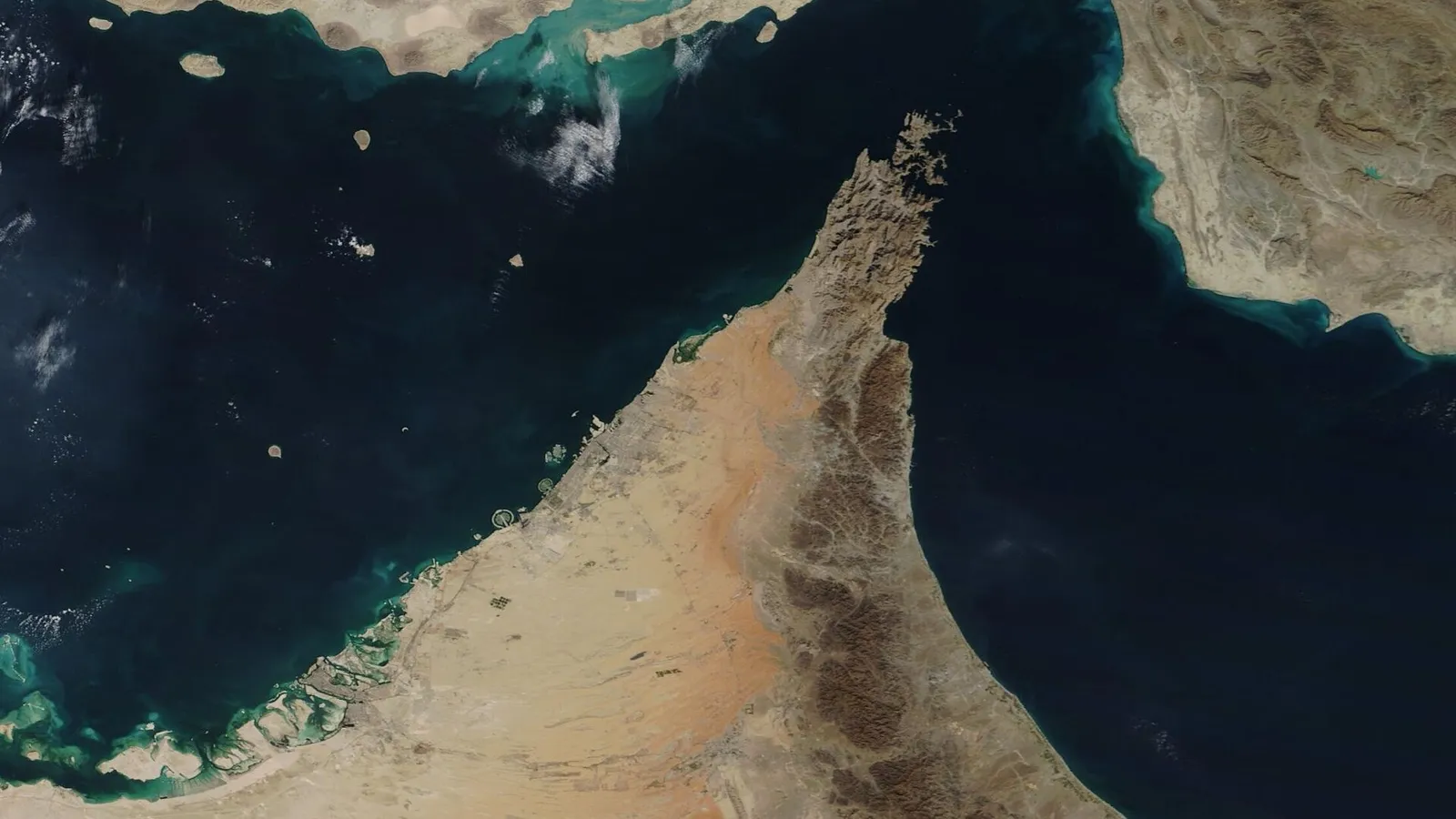
Iran has changed its tactics to step up attacks on ships passing through the Strait of Hormuz, aiming to keep oil prices high and influence the US midterm elections, two senior Iranian officials told Reuters, as reported by The Express Tribune.
The officials declined to give details, but one said Iran had begun using different offensive tactics against vessels it considers in breach of its restrictions about 10 days ago, leading to more attacks. The strategy includes changes to the type and pace of attacks, and was decided at the highest levels of Iran’s leadership, they said.
“The aim is to frustrate efforts by the United States and its allies to bring down global oil prices,” one official said.
“A game of chess”
“Just when they think they are getting close to the point where prices will fall, we will push them away from it. This is a game of chess,” the second official said. “Such vessels would be safe nowhere, even outside the Strait of Hormuz.”
Both said Tehran was moving towards a situation where no vessel breaching its restrictions could pass. “It will be complete closure soon,” one said. The Pentagon and Iran’s Foreign Ministry did not immediately respond.
Attacks at a new high
- Tempo: attacks on commercial ships in recent days have reached their highest level since the war began, according to independent data
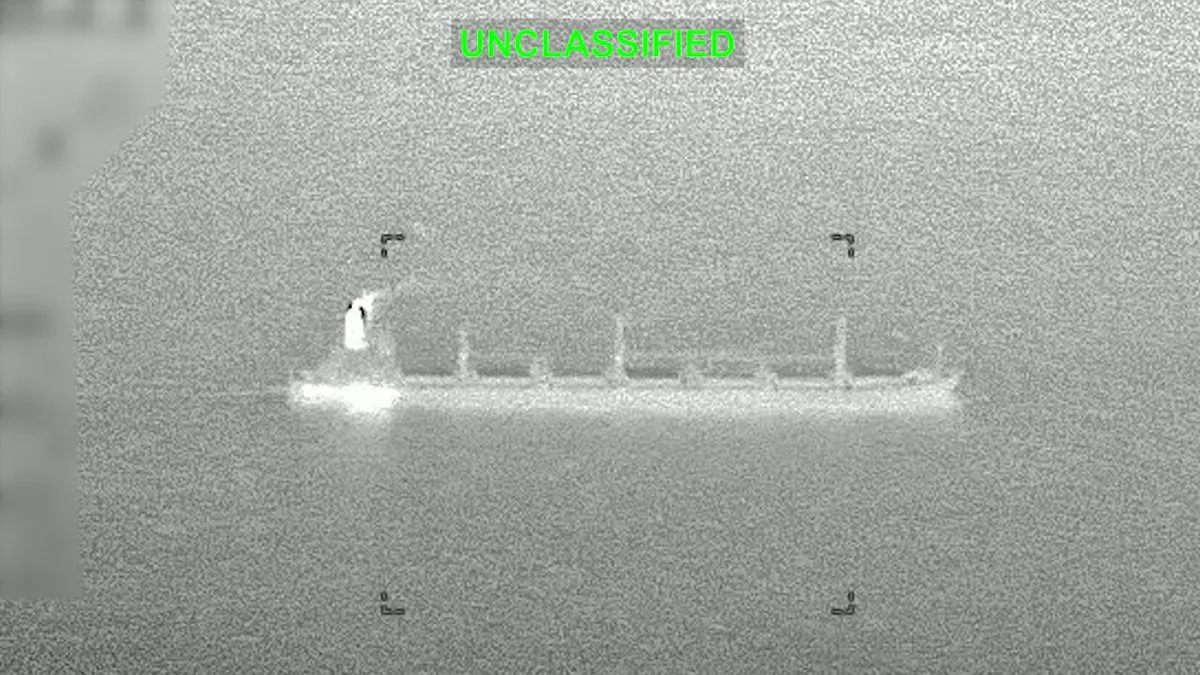
- 48 hours: at least five incidents involving tankers and other ships around Hormuz, including drone strikes, according to maritime security sources and reports to UKMTO
- Wider area: the officials said attacks would spread to the Gulf of Oman and beyond, and maritime sources say ships have already been targeted off Qatar and the UAE
- Threat level: the US Navy-led Joint Maritime Information Centre rated the threat to shipping in Hormuz as “severe”, its second-highest level
A US military official said that after the US destroyed much of Iran’s radar capability, the IRGC began using unarmed spotters in small boats to find targets. Last week, US forces destroyed a dhow used by spotters after telling its occupants to abandon ship, with no casualties.
Oil prices climb
Brent crude rose 63 cents to $106.32 a barrel on Wednesday morning after a container ship and a tanker were hit by unknown projectiles in the strait, UKMTO said. US crude rose 66 cents to $94.80.
“Iran is well aware of its geographical importance and the havoc higher oil prices can inflict on the global economy, and it may not shy away from using this leverage,” said Priyanka Sachdeva of Phillip Nova.
Talk of new strikes
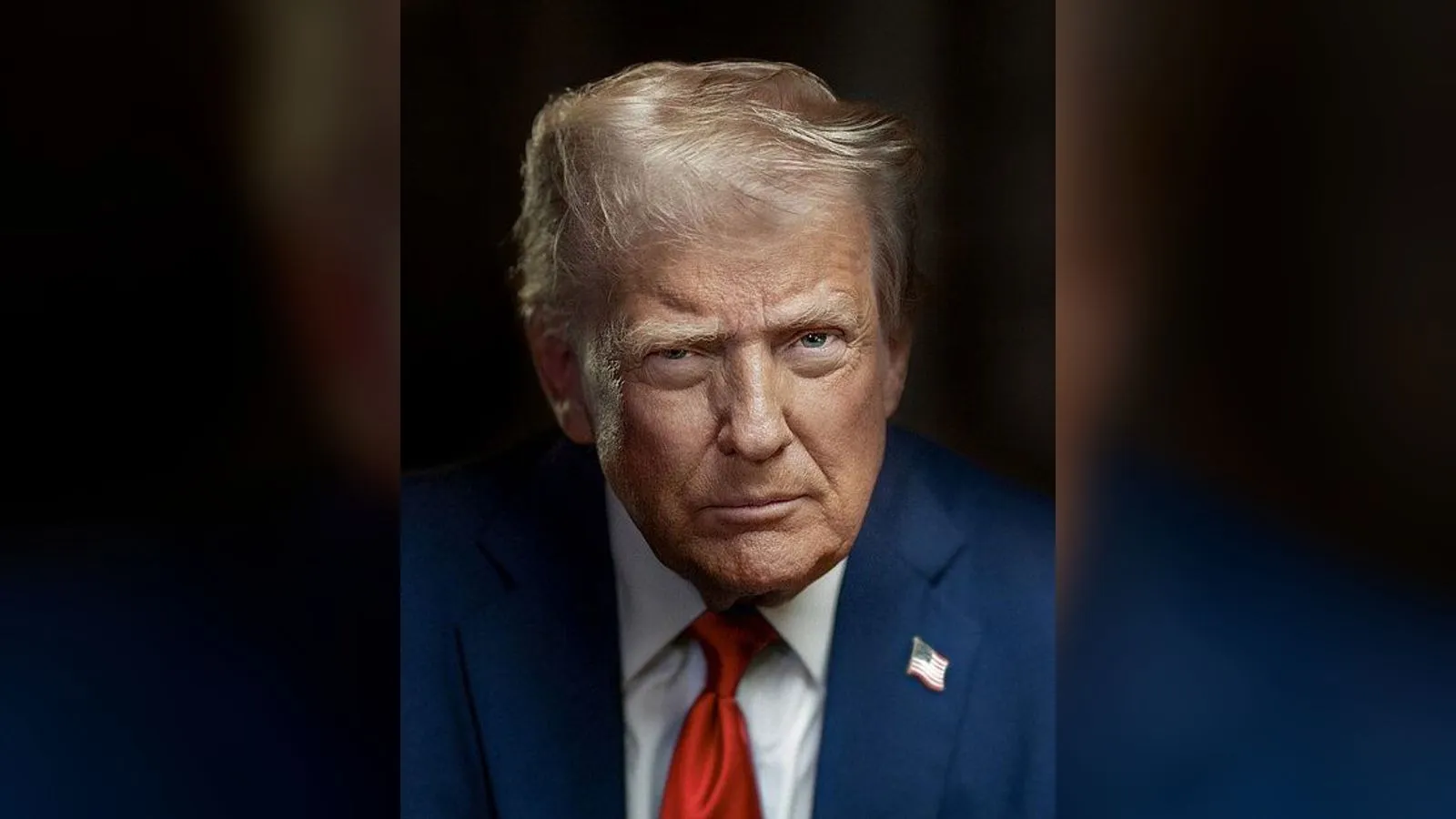
Axios reported that President Donald Trump and Israeli Prime Minister Benjamin Netanyahu had discussed a major new operation against Iran before elections in both countries. A White House official called that “false”, saying Trump had ruled out attacks before the November midterms. Qatari mediators are still awaiting Iran’s reply to the latest US proposal.
At a rally in Alaska, Trump said: “Wait till you see what we do to Iran.”
Why it matters
Pakistan pays for every rise in oil prices, and the Hormuz standoff is already delaying LNG cargoes from Qatar. A wider campaign against shipping would make the energy squeeze worse just as winter demand rises. Read our reports on Iran’s wait for a US reply on Hormuz and on oil prices and tanker attacks.
This article draws on reporting by The Express Tribune, Reuters and Axios.

Comments
Comments are reviewed by our editors before they appear. Please keep them civil and on topic. See our terms.
No comments yet. Be the first to share your view.