

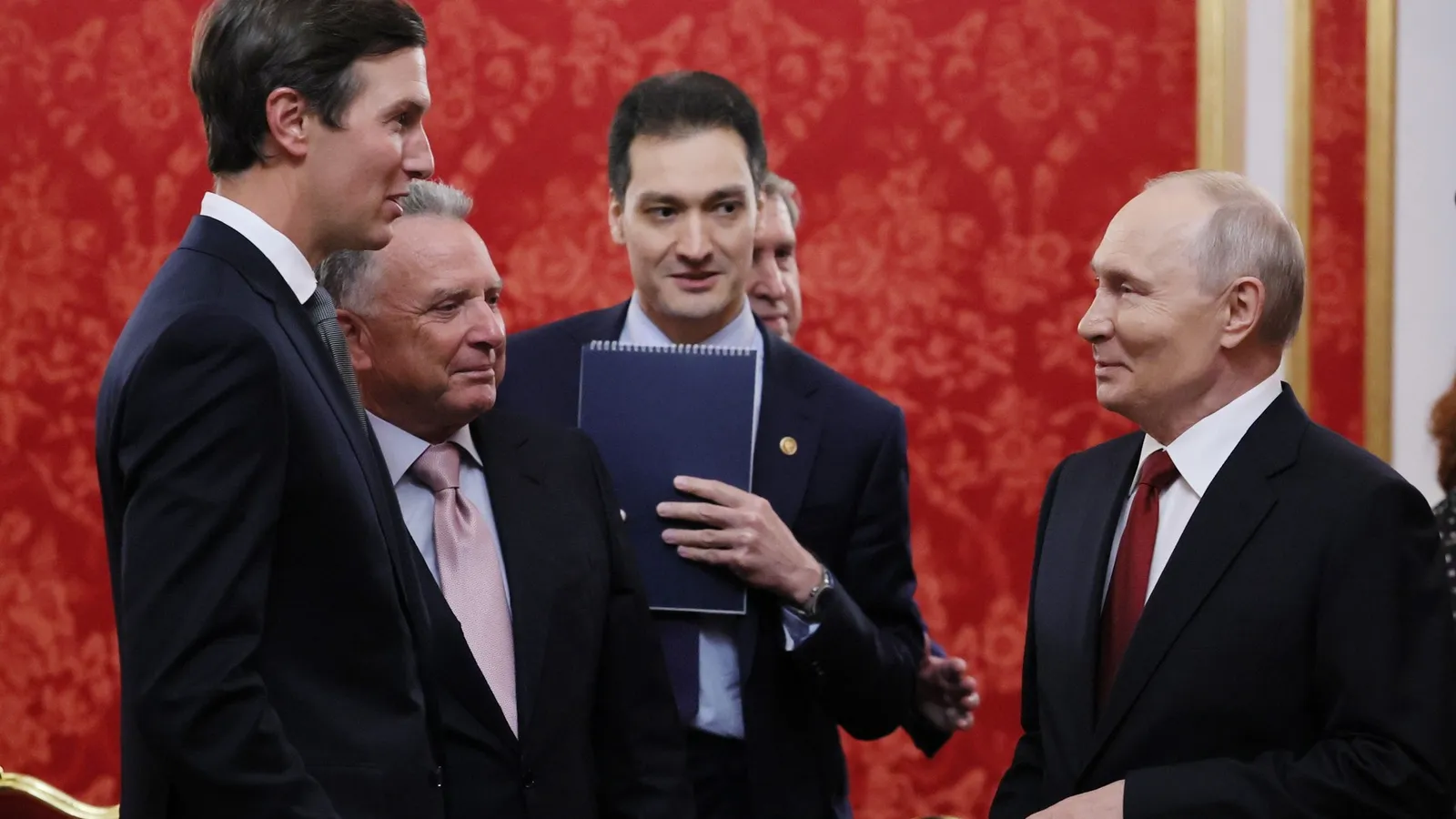
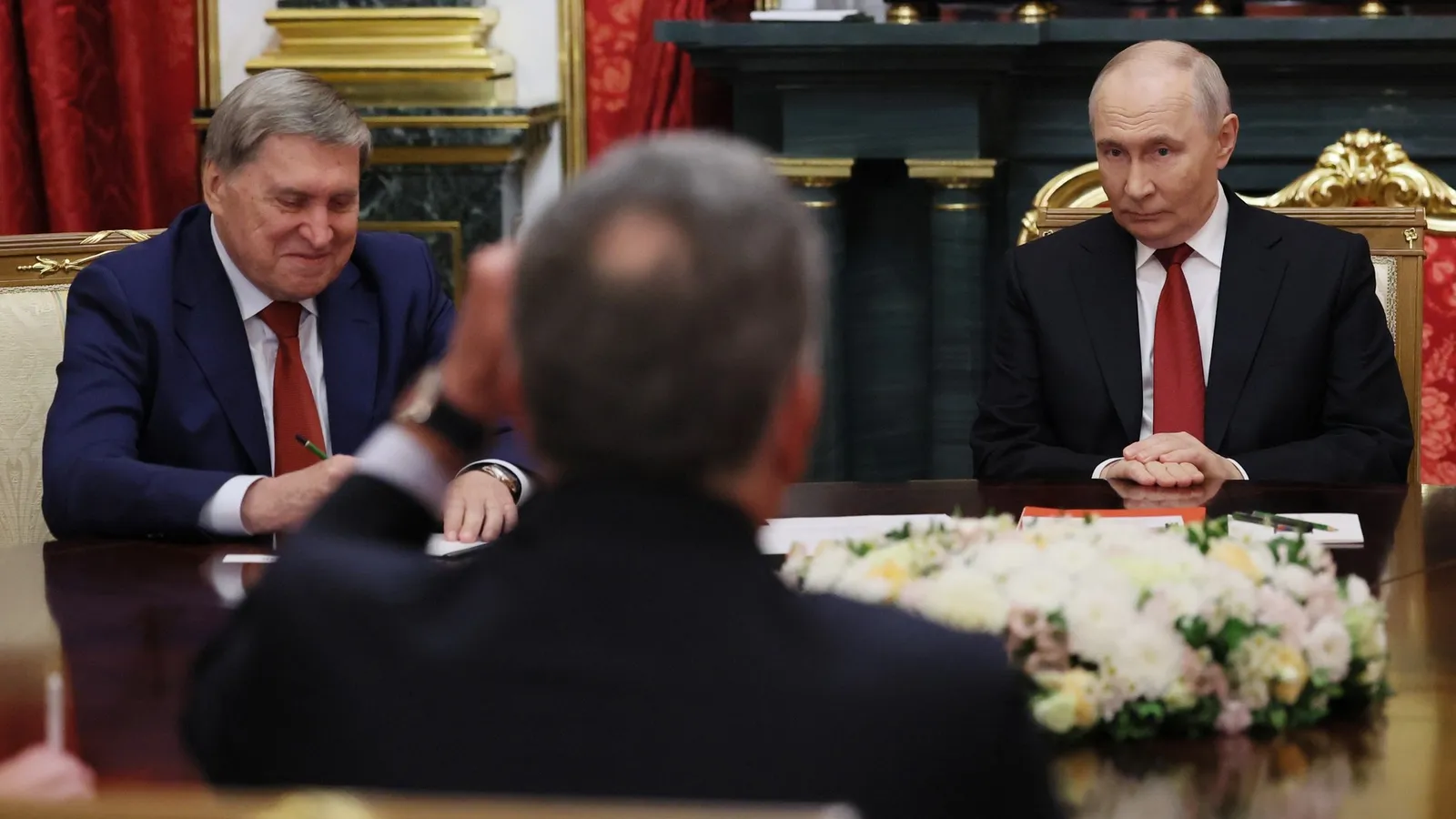
The two days of talks in Abu Dhabi on ending the war in Ukraine have ended with a prisoner exchange agreed and a long list of disagreements. On Thursday the United States will try to turn what it calls “openings” into something more: its envoys, Steve Witkoff and Jared Kushner, will fly first to Moscow to meet President Vladimir Putin, then to Dublin to brief Ukraine’s president, Volodymyr Zelensky, who is attending European meetings there, AFP reported.
What came out of Abu Dhabi
This was the first round since February, when the US war with Iran brought diplomacy on Ukraine to a halt. Mr Kushner said the sides agreed a prisoner exchange that he called the “biggest” ever, though no one put a number on it. He called the talks “a good first step” and said some areas offered room for compromise while others needed more discussion. He did not say where.
Ukraine’s top negotiator, Rustem Umerov, said “significant differences remain” and that there is “a lot of difficult work ahead”, but also that there are opportunities to keep talking. Russia’s delegation chief, Vladimir Medinsky, said the discussion “will certainly continue”. Kyrylo Budanov, an aide to Mr Zelensky who took part, described the negotiations as “not easy” and said Ukraine’s goal is “a just and lasting peace as soon as possible”.
The row over Europe’s place
The sharpest split was not about territory but about who gets a seat. Delegations from Britain, France, Germany, Italy, Nato and the EU were also in the Emirati capital for side meetings, and Kyiv wants those backers inside the process.
Mr Medinsky was dismissive. Moscow, he said, sees little to discuss with the Europeans, since not one concrete proposal has reached it from them. He later told Russian television that Moscow’s aim is a “new, modern Yalta and Potsdam”, a reference to the 1945 conferences at which Allied leaders agreed the shape of postwar Europe with Joseph Stalin. Ukraine has warned against exactly that and calls the idea “Yalta 2.0”.
Mr Kushner said he would raise Europe’s inclusion with Mr Putin, and he asked Europe to pick “one person to speak on their behalf”. Germany said on Wednesday that Russia must stop the war before any talks on European security can start.
Where the two sides stand
| Issue | Russia | Ukraine |
|---|---|---|
| Order of steps | A wide deal on ‘Europe’s security architecture’ as part of any settlement | A ceasefire first, then talks on territory and security |
| Territory | Ukraine to withdraw from parts of the east that it still holds | A ceasefire before any discussion of territory |
| Leaders’ meeting | Putin has ruled out a meeting; the Kremlin has invited Zelensky to Moscow | Wants a direct Zelensky-Putin meeting on the biggest issues |
| Europe | Says it has seen no concrete proposal from Europeans | Wants Europe more involved |
Russia’s demand for a security deal is widely read as a call to push Nato back in eastern Europe and to end Western military support for Kyiv. Mr Kushner said on Tuesday that Washington hopes to “create a new framework” of security among Ukraine, Russia and Europe. European capitals are uneasy about President Donald Trump’s proposal for a deal with Russia on rewriting postwar security, and fear that Kyiv could be pressed into a peace that rewards Moscow.
Background
The war began with Russia’s invasion in February 2022. Since then hundreds of thousands have died, millions have left their homes, and large parts of the east and south have been wrecked by air attacks. The envoys have met Mr Putin before, and we have followed earlier rounds, including Mr Witkoff’s talks with Mr Putin in St Petersburg and Mr Zelensky’s trip to Norway to meet him.
Why it matters
A prisoner exchange is real relief for families on both sides, but it is the smallest of the issues on the table. The harder questions are whether Russia will accept a ceasefire before a settlement, whether Ukraine will accept any limit on its territory, and who speaks for Europe. Pakistan has pressed at the United Nations for diplomacy to continue even while fighting goes on, and our columnist Bilal Javed has made the case in a piece on the Security Council statement.
What we do not know
- How many prisoners are covered by the exchange, and when it will happen.
- Which areas Mr Kushner believes allow compromise.
- Whether Mr Putin will accept a European presence at the table.
What to watch is what comes out of the Moscow meeting on Thursday, and what Mr Zelensky says after he is briefed in Dublin.

Comments
Comments are reviewed by our editors before they appear. Please keep them civil and on topic. See our terms.
No comments yet. Be the first to share your view.