


Qatari mediators returned to Tehran on Friday in a fresh attempt to negotiate a deal to end the US-Iran conflict, with the initiative coordinated with Washington, Al Jazeera reported, as reports of US military moves in the region and a warning from Iran at the UN Security Council added to the pressure, The Express Tribune said.
The diplomacy
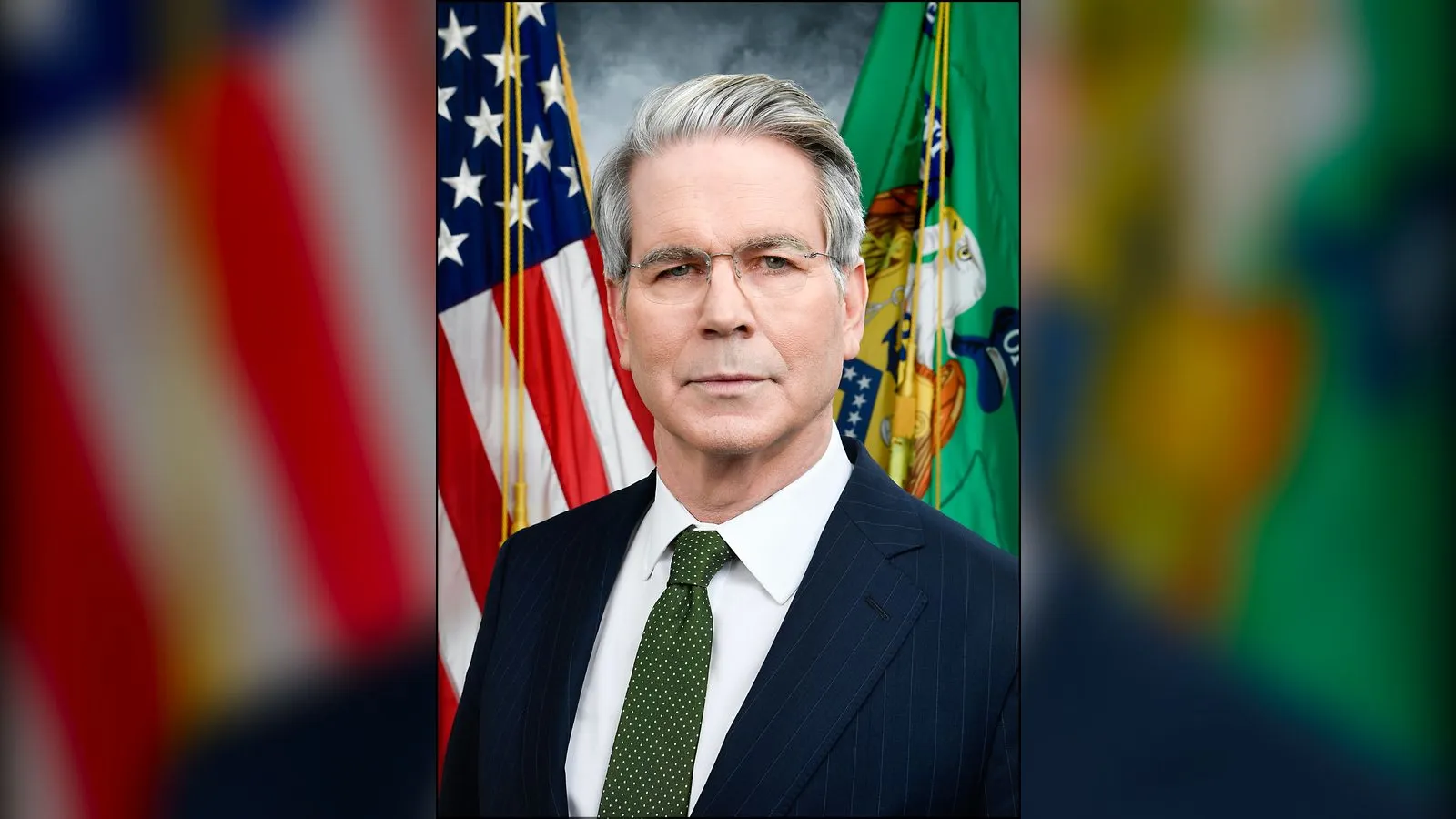
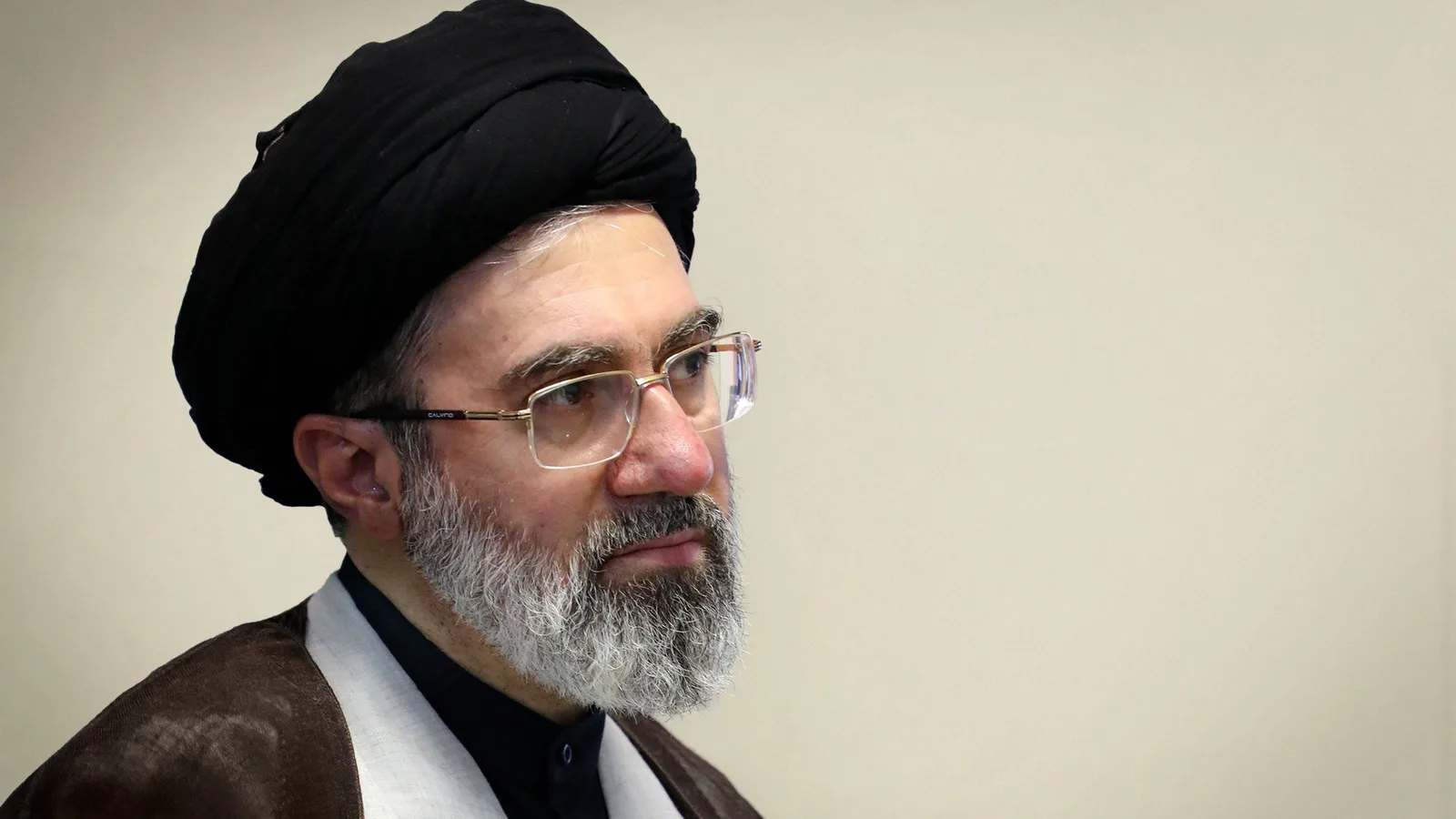
The new push follows a Wall Street Journal report on Wednesday that US Vice President JD Vance had written to Iran’s security chief, Mohsen Rezaei, to revive stalled negotiations. A senior Iranian official told the semi-official Fars news agency on Thursday that Tehran had received the message but not yet replied. President Donald Trump said Vance’s outreach was about helping Iran get medical supplies, and that he was not holding peace talks. Iran’s Tasnim news agency said Tehran wanted the US to meet its conditions and that “any position that contradicts this framework is unacceptable”.
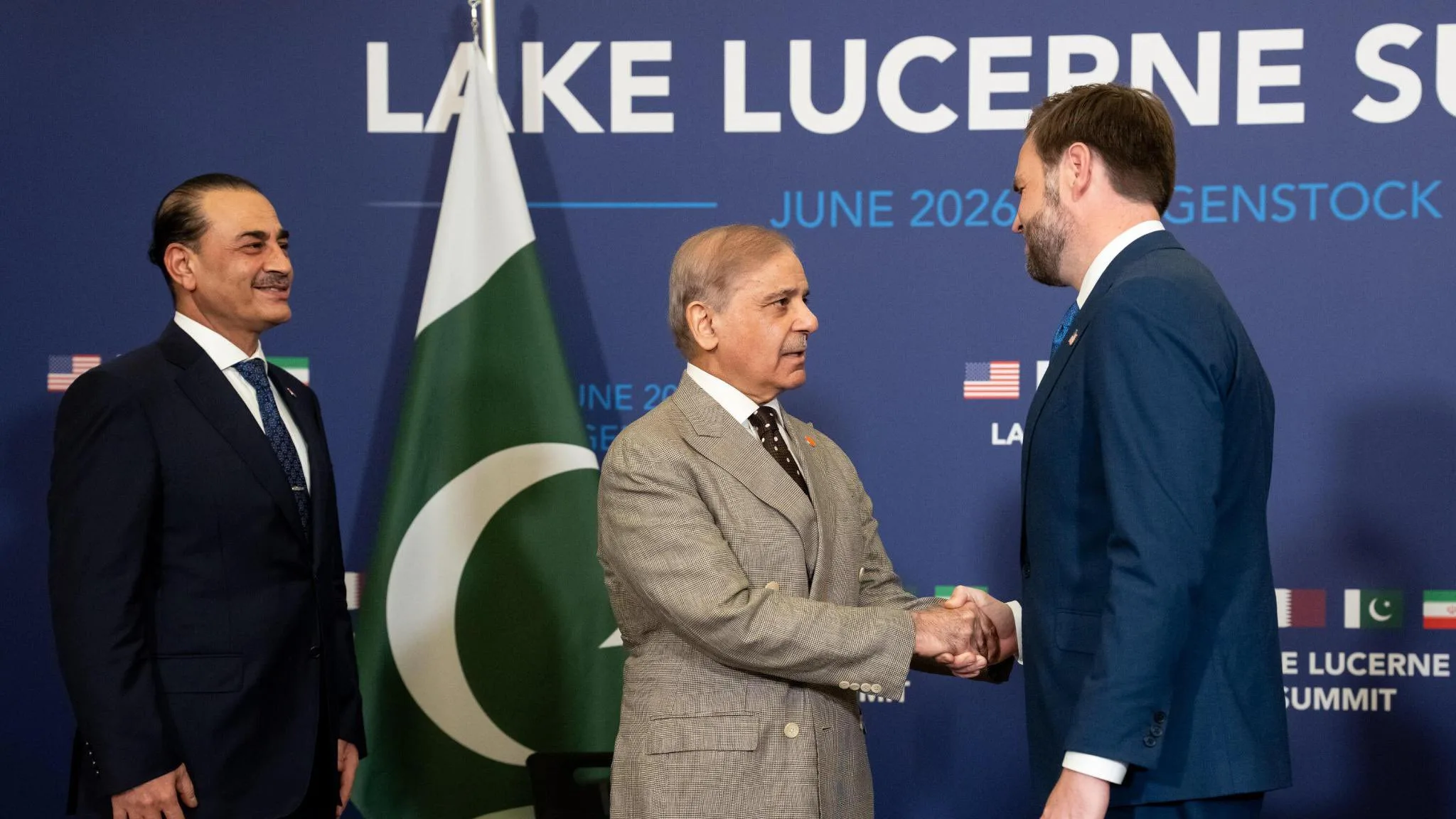
Qatar and Pakistan have led the mediation; our report on Iran’s reaction to Qatar’s new seven-day proposal has the details of the latest draft, and our earlier story on Field Marshal Asim Munir’s visit to Tehran covers Pakistan’s part.
Vance: no ‘forever war’
On Thursday Vance told Fox News that people worried about another “forever war” should not be: “Donald Trump is never going to let this be a forever war.” He drew a line between criticising foreign military misadventures and “saying that you can never ever use the American military”. Trump, he said, “is going to accomplish America’s objectives, and then we’re going to focus on the other things that we’re doing”.
Reports of US moves
The Israeli public broadcaster KAN reported on Thursday that the US had flown 10 military cargo planes to the Ovda and Nevatim air bases in Israel’s Negev region, with more planes sent to bases in Jordan, Saudi Arabia and Qatar. It said the planes came from Fort Bliss in Texas, which has air-defence facilities. The US has not confirmed this, and it is unclear what the aircraft carried. An Israeli official told KAN that Israel and the US were coordinating closely, and that “although no decision has yet been made”, they were “preparing for any decision President Donald Trump makes”. KAN also said US troops at regional bases had been told to leave as a precaution, and that an extra aircraft carrier and a Marine unit were due in November. These are reports from Israeli media, attributed to Israeli officials, and none has been confirmed by Washington.
Iran at the Security Council
At the UN Security Council, Iran’s representative, Gholamhossein Darzi, said the US and Israel were responsible for insecurity in the Persian Gulf and the Strait of Hormuz. According to Press TV, he called the US naval blockade “a flagrant violation” of Iran’s sovereignty and of Article 2(4) of the UN Charter, and said it threatened civilians’ access to food, medicine and fuel. He said the strait had been “entirely open and secure” until February 28, 2026, and that attempts to blame Iran were “unfounded”. Western states at the meeting had blamed Tehran for disruptions to shipping.
Separately, the UKMTO reported a tanker on fire in the strait after a small boat attached two explosive devices to its hull; the crew was safe. Our report on oil prices near $117 after the tanker attack has more on the market effect.
Why it matters
Two things are happening at once: mediators are shuttling between capitals, and the US and Israel are reported to be preparing for military action after the American midterms on November 3. Each side says it prefers a deal, yet each also says its terms must be met first, and the Iranian response to the Vance letter is not known. For Pakistan, which has stood as a mediator and which depends on Gulf oil and gas, a collapse of the talks would mean higher fuel costs. What to watch: Iran’s answer to Vance’s letter, whether the US confirms the aircraft movements, and whether the Qatari visit produces a date for the proposed seven-day sequence.
This article draws on reporting by The Express Tribune, Al Jazeera, KAN and Press TV.

Comments
Comments are reviewed by our editors before they appear. Please keep them civil and on topic. See our terms.
No comments yet. Be the first to share your view.