

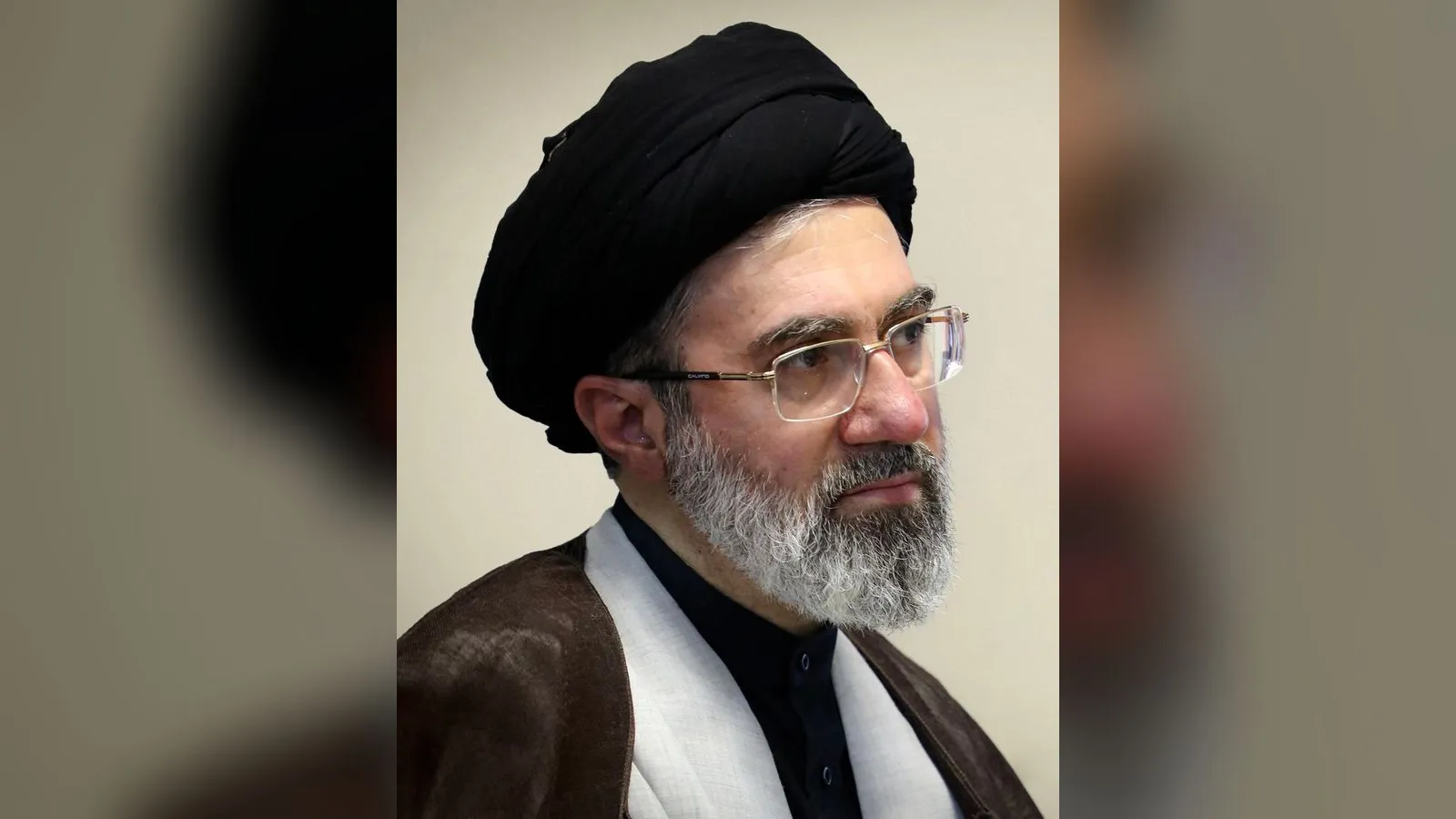
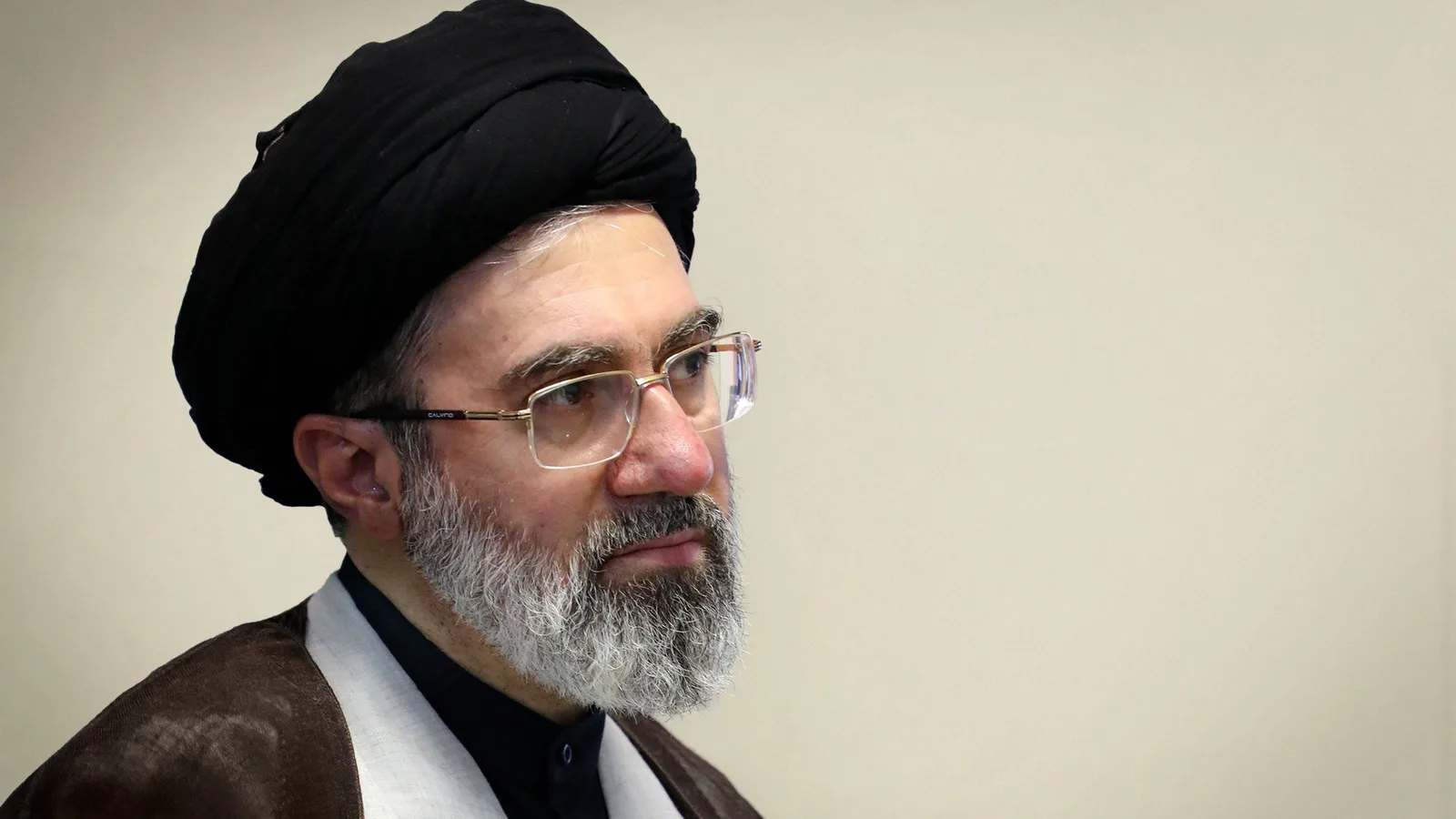
Iran’s supreme leader, Ayatollah Mojtaba Khamenei, said on Wednesday that anyone expecting a change in United States policy after the American midterm elections is “seriously mistaken”, and warned that the war would spread further if Washington resumed its attacks, according to AFP reports carried by Dawn.
What the supreme leader said
In a written statement posted on his website, a day after the midterms dealt a blow to President Donald Trump, Khamenei said: “Those who still harbour even the slightest hope that the behaviour of the hegemonic system might change through partisan or factional shifts, or who imagine that making concessions to the US can dissuade it from hostility towards the Iranian nation, are seriously mistaken.”
He also gave a warning on the scale of any new fighting: “Should such aggressions be repeated, its (the war) scope will become much wider.” Khamenei has not appeared in public since taking office in March, and the message was a written one. The statement is Iran’s own account of its position and has not been independently verified.
Threats from the Guards
An adviser to the commander-in-chief of the Islamic Revolutionary Guard Corps (IRGC), Mohammad Moghadamfar, went further, according to Anadolu and Iran’s Fars News Agency. “If they target our commanders and leaders this time, they should expect their own commanders and leaders to be killed,” he said. He added that Iran would adopt new methods in any renewed conflict and that its responses would “no longer be reciprocal or proportional”. The armed forces chief of staff, Major General Ali Abdollahi, told IRNA that Iran had become the world’s fourth-largest power by controlling the Strait of Hormuz, a claim we cannot verify.
Tehran’s message on diplomacy
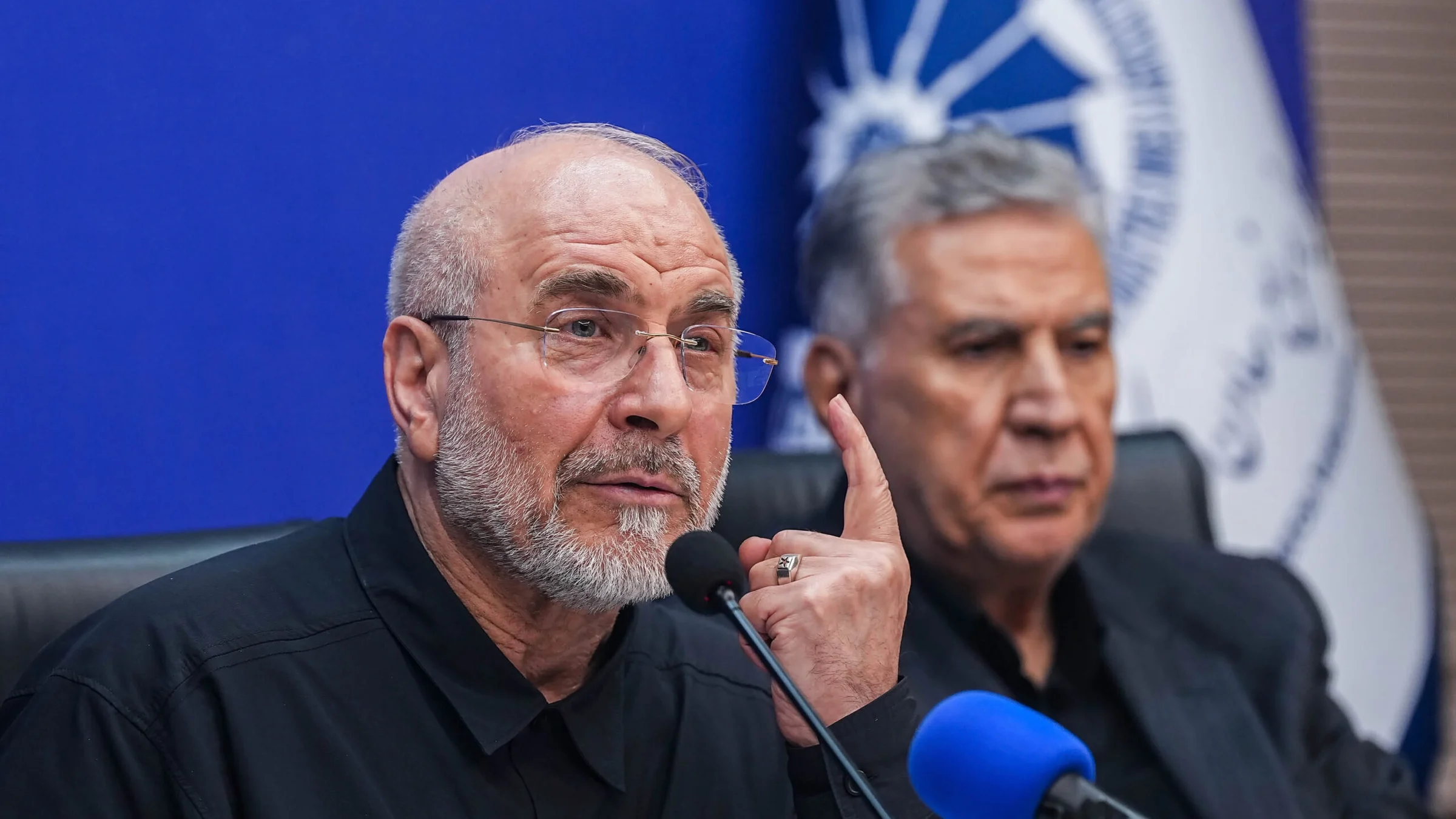
Not every message from Tehran closed the door. Deputy Foreign Minister Kazem Gharibabadi said Iran remained committed to diplomatic talks to end the war but was “ready for any scenario”, Iranian media reported. Parliament Speaker Mohammad Baqer Ghalibaf said Americans had voted “no to war” after the Republican losses in Congress. “Conscience or the cost of living, Americans said NO TO WAR, and we endorse this message,” he wrote on X, adding that a US decision to ignore the public’s will would bring a response he called a “Nightmare”.
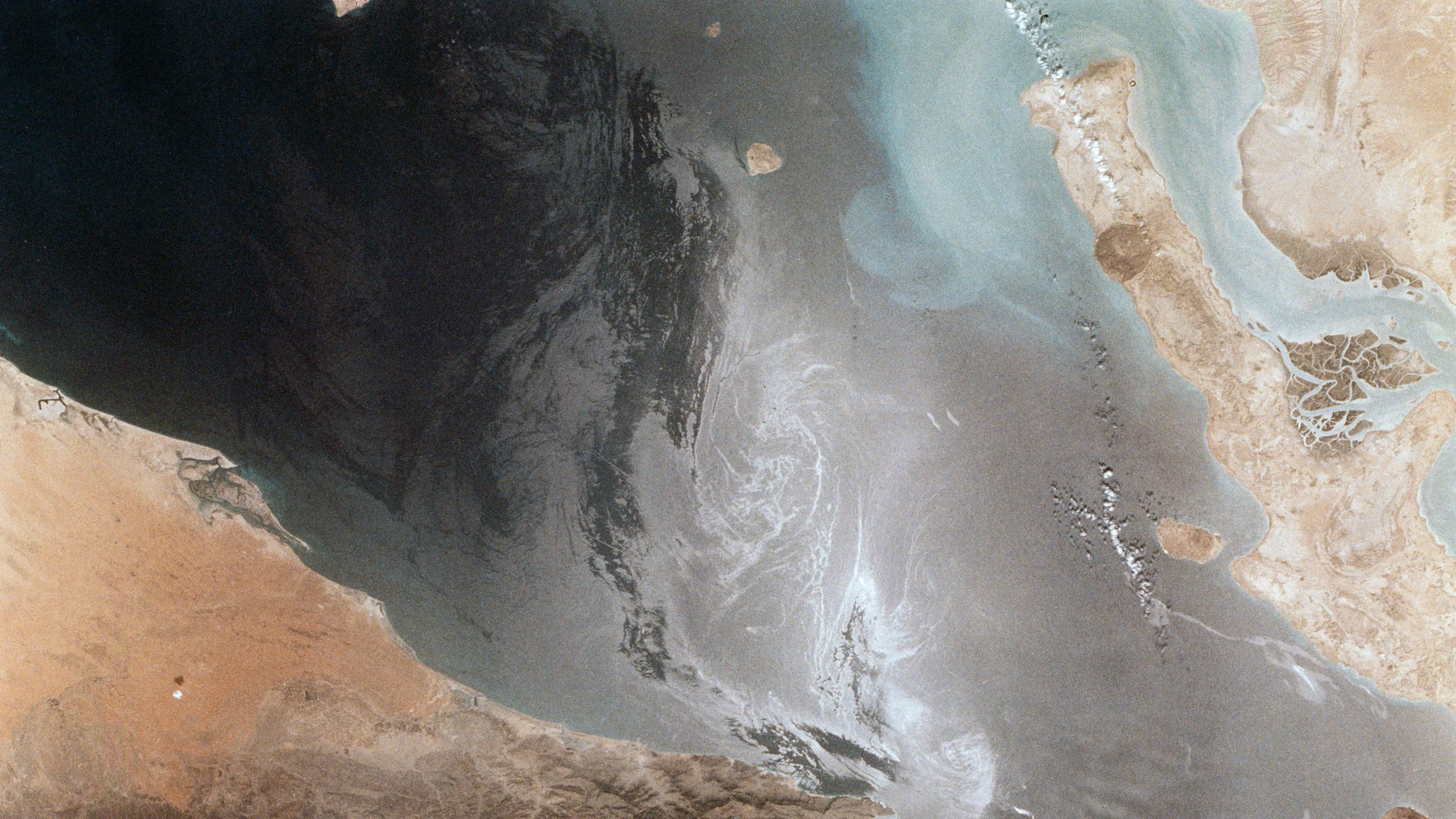
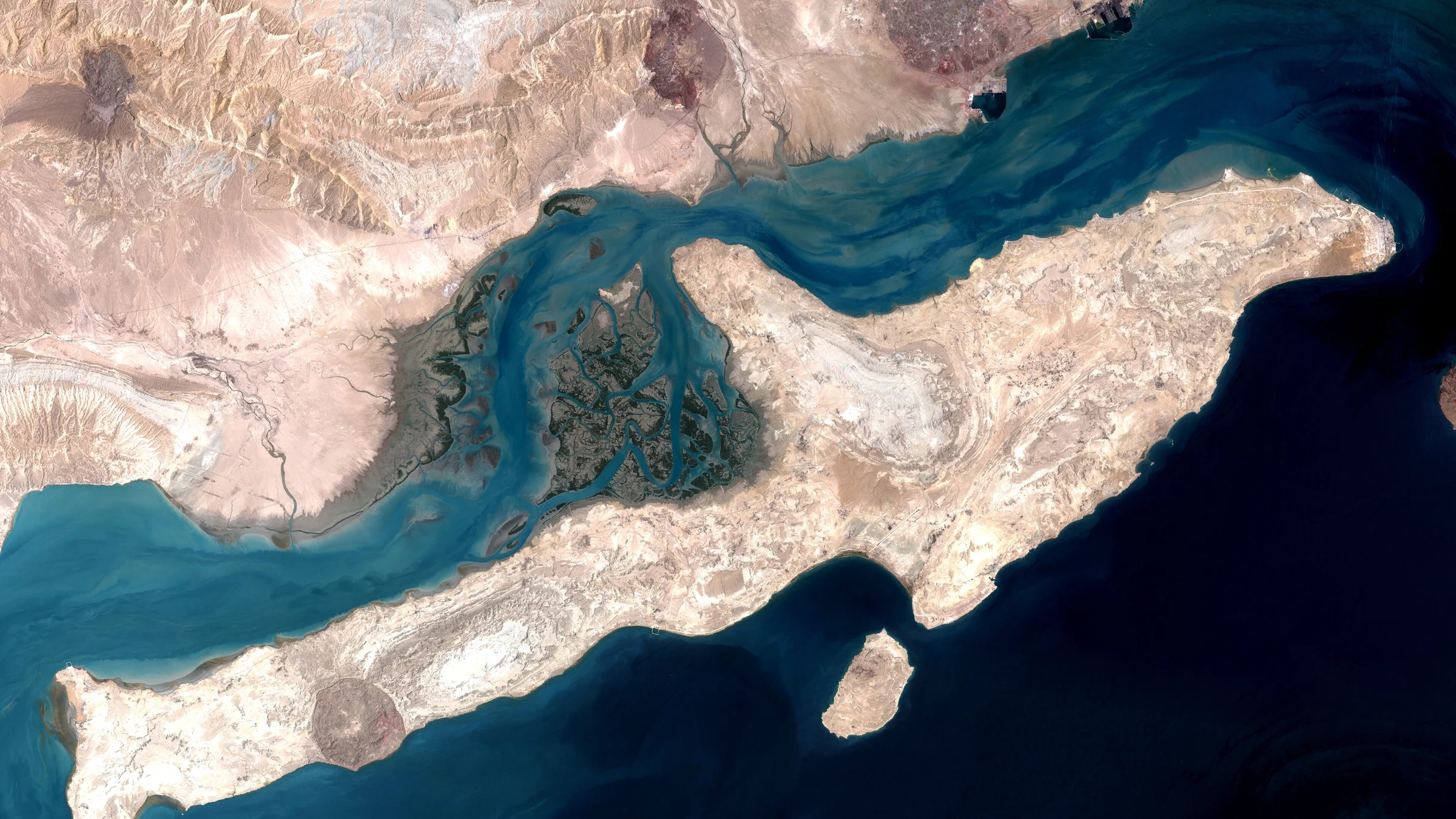
Trump told Fox News that the Iran war played a part in his party’s defeat: “I think a part of it was Iran, but at the same time, people understood the importance of what I’ve done with Iran.” Iran has also called the US reply to its seven conditions for reopening the Strait of Hormuz “unconvincing”, Al Jazeera reported, as Trump confirmed strikes on Iran’s Qeshm Island.
How the war got here
The conflict began on February 28, when the US and Israel launched joint strikes on Iran, according to Dawn’s timeline. Ayatollah Ali Khamenei was assassinated in those strikes, and his son Mojtaba took over as supreme leader. A two-week ceasefire was agreed on April 8, and Pakistan hosted the first face-to-face US-Iran talks in 47 years that month. Talks followed in Switzerland and Doha, but the US launched fresh strikes on July 8 after attacks on ships in Hormuz.
Why it matters
The supreme leader’s message cuts against a reading, held by many investors, that the Republican defeat could soften Washington’s line. Pakistan’s stock market rose on Wednesday on exactly that hope; see our report on the KSE-100 crossing 170,000. Trump has meanwhile said the US has no immediate plans to strike Iran, which leaves both sides publicly keeping the military option open while mediators work.
China said avoiding a return to hostilities is a “top priority”, and Prime Minister Shehbaz Sharif told his cabinet that Pakistan is continuing its efforts for peace; see our earlier report on Field Marshal Asim Munir’s visit to Tehran. Iran had already warned that a new war could last longer. What to watch is whether Qatar’s mediation produces a draft both sides accept, how Washington responds to the seven conditions on Hormuz, and whether the incoming Democratic Congress questions the cost of the war.
This article draws on reporting by Dawn, AFP, Anadolu, Reuters and Al Jazeera.
Comments
Comments are reviewed by our editors before they appear. Please keep them civil and on topic. See our terms.
No comments yet. Be the first to share your view.