

Qatar said on Tuesday that the United States and Iran remain committed to mediation and are reviewing proposals aimed at bridging their differences, even as Washington carried out strikes on an Iranian island and Tehran warned of a forceful response, according to Reuters, the BBC and The Express Tribune.
“Both parties remain committed to the negotiation process; as we mentioned, we are facilitating the real-time exchange of proposals between them,” Qatari foreign ministry spokesman Majed al-Ansari told reporters. “We remain hopeful that there is still a chance for a deal to set the environment for future negotiations.” The Qatari team that went to Tehran has returned to Doha, he said, and the “bridging” of gaps “is ongoing”, with “intensive joint regional efforts underway to avoid escalation”.
“The ball is in America’s court”
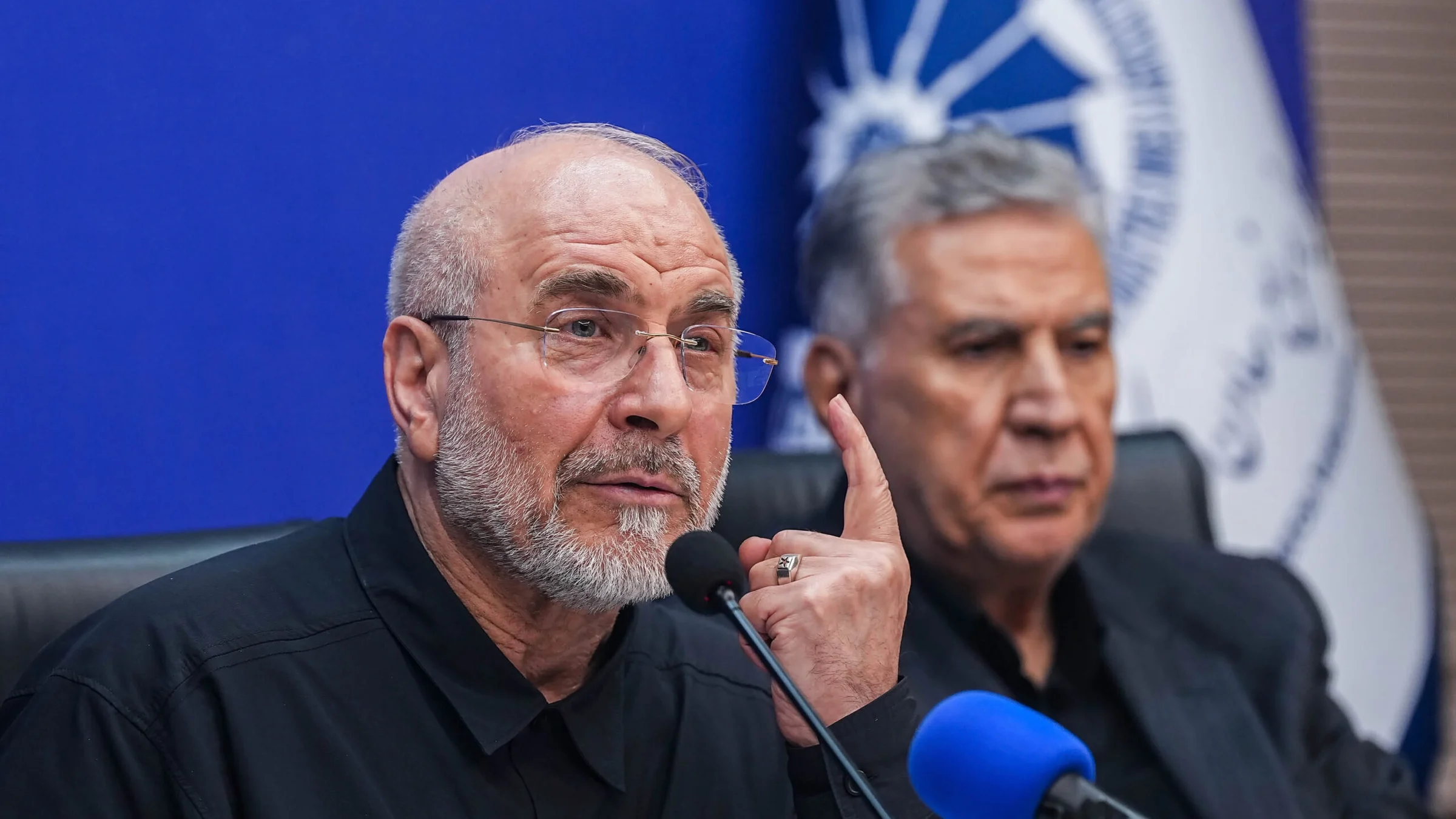
Iran’s chief negotiator, parliament speaker Mohammad Bagher Ghalibaf, said on Tuesday: “The ball is now in America’s court to prevent war.” “Just as the Islamic Republic of Iran stands ready for battle with its finger on the trigger, it has also given the American side a powerful and rational response,” he said in a televised speech. It was not clear what the response contained.
A senior Iranian official told Reuters that Iran and the US remain far from a deal and that Tehran would not accept Washington’s “excessive demands”. “Tehran’s conditions must be met if the US wants Hormuz reopened,” the official said, adding that nuclear talks could start only afterwards. Foreign Minister Abbas Araghchi told Iranian media that “very intensive” talks were under way through Qatari and Pakistani mediators, and that Iran was prepared for both diplomatic and military scenarios “more than ever before”. Pakistan’s role has been central since last month, as in our report on Araghchi’s talks through Pakistan and Qatar.
What Trump has said
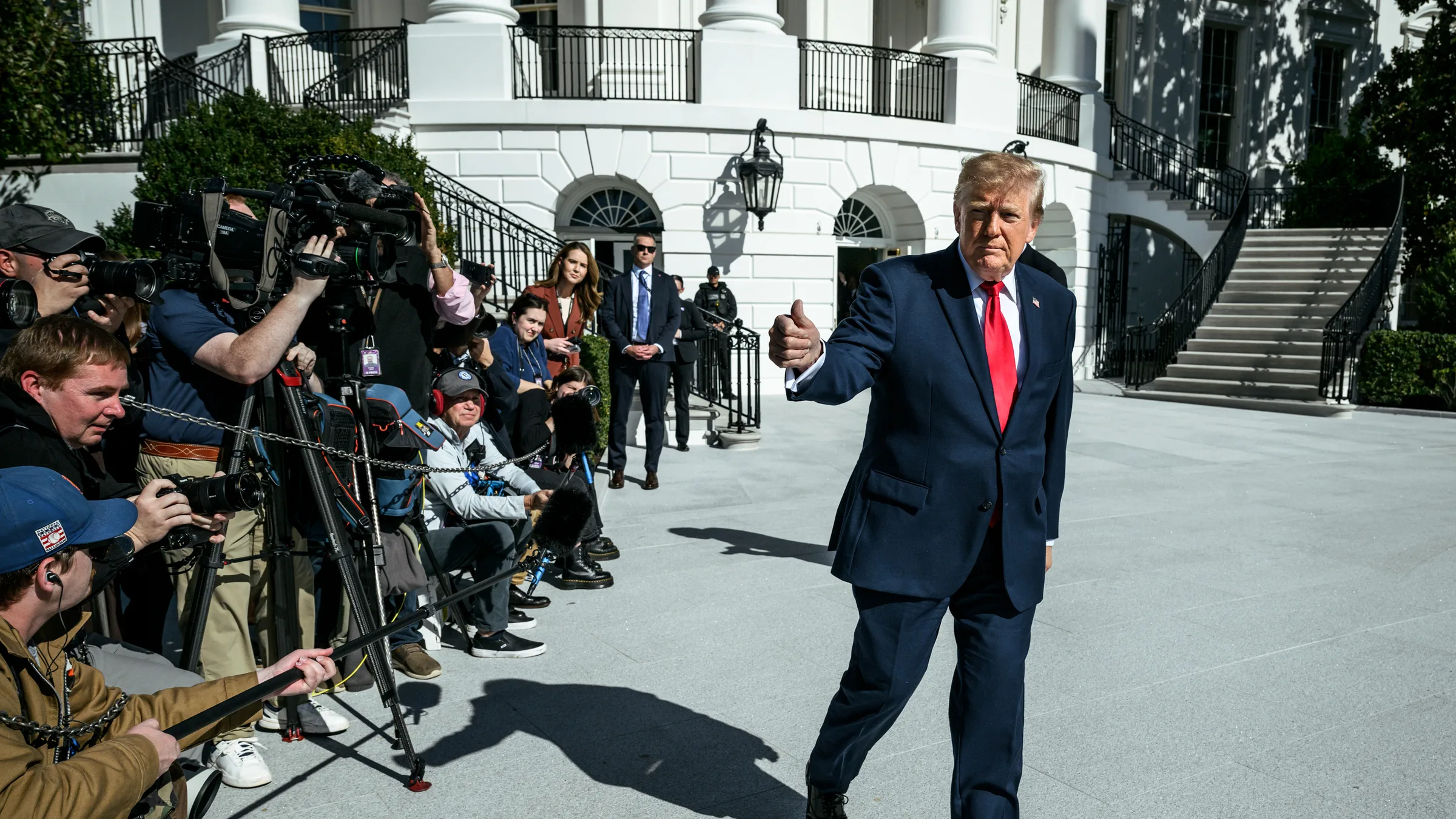
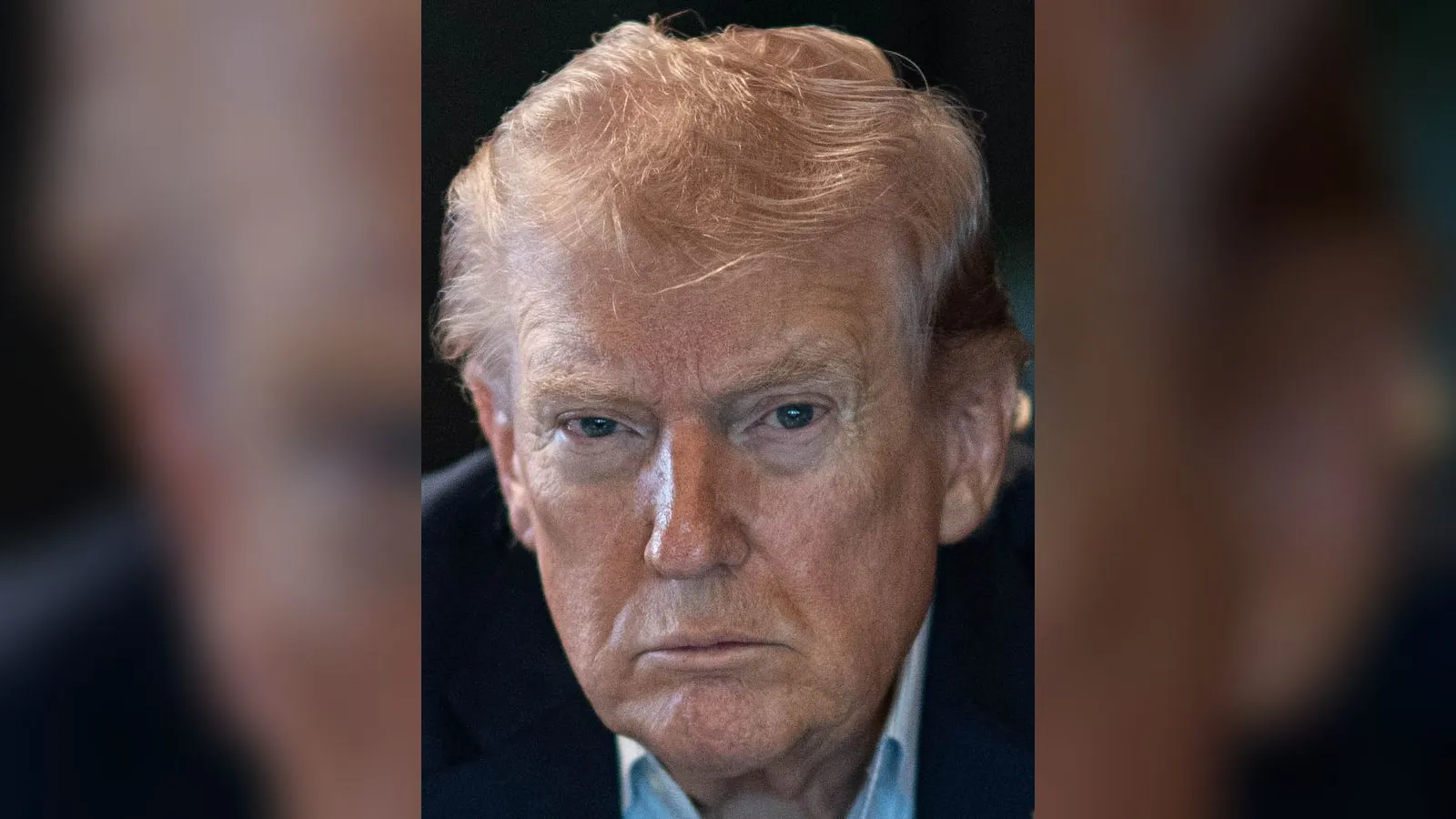
President Donald Trump said on Monday he was in “no rush” to ramp up strikes on Iran. “One way or the other, we will do something, but there is no rush. We crippled them financially,” he told Axios. “They have no money, no gasoline and their people are getting very tired of it.” In a Fox News interview he said the US “might need to go after Pickaxe [Mountain]”, an underground site linked to Iran’s nuclear programme, calling it “not a big deal” and something that could be done in “one hour”. Asked whether the US would resume significant strikes after the midterms, he said “no”, though he has also said a deal “could happen”.
The Associated Press, citing two regional officials, reported that Israeli Prime Minister Benjamin Netanyahu pushed Trump in a weekend phone call for another wave of strikes after the election. That fits the pattern in the Axios account we covered in Trump may strike Iran if Republicans do badly.
Why a deal has been hard
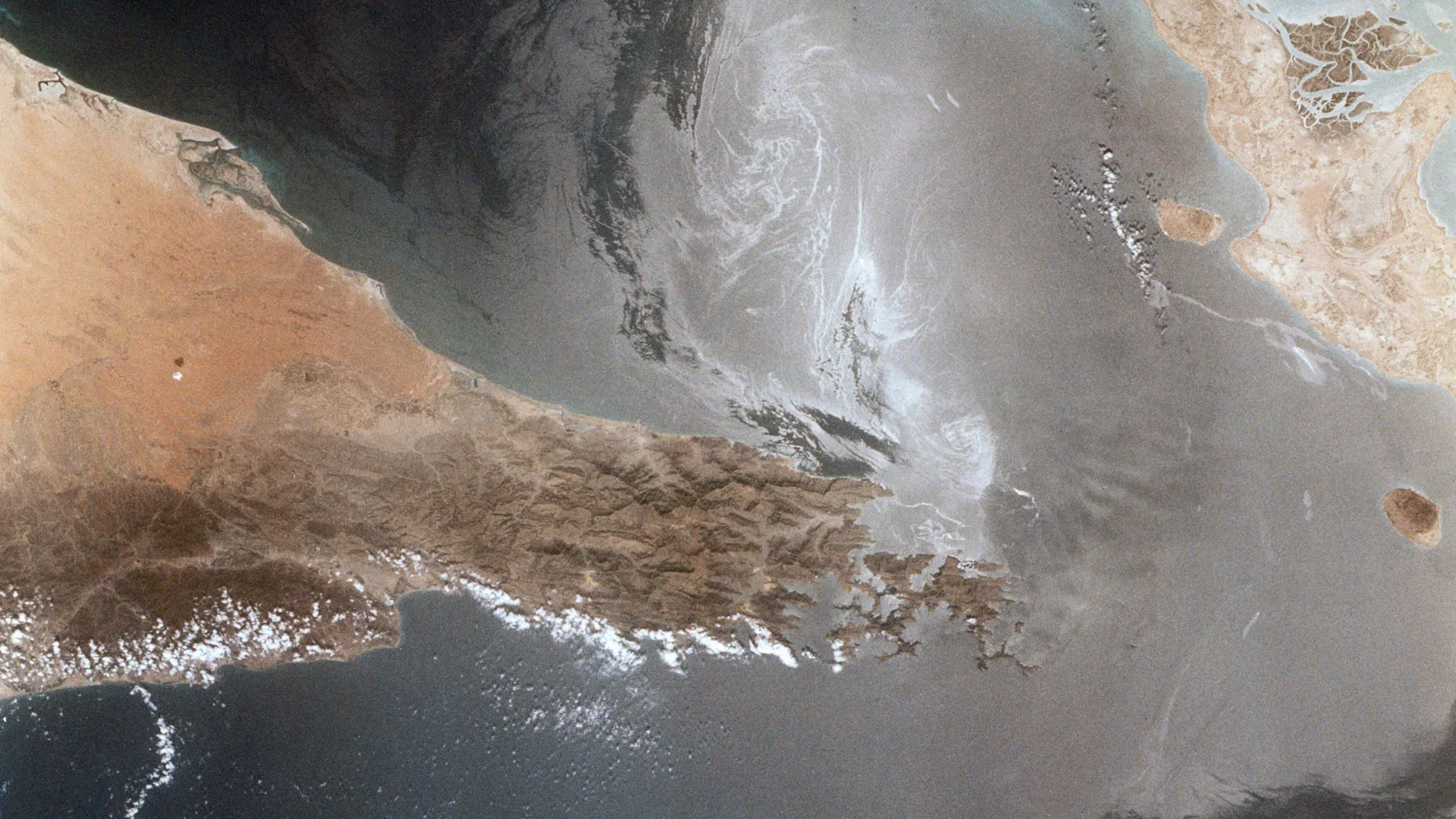
Last week Iranian negotiators discussed with mediators a proposal to reopen the Strait of Hormuz within two days once the US met seven conditions, which reportedly include lifting the naval blockade of Iranian ports and releasing frozen Iranian assets. The strait, through which a fifth of the world’s oil and gas usually passes, was effectively closed after the war began because of Iranian attacks on ships and the US blockade.
The BBC notes that the two sides reached a preliminary agreement in June to end the war and reopen the strait, but it collapsed within weeks after Iranian attacks on shipping resumed and the US reinstated its blockade. Iran insists on keeping some control of the waterway, and has targeted ships using a southern route through Omani waters that avoids its preferred route through Iranian waters. The US military has been protecting tankers moving Gulf exports.
What we know, and what we don’t
- Known: Qatar says both sides are exchanging proposals, and Iran and the US have each said they are in contact through mediators.
- Known: the June deal collapsed within weeks, which is why both sides treat any new text with caution.
- Unknown: what Iran’s “response” contains, and what the US has offered.
- Unknown: whether Trump will order action after the vote, given his mixed statements.
Why it matters
The talks are being carried by Qatar and Pakistan, and their outcome affects fuel prices, shipping and security from the Gulf to South Asia. Both sides are speaking of peace and of force at the same time, which makes each incident in the strait, like the one in our report on the Qeshm strike, a possible turning point. The next days, as US votes are counted, will show whether the exchange of proposals becomes a text both sides can sign.
This article draws on reporting by BBC News, The Express Tribune and Dawn, citing Reuters, AP and AFP.
Comments
Comments are reviewed by our editors before they appear. Please keep them civil and on topic. See our terms.
No comments yet. Be the first to share your view.