

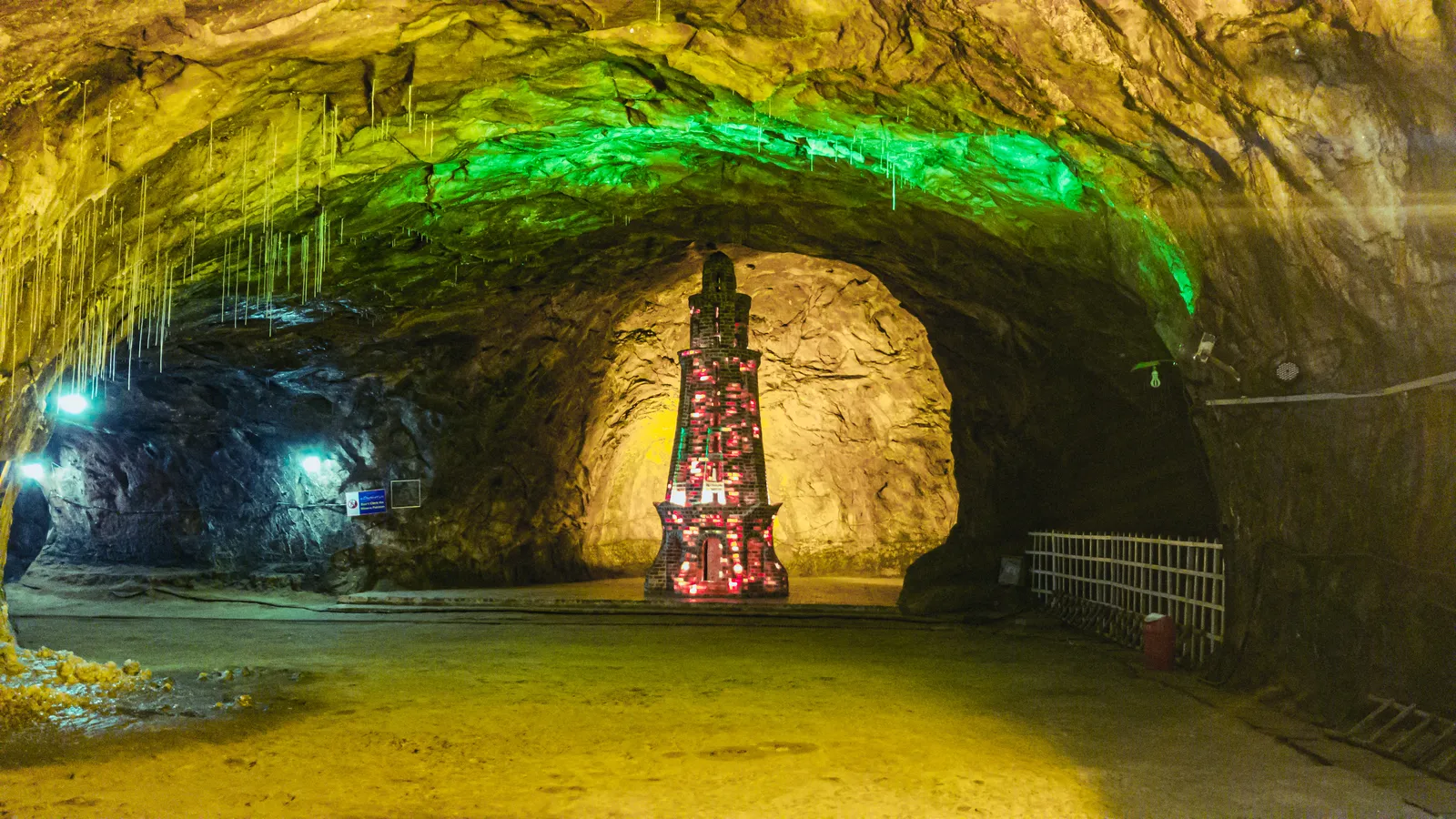
Pakistan used the opening of its Minerals Investment Forum in Islamabad to make one pitch to the world: it has copper, gold, coal, salt and iron ore, and it promises rules that do not change. On Friday, the second day, Petroleum Minister Ali Pervaiz Malik told investors that exploration is increasingly focused on minerals of strategic importance to global buyers.
The event, known as PMIF26, is run by the state-owned company OGDCL (Oil and Gas Development Company Limited). On Thursday, according to OGDCL as quoted by Dawn, it drew more than 5,000 attendees, 122 exhibitors and delegations from 60 countries.
What the federal government offered
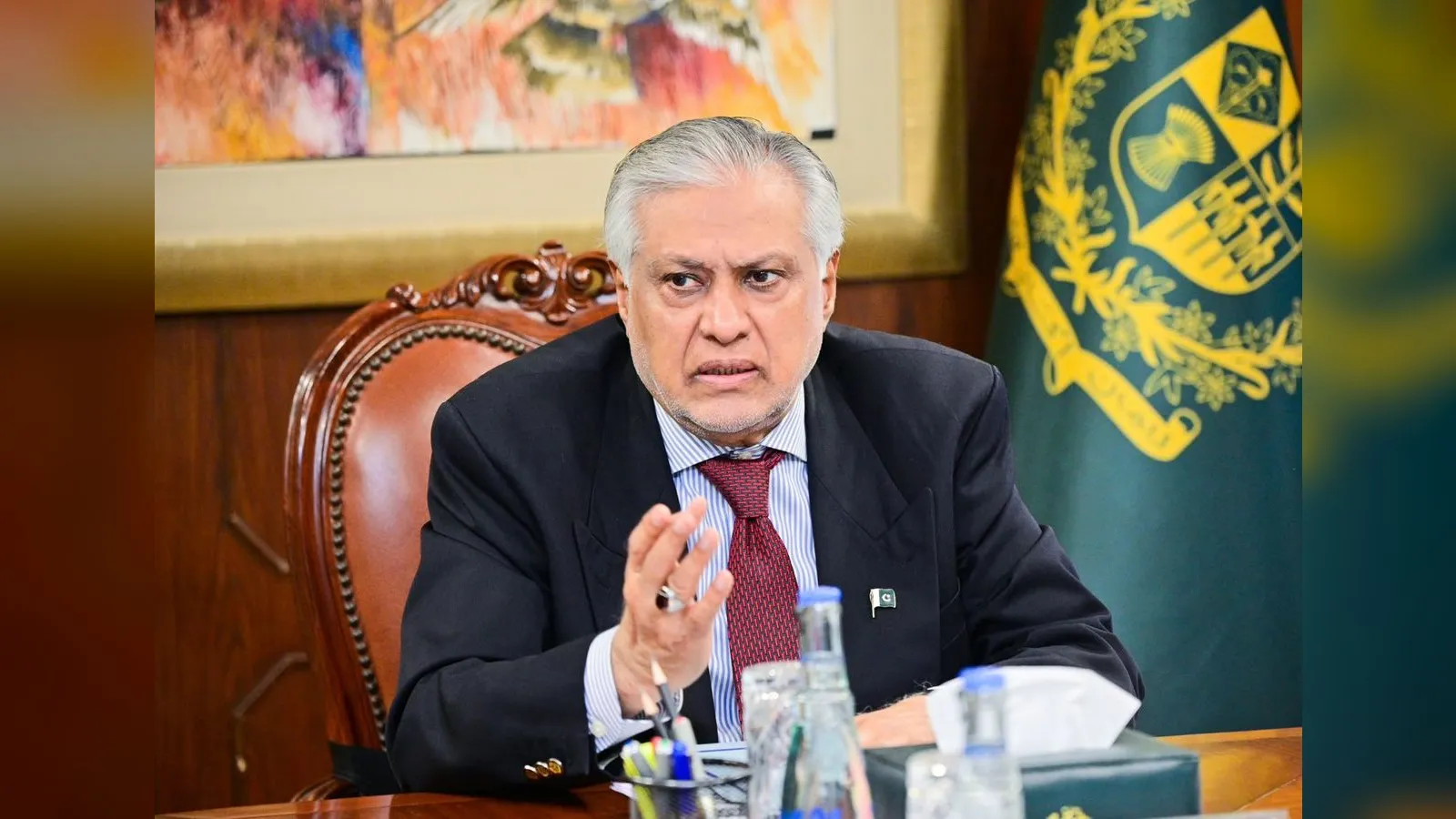
Ishaq Dar, who is deputy prime minister and foreign minister, said minerals are now a strategic priority for the economy and promised stable policies and support from state institutions. He spoke of the copper and gold prospects of the Tethyan belt and held up Balochistan’s Reko Diq copper-gold project as a model that mixes foreign expertise, national participation and provincial ownership.
Finance Minister Muhammad Aurangzeb gave the economic case. He listed a budget deficit at its lowest in 22 years, primary surpluses three years running and $21.5bn in reserves, which he said covers over three months of imports. He also noted recent credit rating upgrades and investors’ freedom to send profits and dividends home. His warning was that holding on to these gains will need structural reforms and growth driven by exports.
Petroleum Secretary Hamed Yaqoob Sheikh announced the launch of a National Mineral Data Centre, a GSP Geoportal and an Agreement Exchange. The aim, he said, is better access to geological data and easier co-operation. On Friday Malik said exploration is being backed by geochemical and geophysical surveys, exploratory drilling and upgraded geoscience laboratories.
How the provinces compared
Leaders of every province and region spoke in a session on provincial potential. These are the headline claims each made:
| Province or region | What it offered | What it admitted or left open |
|---|---|---|
| Punjab | Mines department revenue up fourfold, from Rs10bn to Rs40bn, in a little over two years; financing of up to Rs5bn with the province paying the interest; concessional land leases; Chiniot iron ore estimated at 261.5 million tonnes | Placer gold in its rivers is still being surveyed to find out how much there is |
| Sindh | 27 minerals identified; Thar coal as the main asset; open auctions for concessions; one-stop investor portal | No new production or revenue figures were reported |
| Balochistan | Chief Minister Sarfraz Bugti told investors they would be safe | No project figures reported |
| Khyber Pakhtunkhwa | Governor Faisal Karim Kundi promised security and one-window facilitation | No project figures reported |
| Azad Jammu and Kashmir | Gemstones such as ruby and topaz, plus granite, coal and bauxite; wants firms skilled in high-altitude mining | Aligning its mining law with national rules is still under way |
| Gilgit-Baltistan | Precious minerals, metals, cut stone and placer gold; an online licence portal | Chief Minister Amjad Hussain said poor connectivity and energy shortages remain major obstacles |
All of the figures are claims made by the speakers at the forum and have not been independently verified.
Background: security and politics sit under the pitch
Two of the provinces courting investors, Balochistan and Khyber Pakhtunkhwa, also carry most of the country’s militant violence, according to the PICSS monthly counts. Balochistan’s chief minister promised a secure environment on the same week the military described operations against militants in the province, and in KP, where an emergency and governor’s rule have been in force since October 11, ten policemen died in an attack after an operation against illegal gold mining near Kohat. JUI-F chief Maulana Fazlur Rehman has argued that governor’s rule in KP is about minerals, not terrorism. That is his claim, and the government has presented the measure as a response to security threats.
Why it matters
For an ordinary Pakistani, the question is who benefits when a mine opens. Dar said the provinces would take a bigger part in making sure mining brings local jobs, training and infrastructure. That is the right test, and it is a measurable one: hiring figures, royalties paid to the province and money spent in the nearest district.
Two gaps stand out. Investors will want a clear answer on security before they commit money. And the Gilgit-Baltistan admission, that licences can be applied for online but the roads and electricity are not there, shows that a portal is not a mine.
None of the reports we read mentions signed deals so far. The next thing to watch is whether any memorandums of understanding or auctions with dates are announced before the forum closes, and whether the national data centre publishes its first maps.
Comments
Comments are reviewed by our editors before they appear. Please keep them civil and on topic. See our terms.
No comments yet. Be the first to share your view.