

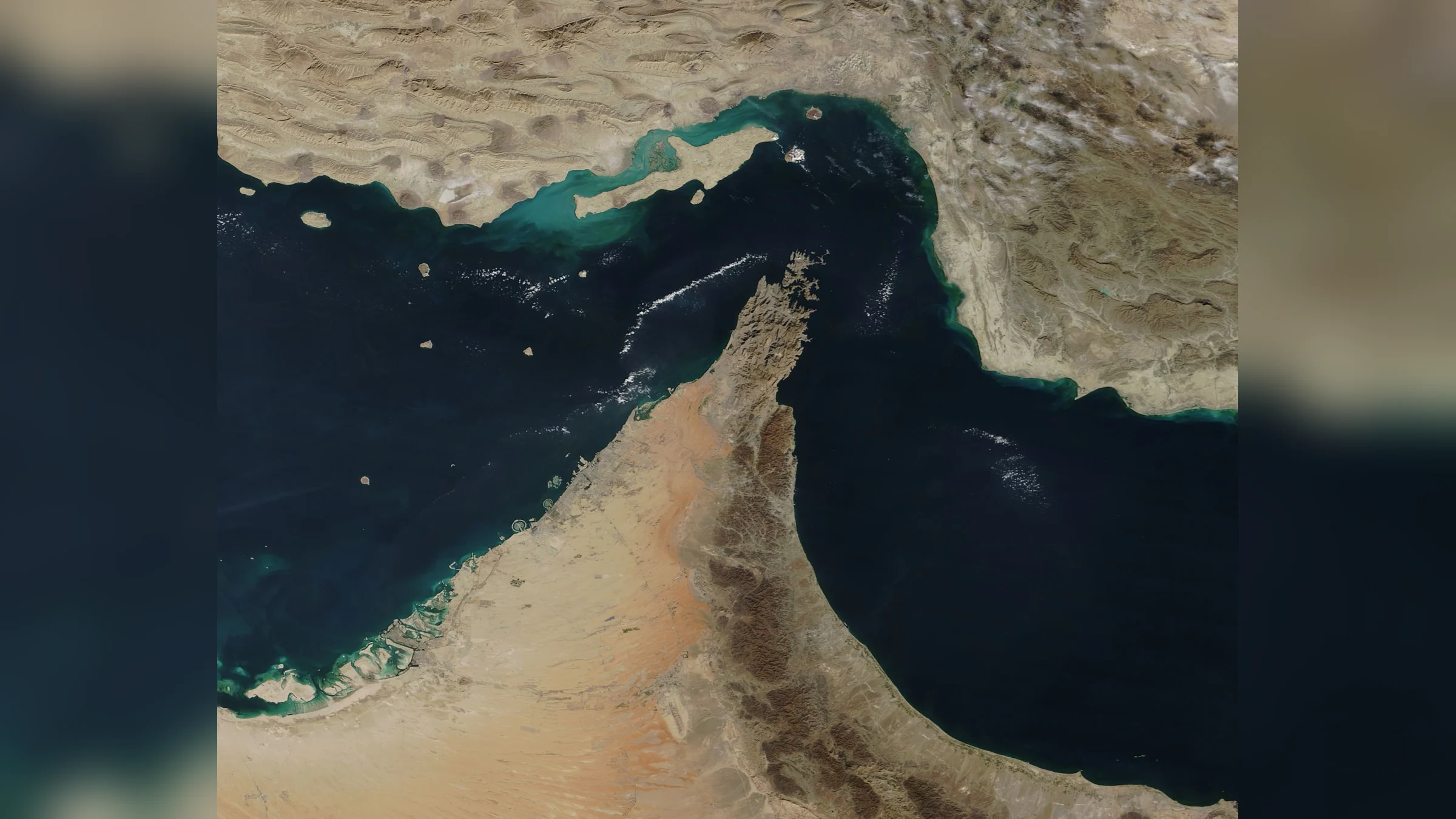
Three oil tankers struck mines and caught fire in the Strait of Hormuz on Tuesday after entering unauthorised shipping lanes with their navigation and identification systems switched off, Iran’s Revolutionary Guards Navy said, according to the semi-official Tasnim news agency, as reported by The Express Tribune.
The vessels were left burning off the southern coast of the strait, the IRGC Navy said. It warned ships against ignoring Iranian regulations and against cooperating with the US military to pass through unauthorised routes.
What is claimed, and what is not known
The statement comes from one party to the conflict. The reports we have seen do not name the tankers or their flags, say where exactly they were hit, or give any information about crew casualties or damage. Independent maritime monitors had not confirmed the incident in those reports, and the US military has not commented on it. We therefore carry the account as Iran’s claim and will update if shipping authorities or the owners respond.
Oil prices rose by about $1 on Tuesday, having fallen more than 7 per cent the day before on hopes that diplomacy was progressing, Reuters reported. That mirrors a market that is trading on every headline from the strait, as we saw in our report on oil falling after Trump ruled out an attack before the midterms.
The fight over the lanes
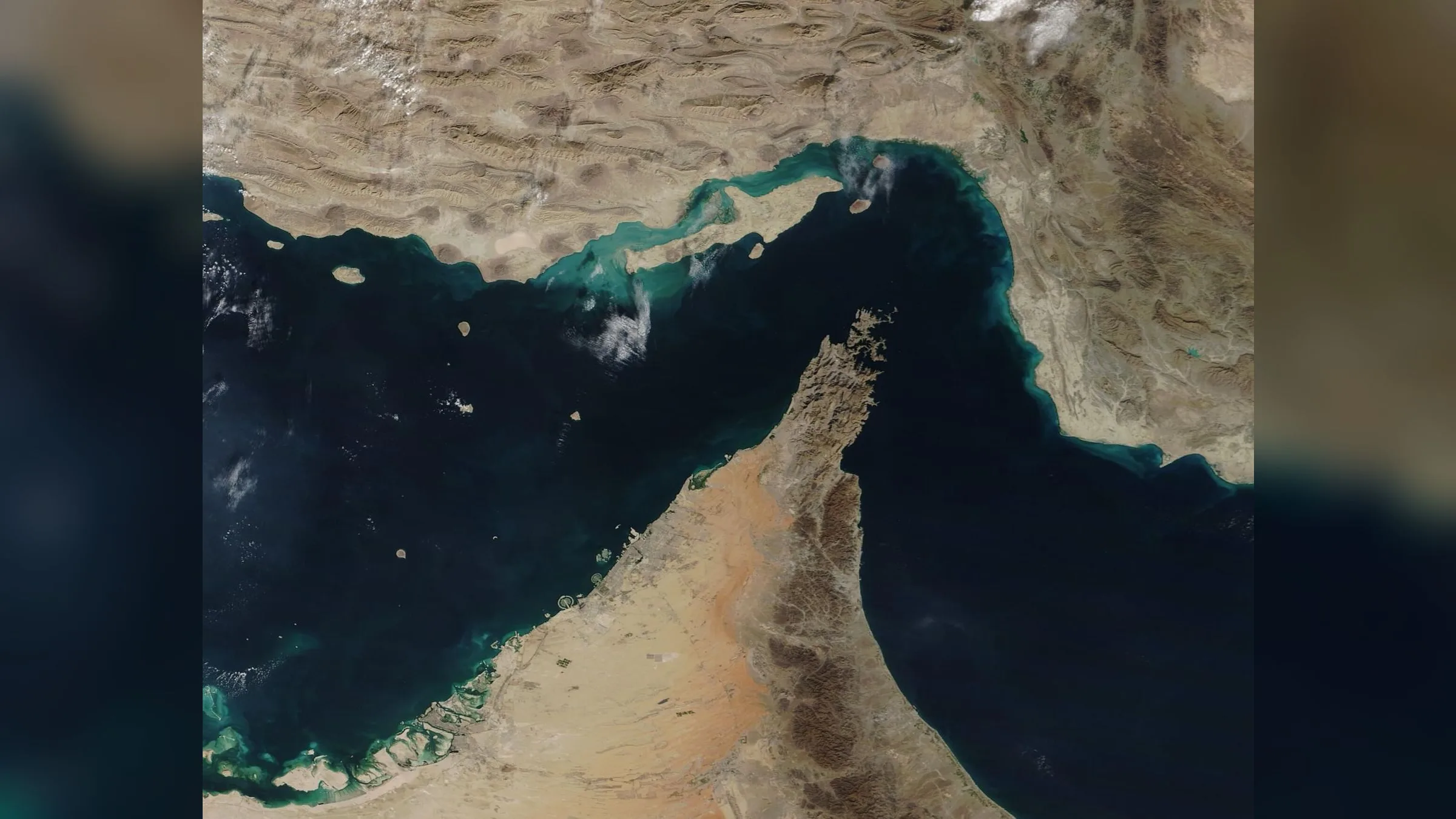
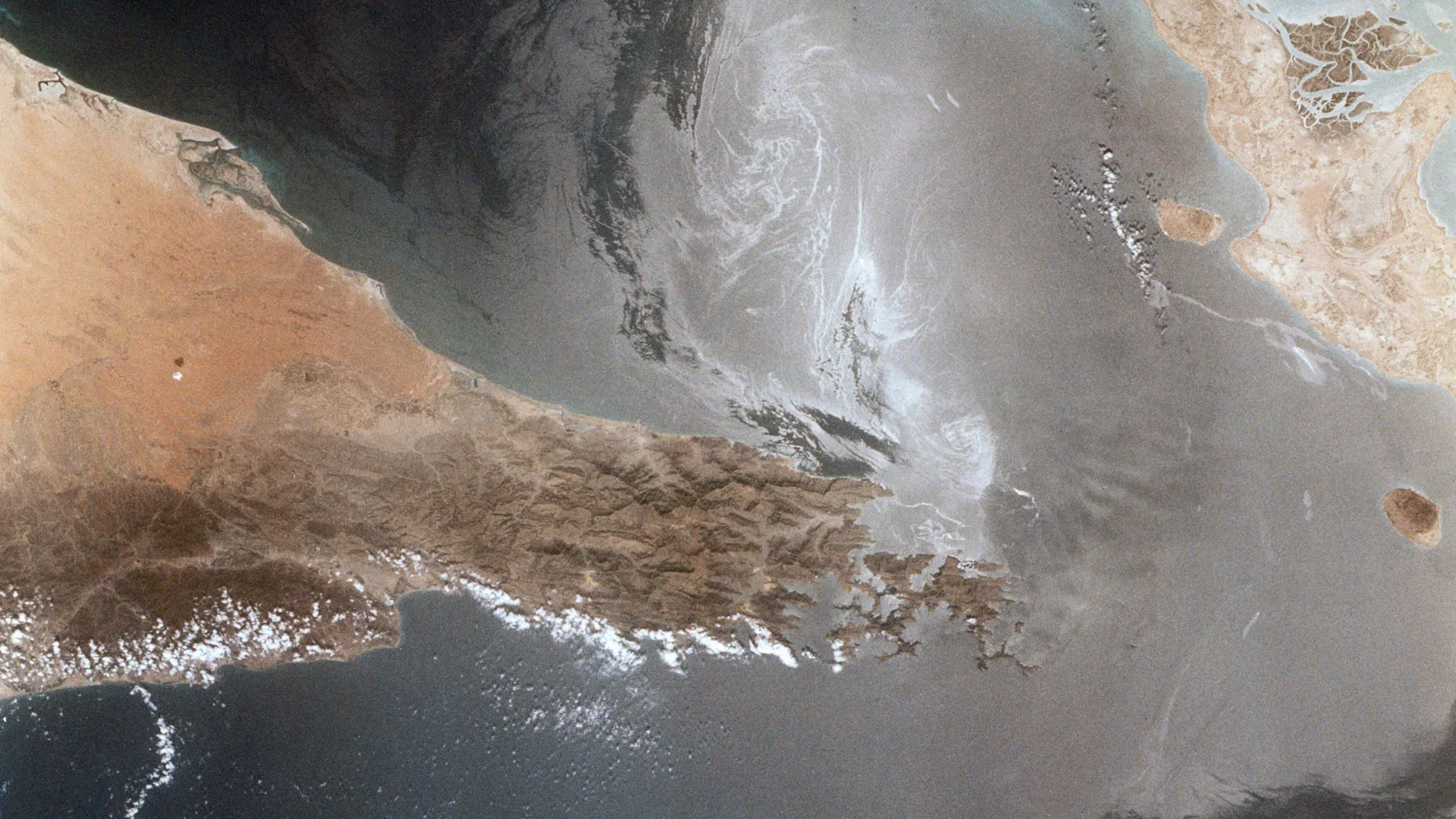
The strait, through which about a fifth of the world’s oil and gas shipments usually pass, was effectively closed after the war began in late February because of Iranian missile and drone attacks on commercial ships and a US naval blockade of Iranian ports, according to the BBC. The dispute now centres on which route ships take. Iran insists it will not give up some control of the waterway and has targeted vessels using a southern route through Omani waters that avoids its preferred route through Iranian waters. To keep exports flowing from Gulf Arab states, the US military has been protecting tankers moving through the strait.
Iran’s own proposal, discussed last week with mediators, is that it would reopen the strait within two days if the US meets seven conditions, including lifting the blockade, and it has also spoken of a new Iran-Oman transit route. We described those terms in our report on Iran’s seven-day plan. A deal reached in June collapsed within weeks after attacks on shipping resumed.
A pattern of incidents
Attacks on shipping have been a feature of the war. A Qatari liquefied natural gas tanker was struck by unidentified objects in the Gulf last Friday, its operator Nakilat said, and attacks on LNG carriers have been rare. The latest report of mines is a different method, since mines can stay in the water after a ship has passed, and any confirmed use would add to the risk for every vessel in the area, not only those the IRGC names.
What we know, and what we don’t
- Known: the IRGC Navy, via Tasnim, says three tankers hit mines and caught fire in the strait.
- Known: the strait is the site of a dispute over lanes between Iran and the US, with both sides trying to control commercial traffic.
- Unknown: the tankers’ identities, whether anyone was hurt, and whether the incident happened as Iran describes.
- Unknown: how the US and the shipping industry will respond, and whether the incident affects the mediation under way.
Why it matters
If confirmed, three tankers on fire in the world’s most important oil channel would raise insurance costs and push up prices, and it would be a new test for the US effort to escort ships. It also comes at the same time as Qatar says the US and Iran are reviewing proposals, as in our report on the talks, so an incident at sea can either harden positions or press both sides to settle the lanes. For Pakistan, which imports most of its fuel by sea from the Gulf, the strait’s safety is a direct economic matter.
This article draws on reporting by The Express Tribune, citing Tasnim, Reuters and the BBC.
Comments
Comments are reviewed by our editors before they appear. Please keep them civil and on topic. See our terms.
No comments yet. Be the first to share your view.