
Prime Minister Shehbaz Sharif told investors on Friday that copper and gold production at Reko Diq is expected to begin in 2028 and that Pakistan will stop shipping its minerals abroad in raw form. Field Marshal Asim Munir, who holds the posts of Chief of Defence Forces and Chief of Army Staff, spoke at the same forum in Islamabad and said every possible step is being taken to protect the whole mining ecosystem.
The speeches on the second day gave the clearest picture yet of what the government is offering. A mining company also reported drilling results from Balochistan’s Chagai district.
What the prime minister promised
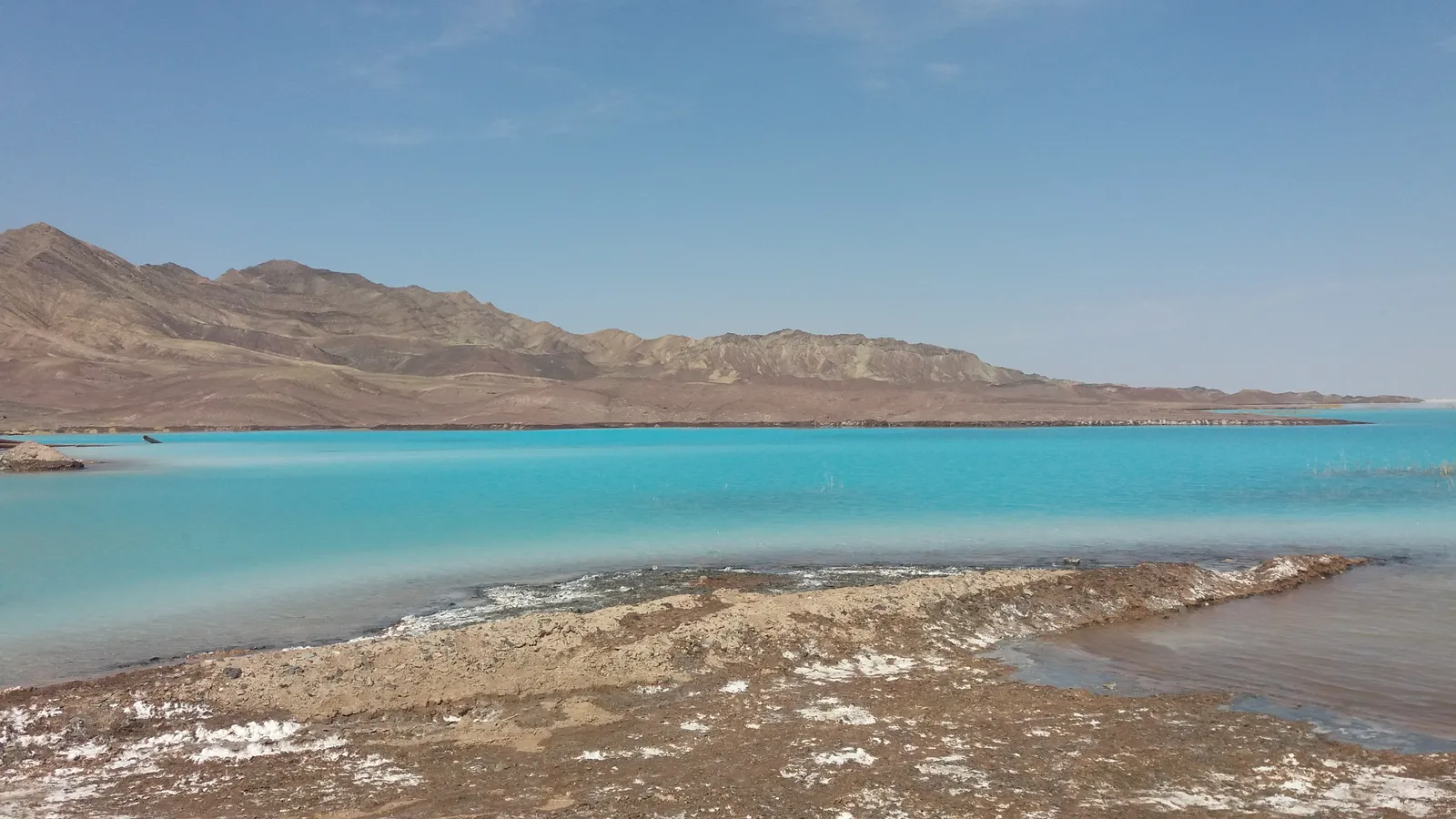
Mr Shehbaz said Reko Diq, on the Tethyan copper belt, would start producing after having stalled for about two decades. He repeated a pledge he made at last year’s forum to end raw exports, saying that day “is not far away”. He wants Reko Diq and every project on the belt to add refineries, smelters and cable and conductor factories, and he asked investors to mine, process and manufacture in Pakistan before exporting.
On how investors will be treated, he said:
- procedures are being simplified and licence and contract awards made transparent;
- digital records and the National Minerals Data Centre should let investors see what lies under the ground before they commit money;
- each ministry and department has been told to name a responsible contact person with the authority to resolve problems; and
- if a file is stuck, investors can “bring it straight to me”.
He called the safety of people, assets and supply routes the government’s “paramount responsibility”. He also said reliable power, water, roads, rail and communications, and the cooperation of local communities, are needed for investment to work, and that benefits must reach the people living nearest to mines: jobs, schools, clinics and clean drinking water.
Mr Shehbaz also said that Goldman Sachs had projected Pakistan would become the world’s sixth-largest economy by 2075, and said he would “make a small amendment” to say it would happen “earlier than 2050”. That is the prime minister’s own hope, not a forecast.
What the army chief said
According to Radio Pakistan, Field Marshal Munir said Pakistan wants to be a competitive home for long-term mineral investment, and that mines, miners, investments, industries and projects will get adequate protection. He called the use of mineral wealth a shared national aim and said the goal is a full value chain, with refining and manufacturing, not just exports of ore. Communities in mineral-rich areas, he said, should see real improvements in their lives, and the country must go “from potential to productivity”.
The Chagai drilling results
National Resources Limited (NRL), a joint venture of Fatima Fertiliser, Liberty Mills and Lucky Cement, said on Friday that nearly 25,000 metres of drilling had found copper and gold at eight sites in Chagai district. Its chairman, Muhammad Ali Tabba, gave these figures to the forum:
| Item | Reported figure |
|---|---|
| Drilling | Nearly 25,000 metres |
| Sites with copper-gold | Eight |
| Best single drill hole | 295 metres at 0.43% copper and 0.13 g/t gold |
| Higher-grade section inside it | 132 metres at 0.83% copper |
| Area at Darigwan | 5.6 square kilometres, next to the earlier Tang Kaur find |
NRL holds five exploration licences in Balochistan: two for copper-gold, one for lead-zinc and two for antimony. It plans environmental, water, metallurgical and geotechnical studies from 2027, with a feasibility study that banks could rely on due by around 2030. It repeated an existing commitment of $100 million to exploration.
NRL said a preliminary resource estimate has been prepared by an independent consultant, but it is not releasing it until it meets international reporting rules. It is also working with LUMS, the Lahore University of Management Sciences, on an artificial intelligence model to speed up exploration.
Why it matters
A drill result is not a mine. A grade such as 0.43 per cent copper shows that rock contains metal, and further work is needed to show how much, at what cost and whether it can be sold at a profit. NRL itself says the size of the deposit is still to be established, and that is why its figures should be read as early-stage exploration.
The bigger test is delivery. The prime minister’s promise of a point of contact for every investor, and the army chief’s pledge of protection, are the right things to say. They also set a measurable standard: how many projects move from licence to drilling, and how fast. Our earlier report compares what each province offered at the forum.
What to watch: whether NRL publishes its first resource estimate under international standards, whether Reko Diq’s 2028 date holds, and whether the “no raw exports” promise comes with a date and a rule.
Comments
Comments are reviewed by our editors before they appear. Please keep them civil and on topic. See our terms.
No comments yet. Be the first to share your view.