

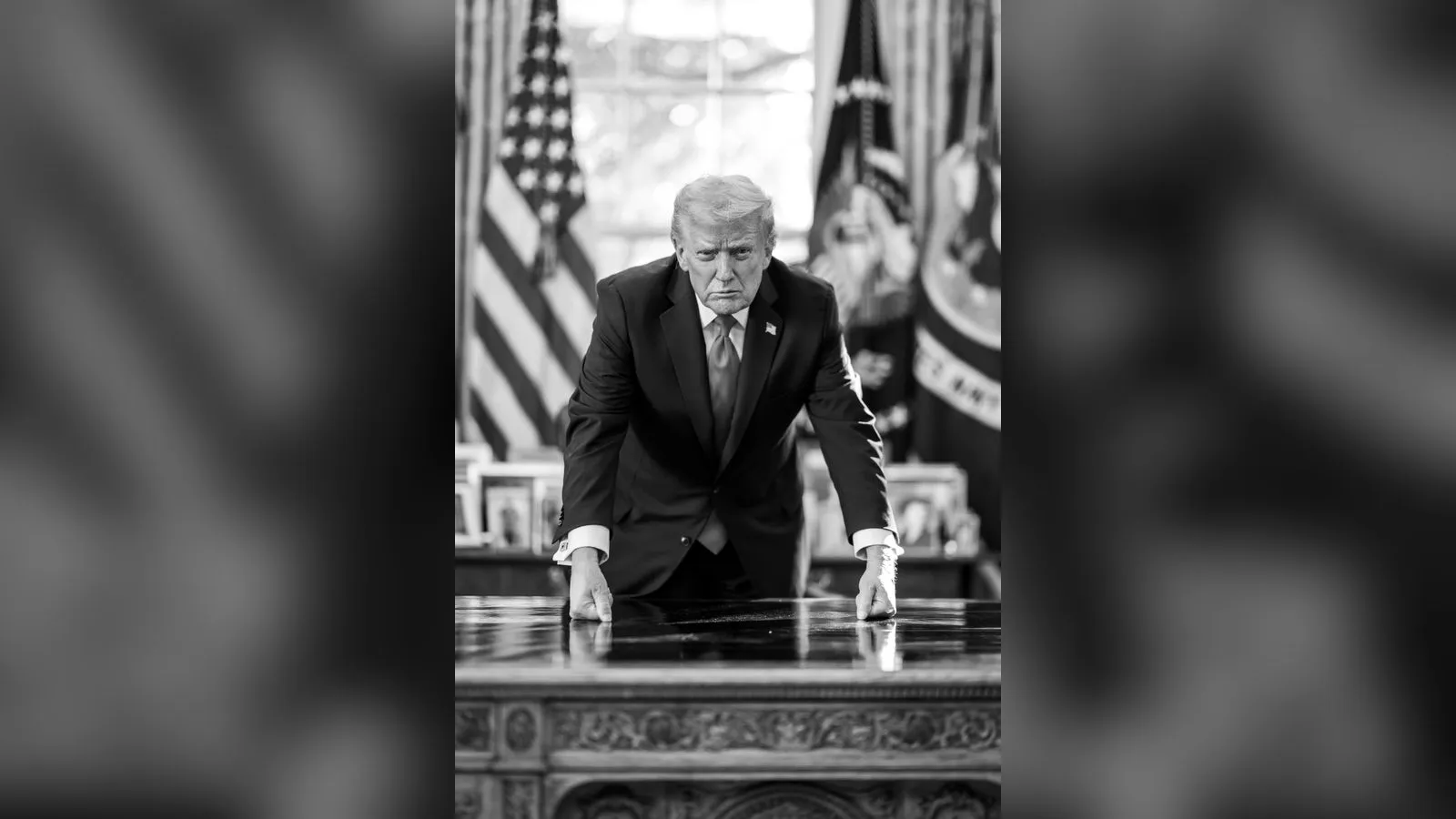
US President Donald Trump said on Thursday that he may have to “destroy the rest” of Iran and that the world would “know soon enough” what he decides. Speaking to reporters in the Oval Office, he left open whether a new round of strikes is coming, on the day Iran’s Revolutionary Guards claimed to have shot down two more American drones.
What Trump said
He said Washington would now decide whether to “go further”. “I would rather not destroy the rest of the country, if possible, but maybe I’ll have to. And you’ll know soon enough,” he said.
Trump said he thinks Iran would need 25 years to rebuild after the US-Israeli war on the country, which began in February and has not been settled. Asked about reports that Iran had sent a proposal on the future of its nuclear programme to the US through mediators, and whether Washington was involved, he said: “They’re not doing anything without our approval.”
The president’s words are his own account of his plans. No decision was announced, and the remarks were made after a week in which his party lost control of Congress and said, in his own words to one US broadcaster, that the Iran war was part of the reason.
Iran’s claim on drones
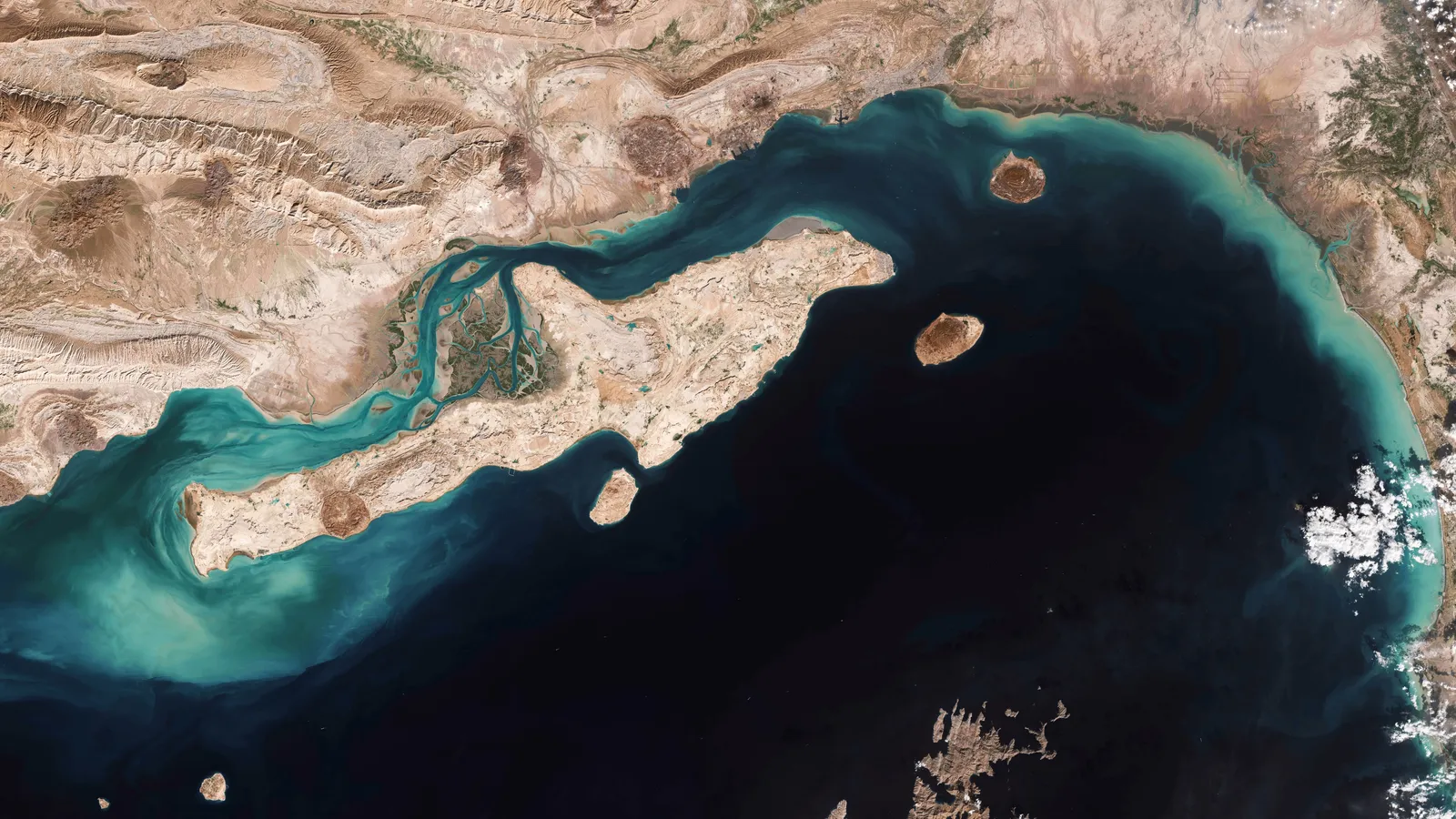
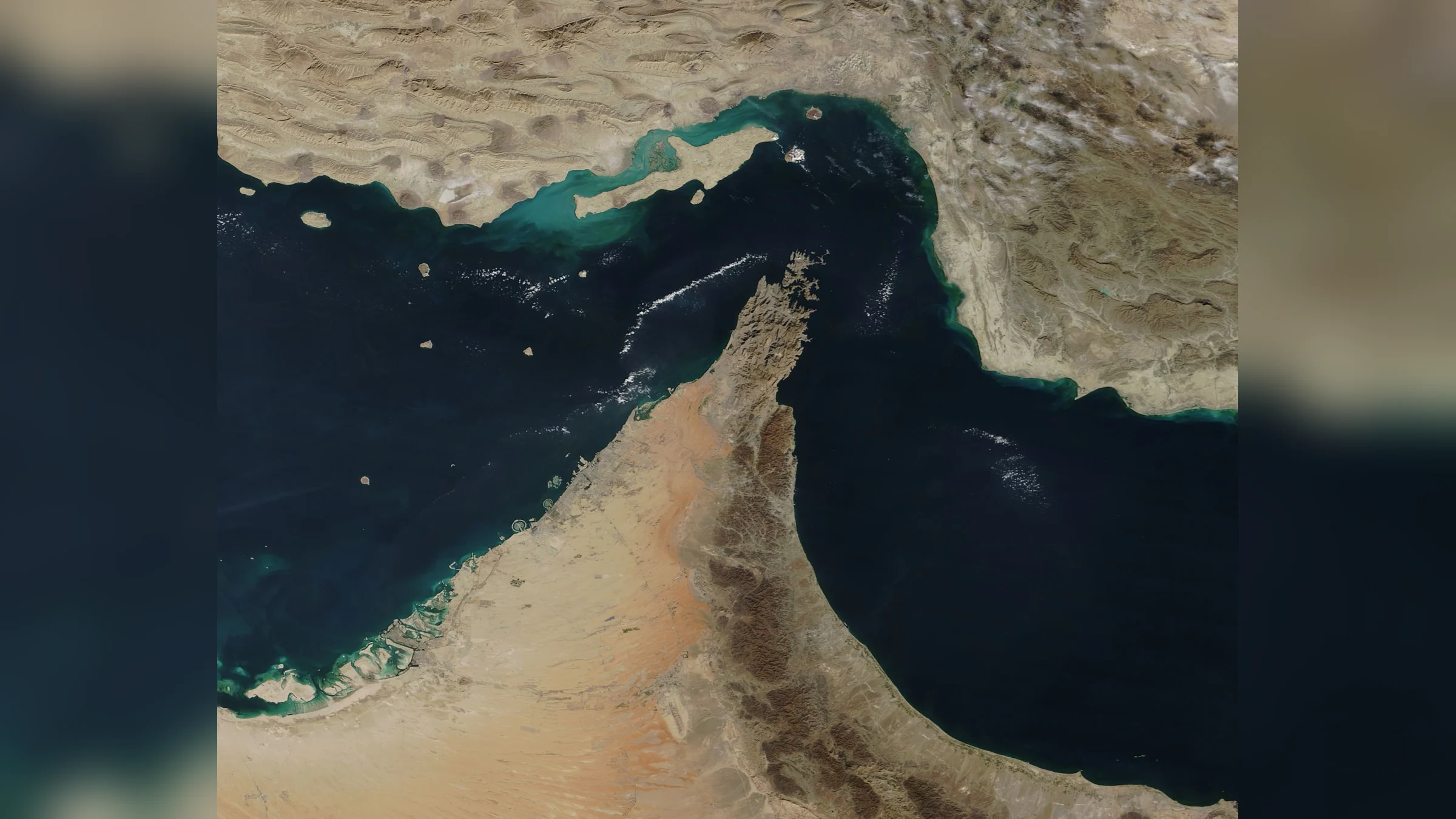
Separately, Iran’s Islamic Revolutionary Guard Corps (IRGC) said on Thursday that its aerospace force had brought down two US MQM-170 reconnaissance drones over Qeshm Island in the Strait of Hormuz using electronic warfare systems, according to the Iranian state news agency IRNA. That takes the number of MQM-170 drones it says it has downed to six; it had earlier claimed four. The statements gave no further details, and we have not seen independent confirmation or a US comment on either incident in the reports we reviewed.
Diplomacy alongside the threats
Pakistan has been trying to keep the diplomatic channel open. Foreign Minister Ishaq Dar and Iran’s foreign minister, Abbas Araghchi, have discussed regional developments and stressed the need for sustained diplomatic engagement amid the US-Iran conflict, as we reported earlier. That fits Islamabad’s public position that talks should continue even while fighting does; it is also the argument in the statement the UN Security Council adopted the same day at Pakistan’s initiative, which we cover in a separate report.
How the war got here
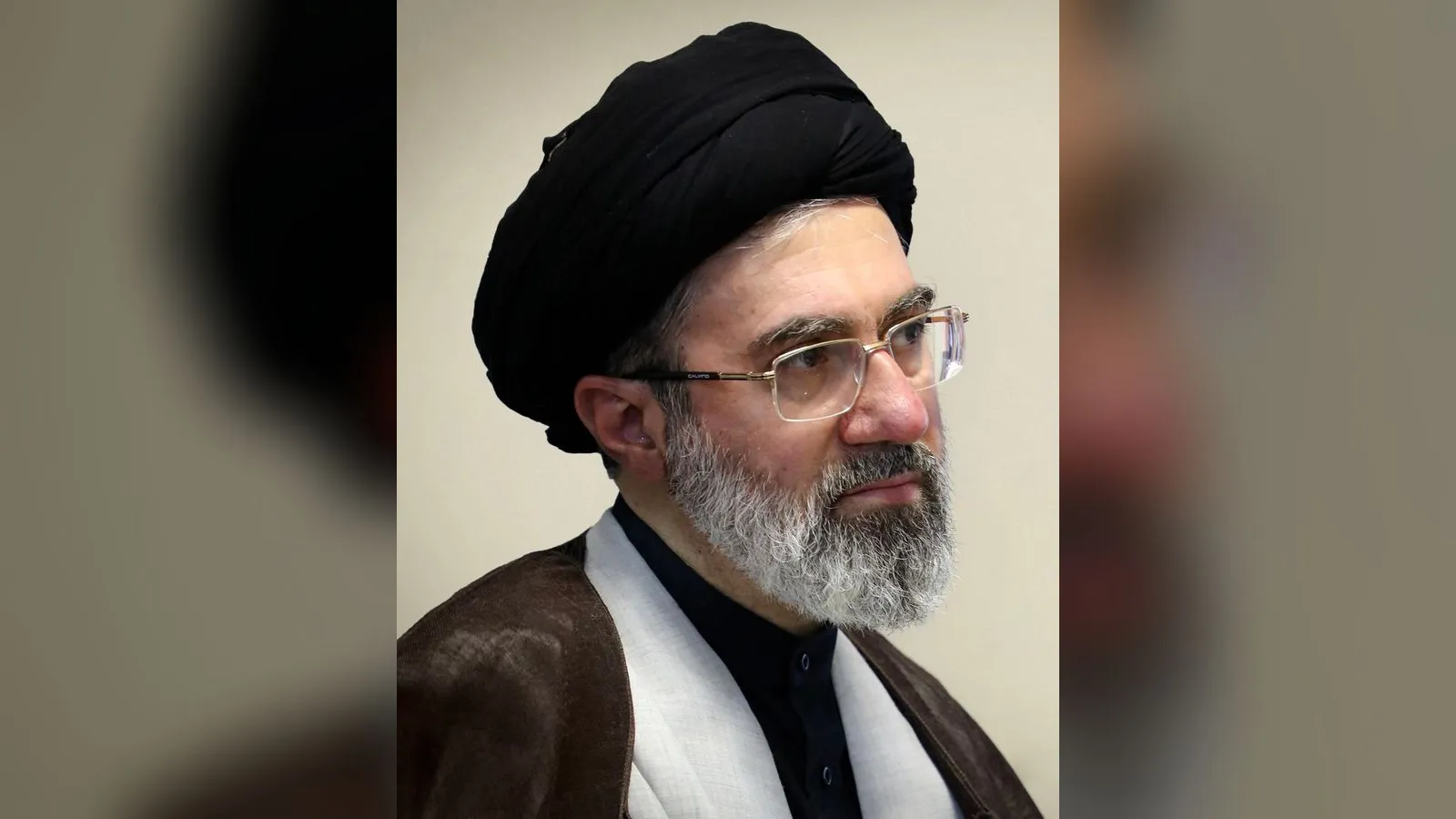
The war began on February 28 with joint US-Israeli strikes on Iran. A two-week ceasefire was agreed on April 8, and Pakistan hosted the first face-to-face US-Iran talks in 47 years that month. The US launched fresh strikes on July 8 after attacks on ships in the Strait of Hormuz. Earlier this week the US struck Qeshm Island, which we reported in our story on the strike on election day. On Wednesday, Iran’s supreme leader said in a written message that those who hope for a change in US behaviour after the midterms are “seriously mistaken”.
Why it matters
Trump’s remark mixes a threat with a hint that he is weighing his options, and it lands while mediators from Pakistan and Qatar are trying to bring the two sides to a text. Markets are sensitive to it: oil and share prices have swung on each signal from Washington this week, as we reported in our story on oil’s 9 per cent fall. For people in Pakistan the stake is practical, because a wider war would push up fuel and gas prices.
What to watch is whether “soon enough” means a new strike or a new offer, how Tehran answers, whether the drone claims draw a US response, and whether the mediators’ nuclear proposal is accepted as a basis for talks.
Comments
Comments are reviewed by our editors before they appear. Please keep them civil and on topic. See our terms.
No comments yet. Be the first to share your view.