

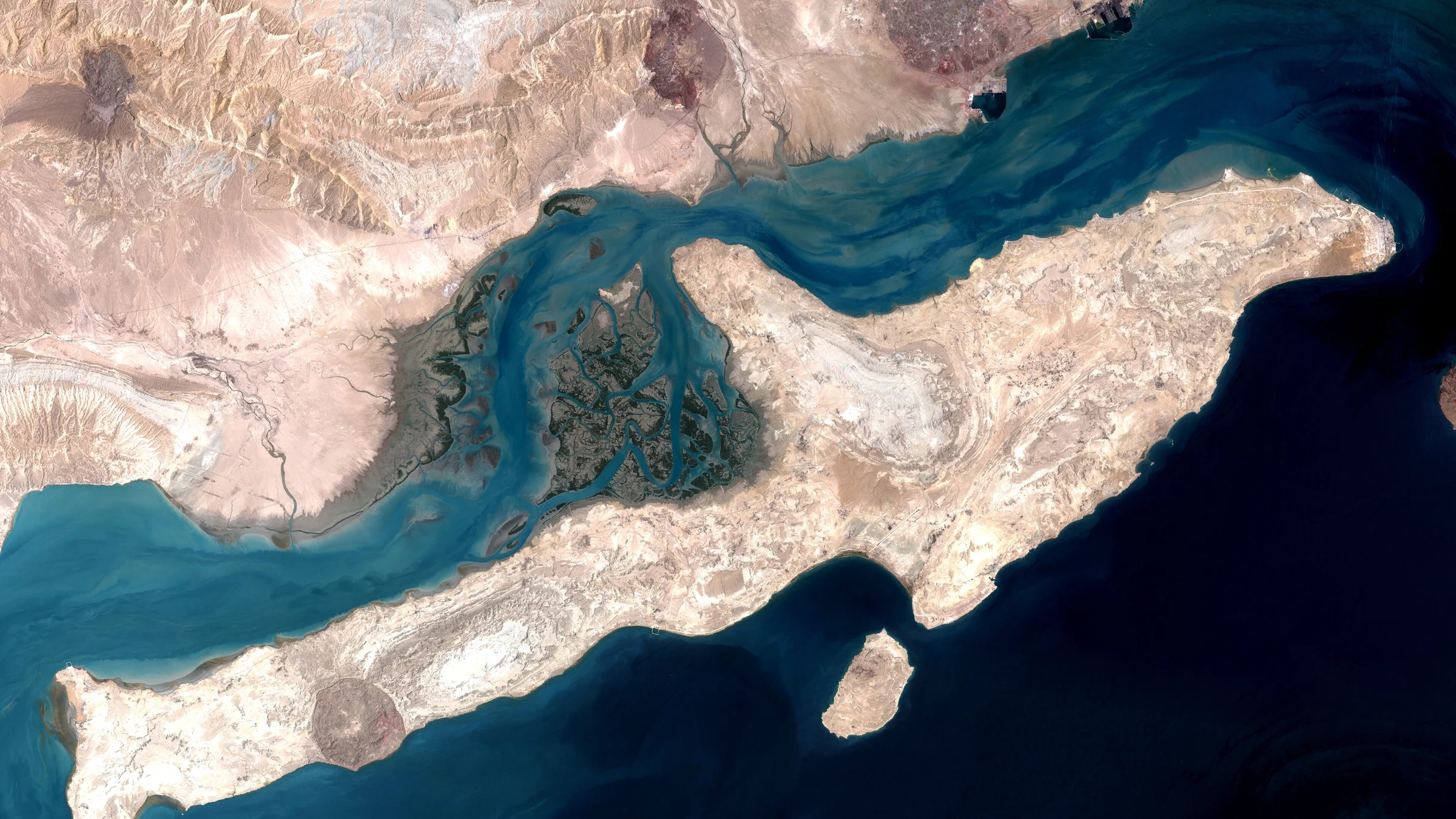
The United States has carried out strikes on Iran’s Qeshm Island in the Strait of Hormuz, a US official said, on the day Americans vote in midterm elections and while Washington and Tehran are exchanging messages through mediators, The Express Tribune and Dawn reported.
The strikes, first reported by the Wall Street Journal, appeared to be limited and were not a resumption of major combat operations, the official said, speaking on condition of anonymity. Another US official described them as defensive measures against Iranians using surface-to-air missiles against American assets. Fox News, citing officials, said they were a response to Iran firing at a US aircraft. The Pentagon referred questions to US Central Command (CENTCOM), which did not respond to requests for comment.
What Iran reported
Iran’s state news agency IRNA reported five explosions in rapid succession on Qeshm Island, and the semi-official Fars agency said explosions were heard from the direction of the sea near Bandar Lengeh in Hormozgan province. Neither gave details of casualties or damage.
Separately, the Islamic Revolutionary Guard Corps (IRGC) said, according to the semi-official Tasnim agency, that it had downed two US drones south of Qeshm Island, using electronic warfare systems. The claim has not been confirmed by the United States. The Wall Street Journal described the attack as the latest in a series of limited strikes Washington has carried out against Iran in recent weeks.
Hours after talk of a deal
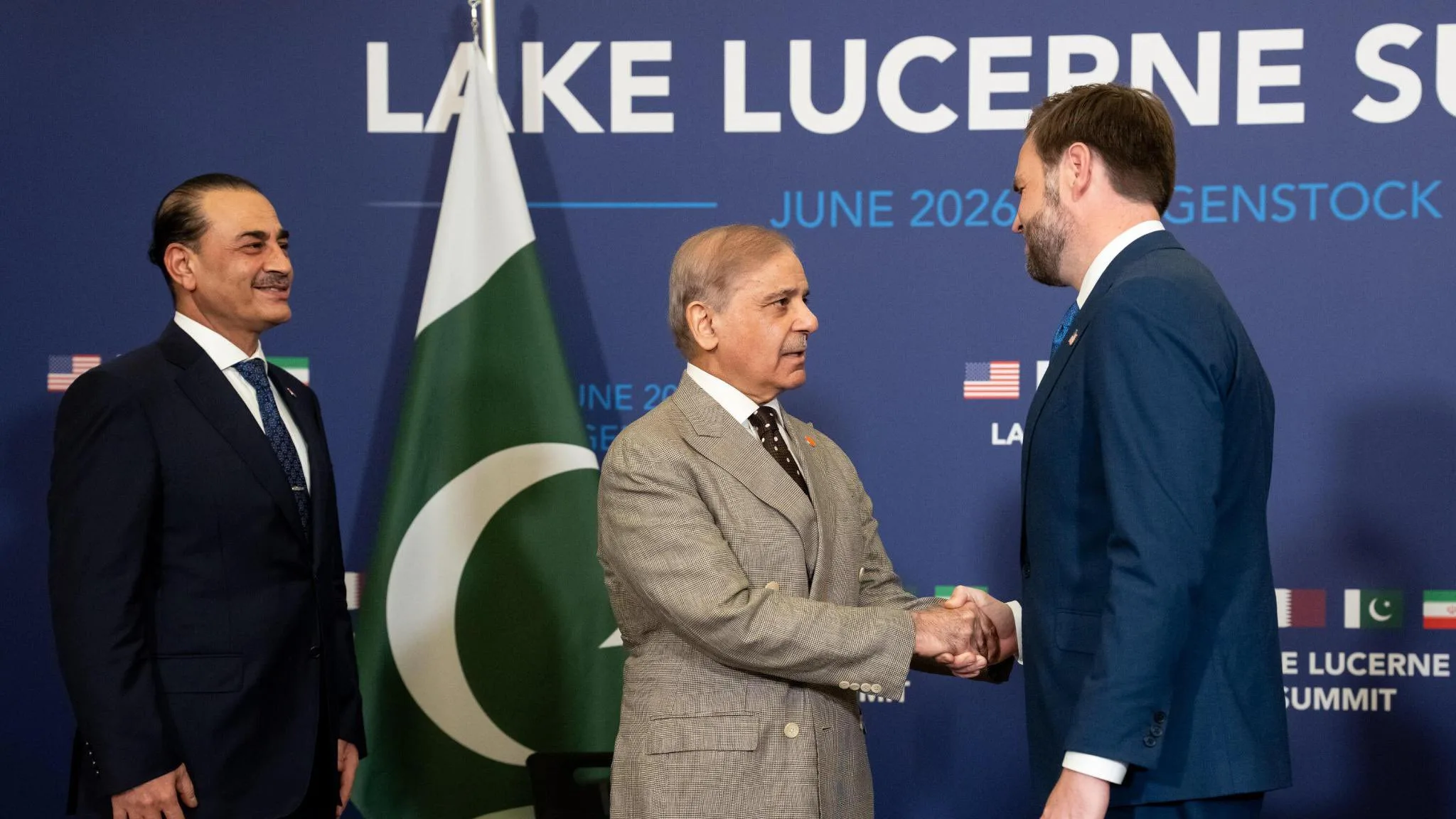
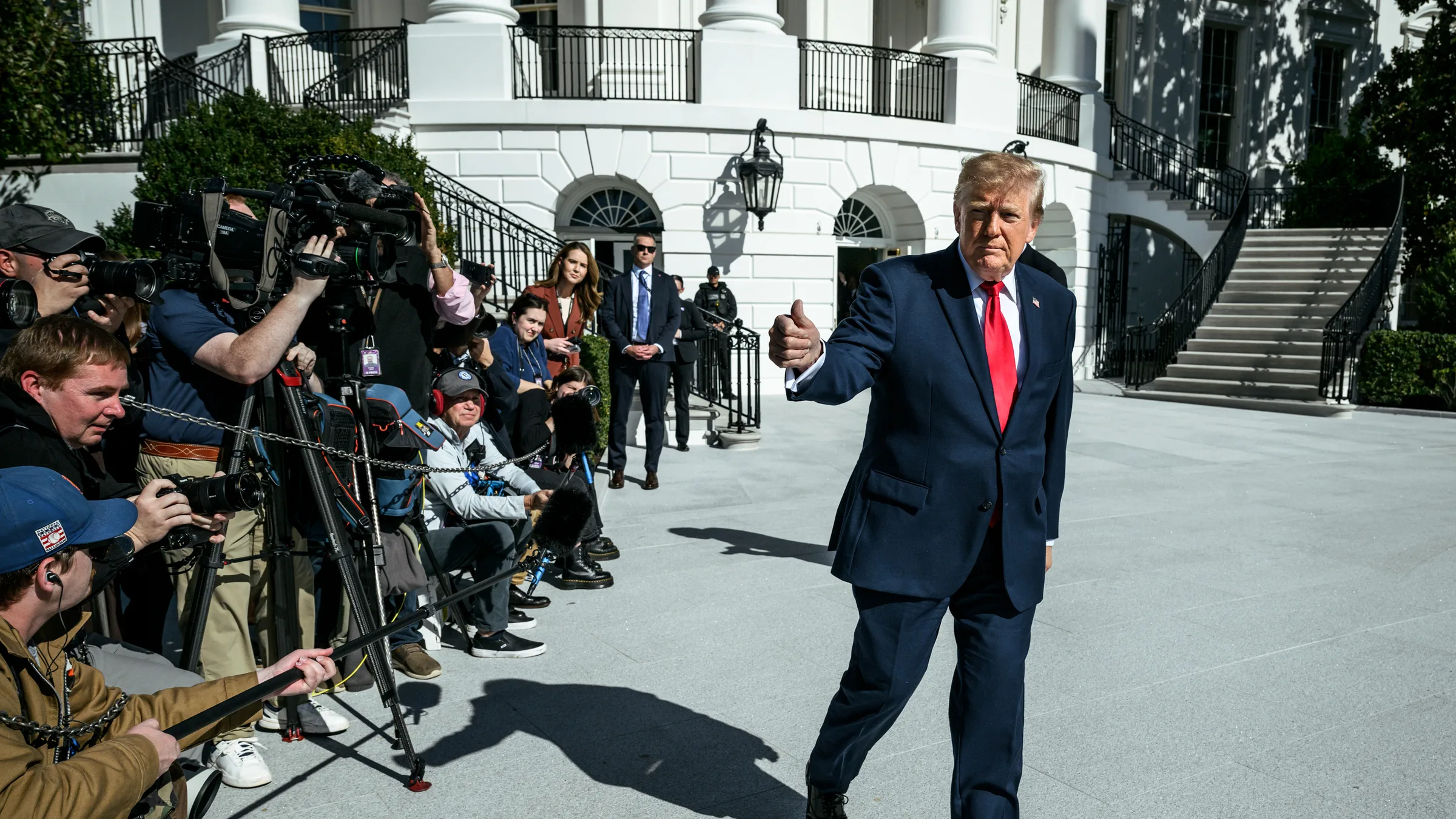
The strikes came after President Donald Trump wrote on Truth Social that a deal with Tehran “could happen”, and after Vice President JD Vance told reporters that the two sides had “certainly made some progress”. Iran had said on Monday that “intensive” exchanges were under way and that it was ready to reopen the Strait of Hormuz within two days if Washington agreed to a condensed version of its seven-step plan. Foreign Minister Abbas Araghchi said “Qatar and Pakistan are playing a very active mediating role” in the talks. We covered the earlier stages in our report on Araghchi’s talks through Pakistan and Qatar and on Iran’s seven-day plan.
Foreign Ministry spokesman Esmaeil Baqaei said the two countries were still exchanging messages and that Deputy Foreign Minister Kazem Gharibabadi had visited Doha to help with the Qatari mediation. He warned that any military attack on Iran “will be met with a powerful, immediate and comprehensive response”. A senior Iranian official told Reuters that Tehran would not accept Washington’s “excessive demands” and that a deal was still far off, and Iranian sources have said they think a new US attack is more likely than an agreement.
Oil reacts
Oil edged up on the news. Brent crude was up 3 cents at $104.80 a barrel and US West Texas Intermediate up 20 cents at $96.66, after both fell more than 7 per cent on Monday on hopes of an end to the war. “The report added a degree of risk premium back into the oil price,” said Tim Waterer of KCM Trade. Analysts said a lot of risk is already priced in. See our earlier report on oil falling after Trump ruled out an attack before the midterms.
Background
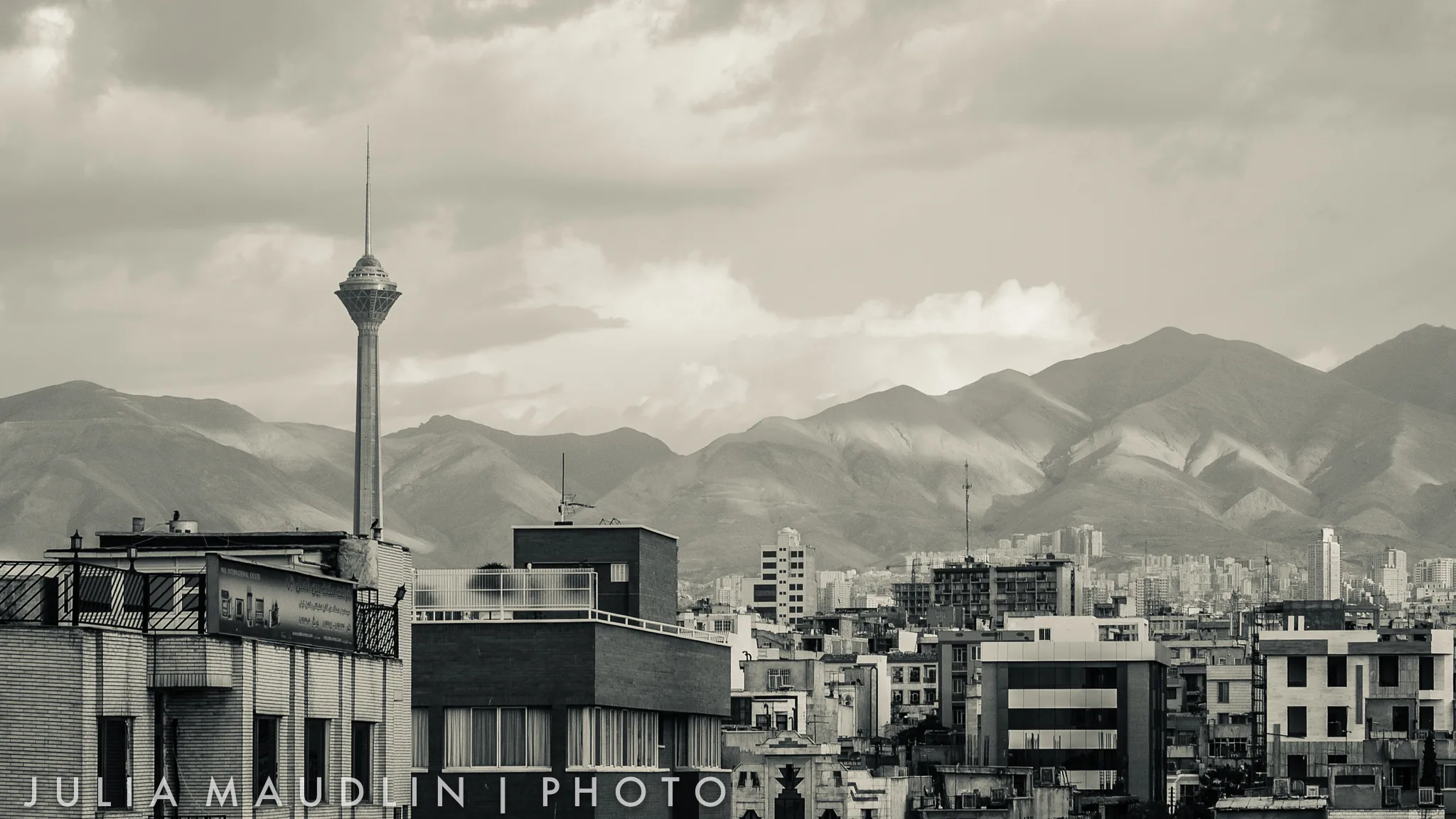
The US-Israeli war on Iran began on February 28. Iran has closed the Strait of Hormuz to much traffic, the strait that carried about a fifth of the world’s oil and gas, the US has blockaded Iranian ports, and fighting has spread to Saudi Arabia and Yemen. Trump has said repeatedly that there would be no new attack on Iran before the midterms, while suggesting force could return afterwards, as in the Axios report on a possible strike if Republicans lose. Last week officials from Saudi Arabia, Turkey and Pakistan met Iranian officials in Tehran, the first high-level contact between Iran and the three since August.
What we know, and what we don’t
- Known: US officials say they struck Qeshm Island, that the strikes were limited and, in one account, defensive. Iranian media reported five explosions.
- Known: diplomatic contacts through Qatar and Pakistan continue, and both sides say they are in touch.
- Unknown: what was hit, whether anyone was killed, and whether the strikes were a response to a specific Iranian action. Iran’s claim about downing two drones is unconfirmed.
- Unknown: whether the strikes change the talks, or whether Trump will order more after polling closes.
Why it matters
For Pakistan, which is helping carry messages, a breakdown would bring pressure for a new round of fuel price rises. The strikes show that even during talks, both sides continue to test each other in the strait, where a single incident could end the pause. The next few days, as US votes are counted, will show whether diplomacy or force has the upper hand.
This article draws on reporting by The Express Tribune and Dawn, citing Reuters, AFP and the Wall Street Journal.

Comments
Comments are reviewed by our editors before they appear. Please keep them civil and on topic. See our terms.
No comments yet. Be the first to share your view.