

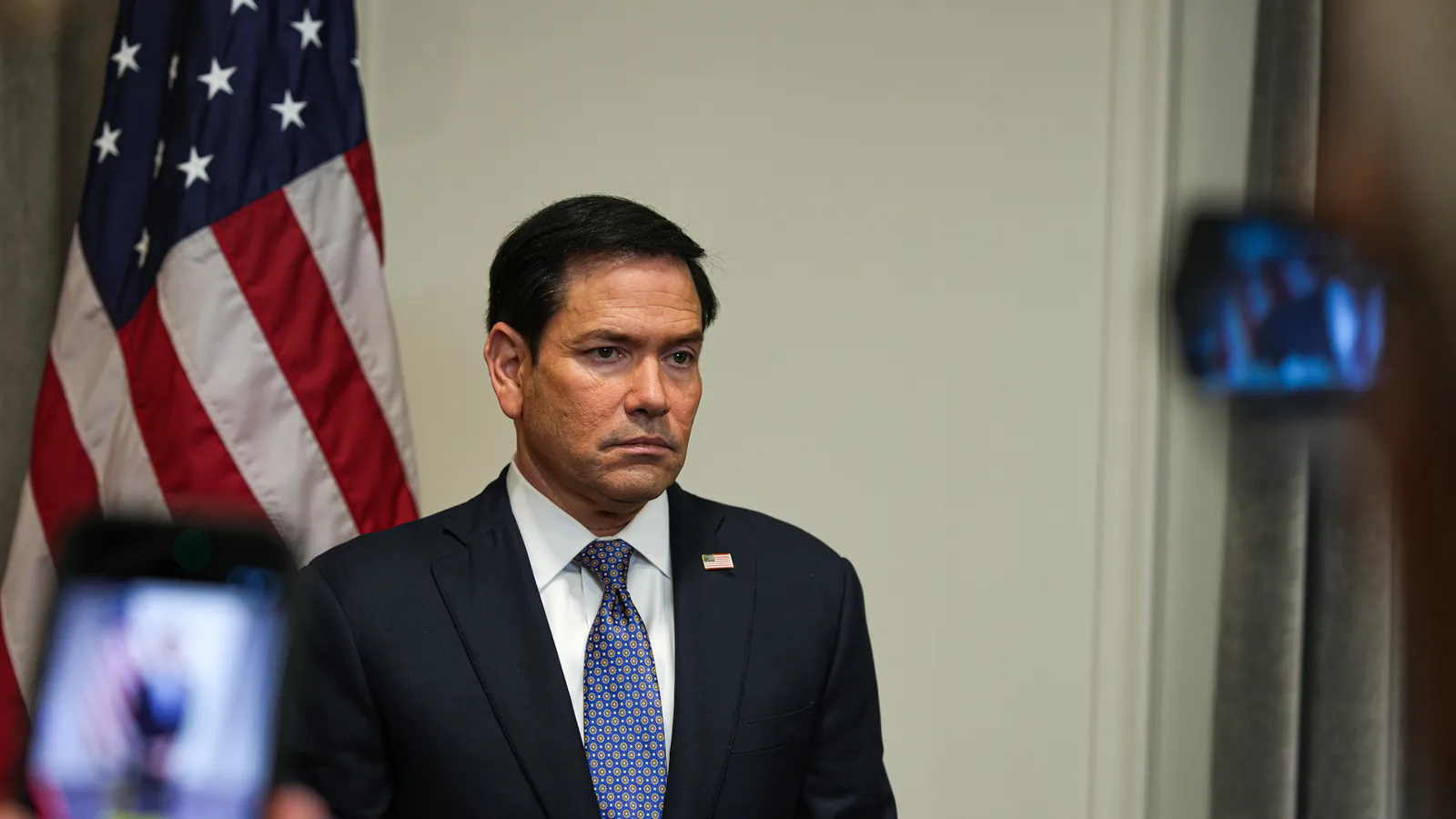
Washington says its economic squeeze on Iran is doing the work that bombs once did. US Secretary of State Marco Rubio told his G7 counterparts in Paris on Tuesday that sanctions and the naval blockade are working “so well” that President Donald Trump has no need to order major combat operations against Iran, according to Reuters.
What Rubio said
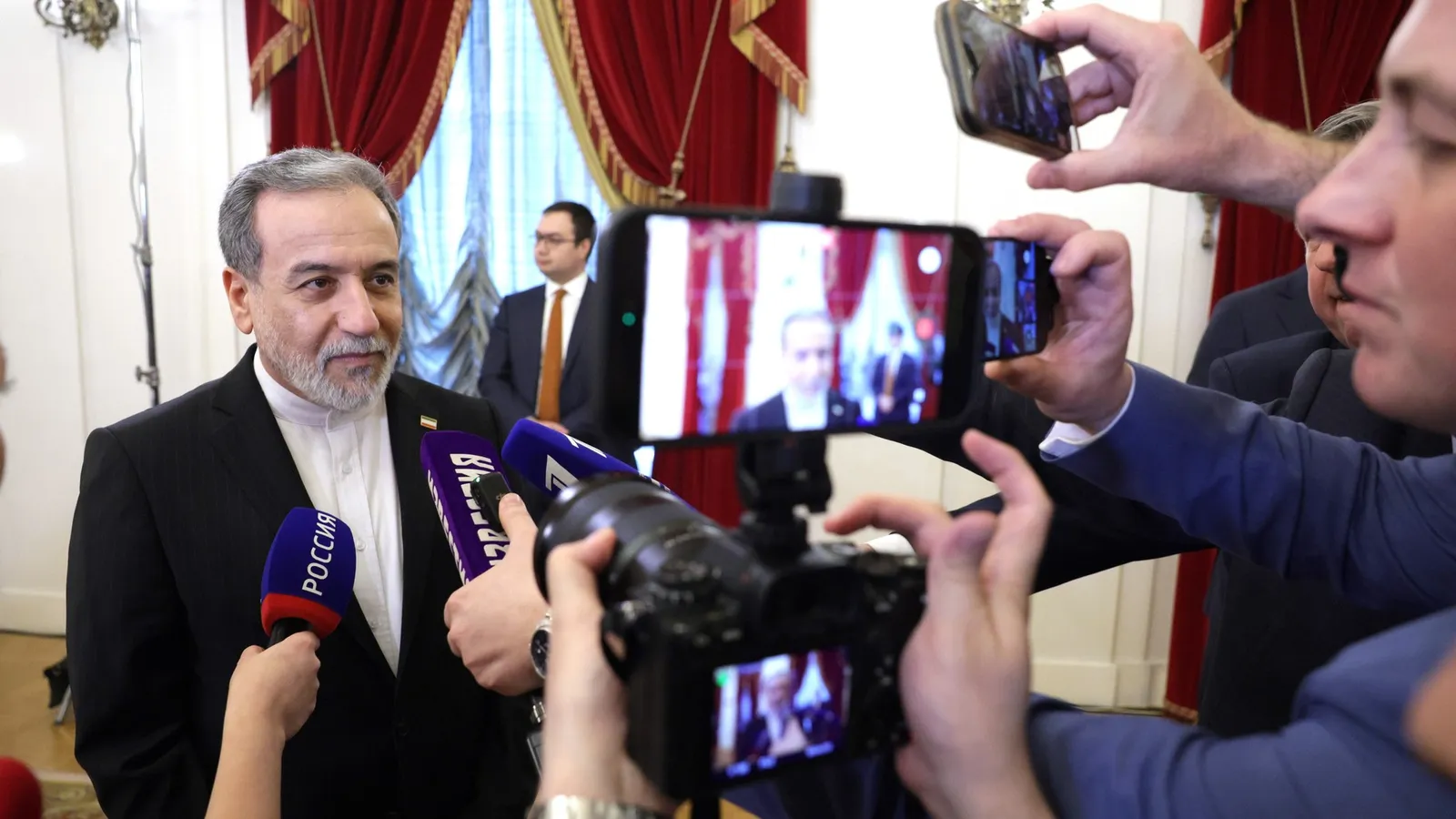
Mr Rubio told reporters that the economic pain the US has inflicted grows worse over time. The United States is still open to a “real deal”, he said, but he called the conditions Tehran keeps setting “absurd”. Earlier in the day he accused Iran of being behind instability across the region, from the Houthis and militias in Iraq to Hezbollah and Hamas, and said the countries of the region know it. Iran has not agreed with that description, and Tehran’s own position, that Americans are tired of foreign wars, was set out by its foreign minister on Monday.
The remarks echo what Mr Trump said in his CNN interview, which we covered when he called a renewed war with Iran “highly unlikely”.
What America’s allies said
Allies welcomed the softer line but did not take it for granted.
- France: Foreign Minister Jean-Noel Barrot, who chaired the meeting, said a resumption of strikes and escalation “has not been completely ruled out”. If it had been, he said, France would not have spent so much time and energy in the last two days discussing the matter with Mr Rubio.
- Britain: The minister Ed Miliband welcomed Mr Trump’s comments and Qatar’s mediation and urged an “all-out diplomatic effort”. He said the world must move beyond the “no war, no peace” stalemate, which is causing “deep economic pain”.
The Pentagon’s tone
At a separate press conference, US Secretary of War Pete Hegseth said he would launch the Iran war again and called it a “necessary undertaking” carried out so that Iran never gets a nuclear weapon. He said the blockade had been “ironclad” and that “nothing has gotten through”. Tehran’s industrial base had been badly damaged, he added, and its ability to rearm behind the blockade is much less than America’s. He made the remarks when asked about Vice President JD Vance’s suggestion that the Iran war and its consequences cost the Republicans the midterms. These are the Pentagon’s claims about the state of Iran’s military, and they have not been independently verified.
Markets reacted
Oil prices fell for a second day after Mr Trump downplayed the need for further military action. Reuters reported that, by 6:34pm PKT, Brent futures had lost $2.92 (3.15 per cent) to stand at $89.65 a barrel, while US West Texas Intermediate shed $2.33 (2.68 per cent) to $84.52. Traders also pointed to the prospect of oversupply.
| Benchmark | Price | Change |
|---|---|---|
| Brent crude | $89.65 a barrel | Down $2.92 (3.15%) |
| WTI | $84.52 a barrel | Down $2.33 (2.68%) |
Why it matters for Pakistan
Pakistan imports much of its fuel and is highly exposed to oil prices, and the fall helps at the margin. The government and the Jamaat-i-Islami are negotiating relief on petroleum prices, as we report today, and cheaper crude gives both sides more room. Yet the price still reflects fear as much as supply, and a single attack could reverse it. We reported earlier on oil prices falling on US-Iran peace efforts, a reminder that the swings have been sharp in both directions.
There is also a diplomatic point. The US now says it prefers pressure to force, but the policy depends on Iran feeling it must bargain. Iran’s answer so far has been to say talks are paused while it studies the political fallout in Washington.
What we do not know
- Whether Mr Rubio’s “absurd” conditions refer to specific Iranian demands, which he did not list in the reports we have seen.
- Whether Mr Trump will confirm this line in public.
- When mediators will resume travel to Tehran.
What to watch is the next round of Qatari mediation, any Iranian response in the coming days, and whether oil holds below $90.
Comments
Comments are reviewed by our editors before they appear. Please keep them civil and on topic. See our terms.
No comments yet. Be the first to share your view.