

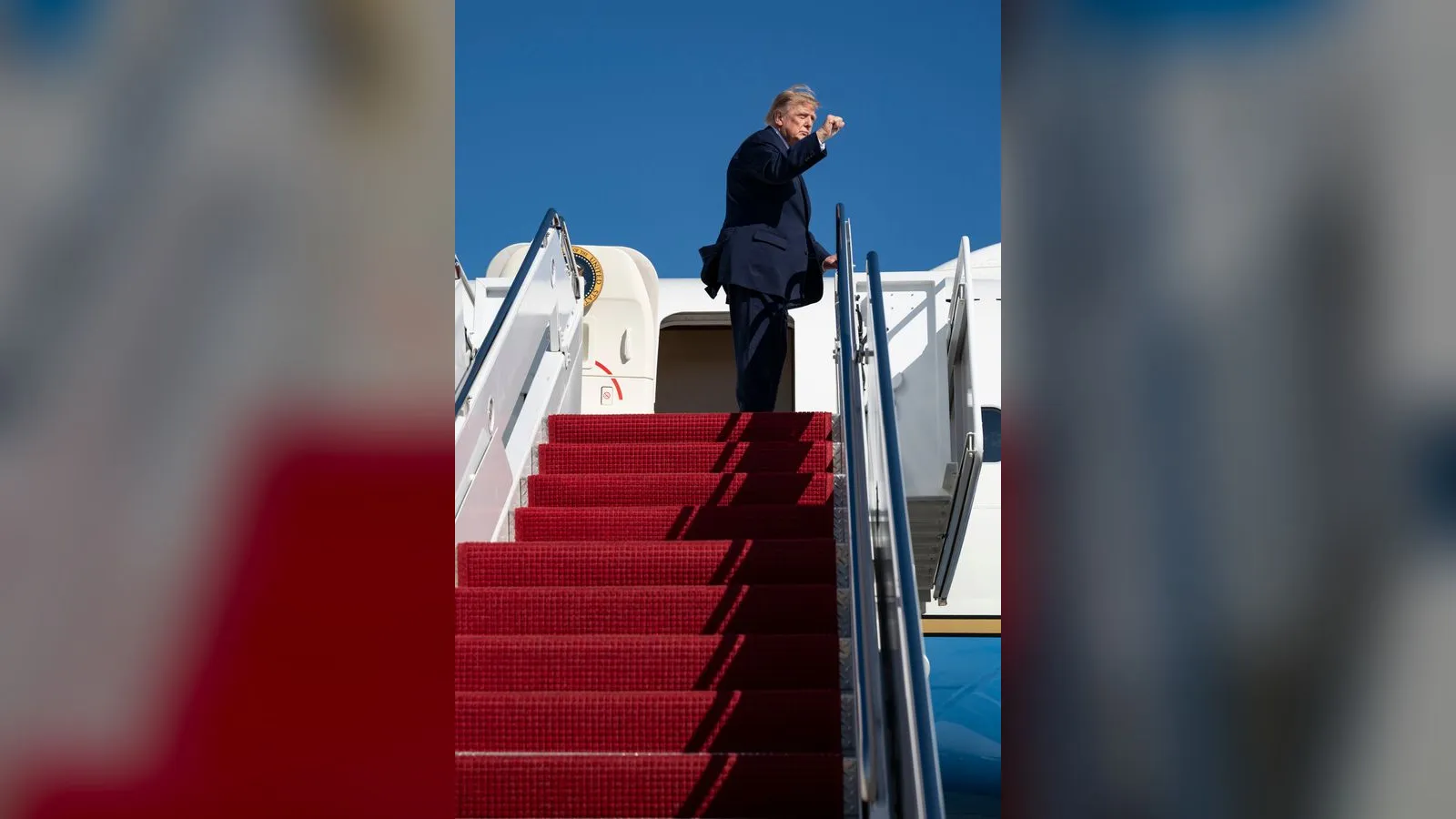
President Donald Trump has told CNN that a return to full-scale war with Iran is “highly unlikely”, while making clear that the option is still open. In an interview aired on Sunday he said his decision “depends on whether or not they sign a very strong agreement”, and that he would act again “if necessary”. The comments came a day before he was due to receive Qatar’s prime minister at the White House.
What Trump said, and what Tehran says
Over recent weeks Trump had threatened to resume strikes, and US media reported that fighting could restart once the midterm elections were out of the way. The Republicans lost control of Congress on Tuesday, and Trump has accepted that the unpopular war was partly to blame. His message to CNN was therefore softer than his earlier warnings, but he kept the pressure on: “I hit them so hard. You don’t know how hard I hit them,” he said.
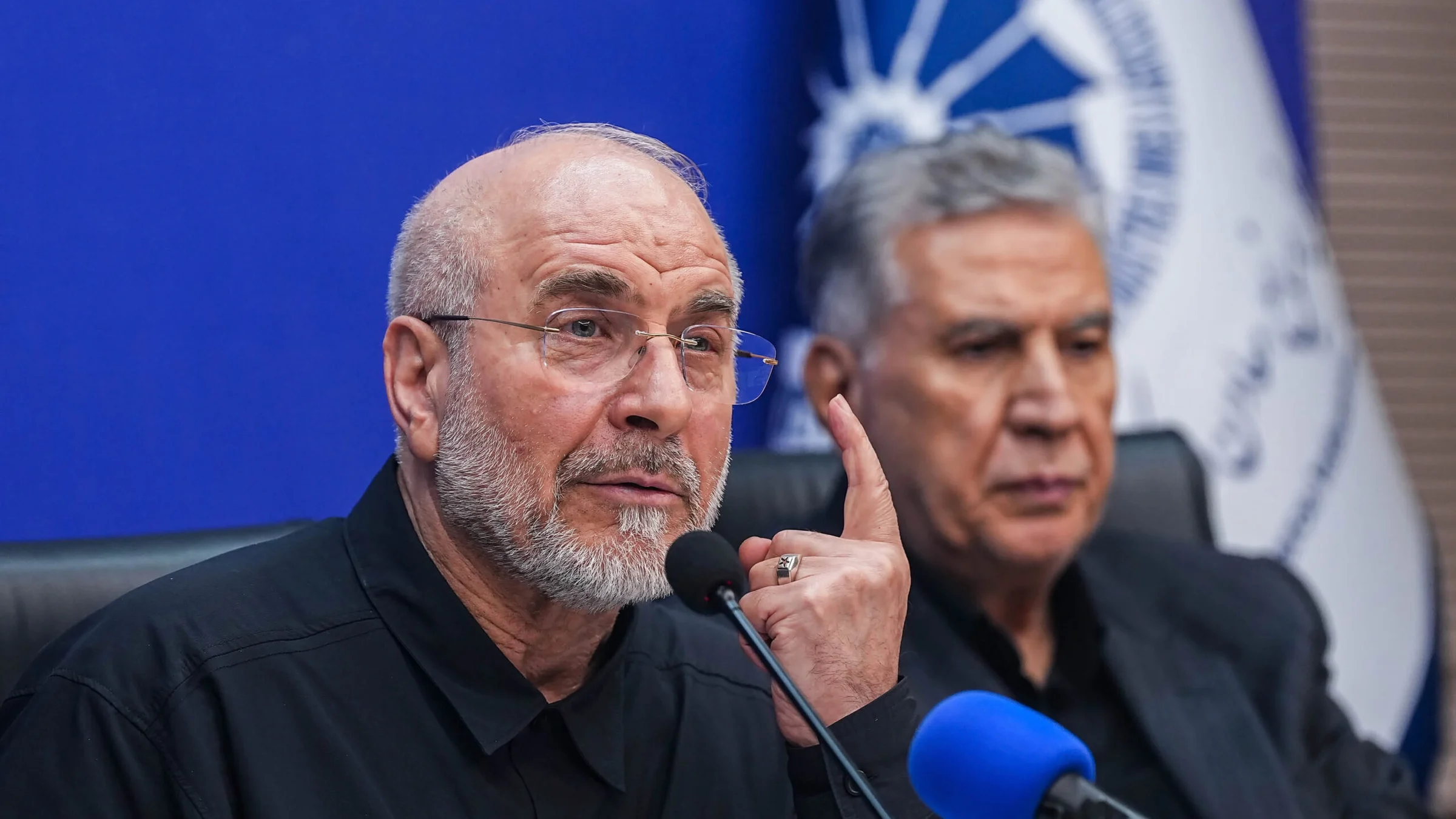
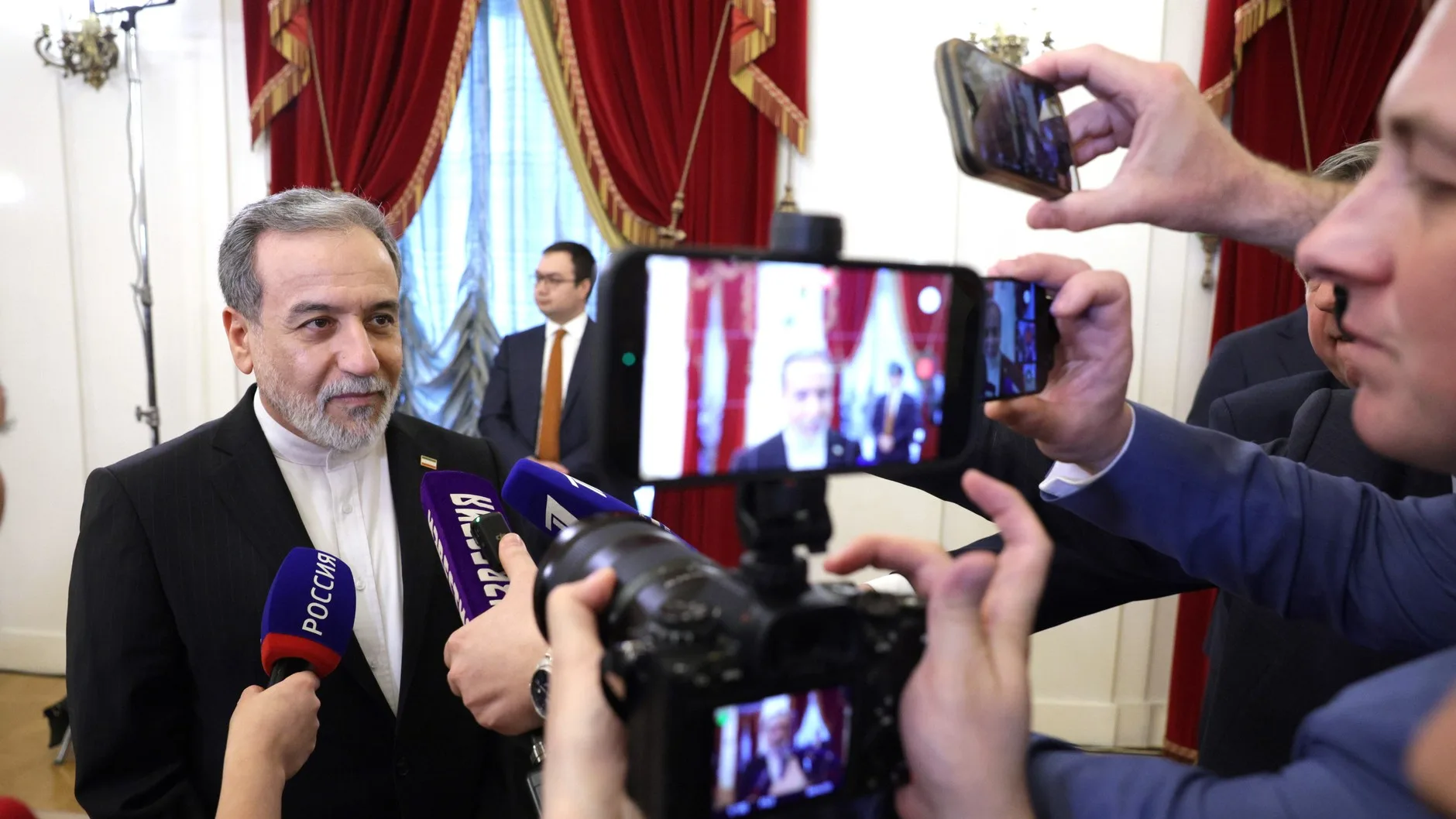
Iran’s foreign minister, Abbas Araghchi, described a different mood. He told state television that mediators have not travelled for several days because the American vote “caused shock to everyone”, and that Tehran is waiting to see how long Washington takes to absorb the result before deciding how to proceed. On X he went further, saying Americans were “sick and tired of Israel bamboozling” their governments into “forever wars”. That is Iran’s reading of the election, not an established fact, and Washington has not endorsed it.
A dispute over the numbers
Trump argued that Iran is being squeezed economically and will have to accept American terms. He said the country had suffered 301 per cent inflation. Iran’s own official figures, as reported by AFP, put inflation at nearly 90 per cent year on year in September. The two numbers cannot both be right, and neither has been independently checked here, but the gap shows how each side is presenting its leverage.
| Point | Trump | Iran |
|---|---|---|
| Restarting the war | “Highly unlikely”, but possible if no deal | Talks paused while the US digests its election |
| Economy | Iran is “withering away financially” | Official inflation near 90% in September |
| Next step | Meeting with Qatar’s prime minister on Monday | Waiting to see how long Washington takes |
Hormuz is still contested
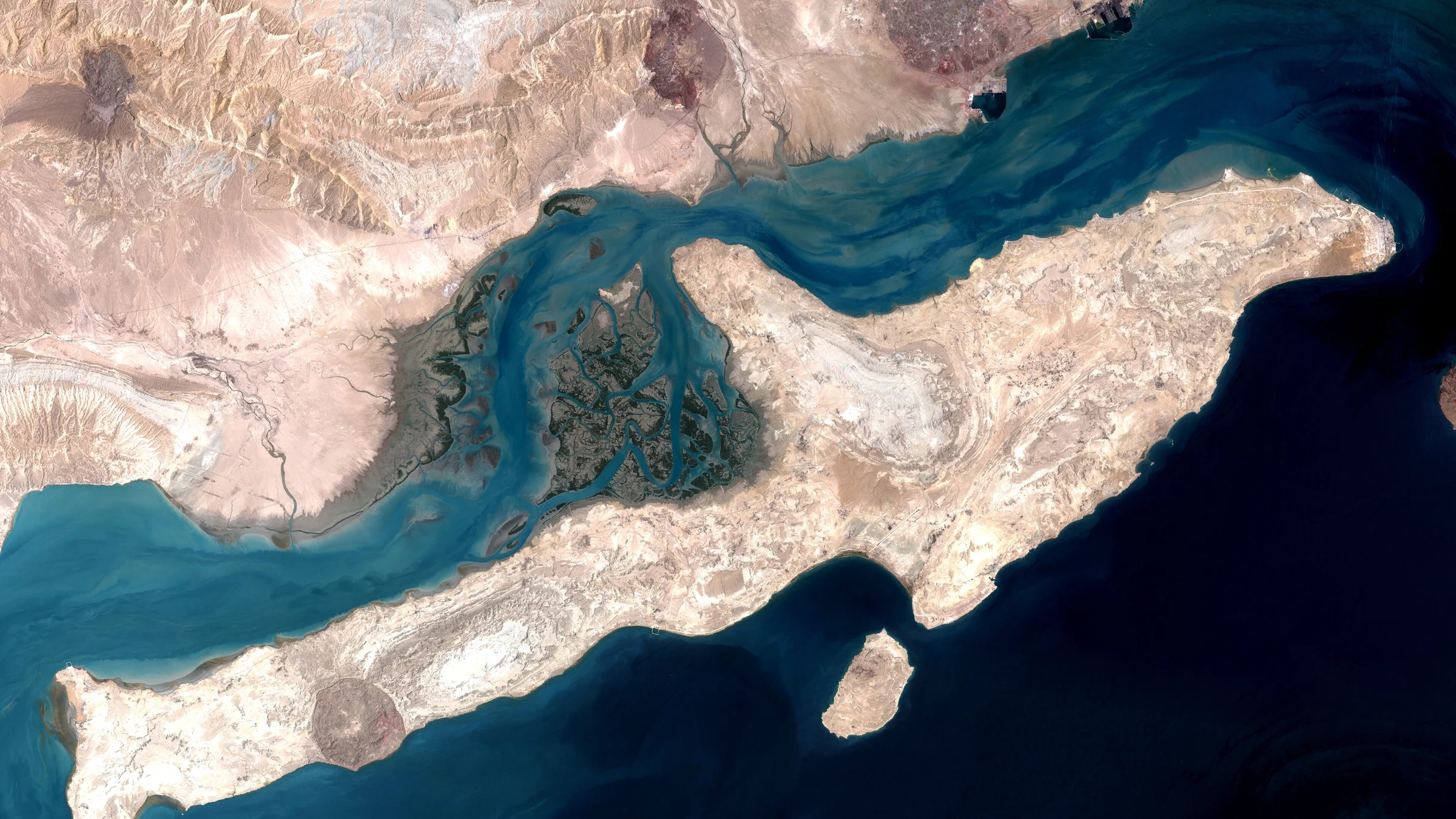
Outright fighting has largely died down, but the maritime standoff has not. Iran continues to try to blockade the Strait of Hormuz, the narrow route through which a large share of the world’s energy supplies passes. The US Navy has its own counter-blockade of Iranian ports. Iranian state television said the island of Qeshm, in the strait, was attacked overnight on Sunday, after the IRNA news agency reported two explosions there. Nobody has yet said who was responsible.
The war itself began in late February with US and Israeli strikes. Qatar and Pakistan are among the countries that have been trying for months to end it, so far without a final settlement.
Background
We reported on October 21 that Araghchi said talks were continuing through Pakistan and Qatar. On October 31, Axios reported that Trump might strike Iran if Republicans did badly in the midterms. The election has now happened, the Republicans did badly, and Trump is publicly saying a new round of fighting is unlikely. Whether that holds depends on the diplomacy that restarts this week.
Why it matters
For Pakistan, which has acted as one of the go-betweens, a pause in the shuttle visits is a setback, but a calmer American tone is welcome. A resumed war would again put the Gulf’s shipping lanes and oil prices at risk, and Pakistan’s fuel and gas prices are tied closely to both. Households already facing expensive cooking gas, as in the rise in LPG prices we have covered, would feel any new shock quickly.
What to watch
- What comes out of Monday’s White House meeting with Qatar’s prime minister, who is also the country’s foreign minister.
- Whether mediators resume travel to Tehran, and whether Iran gives any sign on the “very strong agreement” Trump wants.
- Whether attacks on or near Qeshm and other points on the strait continue, and who claims them.
- Whether the new Congress, controlled by Democrats from January, tries to limit the president’s war powers.
Comments
Comments are reviewed by our editors before they appear. Please keep them civil and on topic. See our terms.
No comments yet. Be the first to share your view.