

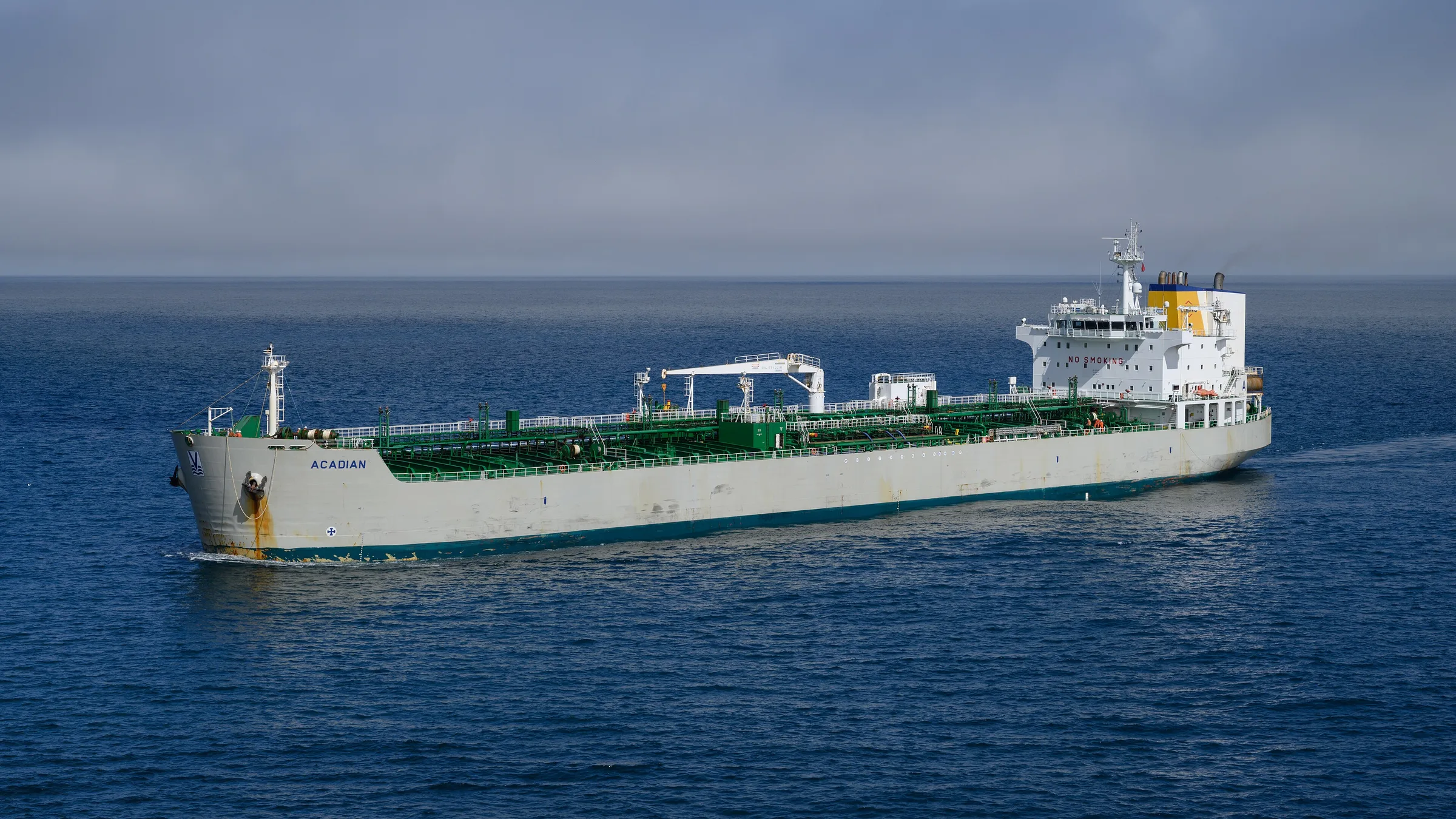
Oil prices fell on Tuesday as hopes of a settlement of the US-Israeli war on Iran, and talks in Tehran, eased fears over supply, though renewed Houthi attacks on Saudi Arabia kept crude close to six-month highs, Reuters reported, as carried by The Express Tribune and Dawn.
The price moves
Brent crude futures were down $1, or 0.86 per cent, at $114.81 a barrel, and US West Texas Intermediate (WTI) was down 88 cents, or 0.86 per cent, at $100.88, after both fell about 1 per cent early in the session. Later in the day Dawn’s live coverage, citing Reuters, said Brent had dropped by more than 6 per cent after touching its highest closing level since March, with the December contract at $109.68 a barrel and WTI at $101.02. The different figures reflect different times of day and contracts.
Last week Brent surged above $117 a barrel, the highest since April, after a wave of Iranian attacks on tankers around the Strait of Hormuz, and it touched $117 again on Monday. Our earlier reports tracked the climb: read our stories on Brent at about $110 on Houthi attacks and on Hormuz flows at 68 per cent of normal.
Why prices eased
Saudi Arabia, Turkey and Pakistan held talks with Iranian officials in Tehran on Monday, aimed at reducing tension in the Middle East. The four countries agreed to continue the discussions “with a view to strengthening cooperation in peace and security”, Iranian state media said. Sugandha Sachdeva, founder of the Delhi-based research firm SS WealthStreet, said crude was seeing profit-taking after rising to multi-month highs, because renewed diplomacy had raised hopes of a breakthrough in US-Iran negotiations. “Prices remain elevated amid persistent geopolitical uncertainties,” she added.
Why they stay high
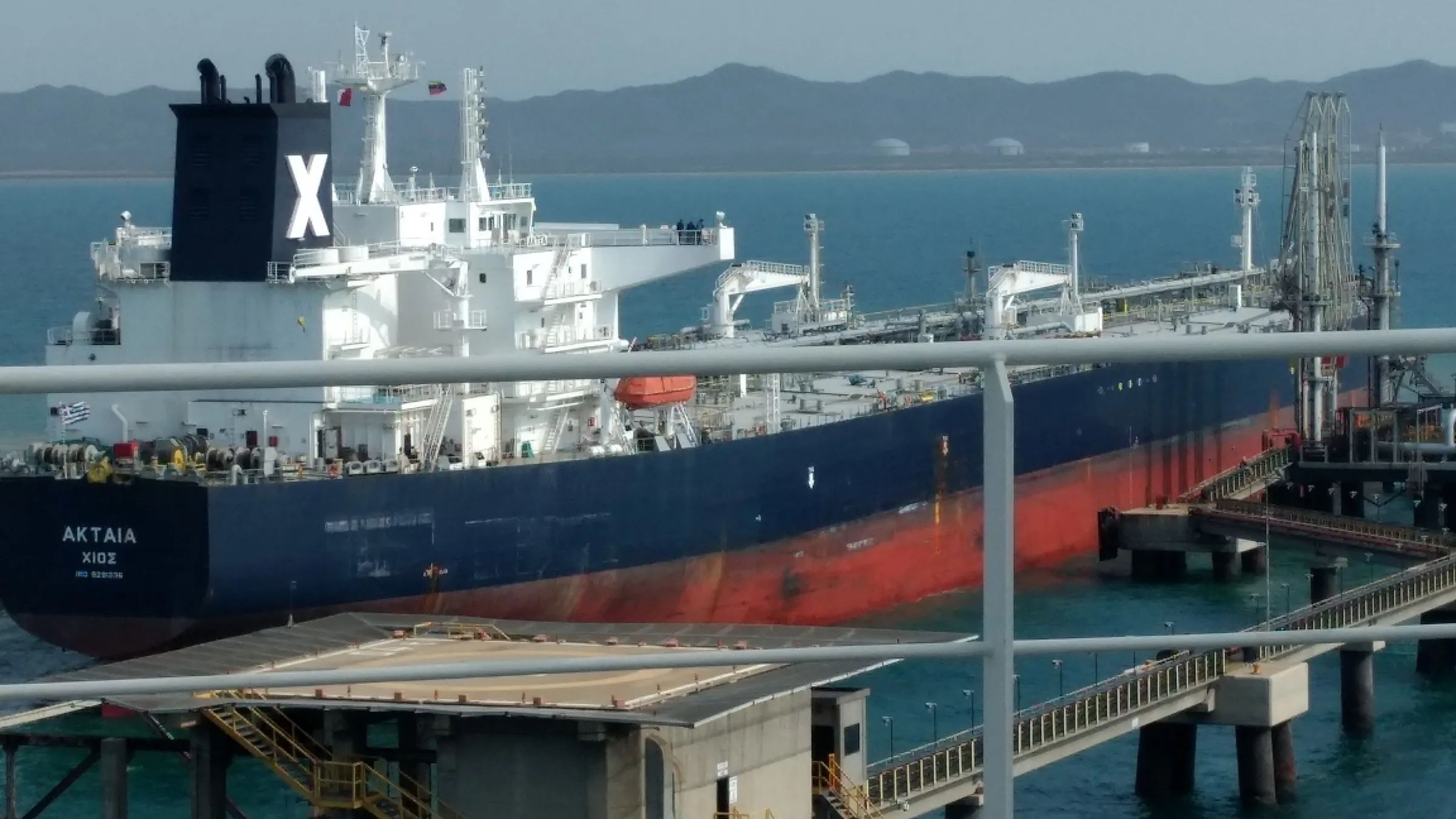
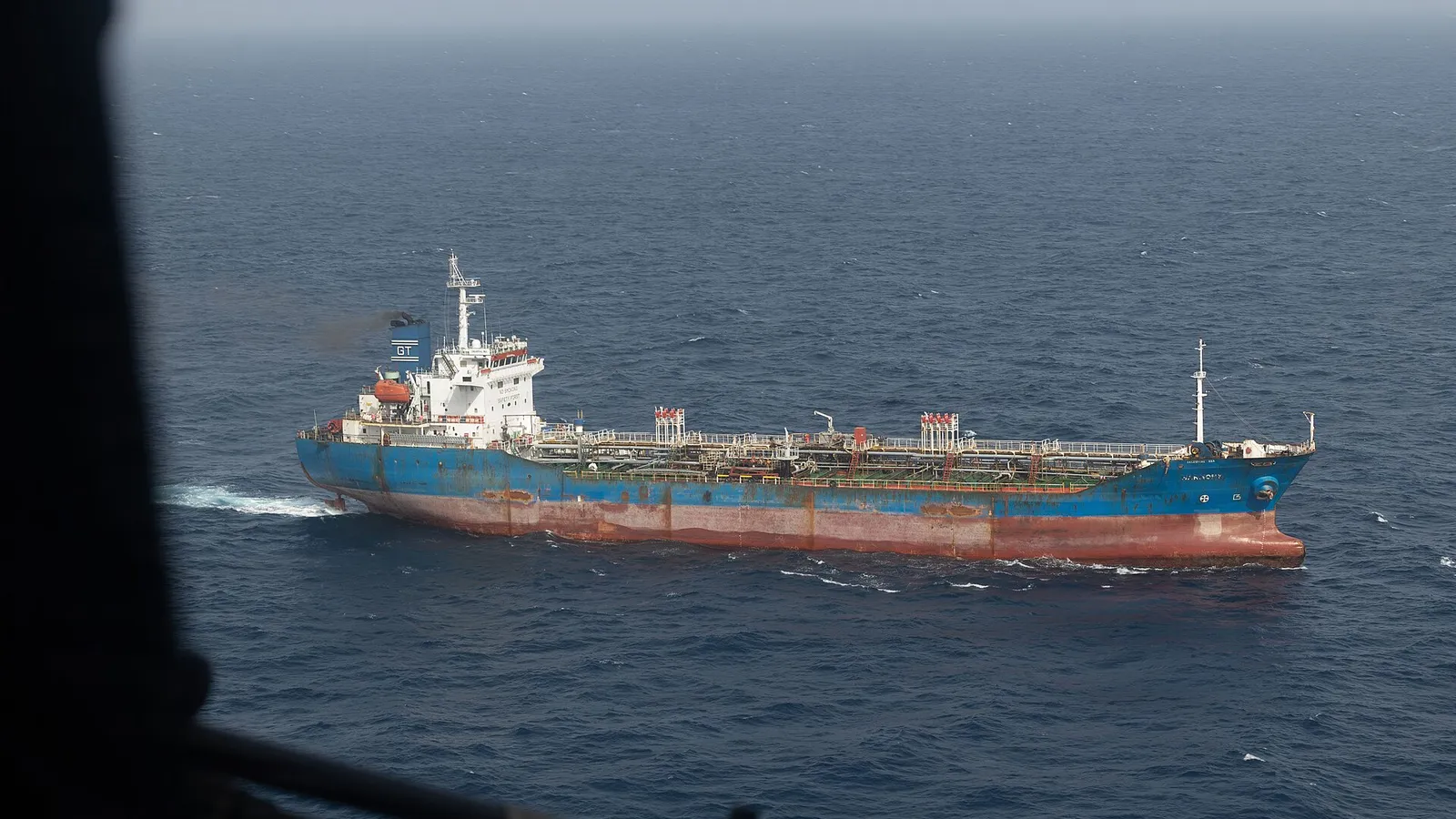
The path to peace still looks fragile. Iran-aligned Houthis have renewed attacks on Saudi Arabia, a key producer, and Iran’s armed forces chief, Major General Ali Abdollahi, said on Monday that Tehran controls the Strait of Hormuz and that any vessel disregarding Iranian procedures would “face serious damage”. October has been the worst month for attacks on commercial shipping in the Strait of Hormuz and nearby waters, according to data from a Washington-based think tank that has tracked incidents worldwide since 2017.
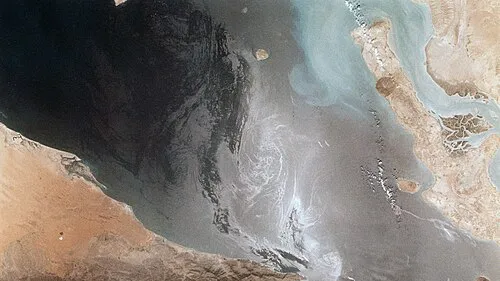
The strait carried about a fifth of the world’s energy supplies before the war began in February. ANZ Research said the oil market is vulnerable, with stress in supply, logistics, inventories and refining. It said Gulf crude exports fell for a fourth straight week, flows through Hormuz were only about 60 per cent of normal, and global distillate inventories were nearly 5 per cent below their five-year average.
In the United States, stocks in the Strategic Petroleum Reserve fell to 282.6 million barrels last week, the lowest since October 1982, according to the Department of Energy. The recent drawdowns are part of a US agreement to release 172 million barrels from the reserve.
What it means for Pakistan
Pakistan imports most of its oil, so every move in Brent affects the price of petrol, diesel and LPG at home, and the import bill. Read our earlier report on Saudi Arabia restarting its East-West pipeline and resuming loadings at Yanbu. Pakistan’s fuel prices are reviewed periodically, so changes in international prices do not reach the pump at once.
What we know and what we don’t
What we know: the price levels quoted by Reuters, the reasons given by analysts and the supply data from ANZ Research and the US Energy Department.
What we don’t know: whether the talks in Tehran will lead to anything concrete, how long the Houthi attacks will last, and how far crude will fall if diplomacy continues.
Why it matters
Oil at $110 to $115 a barrel keeps pressure on households and on the budget of every importing country. The next signals to watch are the progress of the talks in Tehran, the Houthi campaign against Saudi Arabia and flows through Hormuz, which remain well below normal.
This article draws on reporting by The Express Tribune, Dawn and Reuters.
Comments
Comments are reviewed by our editors before they appear. Please keep them civil and on topic. See our terms.
No comments yet. Be the first to share your view.