
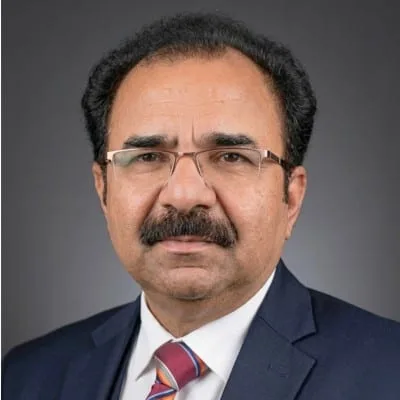
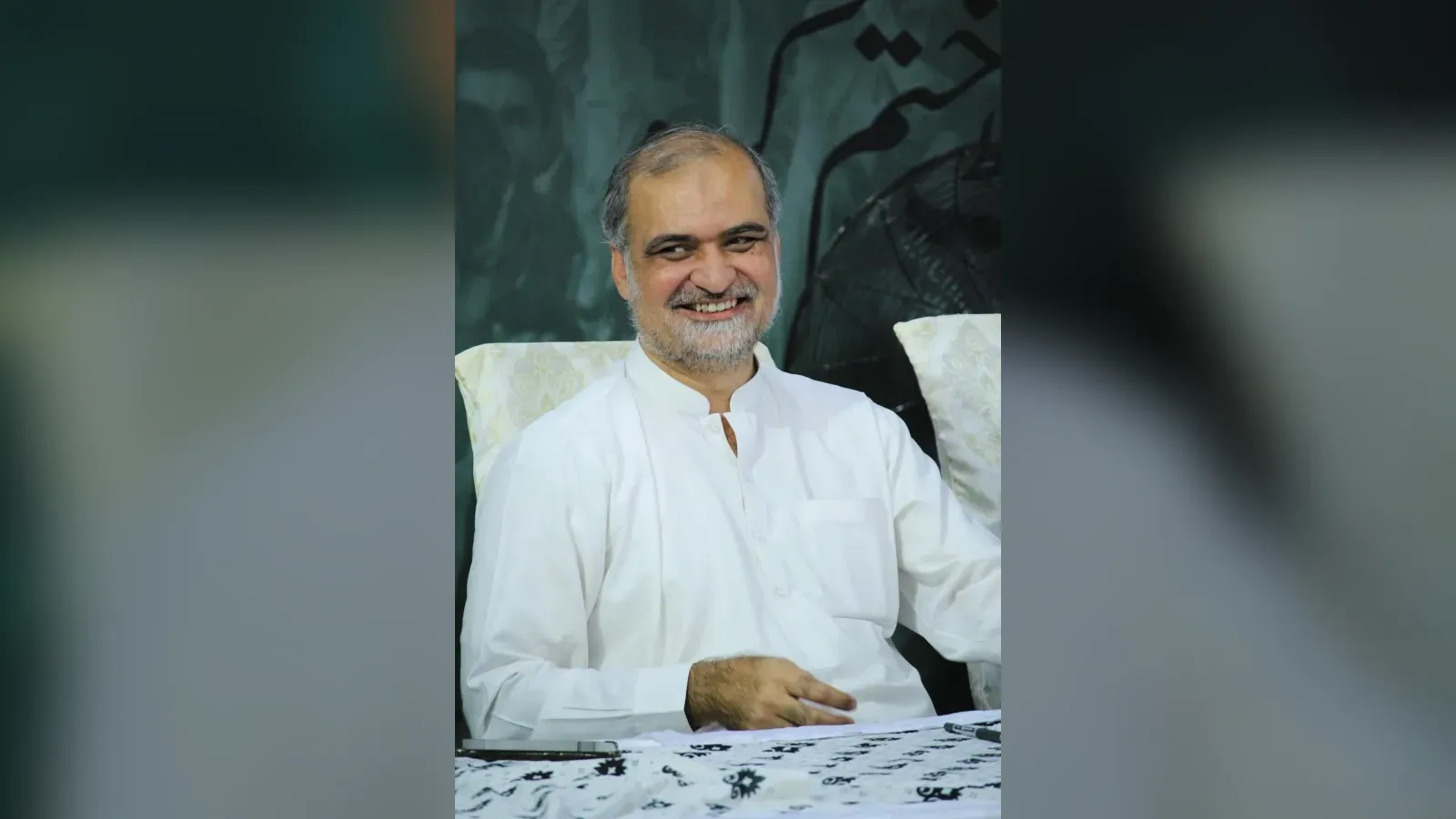
The government and Jamaat-i-Islami (JI) say they are close to a deal on cutting petroleum prices. JI Vice Emir Liaqat Baloch said on Tuesday that after a 10th round of talks, held at the Ministry of Foreign Affairs in Islamabad, the two sides had agreed the “basic outlines” of a proposed agreement. A final decision, he said, is expected after a possible meeting between Prime Minister Shehbaz Sharif and JI chief Hafiz Naeem ur Rehman.
What JI says was agreed
According to a JI statement, the talks focused on two things: relief for consumers and the steps needed to deliver it. The party said ministers accepted that the regional conflict has caused hardship and agreed that the current relief package should be widened and kept going. It added that the government conceded the case for scrapping the petroleum levy was fair and could bring people major relief.
JI proposed extending the fuel relief scheme to vehicles with engines up to 1,000cc and to agriculture, including tractors, and a way to phase out the levy. It asked for “immediate and visible” cuts in petrol prices. The government, the statement said, promised to put forward a future course of action on abolishing the levy while explaining its financial constraints. Both sides worked on drafting the proposed agreement during the meeting.
These are JI’s account of the talks. The government’s own summary was more general: the Foreign Office said there was “broad agreement” on the need to address public concerns through continued consultation and cooperation, called the discussions constructive, and said the deputy prime minister welcomed the “positive spirit”.
The IMF problem
The difficulty is money. Mr Baloch said it is the government’s responsibility to negotiate with the International Monetary Fund (IMF) to keep relief measures going. The IMF wants the fuel support scheme wound down soon, arguing that it costs too much and is spread too widely. Any deal on the levy has to be paid for with spending cuts or extra revenue, and Mr Baloch blamed the government for refusing to curb lavish spending and for the Federal Board of Revenue’s failure to meet its tax targets. He said the burden of the government’s “financial shortcomings” should not be placed on citizens.
How the talks got here
| Date | Event |
|---|---|
| Early September | Government and JI form committees as JI plans a nationwide strike |
| September 20 | JI starts a march towards Islamabad over the petroleum levy |
| September 22 | JI postpones the march at the prime minister’s request, convoy having reached Multan |
| About a month later | PM Shehbaz and Mr Rehman agree on a joint committee for expanding the relief scheme and phasing down the levy in the next budget |
| November 3 | Talks on practical relief for low-income citizens; JI presents six proposals |
| November 10 | 10th round: “basic outlines” agreed; drafting begins |
We reported on JI’s third phase of sit-ins over the levy last month. JI has been demanding the levy’s abolition for over two months, as fuel prices climbed with the conflicts in the Middle East.
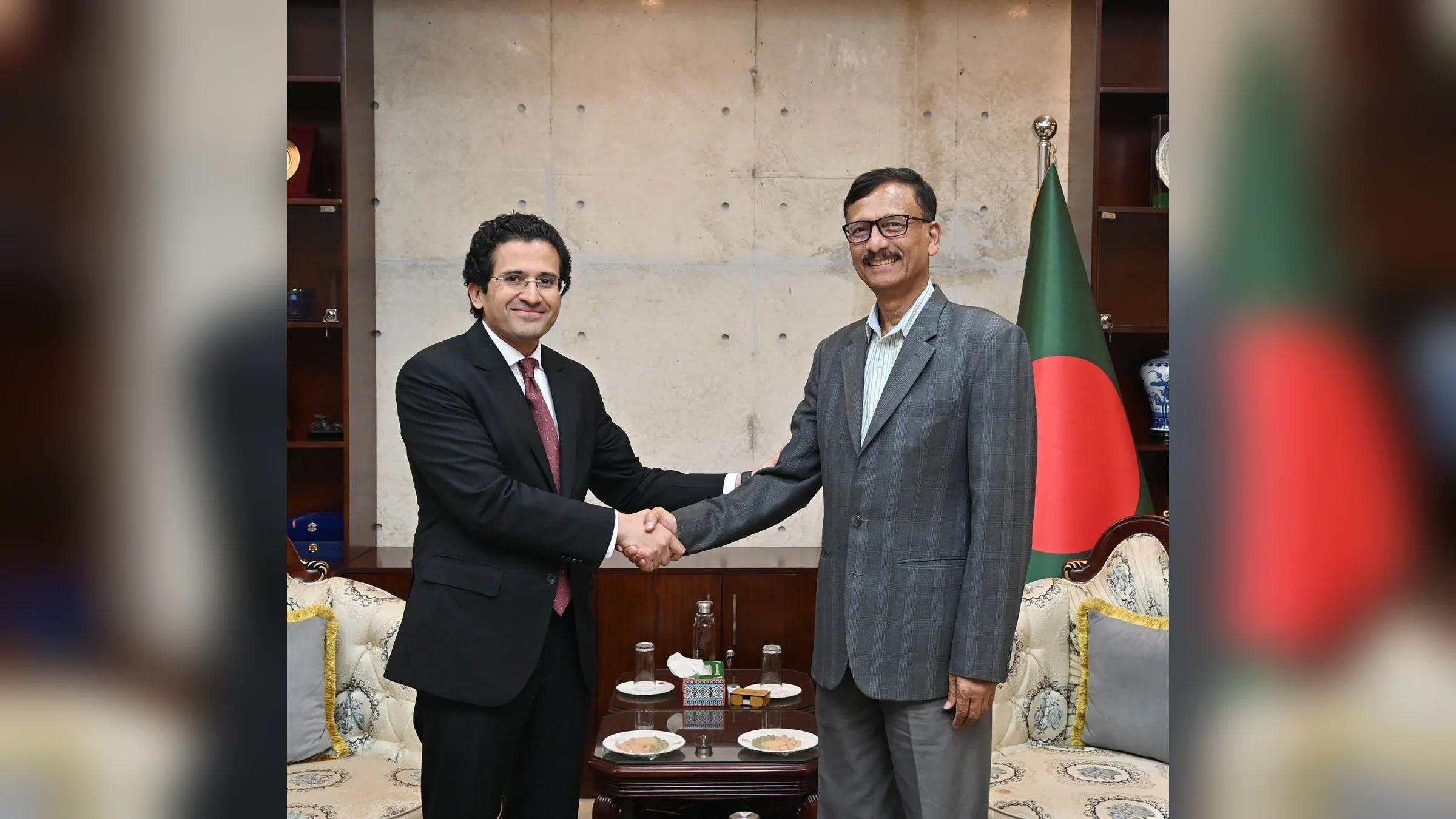
The Foreign Office said the meeting was attended by Minister for Inter-Provincial Coordination Rana Sanaullah, Special Assistant to the Prime Minister Tariq Bajwa and officials of the Petroleum and Finance divisions. JI’s team included Syed Firasat Shah, Nasrullah Randhawa, Inayatullah Khan and Ziauddin Ansari.
Why it matters
Petrol and diesel prices set the cost of transport, farming and almost everything on a shelf, so a cut in the levy would reach every household. But a lower levy means less revenue for the government, which is also under pressure from the IMF to wind down fuel support. That is why the final form of any agreement matters more than the headline: relief for cars under 1,000cc and tractors is a targeted measure, while a full abolition would be far more costly.
Oil’s fall this week helps. Brent crude dropped to about $89.65 on Tuesday after the US signalled it did not plan major combat in Iran, as we report in our G7 story, which gives the government more room to cut prices without breaking its fiscal plan, if the fall lasts.
What we do not know
- Whether the government has put numbers on any levy cut.
- Whether the IMF has been consulted on the proposed deal.
- When the prime minister will meet Mr Rehman.
JI says it will not keep talking indefinitely and is ready to leave the table once the talks stop being useful. What to watch is the date of the Shehbaz-Rehman meeting, the text of any agreement, and whether JI keeps its mid-November deadline for the march.
Comments
Comments are reviewed by our editors before they appear. Please keep them civil and on topic. See our terms.
No comments yet. Be the first to share your view.