

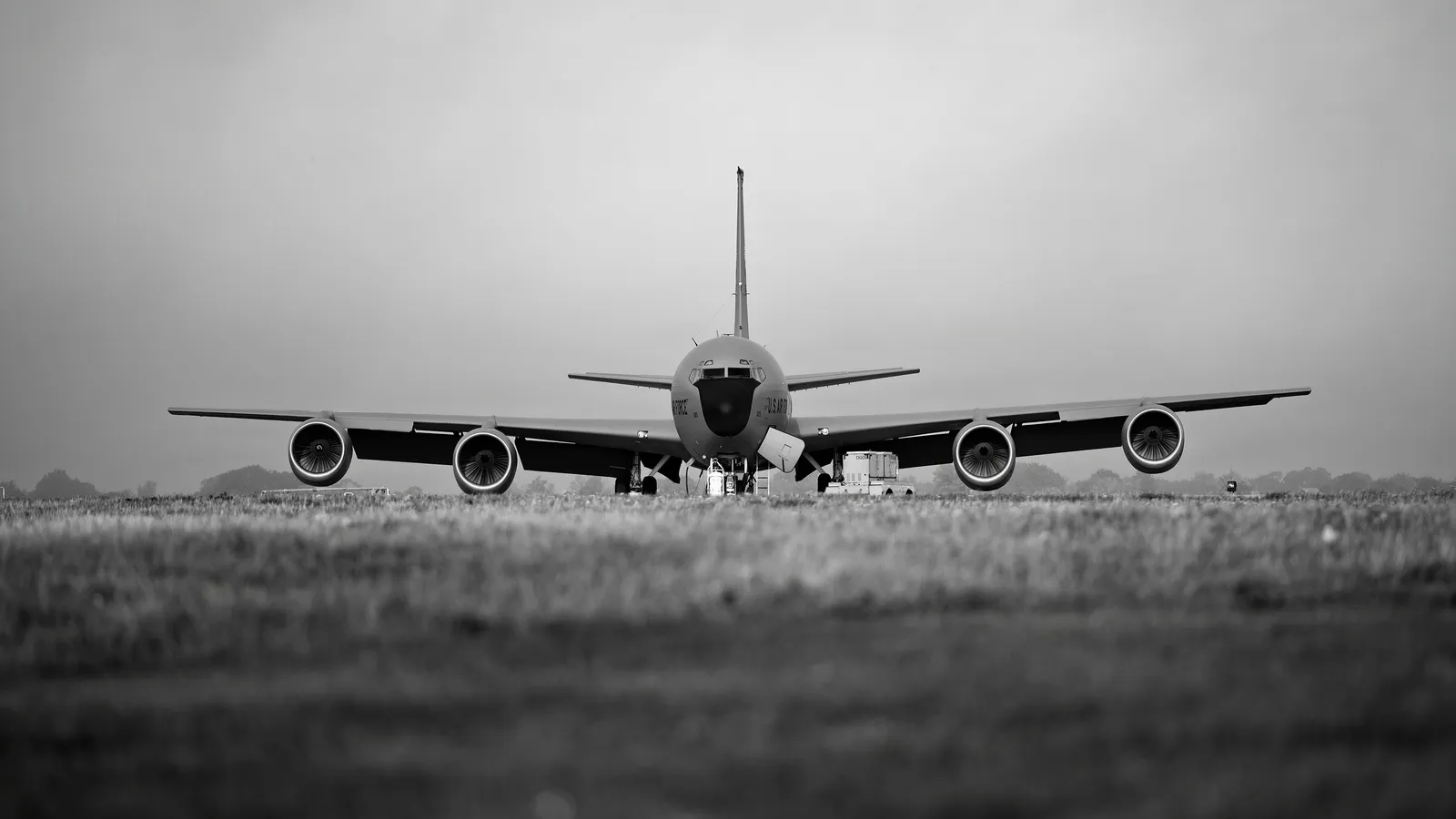
The British government has said its military bases are safe after the United States moved a large number of aircraft away from RAF Mildenhall, an air base in eastern England. The move, which the Wall Street Journal linked to a threat from Iran, is the second time in three months that American aircraft have been pulled from a British base for security reasons.
What was seen
Public flight-tracking records show that no fewer than ten Boeing KC-135R Stratotanker refuelling aircraft departed from Mildenhall on Monday. Germany received one, Scotland one and Spain two; where the other six went is not known. Three or more Osprey aircraft also left, touching down at RAF Lakenheath, a second base about four miles away. Reuters checked a video taken by a passer-by that shows two Ospreys on the Lakenheath runway.
US European Command said aircraft are shifted between bases for many reasons, and that it does not discuss force protection measures. Requests to the White House and the Pentagon, sent outside office hours, had not been answered.
The British response
Prime Minister Andy Burnham’s spokesman called base security “a top priority”, saying ministers work with police and allies on it, keep the measures under constant review and are spending on air defence and counter-drone systems. Asked whether he was confident that the bases were safe, he replied: “Yes.”
What the Journal reported
The Wall Street Journal reported that an Iranian threat lay behind the move, and that American officials were still debating what exactly it involved. Citing a US official, it also said the security level at Mildenhall and Lakenheath had been raised to FPCON Charlie, the second-highest defensive alert.
Tehran denies involvement in particular attacks in Britain, but its Islamic Revolutionary Guard Corps (IRGC) has declared airbases used by American forces, in Britain and elsewhere, to be legitimate targets. For months London has cautioned that Iran is plotting attacks and enlisting people over the internet to carry them out.
A pattern since September
| When | What happened |
|---|---|
| September | The US removed bombers used in strikes on Iran from RAF Fairford after a group of men approached the base in white vans |
| October | Two men were charged in connection with the Fairford incident; prosecutors allege one tried to help Iranian intelligence in Britain |
| October | Britain’s domestic spy chief Ken McCallum said Iran-linked operations had led to more than 50 arrests in a year |
| Monday, November 9 | At least 10 tankers and three Ospreys leave Mildenhall |
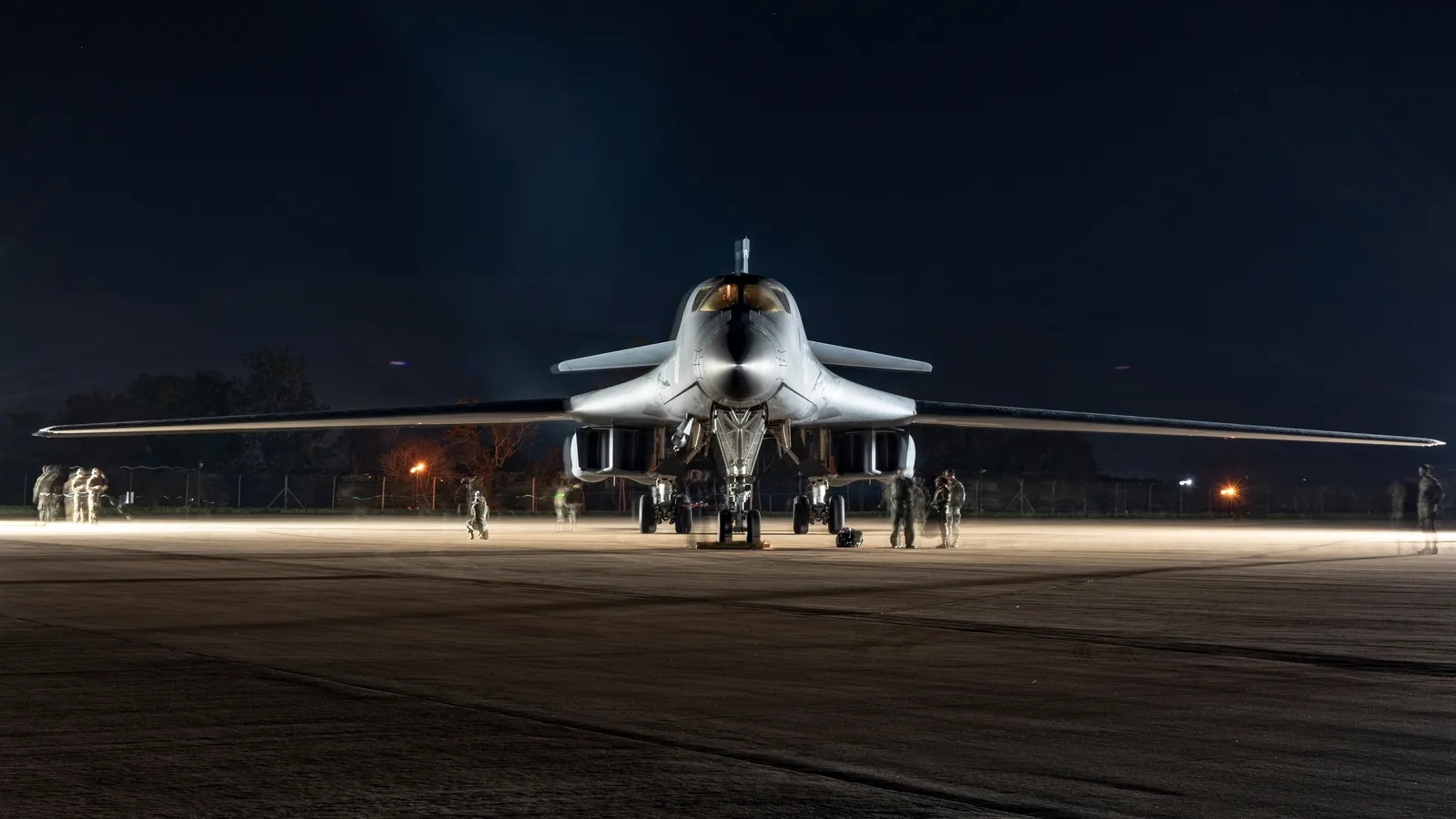
Mr McCallum warned that Iran was trying harder to hit tougher targets, such as military sites, even though its previous activity had been limited by the lack of skill of the criminals it used as proxies. Mr Burnham has said that the activity at Fairford was “highly likely” to have been coordinated in Iran. The Fairford incident, which remains largely unexplained, drew wide attention, and we reported on the US removal of B-1 bombers from RAF Fairford and on Britain’s accusation against the IRGC.
Why it matters
Mildenhall’s tankers allow American combat aircraft to fly longer distances, so moving them is a sign that US commanders see a real chance of an attack, or want to be seen taking care. It also shows how far the war between the United States and Iran has reached beyond the Gulf. Western governments fear sabotage and attacks at home, not only strikes in the Middle East.
At the same time there is room for caution. The Wall Street Journal’s account rests on unnamed US officials, the US has not confirmed a specific threat, and the aircraft may simply have been moved for operational reasons, as European Command suggested. Iran has not commented on this report in the pieces we have seen.
The diplomacy runs in parallel. Washington said this week that major combat operations in Iran are unnecessary, as we report in our story on Secretary of State Marco Rubio’s talks with the G7, but defensive measures at bases show that officials are preparing for the possibility that the pause does not hold.
What to watch
- Whether the US or Britain says what kind of threat prompted the move.
- Whether the aircraft return to Mildenhall in the coming days.
- Whether more arrests or charges are announced in Britain over Iran-linked plots.
- Whether Iran responds to the reports.


Comments
Comments are reviewed by our editors before they appear. Please keep them civil and on topic. See our terms.
No comments yet. Be the first to share your view.