

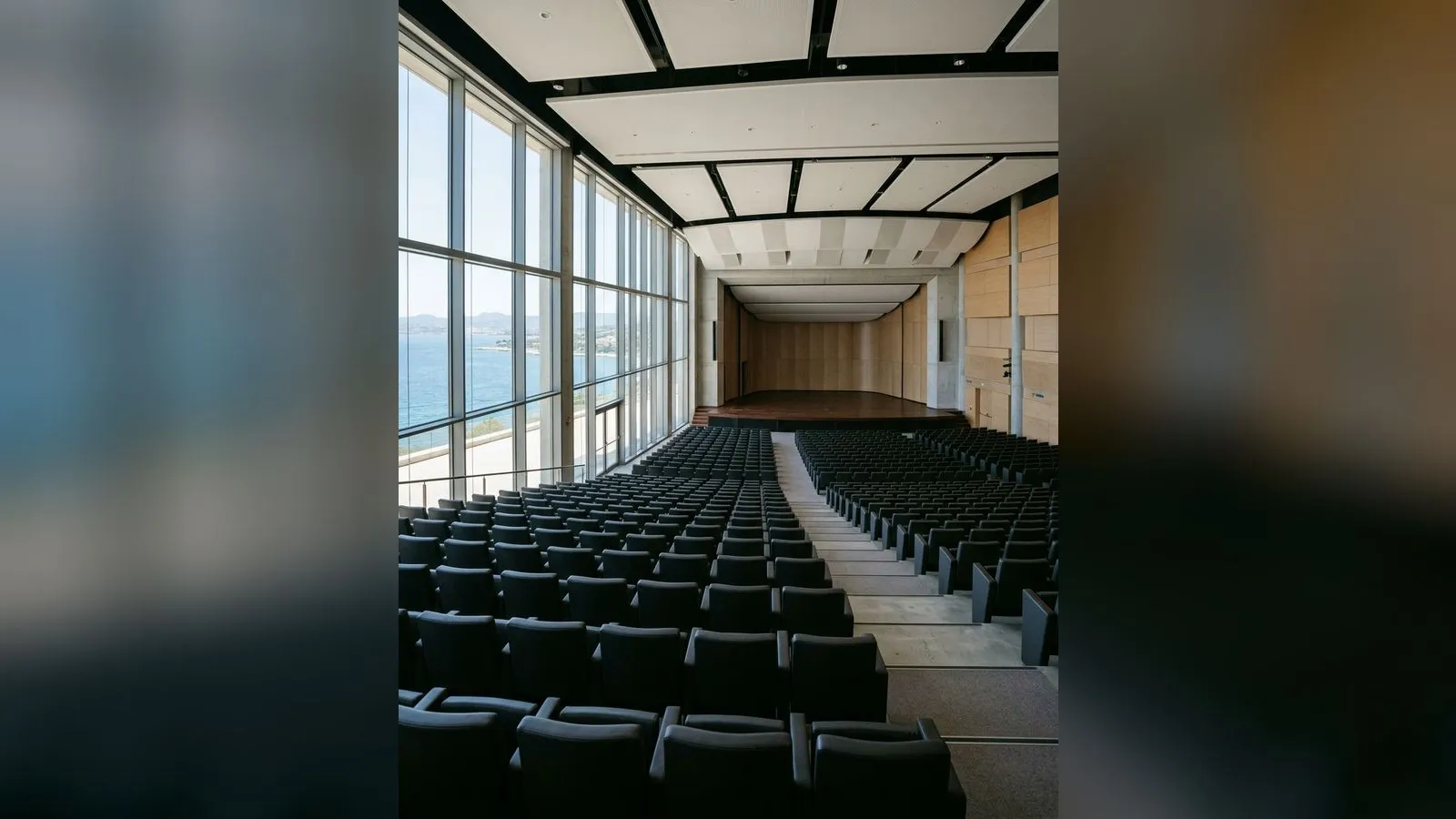
The world’s annual climate summit has started in the Turkish resort city of Antalya with the familiar fight: who pays. COP31 opened on Monday, an hour late and without an explanation, after negotiators spent Sunday night arguing over whether developing countries’ demands on climate finance would even make it onto the official agenda.
The fight before the first speech
Poorer countries want the formal agenda to cover money. One item is a platform agreed at last year’s COP30 in Brazil to discuss how wealthy countries should fund the rest of the world’s climate action. Another, pushed by African countries, is a tripling of adaptation finance, the money used for sea walls, drought-resistant crops and similar protection. Jasper Inventor, who leads Greenpeace’s delegation, said developed countries were “taking a hard line” on the first item and called it a “difficult start”.
Rich countries, for their part, are signalling that they have little to offer. According to AFP, a senior European Union official warned last week that “no political will” existed in Europe for extra funding pledges at this conference. Observers do not expect a major breakthrough, partly because the oil price shock and the wars in Iran and Ukraine have taken political attention and money elsewhere.
What Guterres asked for
UN Secretary-General Antonio Guterres said the world has “entered a new age of climate extremes”. He asked leaders to cut emissions faster, speed up a fair move away from fossil fuels, and deliver “the finance and protection vulnerable countries need”. He pointed to a year of European heatwaves, big wildfires in Indonesia and catastrophic floods in Nepal, with an unusually strong El Nino adding to the disruption.
The World Meteorological Organization released a report on the same day showing that 2026 has continued the run of exceptional temperatures, ice loss and sea-level rise. The EU’s Copernicus service said last week that 2026 is on track to be the second-hottest year on record, and scientists say 2027 could be hotter still. In September the UN warned that the world is on course to pass 1.5 degrees above pre-industrial levels, the most ambitious Paris Agreement limit.
Who is running it
Turkey is the host and president of the conference, while Australia leads the negotiations, an arrangement that settled a dispute over who would host. They call it the “implementation COP”, meaning a push to turn earlier promises into action. Turkey has also put forward an “action agenda” with voluntary pledges on subjects from artificial intelligence to waste, and an electrification drive that would raise the share of global energy use met by electricity from about 20 per cent today to 35 per cent by 2035. The EU wants the word “clean” added before electrification, which hints at a fight over the place of fossil fuels.
Countries promised at COP28 in Dubai in 2023 to move away from fossil fuels, but have struggled to agree how. COP30 closed without naming fossil fuels in the final deal, after oil-producing countries objected; Brazil instead issued a voluntary roadmap that each country can adapt.
The United States is the notable absentee. President Donald Trump has sent no officials, although a congressional delegation, including Democrats who gained from last week’s midterm win, will attend.
What it means for Pakistan
Pakistan is among the countries that argue climate finance is a matter of fairness, since it contributes a very small share of global emissions while suffering severe floods and heat. We reported last month that Pakistan pressed the UN on climate finance and respect for water treaties. A new UN assessment of extreme heat in Punjab shows what is at stake at home. If the finance row blocks the agenda, adaptation money, the kind that helps farmers and cities cope, is the part most likely to be delayed.
What to watch
- Whether the agenda is adopted without the finance items, and whether developing countries walk back their demands.
- Whether any country offers new money for adaptation in the first week.
- How the electrification proposal is worded, and whether fossil fuels are mentioned in any draft.
- How far the American congressional delegation goes in signalling the US position after the midterms.
Comments
Comments are reviewed by our editors before they appear. Please keep them civil and on topic. See our terms.
No comments yet. Be the first to share your view.