


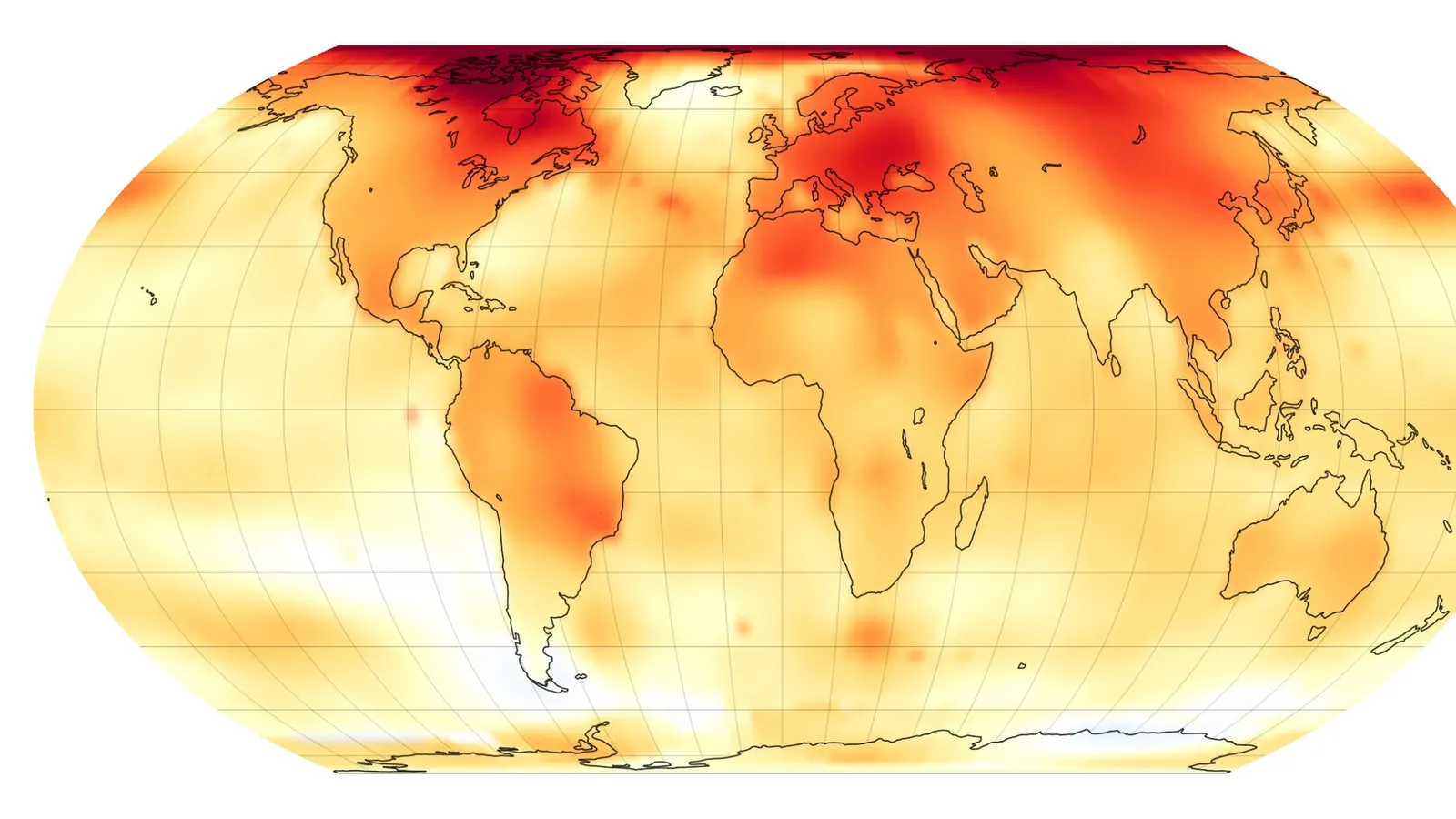
Global temperatures are heading for the second-highest annual average ever recorded in 2026, the European Union’s climate service said on Friday. Copernicus blamed an unusually powerful El Nino, which is piling extra heat on top of warming caused by human activity. There is still a one-in-five chance, it added, that 2026 matches or beats 2024, the hottest year so far.
The figures in Copernicus’s monthly bulletin
- October: The warmest October in the record, with the global surface air temperature 1.75C higher than in the pre-industrial period of 1850 to 1900. The Tribune’s account noted it was the third straight month above 1.5C.
- The year: Copernicus now calls it “virtually certain” that 2026 as a whole will pass 1.5C above pre-industrial levels.
- Four years together: The 2023 to 2026 average is also expected to be above 1.5C, the aspirational ceiling in the Paris Agreement.
- The oceans: Sea-surface temperatures were at record levels too, and the El Nino set an all-time high in a key stretch of the Pacific last month.
Samantha Burgess, who leads on climate at the European Centre for Medium-Range Weather Forecasts (the body that runs Copernicus), said the month had kept up a pattern of “remarkable global warmth” and that the strong El Nino was adding heat to a climate already altered by human activity.
What El Nino does to the weather
El Nino is the warm half of a natural cycle in the tropical Pacific. For a while it lifts sea temperatures there and shifts weather patterns across the world, which can bring drought to some regions and floods to others on top of the long-term warming. Forecasters have said for months that this one could turn out to be the strongest on record and that it should peak later this year. Some say it may make 2027 the hottest year ever.
Why 1.5C matters, and what it does not mean
At the 2015 Paris talks governments agreed to hold warming “well below” 2C and to try for 1.5C. One year above 1.5C does not break that goal, which is judged over the long run. But the UN said in September that the long-term 1.5C target would be missed within a few years. Scientists argue that cutting fossil fuel emissions fast is the way to keep any overshoot short and to bring temperatures back down.
The next step: COP31
Countries gather on Monday in Turkey for the two-week COP31 summit. The bulletin lands after a year of deadly floods in Nepal, heatwaves in Europe and big wildfires in Indonesia.
What it means for Pakistan
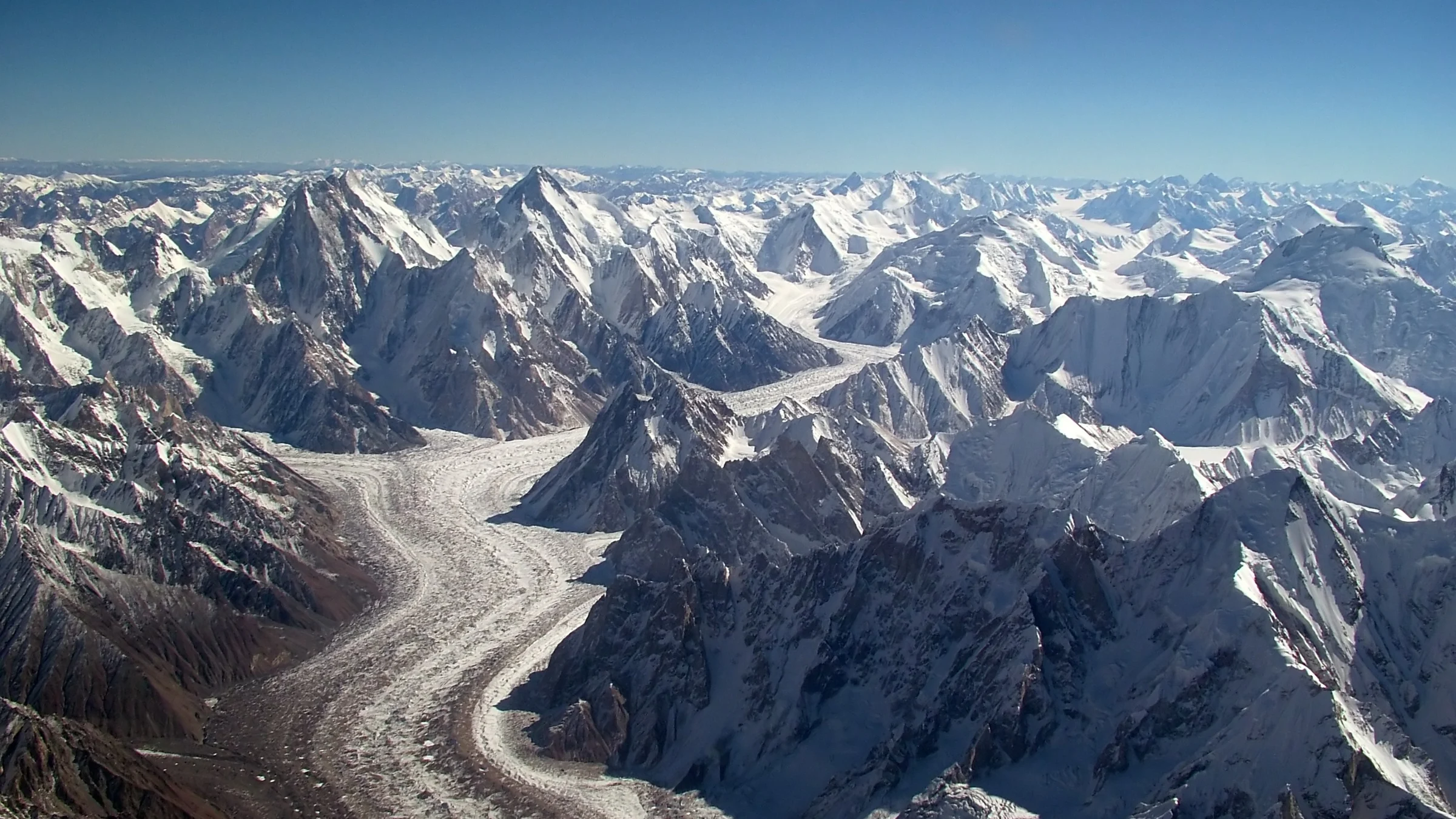
Pakistan was hit by severe floods in 2022 and 2025. This week a government delegation told a UN committee that 600,000 of the 2.1 million homes destroyed in 2022 have been rebuilt; our report on that review is here. The UN has also warned that this El Nino is going “off the charts” and could leave around 50 million people hungry, as we covered in our story on its warning. A country that relies on monsoon rain, glacier melt and steady harvests faces more risk from both floods and drought in a hotter year.
Three things to follow: whether COP31 produces firmer emission cuts or more money for climate-hit countries such as Pakistan, how strong the El Nino becomes at its peak, and whether 2026 finishes second-hottest or ties 2024.


Comments
Comments are reviewed by our editors before they appear. Please keep them civil and on topic. See our terms.
No comments yet. Be the first to share your view.