
Pakistan has called for urgent action on climate finance, a fairer international debt system and respect for existing water treaties, in a wide-ranging address to the UN General Assembly’s Second Committee.
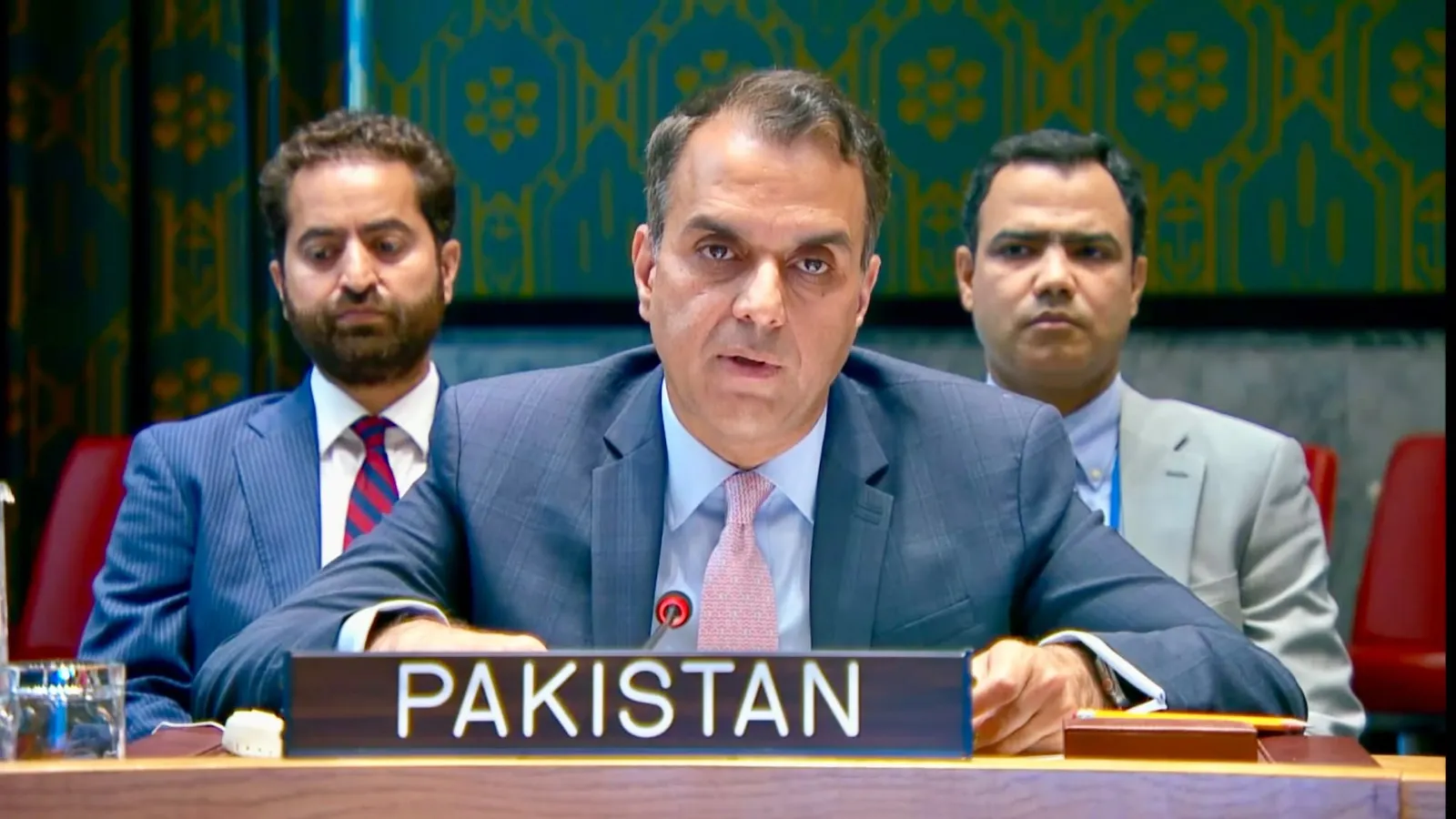
Ambassador Usman Jadoon, Pakistan’s Deputy Permanent Representative to the United Nations, spoke on Tuesday in the committee’s general debate, which follows the high-level debate of the 81st session. He said the committee must deliver tangible results on some of the world’s most pressing economic and development problems.
The Second Committee handles economic and financial issues, including development, trade, debt, climate change and technology. Its talks draw less attention than leaders’ speeches, but they are where the resolutions and frameworks that turn international commitments into practice are negotiated.
Climate money for vulnerable countries
Jadoon called for a credible pathway to mobilise $300 billion in climate finance, including through grants and concessional loans. He also urged a tripling of adaptation finance and proper funding for the Loss and Damage Fund.
Pakistan backed Turkiye and Australia in their effort to make the coming COP31 summit a “COP of delivery”, saying climate pledges must turn into resources and concrete action for vulnerable developing countries. The point carries weight for Pakistan, which remains highly exposed to climate disasters and faces heavy financial pressure in dealing with their aftermath.
Shared waters and treaties
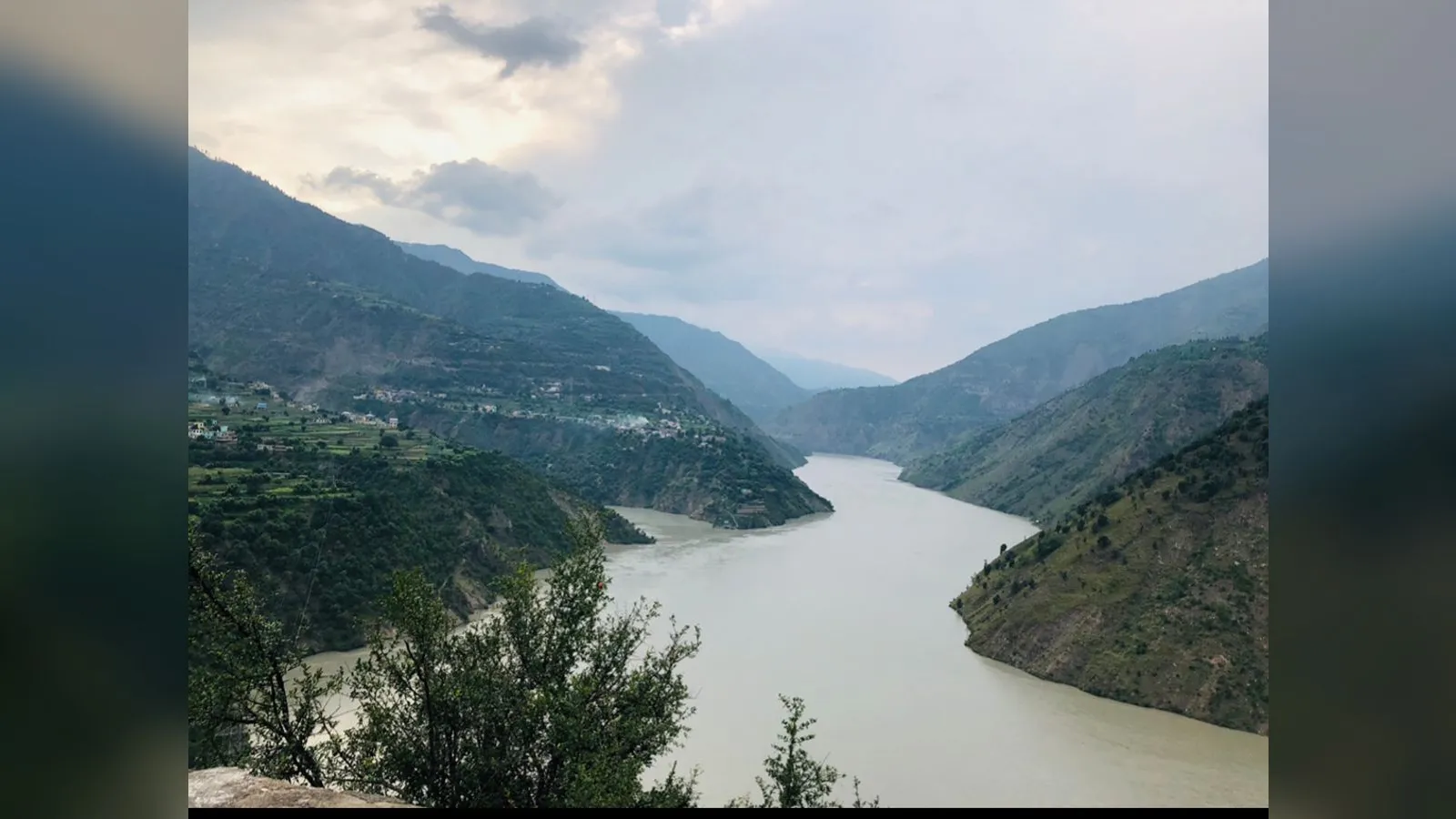
Jadoon said the UN Water Conferences in 2026 and 2028 should address the full range of water challenges, with special emphasis on cooperation over shared waters. He stressed the need to respect international law and to uphold the sanctity of existing treaties.
The remark comes as Pakistan presses its case over the Indus Waters Treaty (IWT). India unilaterally placed the 1960 treaty “in abeyance” in April 2025, a step Pakistan says the treaty does not allow. In a video message to a water symposium in Vienna on Tuesday, Deputy Prime Minister and Foreign Minister Ishaq Dar warned that any attempt to deprive Pakistan of the waters allocated to it “would have serious implications for regional peace and security”. Dar noted that the Permanent Court of Arbitration said in an award on August 31 that the treaty “remains fully in force”.
In Geneva, Pakistani diplomat Adeel Mumtaz Khokhar told the UN Human Rights Council that India’s action on the treaty amounted to a “weaponisation of water”, Geo News reported. Pakistan helped keep a reference to transboundary water cooperation in a council resolution on safe drinking water, which India had sought to remove, according to Pakistan.
Closing a $4 trillion gap
Jadoon said the annual financing gap for reaching the Sustainable Development Goals is estimated at $4 trillion. Pakistan set out four priorities:
- Domestic resources: more support for developing countries to raise their own revenue, and backing for talks on a UN tax convention that shares taxing rights more fairly.
- Public finance: developed countries should meet their pledge to give 0.7 per cent of gross national income as aid, and multilateral development bank lending should triple, with cheaper borrowing and fairer credit ratings.
- Debt: reform of the global debt architecture and a bigger voice for developing countries. Pakistan was vice-chair of the working group that launched the Borrowers’ Platform, and called for an intergovernmental process on debt to begin without delay.
- Trade: a revitalised World Trade Organisation, restoration of its two-tier dispute settlement system, special treatment for developing countries and an end to unilateral trade restrictions, including environmental ones.
AI and the development divide
Jadoon warned that artificial intelligence could become the new face of the development divide, leaving developing countries further behind in technology, skills and investment. Pakistan called for more attention to development in AI governance, action on a WSIS+20 AI capacity-building fellowship and progress towards a global fund for AI.
This article draws on reporting by Dawn and Geo News.
Comments
Comments are reviewed by our editors before they appear. Please keep them civil and on topic. See our terms.
No comments yet. Be the first to share your view.