

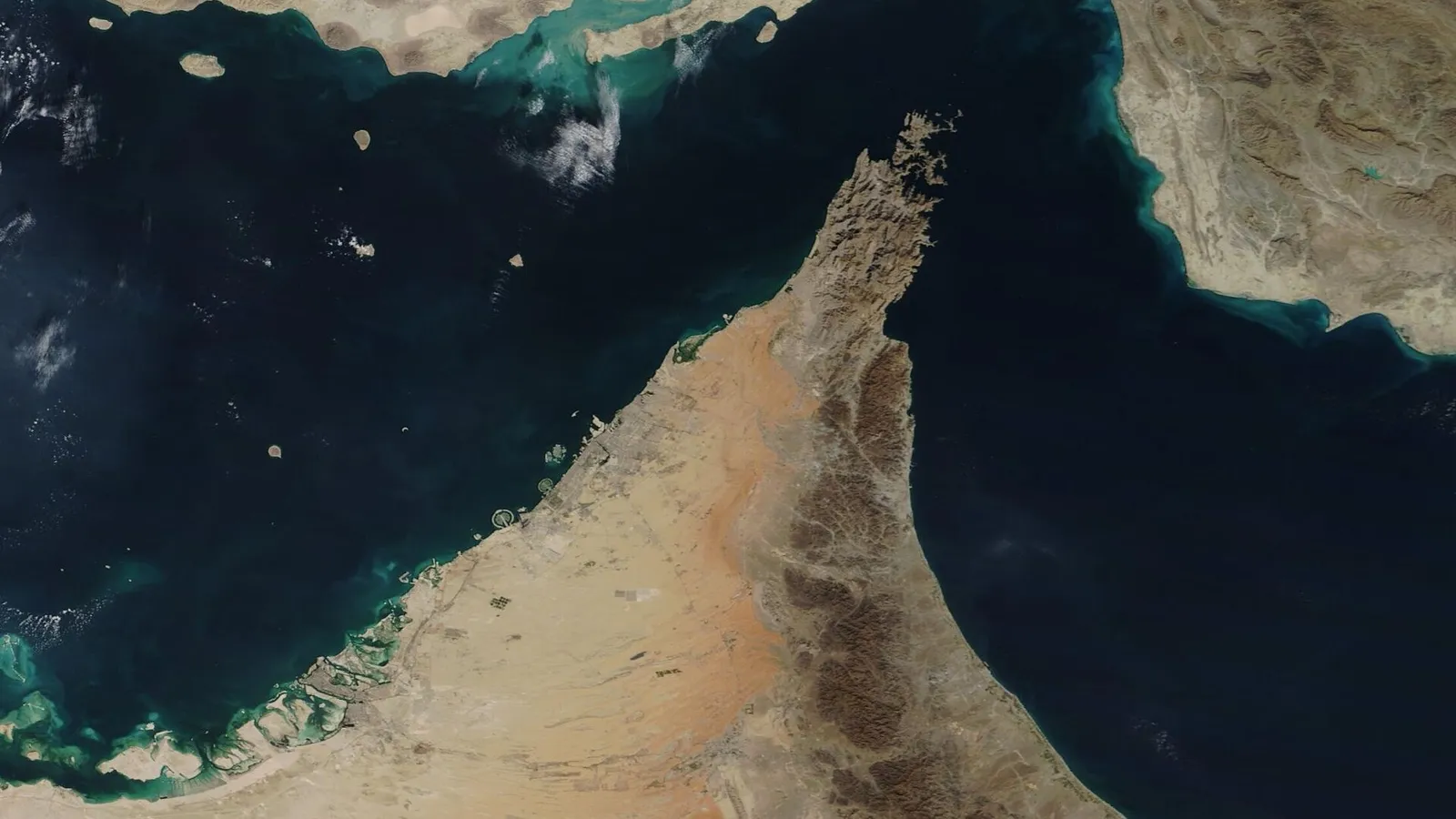
The United States and Iran could return to the negotiating table within days over the Strait of Hormuz, US President Donald Trump has said, even after rejecting a proposal from Tehran to reopen the waterway in return for an end to all hostilities in the Middle East.
Trump told the news site Axios that his negotiators would engage their Iranian counterparts over the next few days, in what appeared to be an attempt to break the deadlock over the strait, through which a large share of the world’s oil passes.
Iran’s offer and the US response
Iran unveiled a peace proposal at the UN General Assembly in New York last week, saying it had been passed to Washington through Qatari mediators. The plan called for:
- An end to all hostilities in the Middle East, including in Lebanon
- A return to the terms of the ceasefire deal that collapsed a few months ago
- Under that deal, the release of frozen Iranian assets, the lifting of sanctions on Iranian oil and an end to the US naval blockade
Trump rejected it, according to The Wall Street Journal, which cited unnamed US officials. He said the Iranians were “losing badly” and wanted a deal to reopen the strait. “They want to make a deal and I think that’s fine. I like making a deal too,” he said.
The US ambassador to the UN, Mike Waltz, accused Tehran of asking for too much. He told NBC News the proposal was “a pretty cynical attempt” to demand the lifting of the blockade and sanctions and access to billions in frozen assets “just to talk”.
The Journal also reported that Trump was privately sceptical Iran would meet his demands, and had told his staff he considered a renewed bombing campaign likely after the US midterm elections in November.
Tehran: ‘our conditions are clear’
Iranian Foreign Minister Abbas Araghchi said Iran had never closed the door to diplomacy but would not capitulate. “Our conditions are clear, and any move toward reopening the Strait of Hormuz is contingent on these conditions being met,” he wrote on social media, adding that “only a negotiated solution” could end the deadlock.
He said the mediators had not yet formally conveyed a US rejection. “We are waiting for the mediators to convey the definitive views to us, and we will make a decision based on them,” he said.
Warnings and a disputed drone
Military tensions remain high. Iran’s Revolutionary Guards claimed on Sunday to have seized an American underwater drone, which they identified as a Remus 600 autonomous vehicle “operating in the Strait of Hormuz for espionage purposes”. The Pentagon denied the claim.
Army spokesperson Mohammad Akraminia warned that the United States would suffer greater damage if it attacked Iran again, while army commander-in-chief Amir Hatami said the war had reached a “critical and decisive stage”. “If Iran cannot trade, if Iran cannot live, no one will be able to trade or live,” he said.
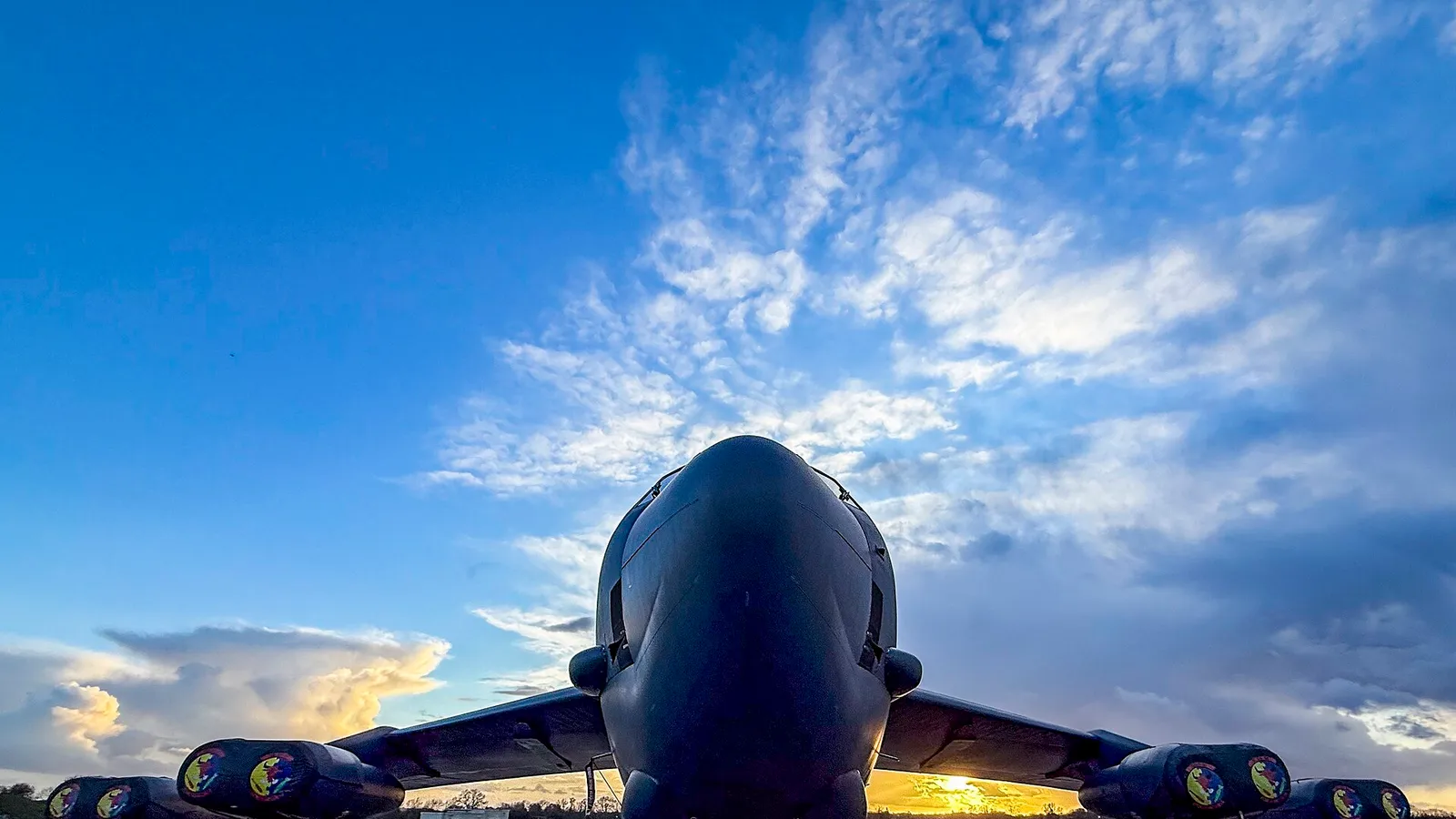
The conflict has already reached far beyond the Gulf. On Sunday, British police arrested five men after a major incident near RAF Fairford, the base the US has used for strikes on Iranian missile sites.
Pakistan’s stake
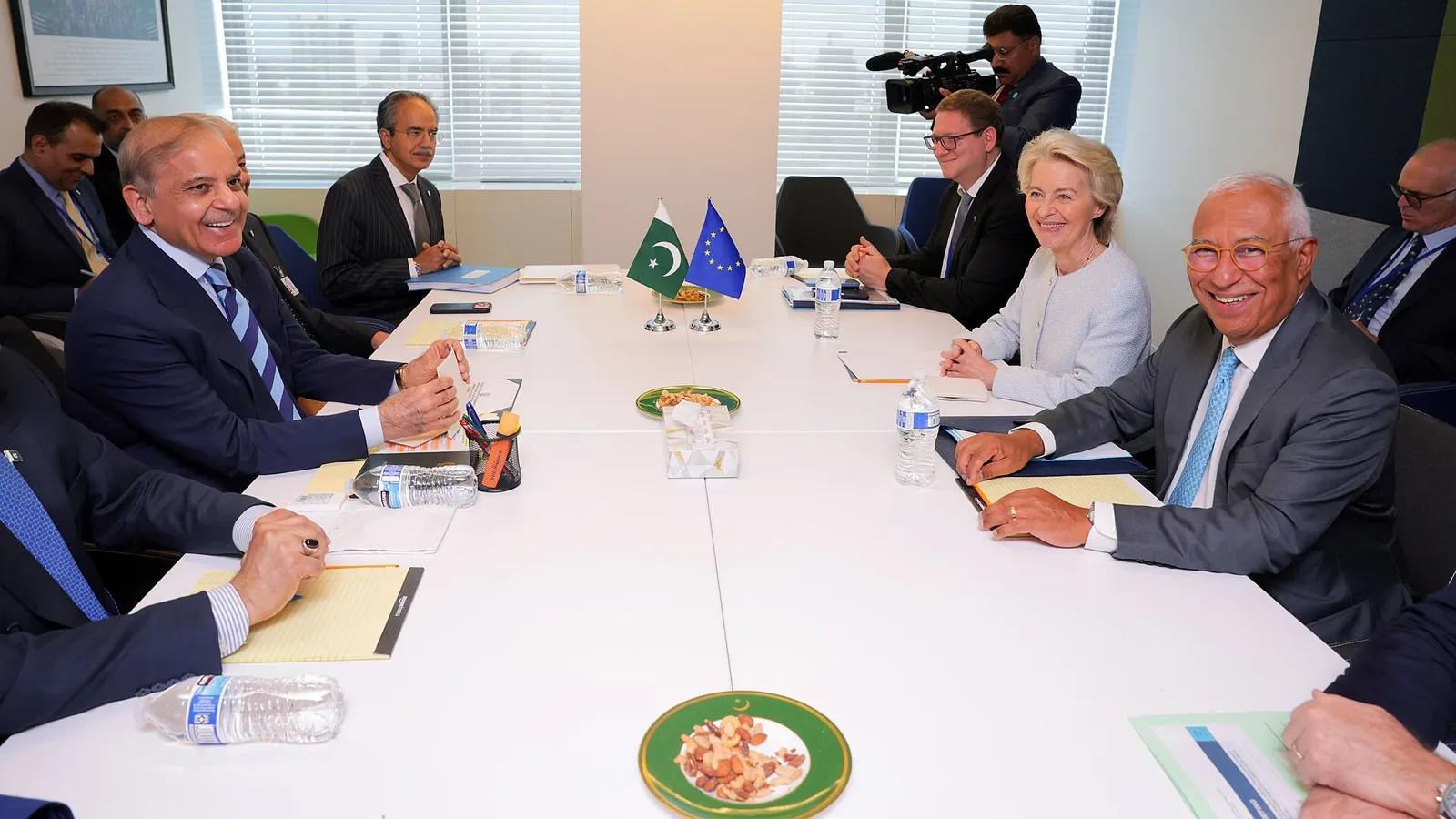
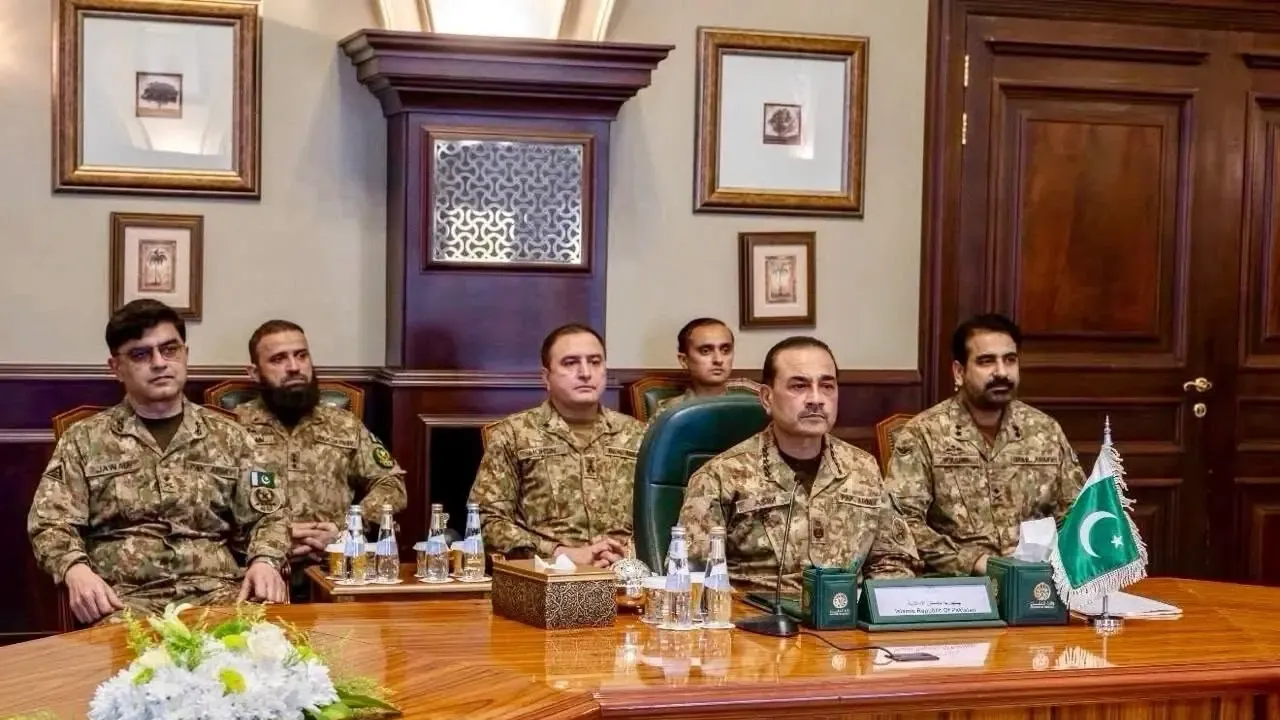
Pakistan has pressed for de-escalation throughout the crisis. At the UN General Assembly, Prime Minister Shehbaz Sharif called for the Strait of Hormuz and Bab al-Mandab to stay open, describing them as arteries of the global economy, and Pakistan’s mediation efforts in the region were praised by the UN Secretary General. As a major importer of Gulf energy, Pakistan is exposed to the conflict through higher oil prices, which are feeding inflation at home.
Why it matters
Any return to talks would offer a rare opening to reopen one of the world’s most important shipping lanes. But the gap between the two sides remains wide: Iran wants sanctions relief and its assets back before it reopens the strait, while Washington says Tehran is asking far too much just to talk. Until that gap narrows, shipping, oil prices and the economies that depend on the Gulf, Pakistan’s among them, will remain under pressure.
This article draws on reporting published by Dawn.
Comments
Comments are reviewed by our editors before they appear. Please keep them civil and on topic. See our terms.
No comments yet. Be the first to share your view.