

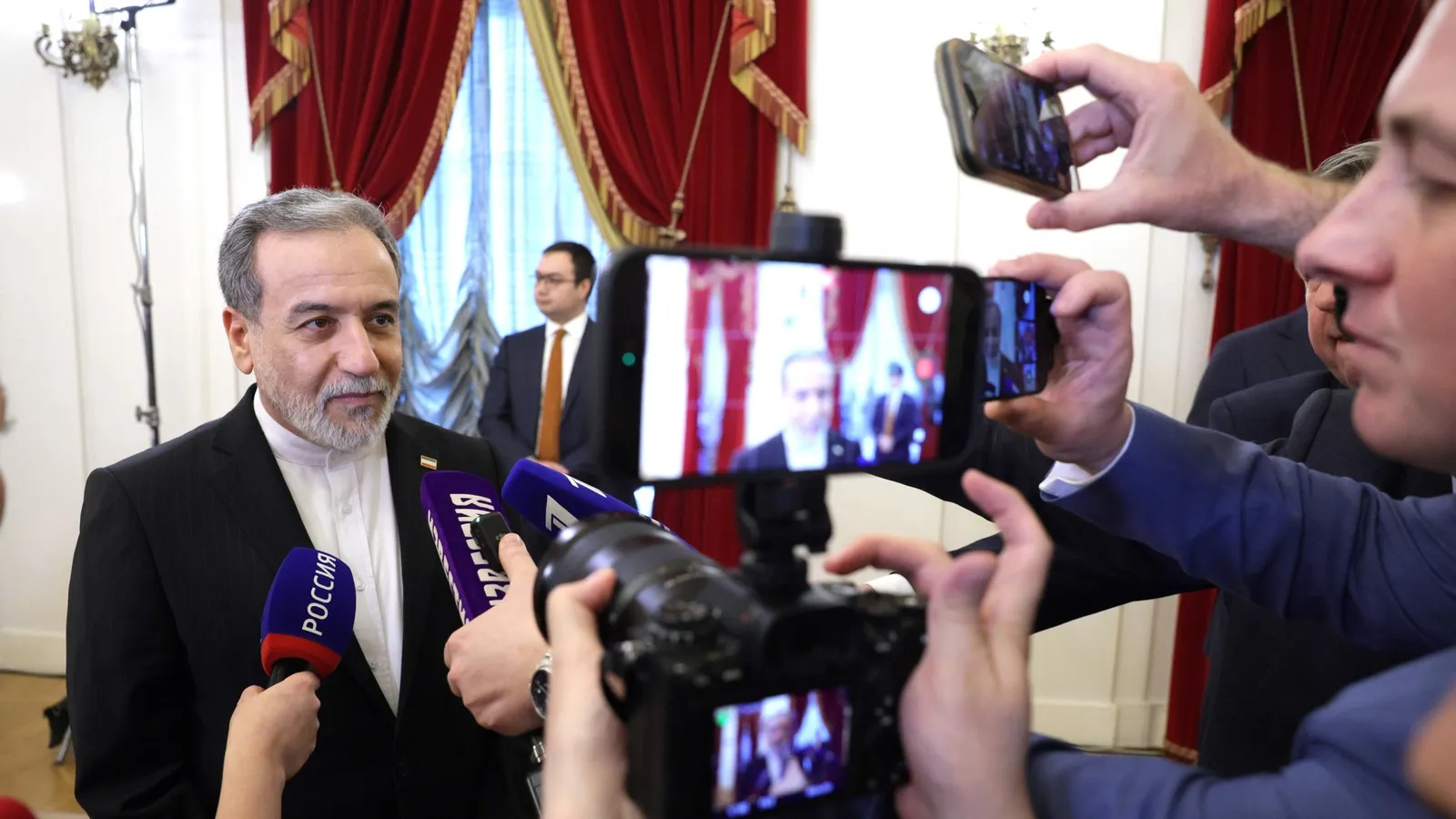
Iran is waiting for Washington’s formal answer on reopening the Strait of Hormuz, with Qatari mediators set to carry fresh Iranian proposals to the United States and a US response expected by Wednesday, September 30. Tehran made clear on Tuesday that its conditions stand, and that the Gulf’s oil will not flow freely while its own is blocked.
Foreign Minister Abbas Araghchi said Qatari mediators would present Washington with “new ideas discussed with Tehran” on the conditions for reopening the strait, according to The Express Tribune. Qatar’s foreign ministry said it was still “working to overcome obstacles between the US and Iran” and trying to “build common ground”.
“Conditions must be implemented for the Strait of Hormuz to be opened,” Araghchi said, describing Iran’s seven-point plan as “completely fair and logical”. Iran’s conditions include an end to hostilities, the unfreezing of Iranian assets, the lifting of oil sanctions and the removal of the US blockade on Iranian ports. Araghchi also ruled out compromises on Iran’s nuclear programme, Iranian state broadcaster IRIB reported.
“No one will sell theirs”
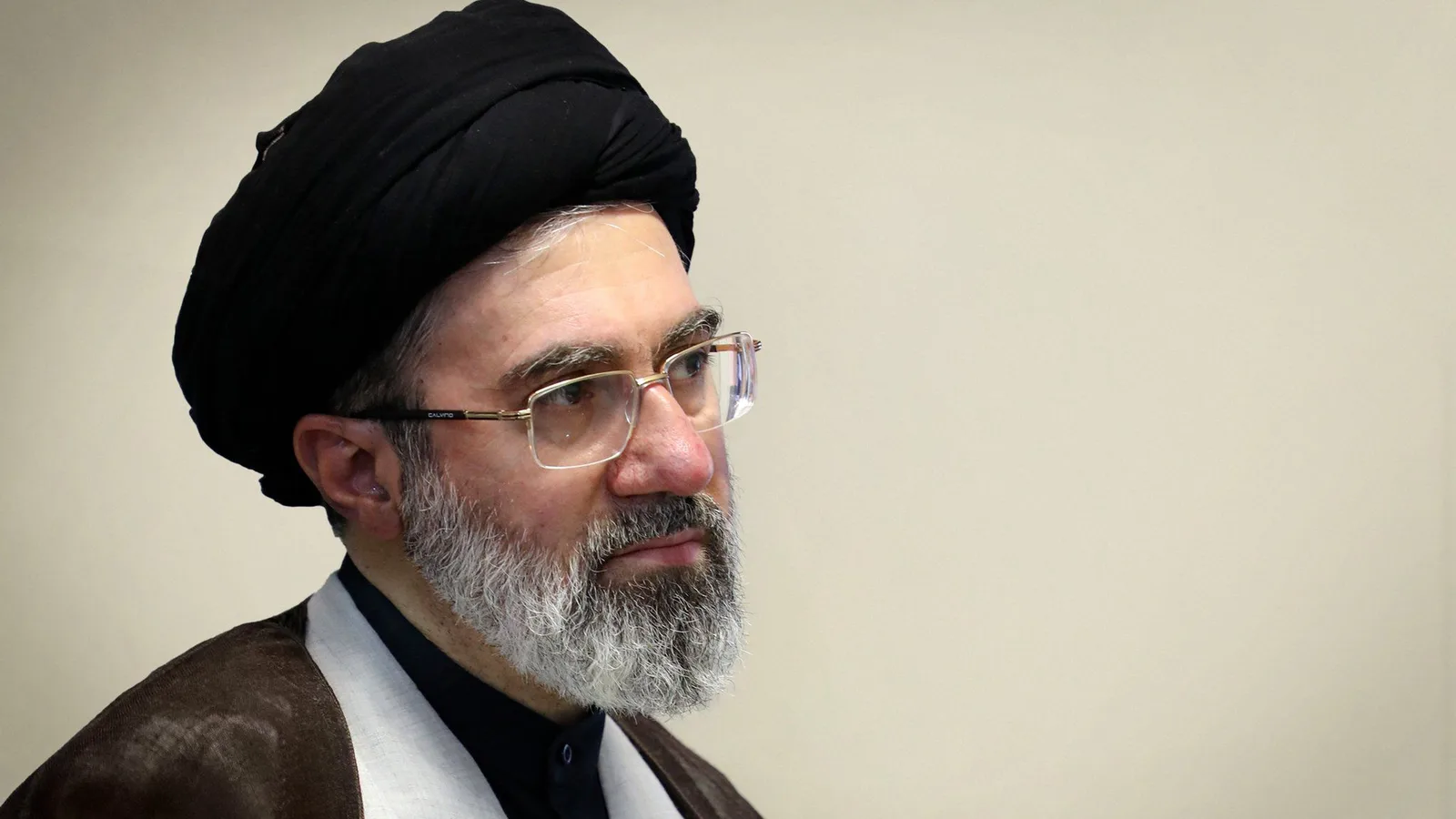
Parliament Speaker Mohammad Baqer Ghalibaf issued the sharpest warning of the day. “In a region where we cannot sell our oil, no one will sell theirs,” he said, adding that if Iran’s “security is not guaranteed, no infrastructure will remain safe”.
The Islamic Revolutionary Guard Corps (IRGC) also raised the stakes. Its spokesperson said Iran would bring “new weapons” to the battlefield if the confrontation “takes on a different form”, and that its forces were prepared for a range of enemy scenarios, the Fars news agency reported.
Rear Admiral Habibollah Sayyari, the Iranian army’s deputy chief for coordination, accused the United States of hiding its true casualty figures from the conflict, Press TV reported.
Vessel hit in the strait
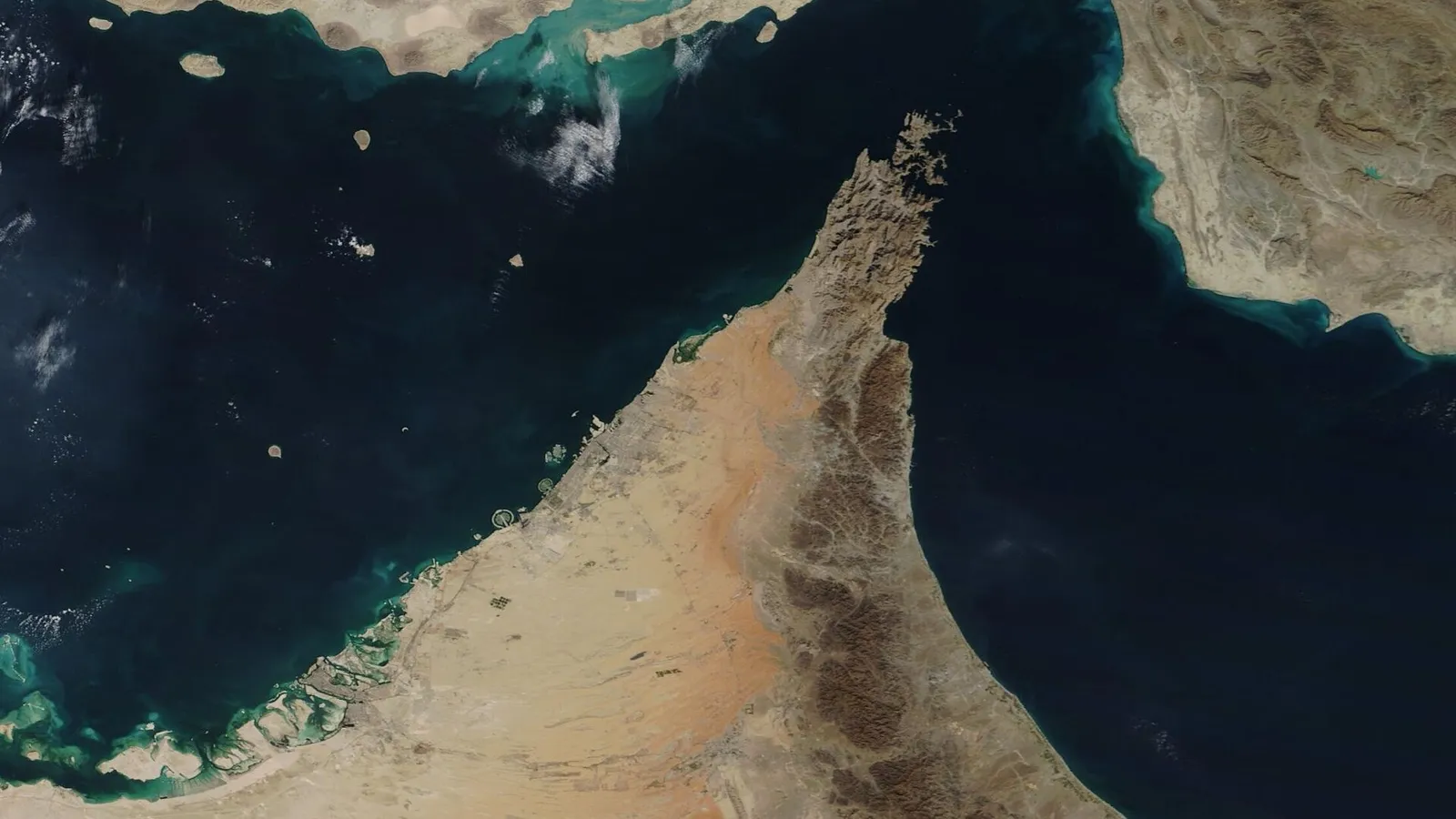
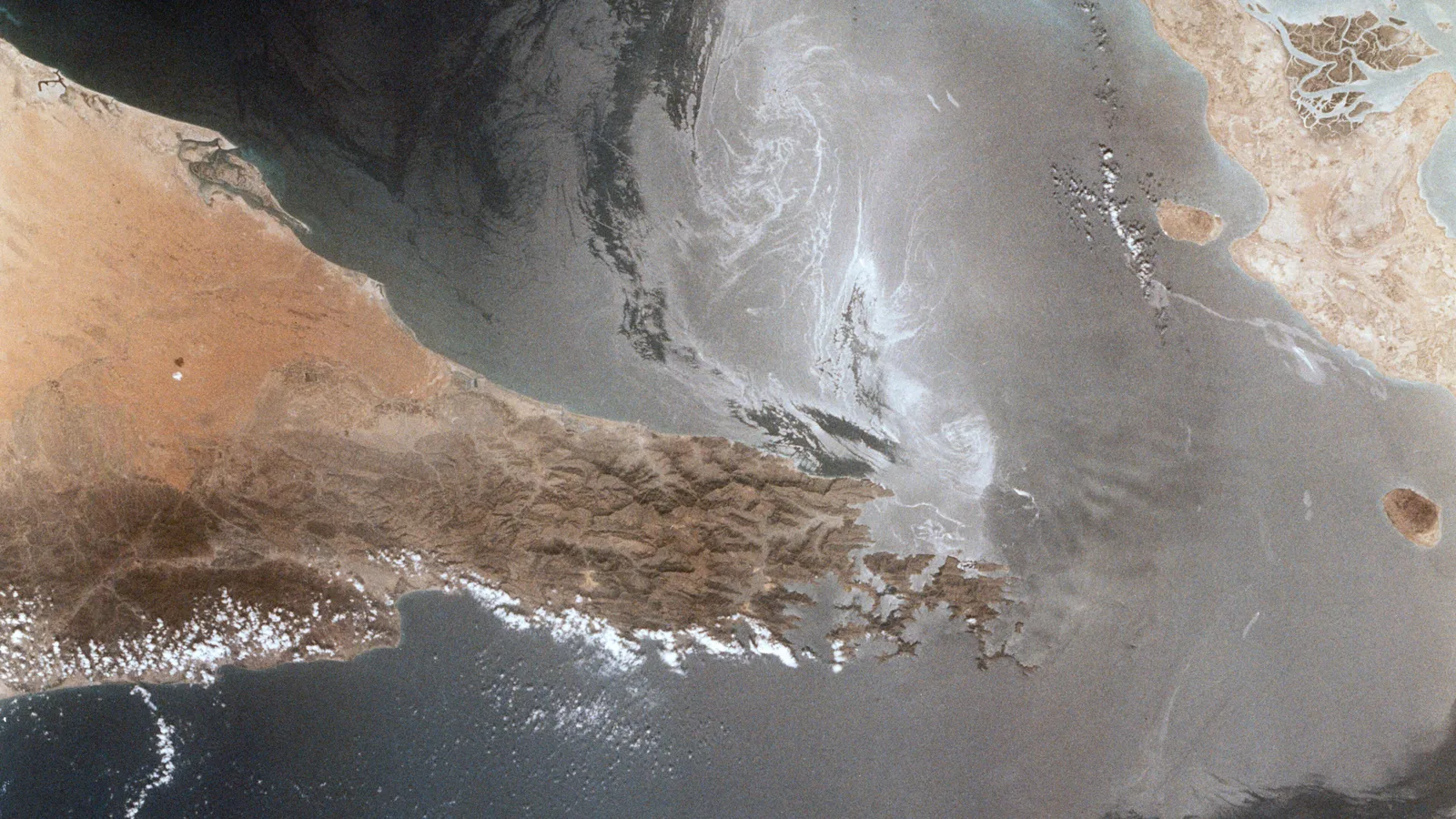
The tension on the water remains real. The UK Maritime Trade Operations centre (UKMTO) said a vessel in the Strait of Hormuz was struck by “a suspected unknown projectile” on Monday evening. The strike caused a fire, which was put out, and the crew were safe.
Araghchi takes Iran’s case to the UN
In New York, Araghchi met UN Secretary-General António Guterres and urged the United Nations to condemn what Tehran calls US “violations” of the UN Charter and its “unlawful interventionist actions”, Tehran Times reported.
Iran also pushed back at the United Arab Emirates. Deputy Foreign Minister Kazem Gharibabadi rejected the UAE’s statements at the UN about three disputed islands in the Gulf as “unfounded claims”, Al Jazeera reported.
Russia, Bushehr and a waiver for pilgrims
- NPT: The Kremlin said it opposes any Iranian withdrawal from the nuclear Non-Proliferation Treaty, spokesman Dmitry Peskov told Reuters.
- Bushehr: Russia’s Rosatom said a unit at Iran’s Bushehr nuclear plant was offline for scheduled maintenance, and that it was expanding its construction workforce at the site.
- Pilgrim flights: The United States granted Iraqi airlines a sanctions waiver to fly Iranian pilgrims to and from the holy city of Najaf, AFP reported, citing Iraqi officials. Washington has denied offering Iran sanctions relief or the release of frozen assets.
A war the whole region is paying for
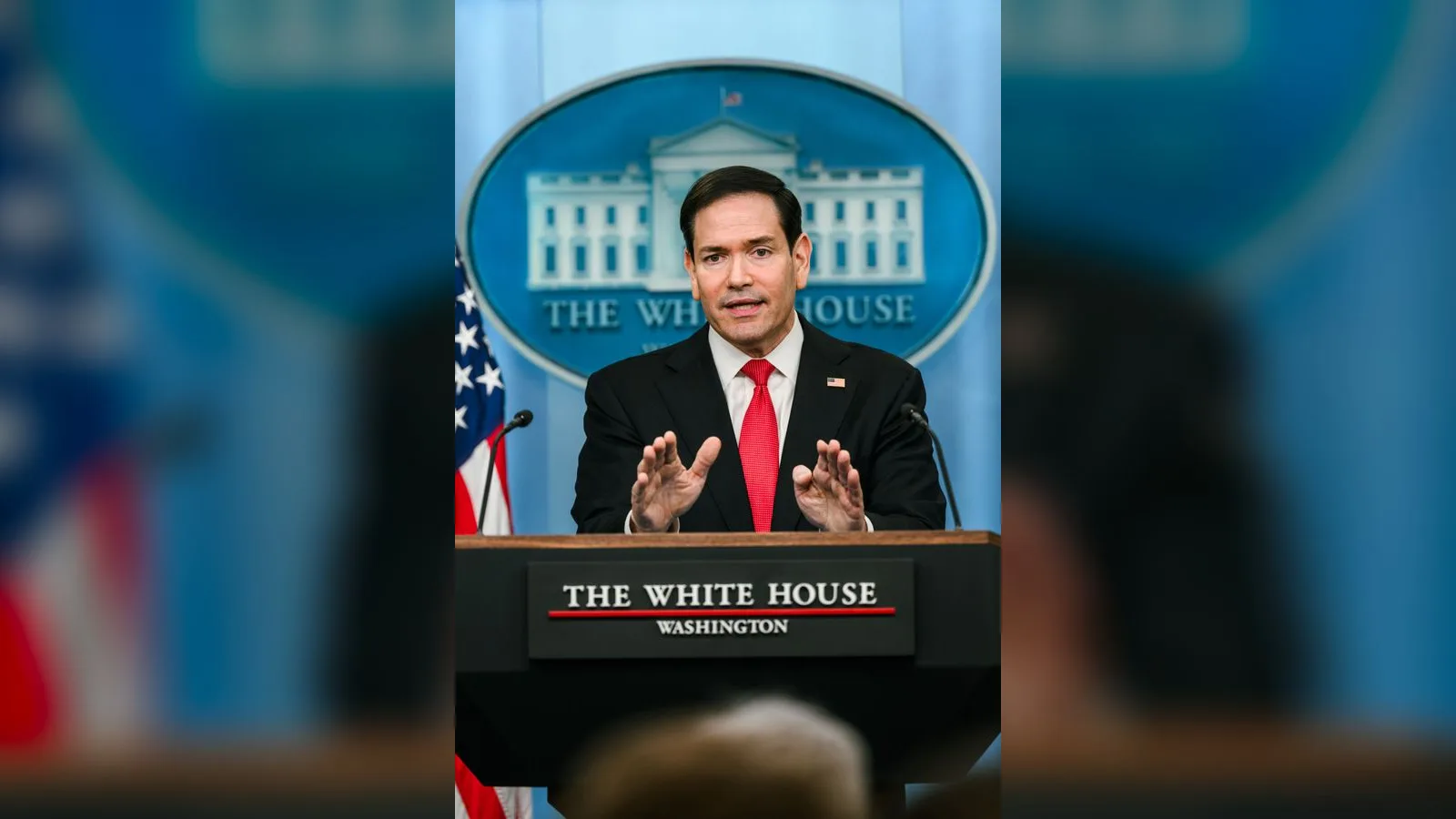
The cost of the conflict is spreading well beyond the battlefield. Lufthansa’s chief executive said the airline’s jet fuel bill would exceed its forecast of 1.5 billion euros because of the war, Reuters reported. US Secretary of State Marco Rubio, meanwhile, said the recent incident at a UK airbase involved “the hands of a foreign actor”, without giving details. Iran has denied any link to it.
Why it matters for Pakistan
Pakistan is one of the two channels, alongside Qatar, through which messages between Washington and Tehran continue to pass, The Express Tribune reported. For Pakistan the stakes are also economic: the closure of Hormuz has already disrupted LNG supplies from Qatar and pushed up fuel costs, and Pakistani markets have been drifting lower on the tensions.
Whether Washington’s reply on Wednesday opens a path to reopening the strait, or hardens the standoff, will shape energy prices from Karachi to Rotterdam. For background, read our earlier reports on what Iran is demanding over Hormuz and on Qatar’s extended LNG force majeure.
This article draws on reporting by Dawn, The Express Tribune and news agencies.
Comments
Comments are reviewed by our editors before they appear. Please keep them civil and on topic. See our terms.
No comments yet. Be the first to share your view.