

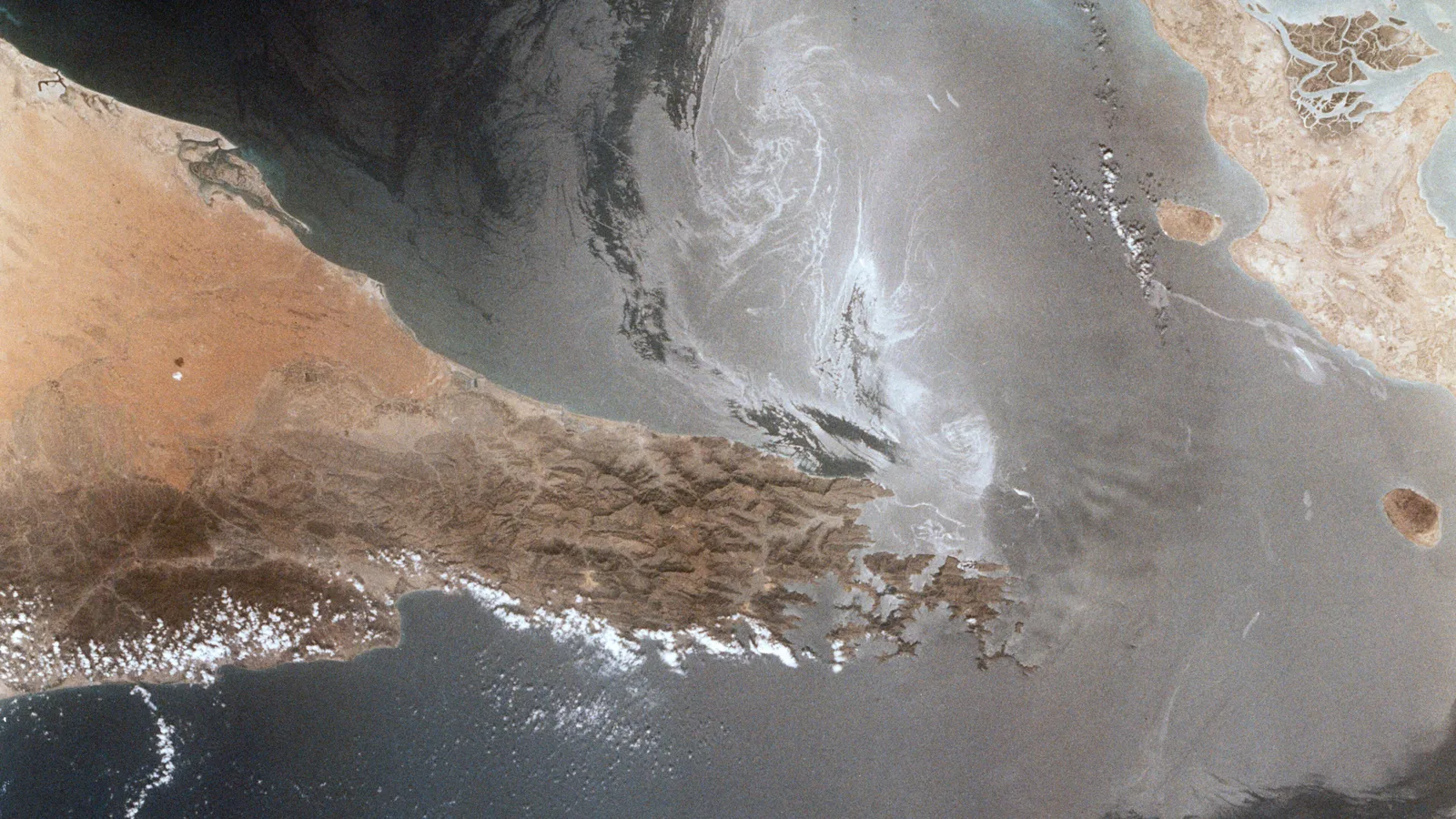
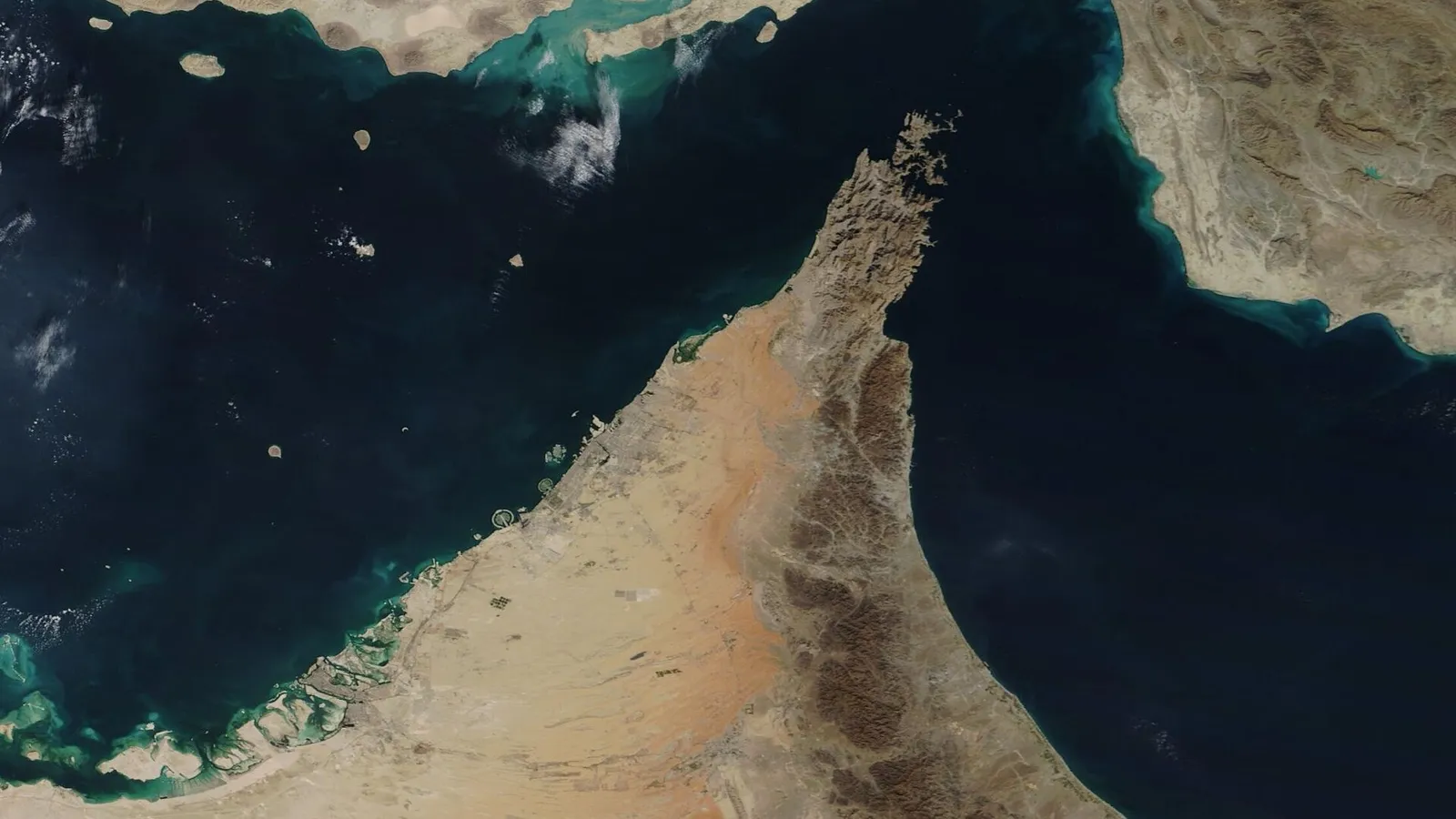
US President Donald Trump has denied offering Iran sanctions relief or the release of its frozen funds, hours after a report said he was ready to do so, as Tehran said it had sent the United States its conditions for reopening the Strait of Hormuz and oil prices jumped to about $107 a barrel.
“I offered them NOTHING!” Trump wrote on his Truth Social platform on Tuesday morning, Pakistan time, rejecting a report by the news site Axios.
The report and the denial
On Monday evening, US officials told Axios that Trump was willing to offer Iran sanctions relief and to release frozen funds in exchange for “concrete Iranian steps” on its nuclear programme. Within hours, the president publicly denied it.
Speaking to reporters on Monday, Trump said US officials had spoken to mediators that day and predicted the US would win the war “very soon”, adding that petrol prices would fall after victory, Reuters reported.
Iran sends its conditions through Qatar
Iran’s Foreign Minister Abbas Araghchi has conveyed what Tehran called “fair and reasonable conditions” for reopening the Strait of Hormuz to the international community and the United States, Iranian state media said on Tuesday. The conditions were in line with the directives of the Supreme Leader, it said, but no details were given.
Iran also said Qatar would pass on the US response after discussions on ideas for negotiations. According to Reuters, the US and Iran were set to hold separate talks with Qatari mediators on an amended Iranian proposal for a seven-day ceasefire.
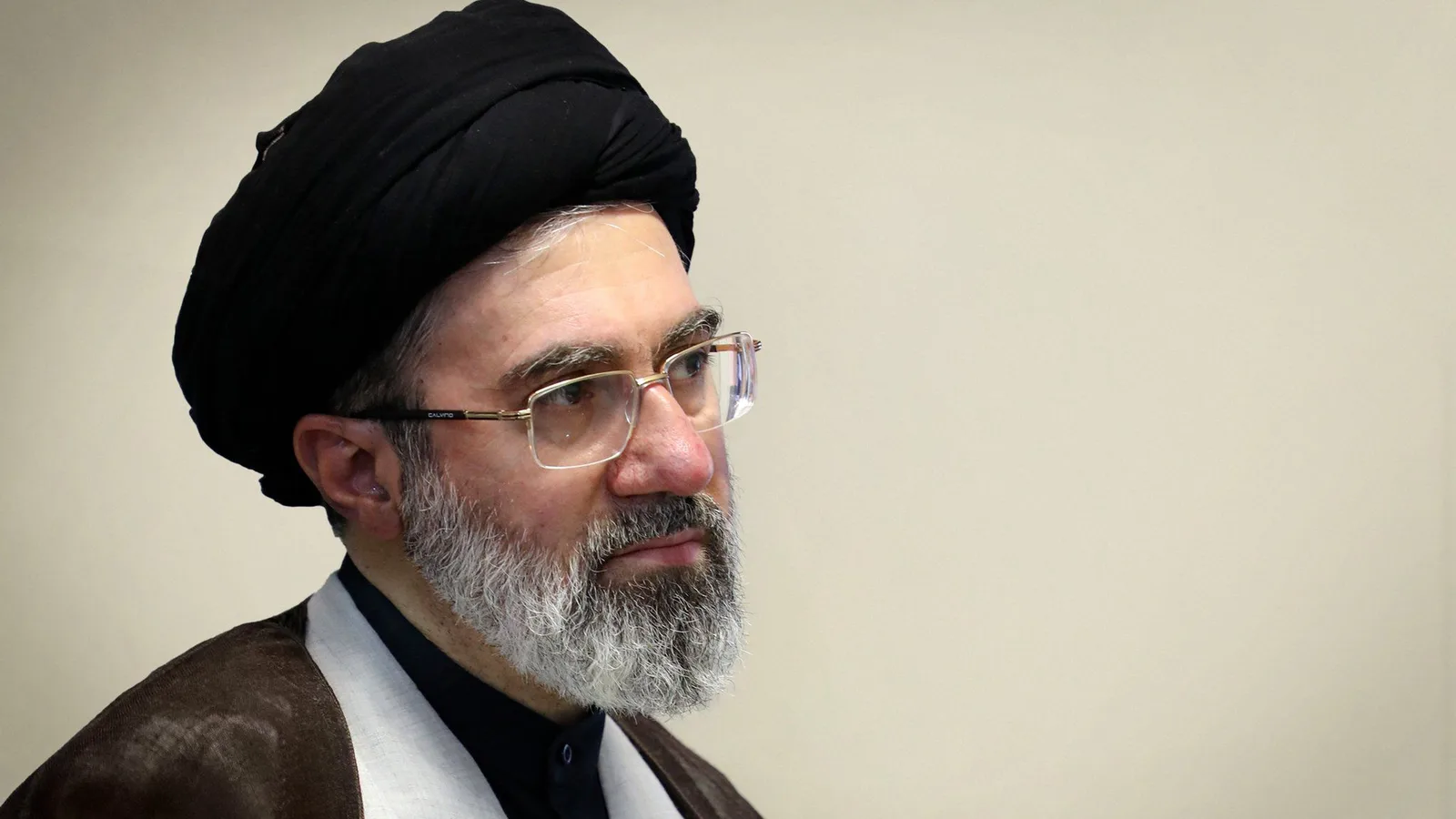
Iran has so far ruled out sitting down with Washington directly. As The Indus Compass reports, Supreme Leader Mojtaba Khamenei remained defiant as Iran’s delegation in New York said it had no plans for talks with the US.
Oil jumps, gold falls
Markets reacted sharply after Trump rejected an earlier Iranian peace proposal:
| Market | Move |
|---|---|
| Crude oil | Up 3%, to about $107 a barrel |
| Dow Jones | Down 0.74% |
| S&P 500 | Down 0.83% |
| Nasdaq | Down 0.99% |
| Gold | Down as much as 4%, to seven-week lows |
Spot gold fell 3.5% to $4,136.81 an ounce as rising oil prices fed worries about inflation and higher interest rates, Reuters said. In a sign of the pressure on supplies, crude stocks in the US Strategic Petroleum Reserve fell to 283.8 million barrels, their lowest level since October 1982.
The shock is spreading. Australia’s central bank raised its main interest rate by 0.25 percentage points to 4.6%, a 15-year high, citing the Middle East conflict and high energy prices, while European energy ministers are due to meet in Dublin as gas prices have doubled with winter approaching.
Tension on the water and the ground
Iran said it had seized two small vessels and arrested 50 people in its coastal waters near Qeshm Island and Minab for violating regulations, according to state broadcaster IRIB. Iran’s army chief, Major General Ali Abdullahi, said its forces and allied groups were ready to respond “decisively and destructively” to any threat.
US Treasury Secretary Scott Bessent said Washington would “continue to degrade the Iranian regime’s ability to fund terrorism and develop a nuclear weapon”.
Diplomacy continued around the region. US Secretary of State Marco Rubio held talks with Saudi Foreign Minister Prince Faisal bin Farhan on regional security, including Iran, Gaza, Sudan and Yemen.
How the war got here
The war began on 28 February, when the United States and Israel launched joint strikes on Iran in which Supreme Leader Ayatollah Ali Khamenei was killed and his son Mojtaba became the new leader. A two-week ceasefire was agreed on 8 April, and in April Pakistan hosted the first face-to-face talks between the US and Iran in 47 years. A preliminary agreement was signed in Switzerland in June, but fighting resumed after the US launched new strikes on 8 July.
What it means for Pakistan
For Pakistan, which imports around 70 per cent of its oil and gas, every jump in the oil price feeds into fuel costs at home. Qatar has already extended its halt on LNG deliveries to Pakistan through November, and Prime Minister Shehbaz Sharif used his UN address last week to call for Hormuz to stay open as one of the “arteries of the global economy”.
With talks now running through Qatari mediators, the key question is whether Iran’s conditions and the US response can be bridged before winter tightens energy supplies further.
This article draws on Dawn’s live coverage, with reporting from Reuters, AFP, Axios and Iranian state media.
Comments
Comments are reviewed by our editors before they appear. Please keep them civil and on topic. See our terms.
No comments yet. Be the first to share your view.