

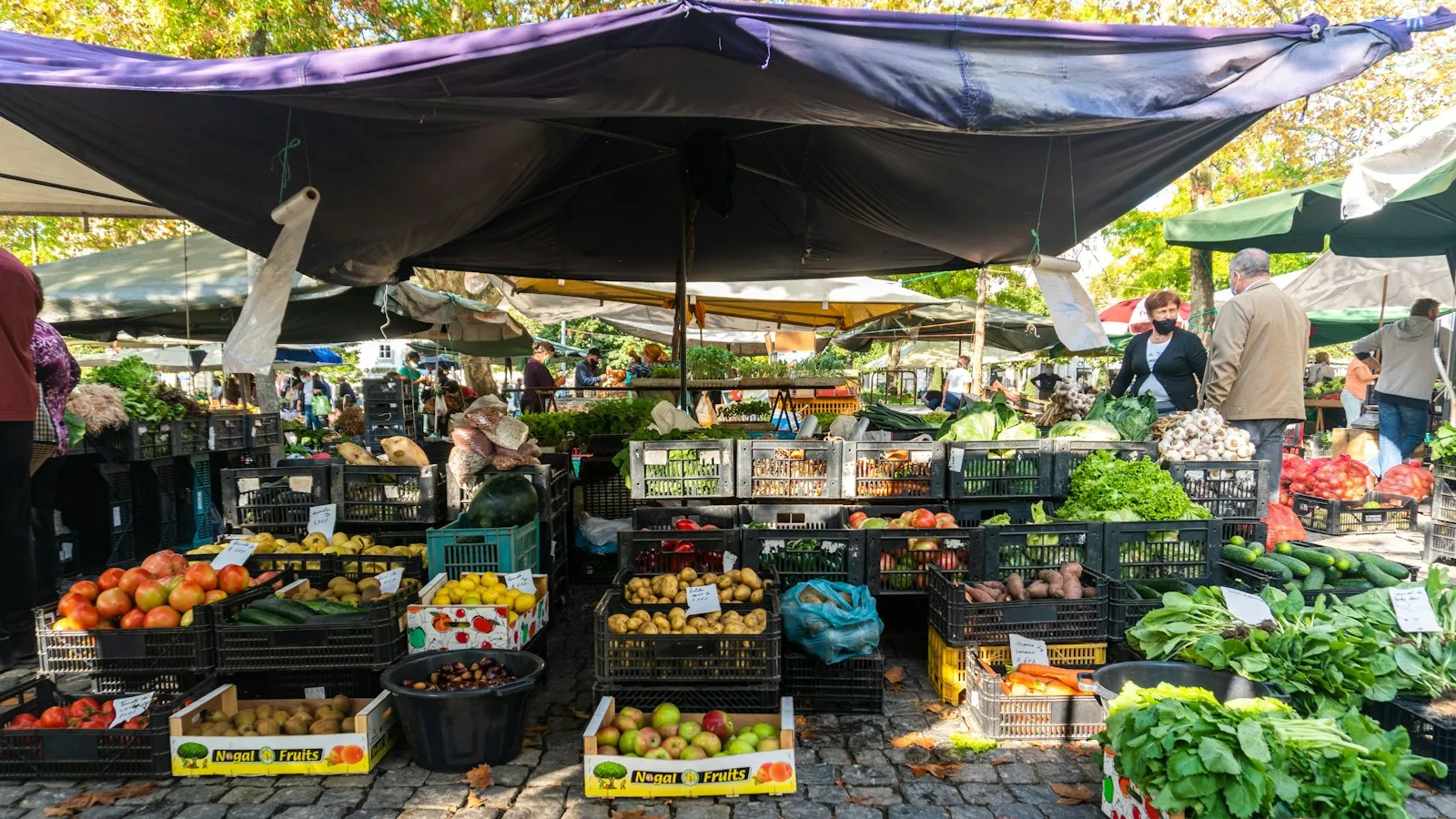
Pakistan’s inflation rate is expected to slow slightly in September, according to analysts, but the outlook remains clouded by the conflict in the Gulf and volatile oil prices that could quickly reverse any relief.
Headline inflation jumped to 11.1 per cent year-on-year in August 2026, up from 9.2 per cent in July. A report by brokerage Topline Securities projects that the Consumer Price Index (CPI) for September will come in at between 10.25 per cent and 10.75 per cent, lower than August, but not a significant decline.
Oil is the key variable
Pakistan imports around 70 per cent of its oil and gas, which makes inflation highly sensitive to international energy prices. The financial sector expects crude to trade between $90 and $100 a barrel for the rest of September and into October.
That assumption is fragile. After US President Donald Trump said on Saturday that he had rejected Iran’s proposal on the Gulf war, Iran said it was anticipating possible US attacks, raising fears of a fresh spike in oil prices. Analysts expect prices to stay around $100 a barrel if fighting resumes, depending on how much oil remains available on international markets.
Pump prices at a regional high
The pressure is already visible at the pump. Petroleum prices in Pakistan have been rising steadily and are now the highest in the region, according to the report. It said India had raised petrol prices by 10 per cent and Bangladesh reportedly by 16 per cent, while Pakistan’s increase had been more than 50 per cent.
“It is not easy to assess the exact inflation figure for September as oil prices have been changing both internationally and locally,” said money market expert S.S. Iqbal. “We can only expect slightly lower inflation, with a fear that it may remain close to last month’s level.”
Beyond fuel
Energy is not the only concern. Electricity, housing, food and construction costs have also risen, suggesting that inflation could come in higher than analysts expect, particularly if the Gulf conflict drags on.
Regional security adds another layer of uncertainty. Pakistan, Saudi Arabia and Türkiye are preparing to respond to possible further conflict involving the Houthis and the kingdom, and any disruption to supplies could feed directly into prices in Pakistan.
What it means for interest rates
If inflation lands in the forecast range, Topline estimates that real interest rates, the policy rate minus inflation, would be around 75 to 125 basis points. That is well below Pakistan’s historical average of 200 to 300 basis points, which limits the central bank’s room to cut rates further without risking higher inflation.
For households and businesses, that means borrowing costs are unlikely to fall quickly while inflation remains stubbornly above 10 per cent.
A cushion, not a shield
Pakistan’s foreign exchange reserves, currently above $21.4 billion, offer some protection against higher oil import bills. But analysts note that reserves can help pay for imports; they cannot stop prices from rising at home if energy costs stay high.
What it means for households
For ordinary families, the headline figure hides a harsher reality: fuel, electricity and food, the items people buy most often, are among those driving prices up. A small drop in the inflation rate means prices are rising a little less quickly, not that they are falling.
What to watch
The official September inflation figure, due from the Pakistan Bureau of Statistics at the start of October, will show whether the forecast holds. Beyond that, the direction of oil prices, and of the conflict in the Gulf, will do more than anything else to decide whether inflation continues to ease or climbs again.
This article draws on reporting published by Dawn and a research report by Topline Securities.

Comments
Comments are reviewed by our editors before they appear. Please keep them civil and on topic. See our terms.
No comments yet. Be the first to share your view.