
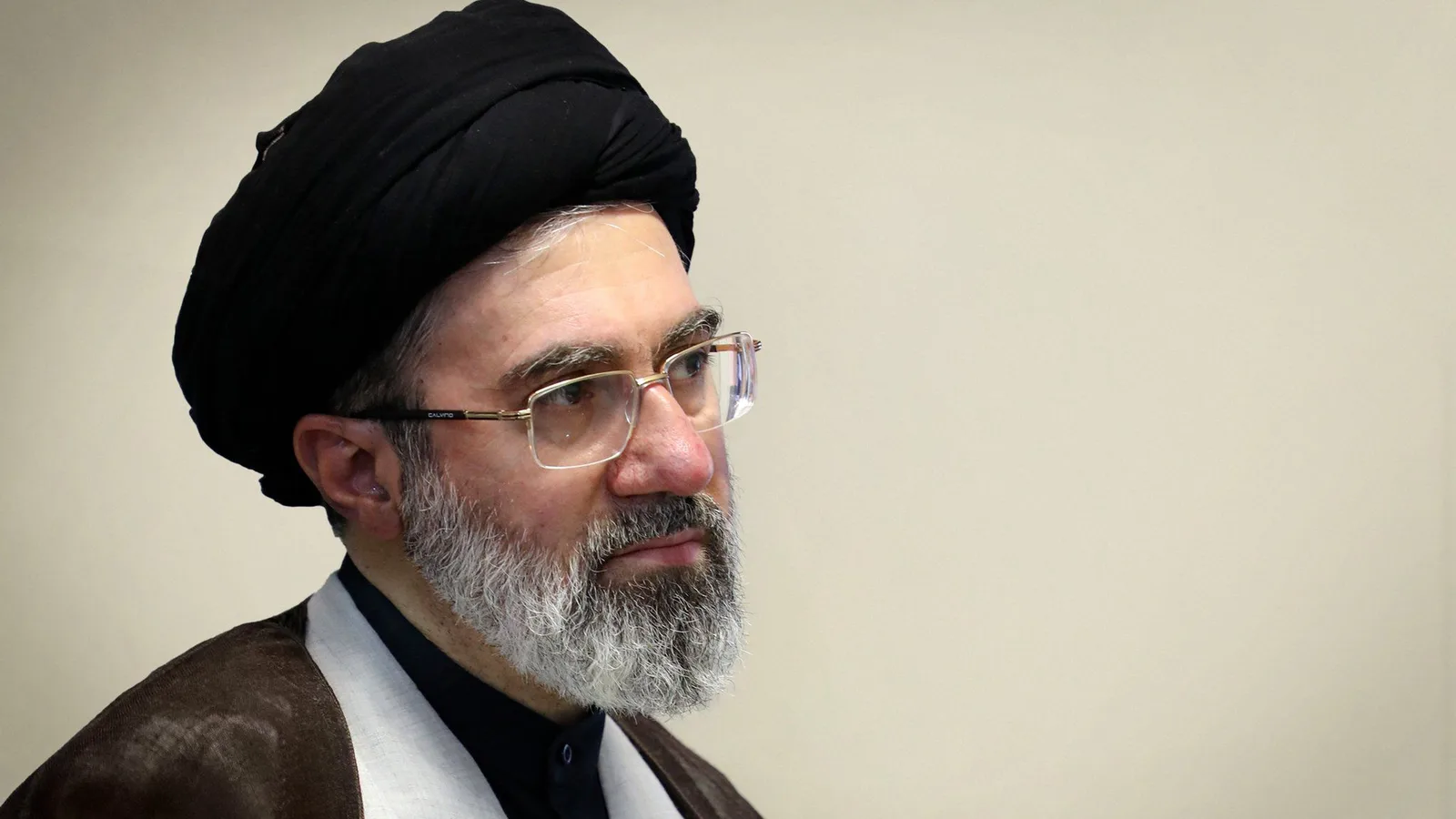
Iran’s Supreme Leader Mojtaba Khamenei has struck a defiant tone, declaring that US forces have been pushed back by Iranian fighters, as Tehran said its delegation in New York had no plans to negotiate directly with the United States.
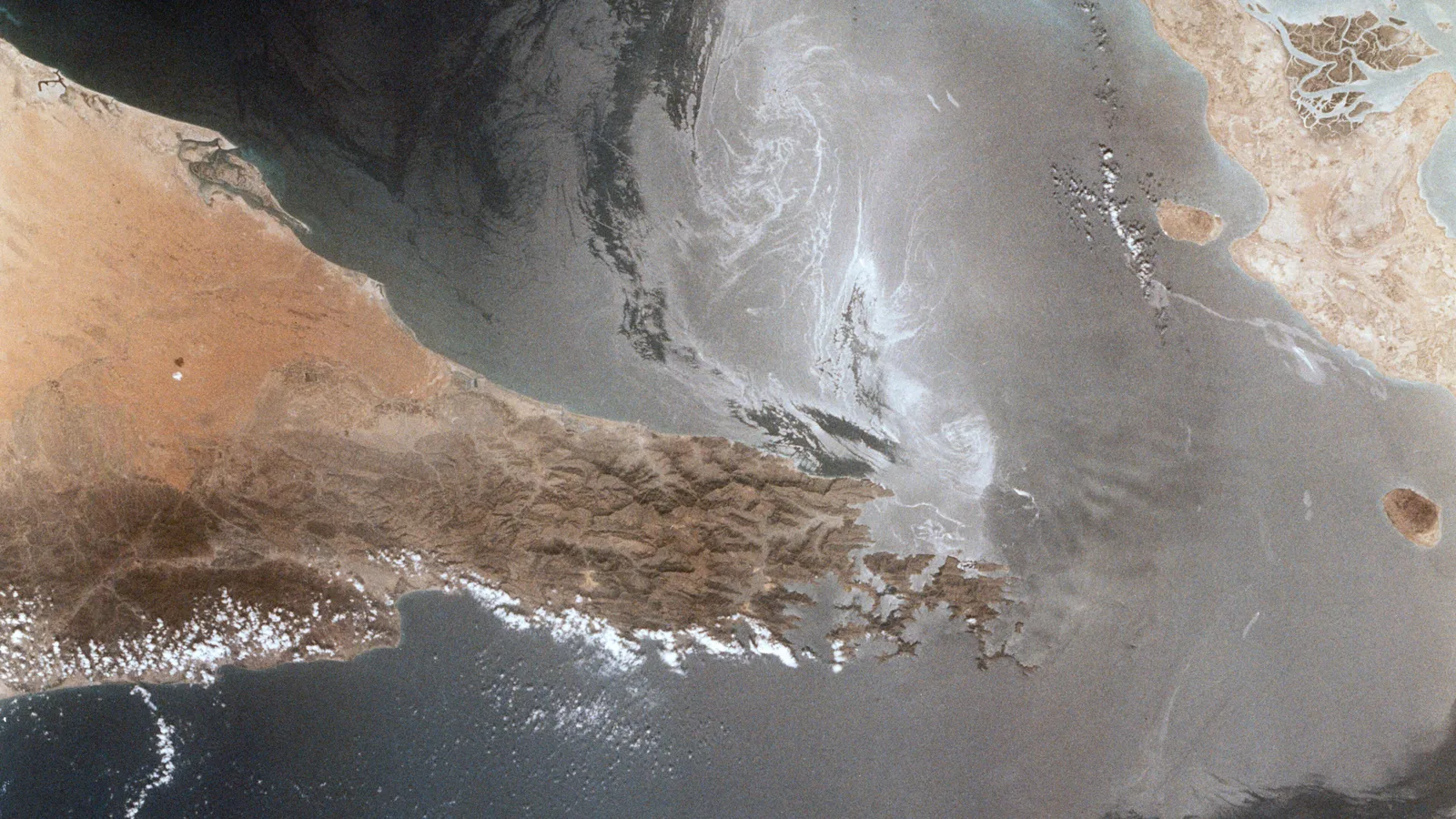
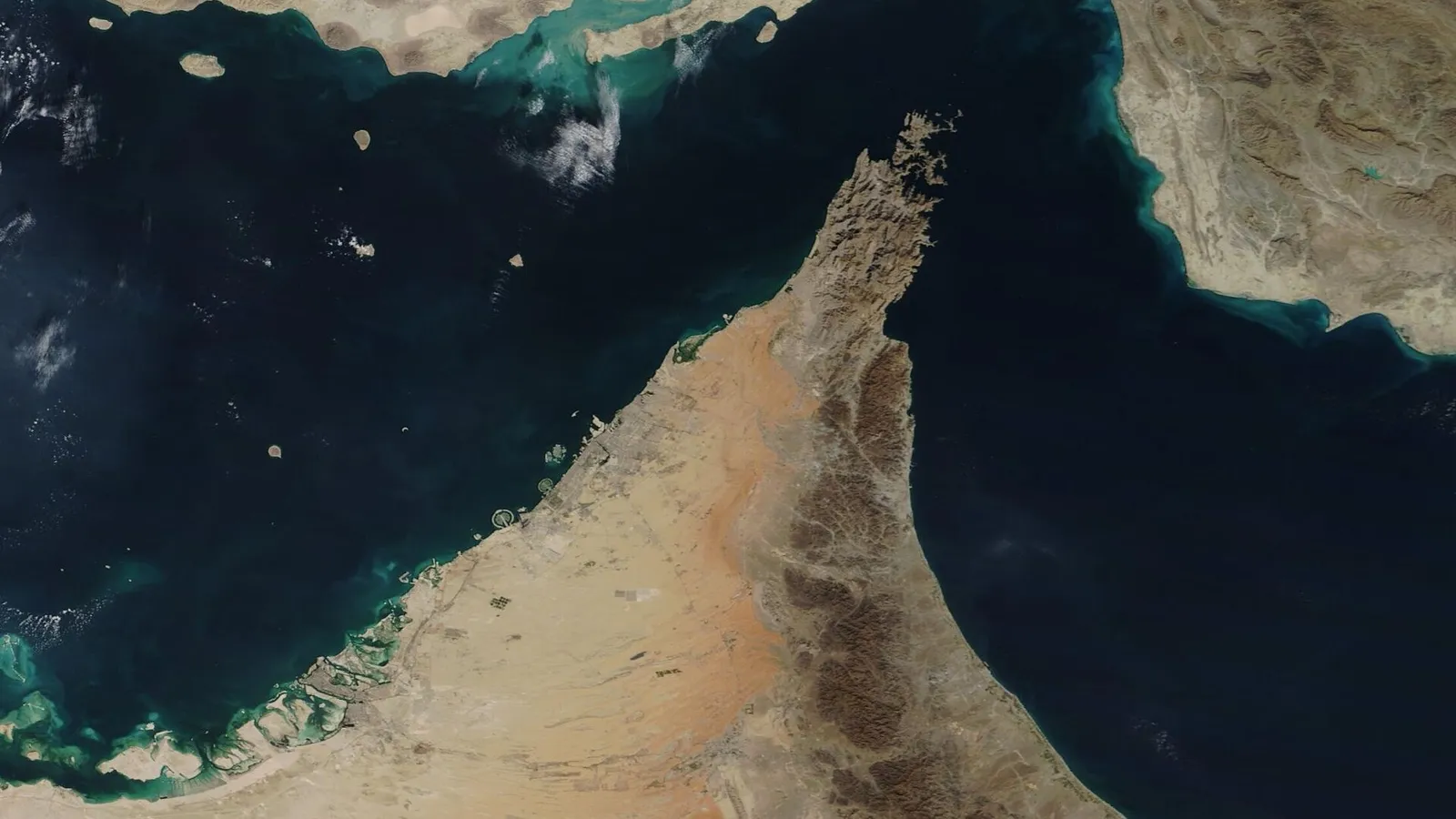
“Today, having suffered painful blows at the hands of valiant fighters and the guardians of the Strait of Hormuz, they do not venture beyond the Arabian Sea,” Khamenei said in remarks reported by Dawn on Tuesday. He added that the United States would be “driven out from the region”.
In posts on X, the Supreme Leader said Iran had been “striking fear into the enemy” for seven months while defending Islam and the Strait of Hormuz. He also accused the country’s “enemy” of trying to “erode the social bedrock of the Islamic system”.
A leader rarely seen
Mojtaba Khamenei became Supreme Leader after his father, Ayatollah Ali Khamenei, was killed in the joint US and Israeli strikes that started the war on 28 February. He has not been seen in public since the war began, and his messages have come through statements and posts on social media.
No direct talks in New York
Iran’s official news agency IRNA reported on Monday that “Iran’s delegation in New York has no plans for negotiations with the United States”, and said the delegation would return home on Tuesday.
Foreign Ministry spokesman Esmaeil Baqaei said Foreign Minister Abbas Araghchi’s stay in New York, where he attended the UN General Assembly, had not been extended for indirect negotiations, and that he would return as originally scheduled.
Contacts have not stopped, however. They are running through Qatar, which is holding separate talks with each side. Iran has since said it has sent Washington its conditions for reopening the Strait of Hormuz, as The Indus Compass reports in its latest roundup on the war.
What Iran is asking for
Iran’s proposal, presented at the UN last week, sets out a sequence of steps:
- A seven-day ceasefire across the Middle East
- The unfreezing of billions of dollars in Iranian assets
- The lifting of sanctions on Iranian oil
- An end to the US naval blockade
- The reopening of the Strait of Hormuz
- A return to talks on Iran’s nuclear programme
The US position
US officials told Axios that President Donald Trump was willing to provide sanctions relief and release frozen funds in return for “concrete Iranian steps” on its nuclear programme, and expected talks to resume in the coming days. Trump later denied the report, writing that he had offered Iran “NOTHING”. He had earlier rejected Iran’s peace proposal while saying talks could resume within days.
Pakistan’s stake
Pakistan has been closely involved in efforts to end the conflict. In April, it hosted the first face-to-face talks between the United States and Iran in 47 years. Prime Minister Shehbaz Sharif met Iranian President Masoud Pezeshkian in New York last week to discuss regional peace and de-escalation, and the prolonged closure of Hormuz continues to hit Pakistan’s energy supplies.
Why it matters
Khamenei’s words suggest Iran’s leadership sees no reason to soften its position, even as mediators search for a formula. With Tehran refusing direct talks and Washington denying any offer, the gap between the two sides remains wide, and Qatar’s role as the channel between them has become more important than ever.
This article draws on reporting by Dawn, IRNA, Reuters and Axios.
Comments
Comments are reviewed by our editors before they appear. Please keep them civil and on topic. See our terms.
No comments yet. Be the first to share your view.