

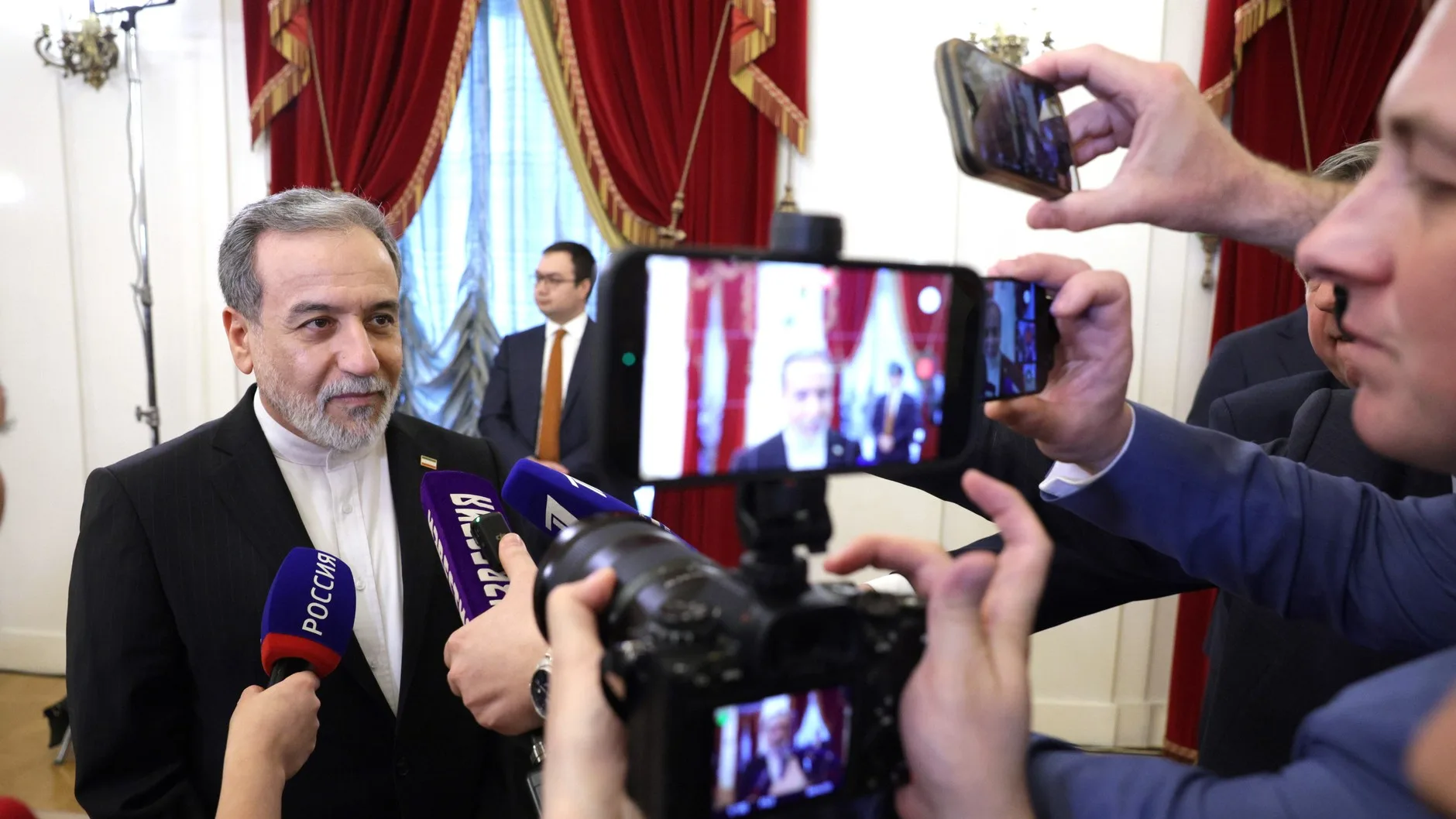
Iran said on Wednesday that it was still in touch with mediators even as a senior Iranian official dismissed the latest ideas from Qatar for ending the war with the United States and Israel. Dawn and The Express Tribune carried the reports, citing Reuters, Anadolu and Axios.
Two accounts of the Qatari draft
A person briefed on the negotiations, who is not from Iran, said Qatar gave Tehran a new draft peace proposal on Sunday and that a response was expected by the end of the week. The draft sets a seven-day timeline that tries to address the concerns of both Tehran and Washington, with daily confidence-building steps for each side, and several countries would act as guarantors. The timeline could begin early next week. The same person said the Qatari mediators had coordinated with Washington before going to Tehran.
A senior Iranian official involved in the talks gave a very different account. The official said Qatar had put forward only “unacceptable ideas and not an offer”, and that Iran’s policy of showing no flexibility on the nuclear issue had not changed. Details of the latest draft were not clear, and the two accounts cannot both be fully right.
Araghchi: diplomacy has a chance
Foreign Minister Abbas Araghchi wrote on X that Iran’s armed forces were “fully prepared to defend the homeland”, but that Iran “continues to give diplomacy a chance to succeed”. He said Iran was in “close and ongoing contact” with intermediaries to review ideas that could ensure implementation of Tehran’s own seven-day plan “in even less than a week”.
The sticking point is the order of events. Washington wants Iran’s nuclear programme to be part of negotiations from the start. Iran says its conditions, including an end to the US blockade of Iranian ports and the lifting of sanctions on its oil exports, must be met first. Iran denies Western concerns that its nuclear programme has a military purpose.
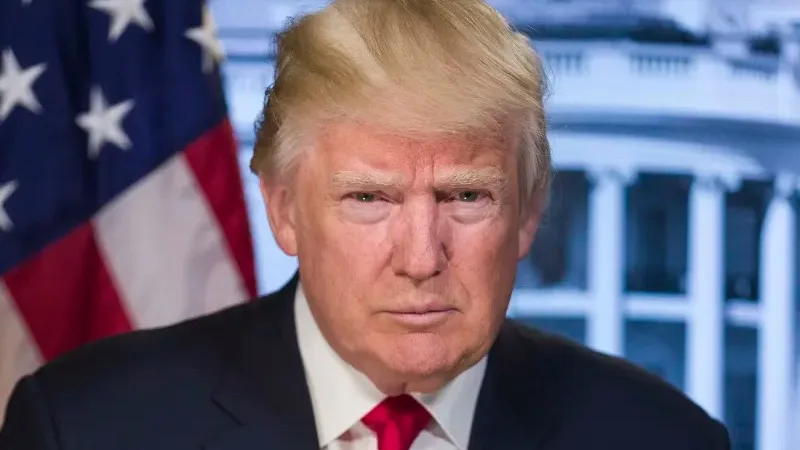
Axios reported on Wednesday that Qatar-led mediators are trying to restart US-Iran negotiations and prevent a return to war. It said they were asking Tehran to let UN inspectors visit bombed nuclear sites in return for some relief from US sanctions, and that Pakistan, Saudi Arabia, Egypt and Turkiye were supporting the effort. President Donald Trump told Axios that talks were going on through mediators but that he did not know whether they would succeed: “We need to finish the job, either through a deal or another way.” The Wall Street Journal separately reported that Vice President JD Vance had sent a letter to Iranian security chief Mohsen Rezaei at Trump’s direction. Trump said it was about getting medical supplies to people who needed them.
Military signals
The diplomacy is happening alongside military preparations. Anadolu, citing the Wall Street Journal, reported that the US has told several Gulf Arab states to prepare for a “short, intense military campaign” against Iran after the November 3 midterm elections. The paper said Washington was moving a Patriot battery from Texas to the region and that an extra carrier strike group and a Marine unit were expected to join about 20 US warships there next month. It said Trump had not made a final decision.
Iranian security officials told Reuters that Tehran had drawn up detailed plans to attack Gulf undersea cables if the US and Israel resumed attacks. On Thursday, Press TV reported that the Revolutionary Guard had intercepted and shut down another US MQ-1 drone with its air defences east of the Strait of Hormuz. That claim has not been verified by an independent source.
Reuters, citing Pentagon data, said the US military had spent more than $47 billion on the war so far, about a quarter above the department’s estimate in July.
Pakistan’s role
Pakistan has led the mediation alongside Qatar; see our earlier report on Araghchi’s remarks on talks through Pakistan and Qatar and on Field Marshal Asim Munir’s visit to Tehran.
Why it matters
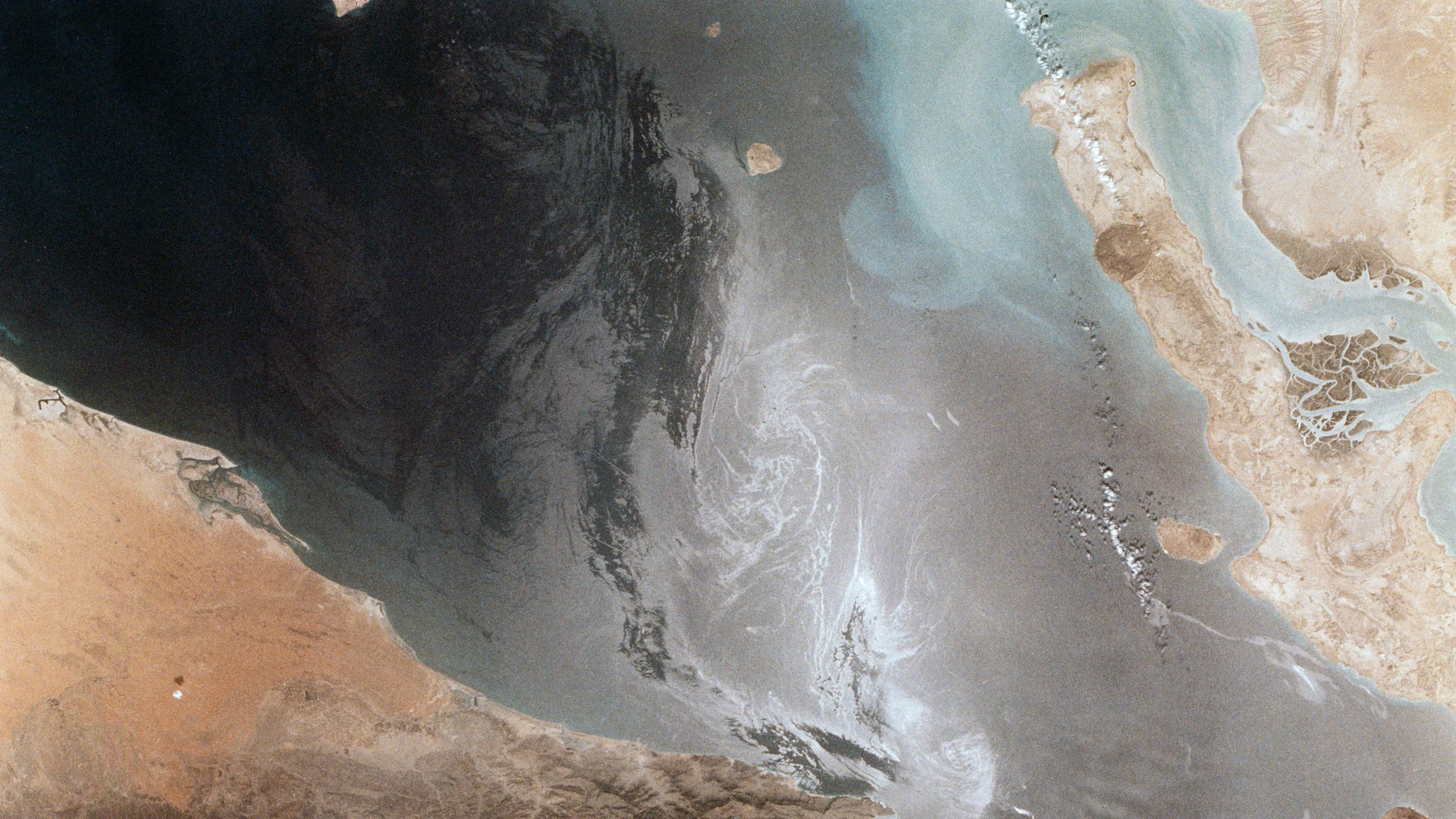
The war, now in its eighth month, has closed or disrupted the Strait of Hormuz, pushed oil to around $114 a barrel and hit Pakistan through fuel and gas prices. There are only a few days before the US midterms, and the reports suggest that both sides see a window that could close afterwards. What to watch for: whether Iran answers the Qatari draft by the end of the week, whether UN inspectors are allowed back, and whether Washington’s military preparations are a bargaining move or a plan.
This article draws on reporting by Dawn, The Express Tribune, Reuters, Anadolu and Axios.
Comments
Comments are reviewed by our editors before they appear. Please keep them civil and on topic. See our terms.
No comments yet. Be the first to share your view.