

Iran warned on Sunday that any renewed war with the United States could last longer than the previous round of fighting, after President Donald Trump said he still had to “take care” of more targets, Dawn reported, citing AFP.
“Would not be in a position to dictate”
“A potential future war could last longer than previous conflict, and the American president would not be in a position to dictate the timing or the conditions of its conclusion,” said army spokesman Mohammad Akraminia, according to Iranian state television.
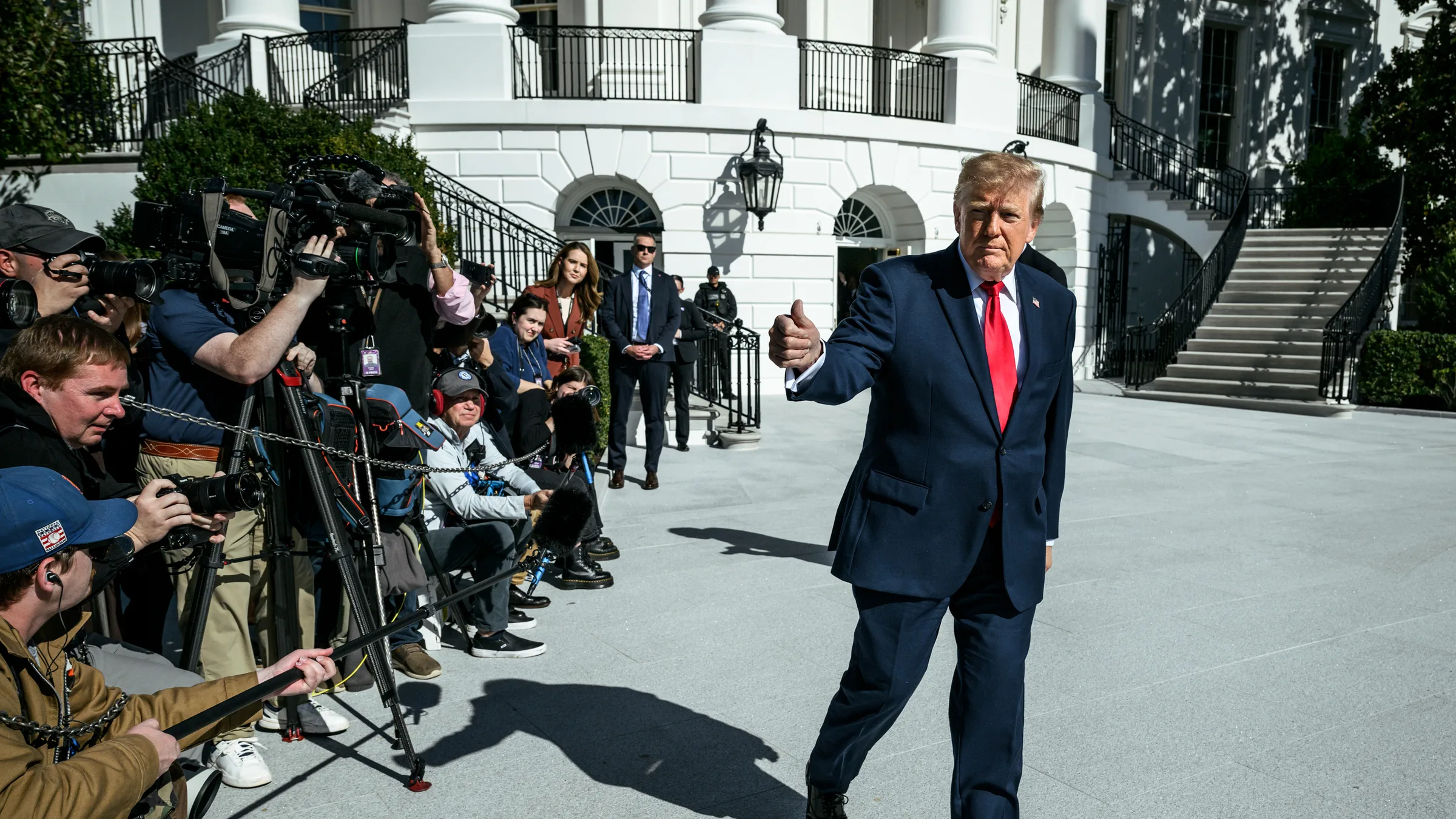
His remarks followed comments by Trump at his Florida residence. “We still have to take care of, I would say one or two sites, but we can do that in 10 minutes,” Trump told reporters. “You probably could look at Pickaxe Mountain, and you have to take care of that. We can do that all very quickly,” he added, referring to a suspected underground nuclear complex.
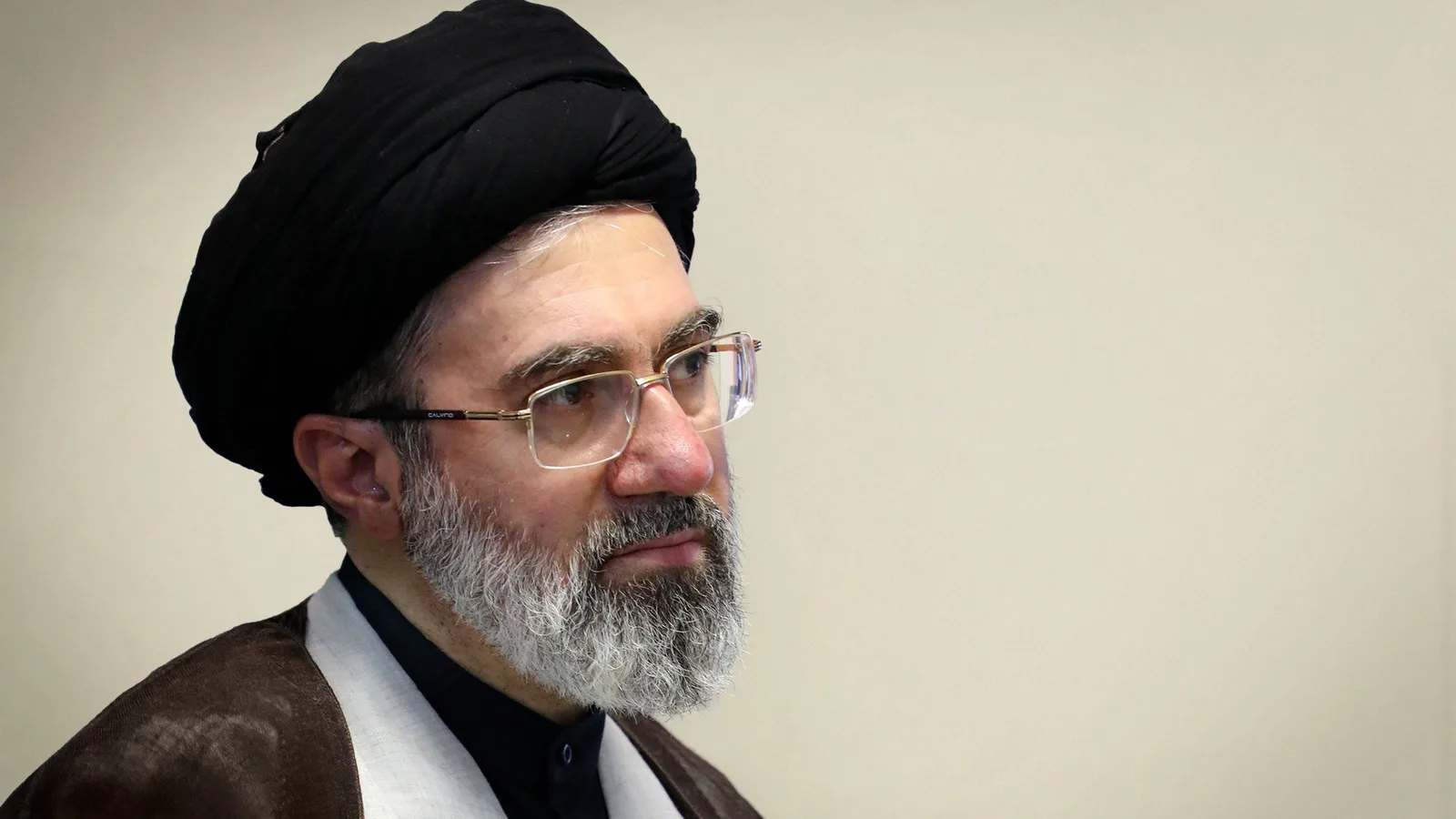
Revolutionary Guards spokesman Hossein Mohebbi echoed a warning that Iran’s new supreme leader, Ayatollah Mojtaba Khamenei, had issued a day earlier in a written message: “In a conflict with America, there are no geographical limitations; a vast theatre has been defined for inflicting damage upon the enemy.” Foreign Minister Abbas Araghchi said Iran hoped “the other side will exercise rationality and choose diplomacy” and that Iran “remains prepared for both defence and diplomacy”, according to the state news agency IRNA.
The Vance letter
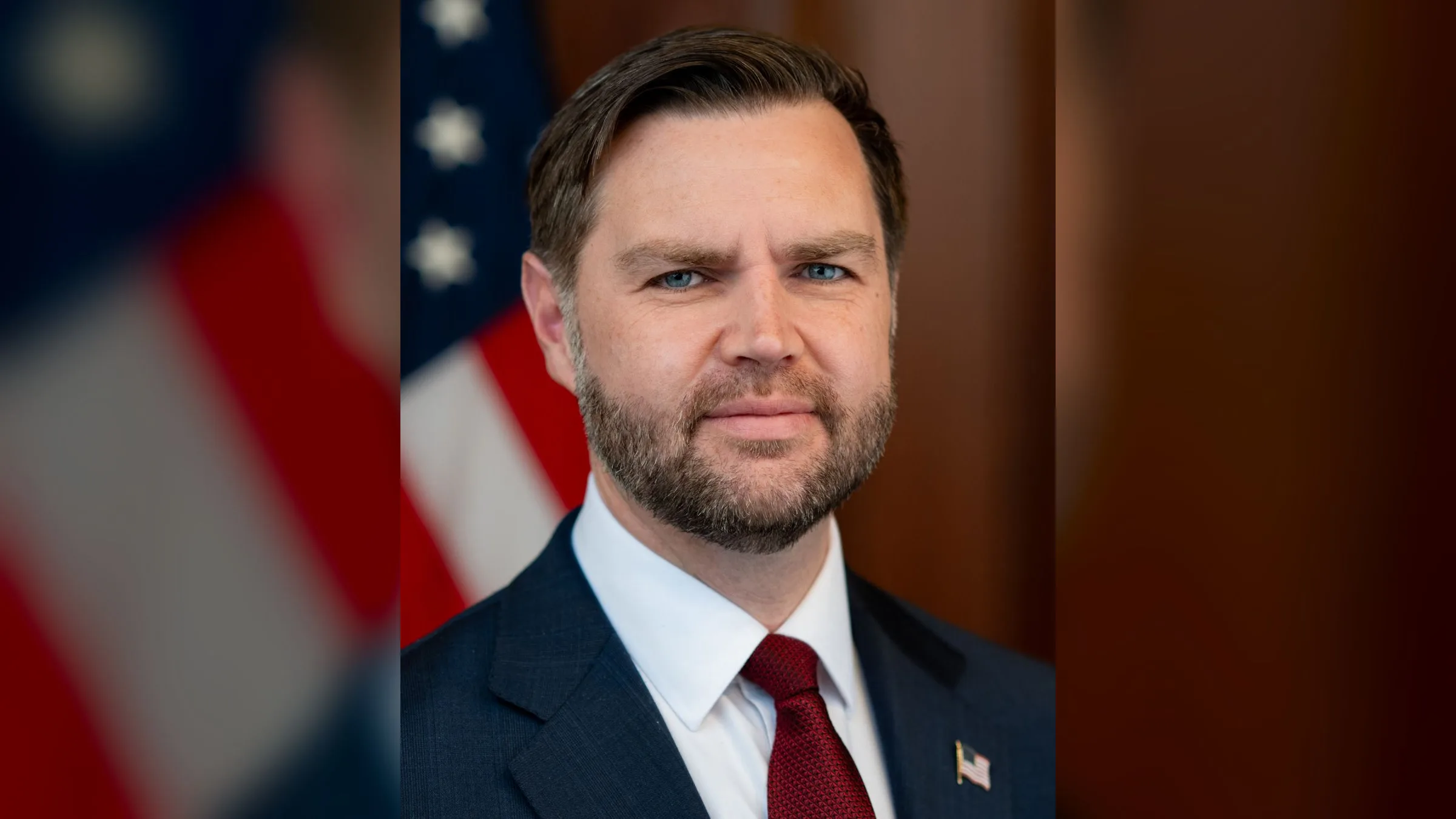
On Saturday, Iran’s security chief Mohsen Rezaei disclosed that he had received a letter from Vice President JD Vance seeking to revive talks. Rezaei noted what he described as a positive change in “tone” from the US side but said he had not yet replied. He said Tehran had told Washington that unless its conditions were met, “neither would the Strait of Hormuz be reopened nor would there be any negotiations”. Those conditions include unfreezing Iranian assets abroad, ending the US naval blockade of Iranian ports, lifting long-standing sanctions and ending the war on all fronts.
Since the war began on February 28 with US-Israeli strikes, Iran has claimed control over the Strait of Hormuz and has repeatedly targeted vessels that tried to cross without its permission. The US has set up a naval counter-blockade of Iranian ports. Earlier reports on the talks are in our stories on Qatari mediators’ return to Tehran and Vance’s letter and on the Axios report that Trump could strike after the midterms.
The Gulf is bracing
Anwar Gargash, diplomatic adviser to the UAE president, told a conference in Manama that the UAE hopes the exchanges will yield a breakthrough but is preparing for the worst. “It is not the interest of the region to go through another round,” he said, “but I think we’re also, as we’ve shown before, braced for the worst.”
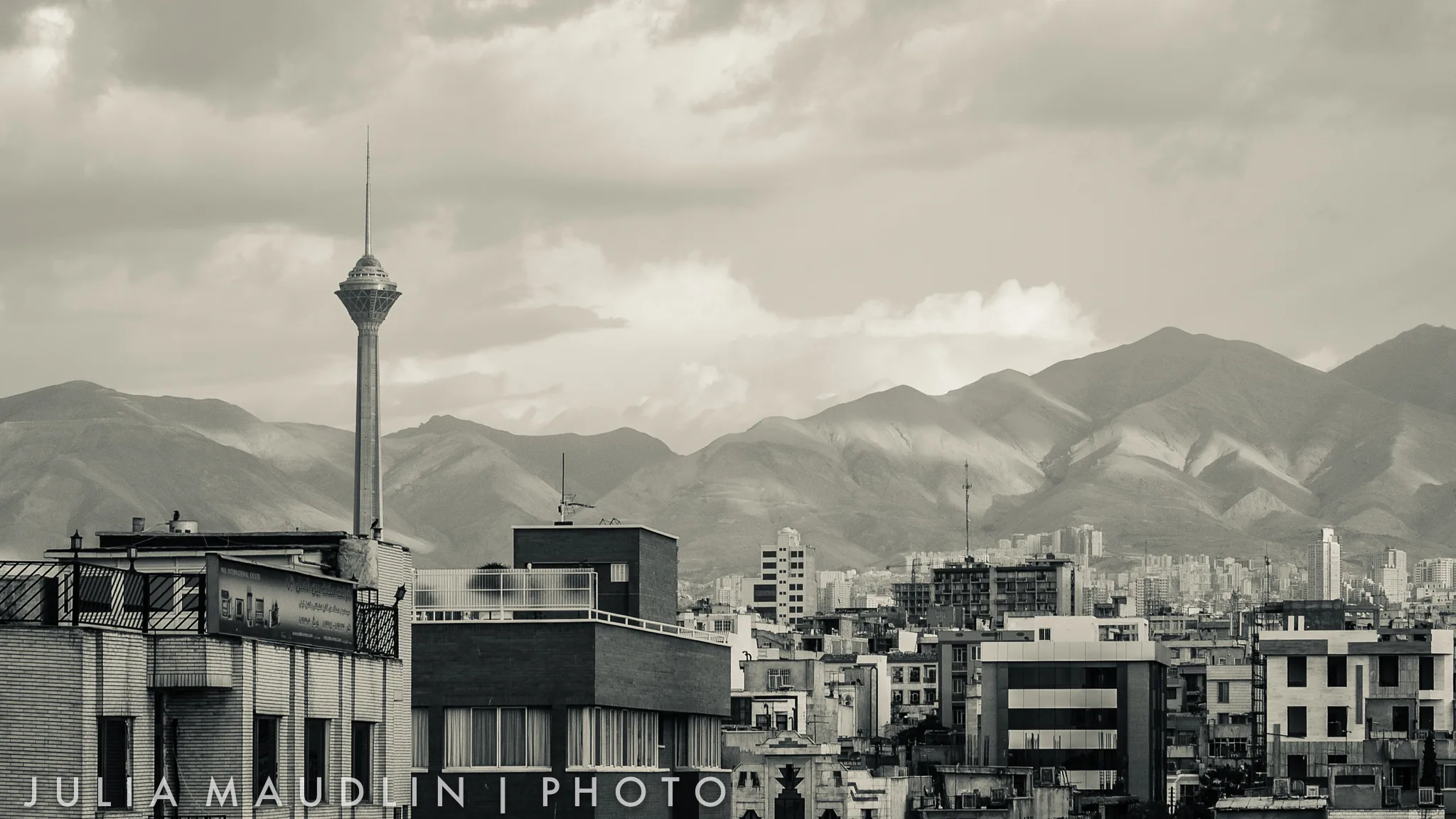
In Tehran, residents described mixed feelings. A 27-year-old health inspector, Mohadese, said there was nothing she could do about the worrying news, while a 48-year-old vendor, Ebrahim, saw no reason for concern.
Why it matters
The two sides are trading threats and offers in the same week. Washington suggests that any new strikes would be short, while Tehran says it will not let the US decide when a war ends, and both claims are untested. The diplomatic opening, meanwhile, rests on a letter that has not been answered and on conditions neither side has accepted. For Pakistan and other importers of Gulf oil, a longer war would mean longer disruption to Hormuz and higher fuel prices; see our report on Brent near $117 after a tanker attack in the strait. The next markers are Iran’s reply to Vance, the US midterm result on Tuesday, and whether Qatar and Pakistan can keep a channel open.
This article draws on reporting by Dawn and AFP.
Comments
Comments are reviewed by our editors before they appear. Please keep them civil and on topic. See our terms.
No comments yet. Be the first to share your view.