

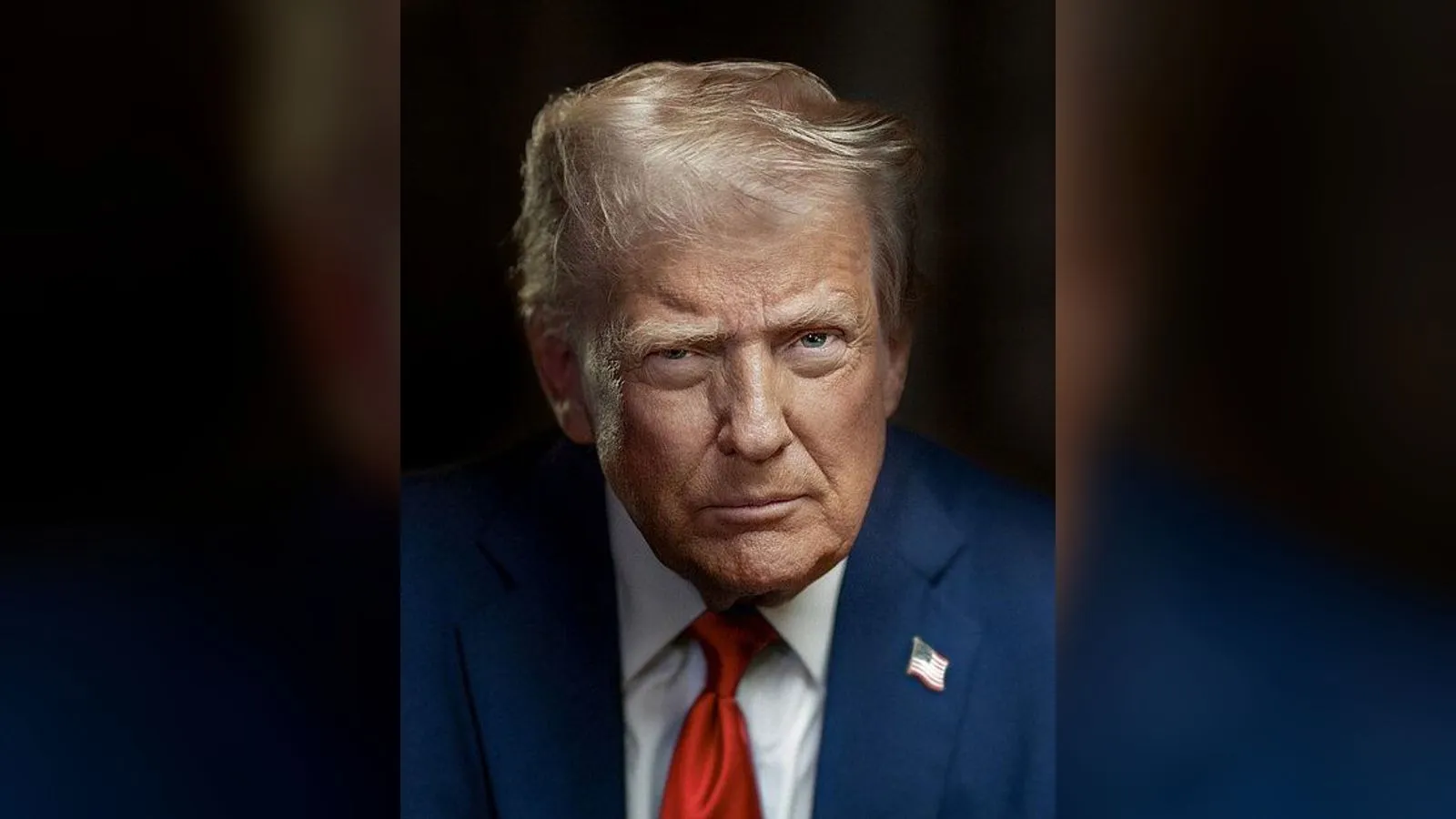
US President Donald Trump has said a deal with Iran “isn’t really something that I want to do”, even as he praised his special envoy Steve Witkoff for “doing very well” in negotiations with Tehran.
“He’s working on the Iran deal and doing very well. I think the deal isn’t really something that I want to do, but they’re willing to offer us anything to stop,” Trump told supporters at a campaign rally in San Antonio, Texas, on Wednesday, The Express Tribune reported.
“They will never have a nuclear weapon,” he added. He called Witkoff “a great negotiator” and cited the ceasefire deal in Gaza as one of his achievements.
‘That war ends very soon’
Trump said he expected the war with Iran, which he called “a failed nation”, to end soon. “That war ends, it’s going to be very soon. It’s got to be very soon,” he said.
His remarks came amid media reports that Washington is preparing for possible new strikes:
- The Atlantic reported, citing two administration officials, that the White House had asked the Pentagon for options for strikes on Iranian targets that could be carried out before the November 3 midterm elections. The size, targets and timing of any strikes were still being debated, and Trump’s advisers believe the right moment would be after the midterms, the magazine said.
- Axios reported that the Pentagon had told US Central Command several days ago to finish preparations for resuming major combat operations in Iran, without a set date.
Asked about the reports, a Pentagon official told the Anadolu news agency that “the Department’s job is to develop and present military options to the president.” A White House official told The Atlantic that Trump “has all options available at any time”.
Talks run alongside threats
Iran and the United States have exchanged proposals in recent weeks aimed at ending the seven-month war and reopening the Strait of Hormuz. On Monday, US Vice President JD Vance said Iran must make a meaningful cut to its uranium enrichment capacity for any agreement, Dawn reported, citing a Reuters interview.
Pakistan has played a mediating role between the two sides, and UN Secretary-General Antonio Guterres has praised that role.
Attacks on tankers at a peak
The war’s toll on shipping is also rising. Attacks on tankers sailing through the Strait of Hormuz hit their highest weekly level last week since the war began on February 28, according to maritime security sources.
In the week of September 28 to October 5, there were at least 12 attacks on oil, liquefied natural gas and liquefied petroleum gas tankers around the strait, according to data from three maritime security sources. The UN’s International Maritime Organization recorded nine incidents involving vessels in the same week; the next highest week, in mid-July, had eight.
The US Navy-led Joint Maritime Information Center said attacks, attempted attacks and harassment, including drone flights and radio hailing by Iran’s Revolutionary Guards, had continued. India’s foreign ministry said on Tuesday that 12 crew members were injured when an unknown projectile hit the Panama-flagged tanker On Peace in the strait.
This article draws on reporting by The Express Tribune, Dawn and Geo News.
Comments
Comments are reviewed by our editors before they appear. Please keep them civil and on topic. See our terms.
No comments yet. Be the first to share your view.