
Pakistan’s Minister for Climate Change and Environmental Coordination, Dr Musadik Malik, used the first Shanghai Cooperation Organisation (SCO) Civilisational Dialogue Forum in New Delhi to warn that climate change threatens civilisation itself and the heritage sites that record it. He spoke on Saturday, the second day of the forum, held at Purana Qila, the Old Fort.
Climate and heritage
Malik said climate change puts historical and cultural sites at risk. He tied that warning to a wider argument about Pakistan’s identity: that its culture has been shaped by many civilisations, communities and languages and cannot be read through a single historical lens.
He compared that diversity to a bouquet whose beauty lies in the different flowers, not in sameness. Standing in a fort that Delhi’s rulers built and rebuilt, he said Humayun, who came from Central Asia, laid its foundations, while his rival Sher Shah Suri also became part of its story. Archaeology, he said, reads a city layer by layer, and no single layer has to be declared the only authentic one.
Pakistan’s own links, he said, run north to Bukhara, Samarkand and Central Asia and west to Persia and Arabia, and its heritage draws on the Indus Valley and Gandhara civilisations. He described Taxila as an important centre of learning and said Gandhara’s Buddhist art and architecture spread through Central Asia towards China.
“Dialogue” only means something, he said, when it brings together people who do not share the same identity or view. Pakistan, he added, should stay open to people and ideas, and people should be able to bring their traditions without giving them up.
Meetings on the sidelines
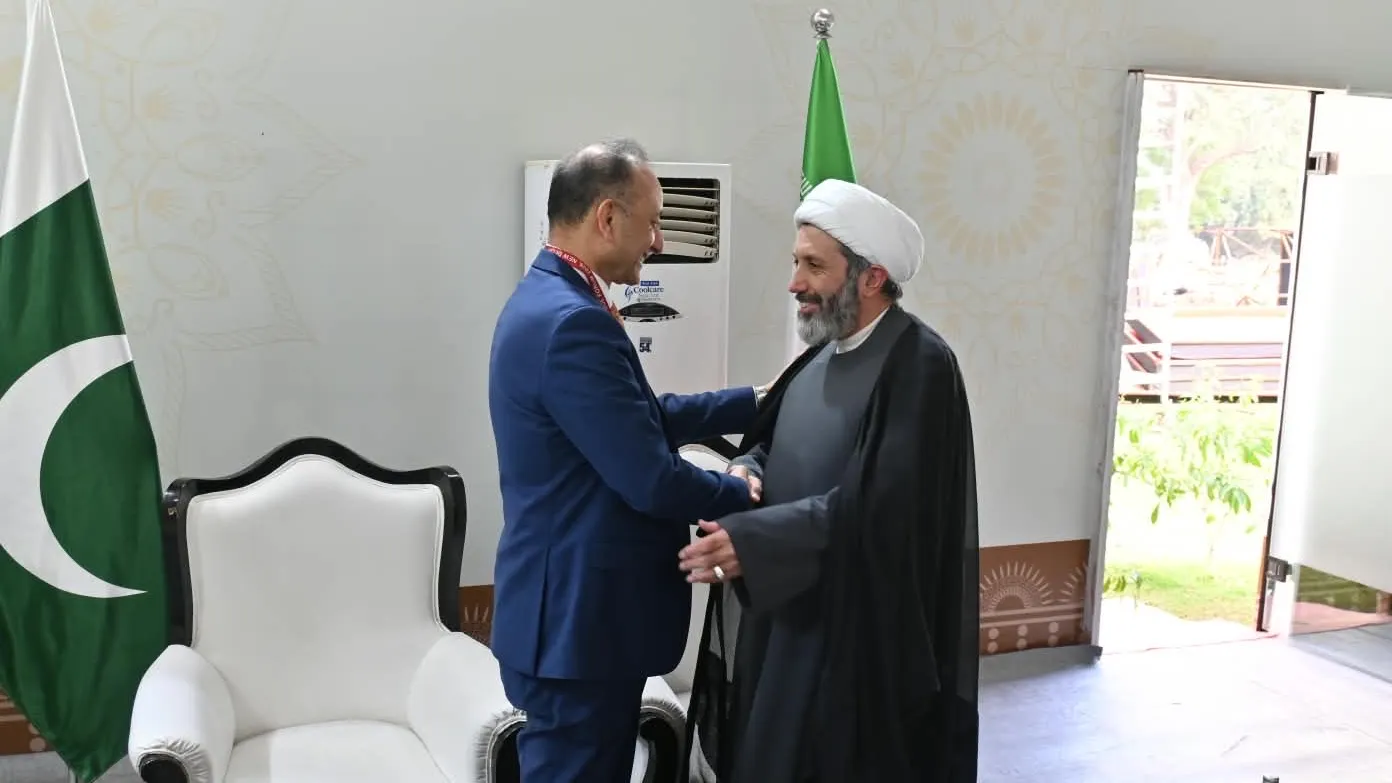
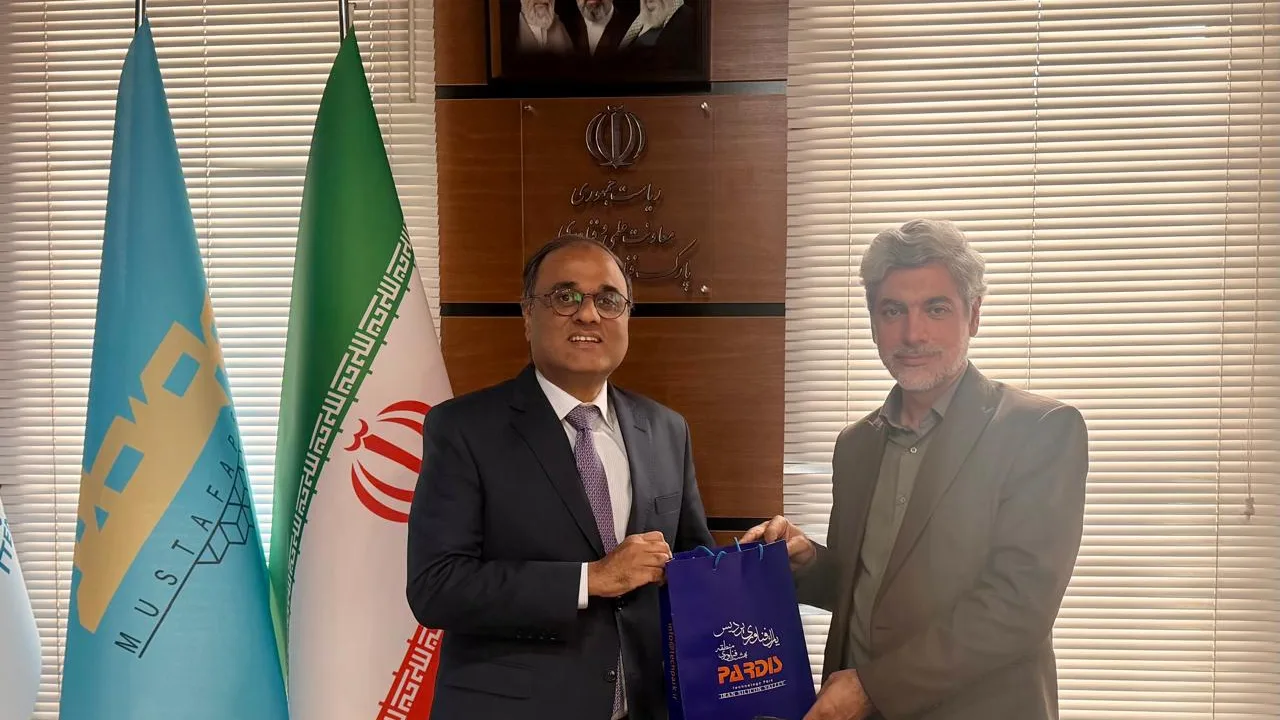
According to the Pakistan High Commission in India, Malik also held bilateral meetings at the forum:
- Tajikistan: with Culture Minister Sattoriyon Amonzoda.
- Iran: with Mohammad Mahdi Imanipour, president of the Islamic Culture and Relations Organisation.
What he said about terrorism on Friday
A day earlier, on the first day of the forum, Malik was asked about Pakistan’s position on terrorism. He said he had come to attend a multilateral forum and did not want to reduce a wide-ranging dialogue to a bilateral argument, but added that when the time came to discuss terrorism, thousands of Pakistanis had been martyred and transparency was needed.
He said both Pakistan and India should bring evidence when they accuse each other of backing terrorism on the other’s soil, and proposed a transparent mechanism to rebuild trust. “I do not wish to present a narrative of mere victimhood,” he said, adding that Pakistan is doing its utmost to deal with the situation.
Rather than concentrating on a single incident or on bilateral finger-pointing, he said, it would be far better to address the region’s problems through a structured mechanism based on concrete evidence. The challenges, he noted, now extend to Iran, Central Asia and Afghanistan.
Why it matters
Visits by Pakistani ministers to Delhi are rare. Ties between the two countries are strained: Pakistan has kept its airspace closed to Indian aircraft, and this week extended that ban to December 24, as we reported in Pakistan extends airspace ban on Indian aircraft. A multilateral SCO platform is one of the few settings where the two delegations sit in the same room, and Malik chose to put Pakistan’s long-standing proposal there: a transparent, evidence-based mechanism for both sides.
His climate argument fits Pakistan’s wider case. Pakistani officials have long argued that the country adds little to global emissions yet suffers heavily from floods and heat. Our report on Kalash Valley and climate change shows what that looks like for one heritage community in Chitral.
For Pakistan’s SCO diplomacy more broadly, see Dar urges SCO to turn its shared vision into real results.
What we do not know
- Whether Malik’s proposal for a joint mechanism drew any reply from the Indian side at the forum.
- Whether the forum will produce a written declaration, and if so what it says on heritage and climate.
- Whether any of the sideline meetings will lead to cultural exchanges or agreements.
Comments
Comments are reviewed by our editors before they appear. Please keep them civil and on topic. See our terms.
No comments yet. Be the first to share your view.