

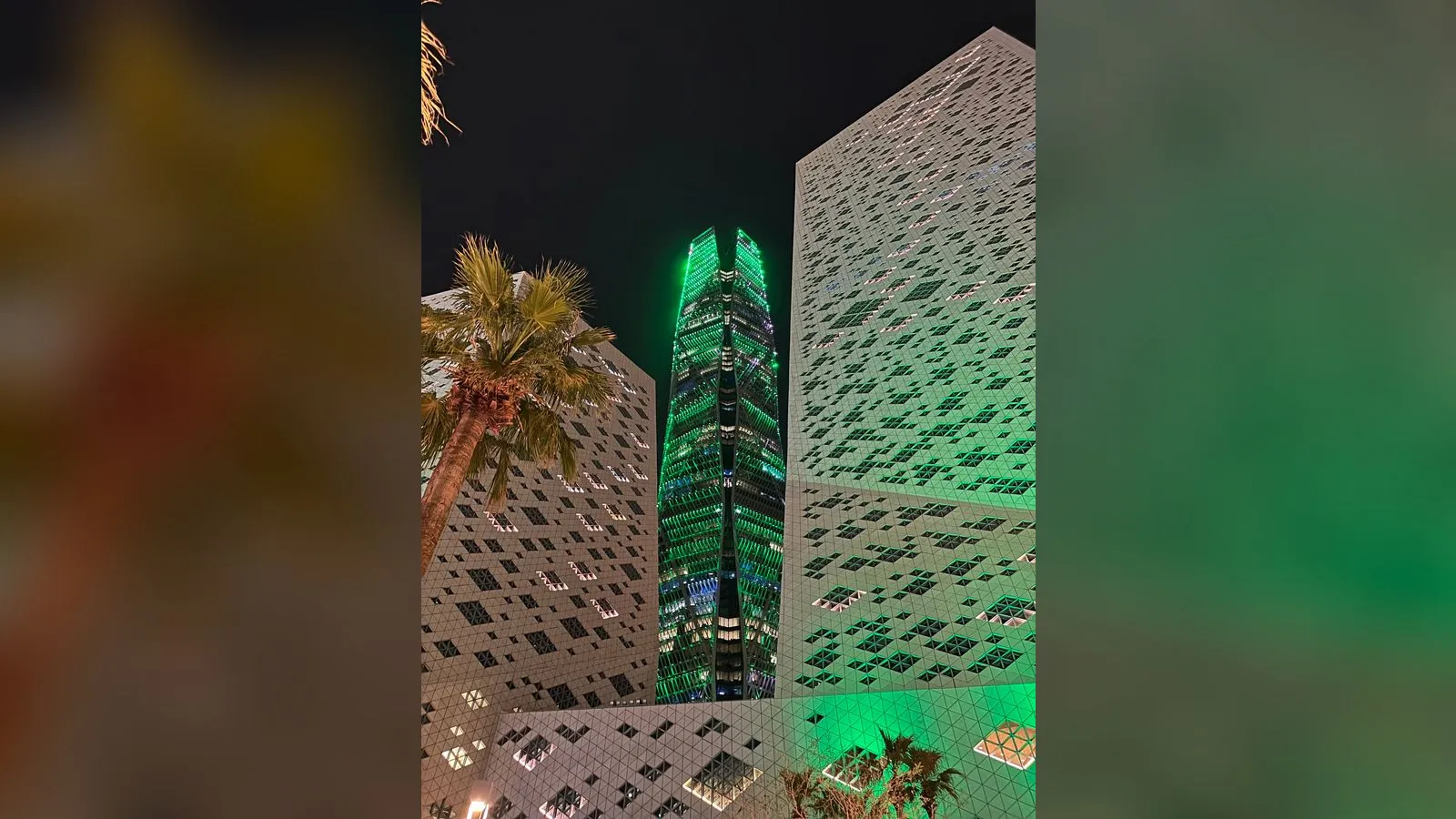
A suspected Houthi missile hit the headquarters of Saudi Arabia’s sovereign wealth fund in Riyadh on Thursday, damaging the Public Investment Fund’s PIF Tower in the capital’s financial district. Reuters reported that a landmark in the district has now been damaged twice in under two weeks.
The blast blew out windows across seven or eight floors and bent parts of the tower’s metal facade. The King Abdullah Financial District (KAFD) was sealed off and people were evacuated, with ambulances and fire engines at the scene. No casualties were reported at first. Reuters described PIF Tower as the tallest skyscraper in the city.
What is known so far
- The target: PIF Tower, the headquarters of the state fund that invests the kingdom’s oil wealth. The fund acknowledged a request for comment from Reuters but had not said more.
- Who fired it: Reuters cited three people with knowledge of the matter who said a Houthi missile had hit the building. The Houthis had issued no statement when the report was filed.
- The official line: the Saudi-led coalition said it had “dealt with a missile threat” that the Houthis aimed at Riyadh. Its first assessment, it said, found fallen debris and some material damage.
- The night before: residents were woken in the early hours by a loud boom. Saba, the news agency run by the Houthis, reported Saudi air raids on Sanaa, the Houthi-held capital of Yemen, in the early hours of Thursday. It gave no details.
These accounts come from Reuters and the coalition. The Indus Compass has not independently verified them, and the cause of the damage rests on Reuters’ sources, not on an official finding.
A pattern, not a one-off
The attack fits a run of strikes that has moved steadily closer to the centre of Saudi economic life. Our earlier reports track it:
| Date | What happened |
|---|---|
| July | The truce between the Houthis and the Saudi-led coalition collapses as the wider US-Iran war rages, Reuters says |
| October 22 | The US orders non-emergency embassy staff to leave Saudi Arabia after near-daily attacks, and a Pakistani worker is among the injured at the Shaybah oilfield |
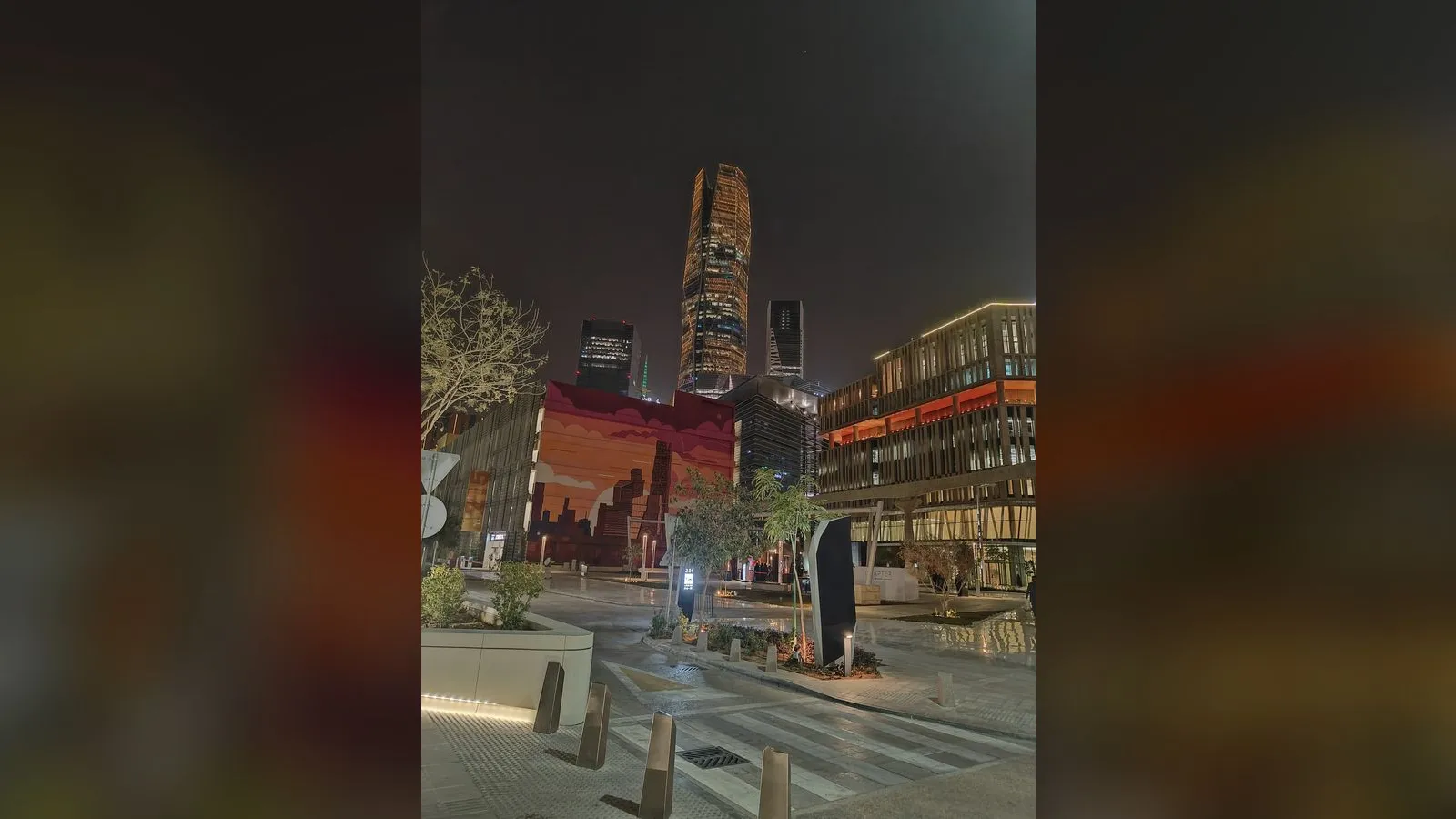
| November 8 | An Aramco tower in the same financial district is damaged by debris |
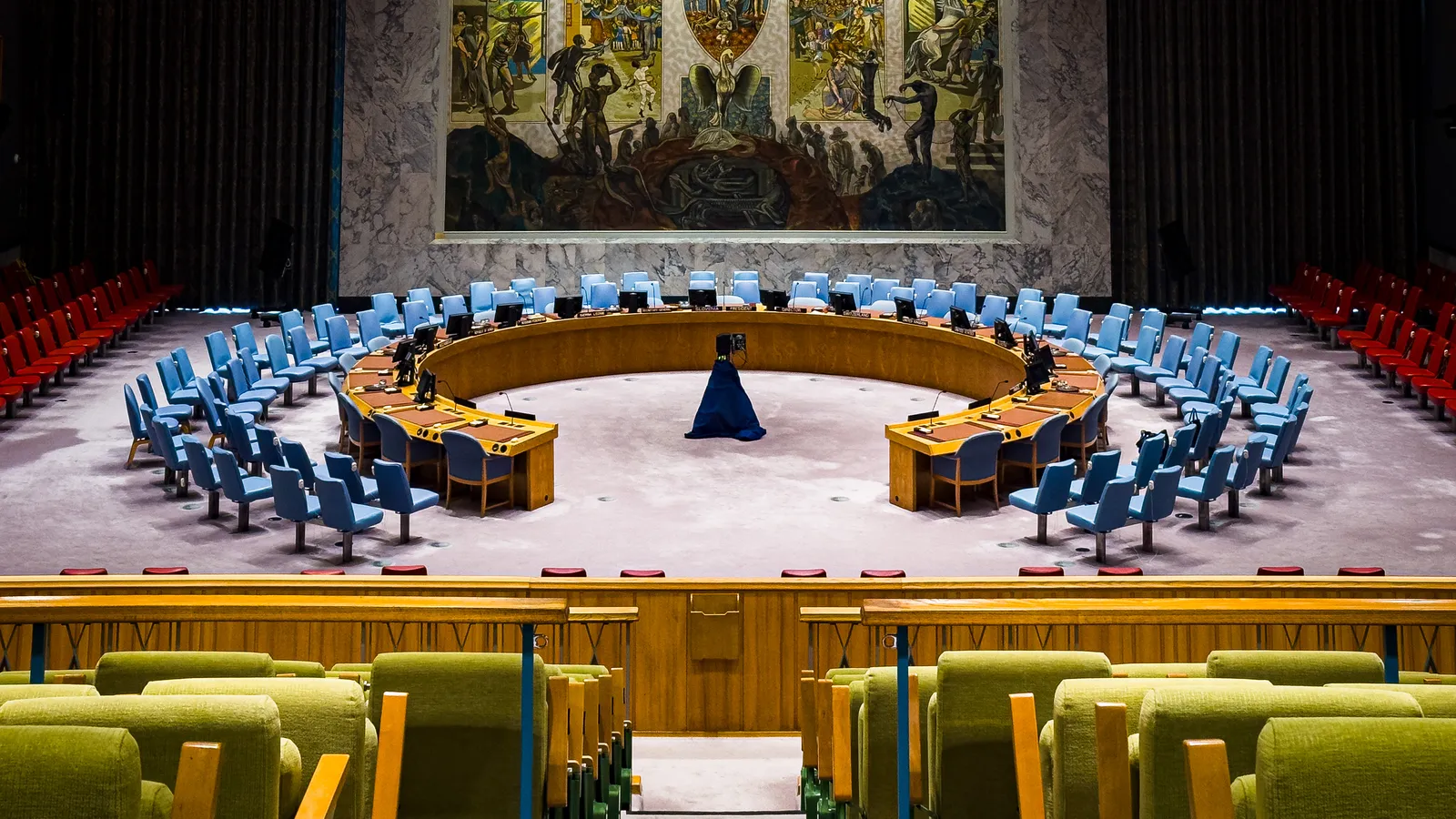
| November 13 | The UN Security Council renews Yemen sanctions and demands that the Houthis stop attacking Saudi Arabia; Pakistan votes in favour |
| November 19 | PIF Tower is hit |
Why this target matters
Airports and oilfields are military and economic targets. A tower that houses the fund steering Crown Prince Mohammed bin Salman’s plans to diversify the economy away from oil is something else, a symbol of the project itself. Reuters noted that the war has badly hurt those plans. The financial district was built to attract banks and corporate head offices, and repeated hits on its buildings make the argument that Riyadh is a safe place to do business harder to sustain.
That is an assessment, not a Saudi statement, and it is worth saying what we cannot tell from the reports: whether the Houthis aimed at the tower or at another building in the district, how many missiles were fired, and how many were intercepted.
The war around it
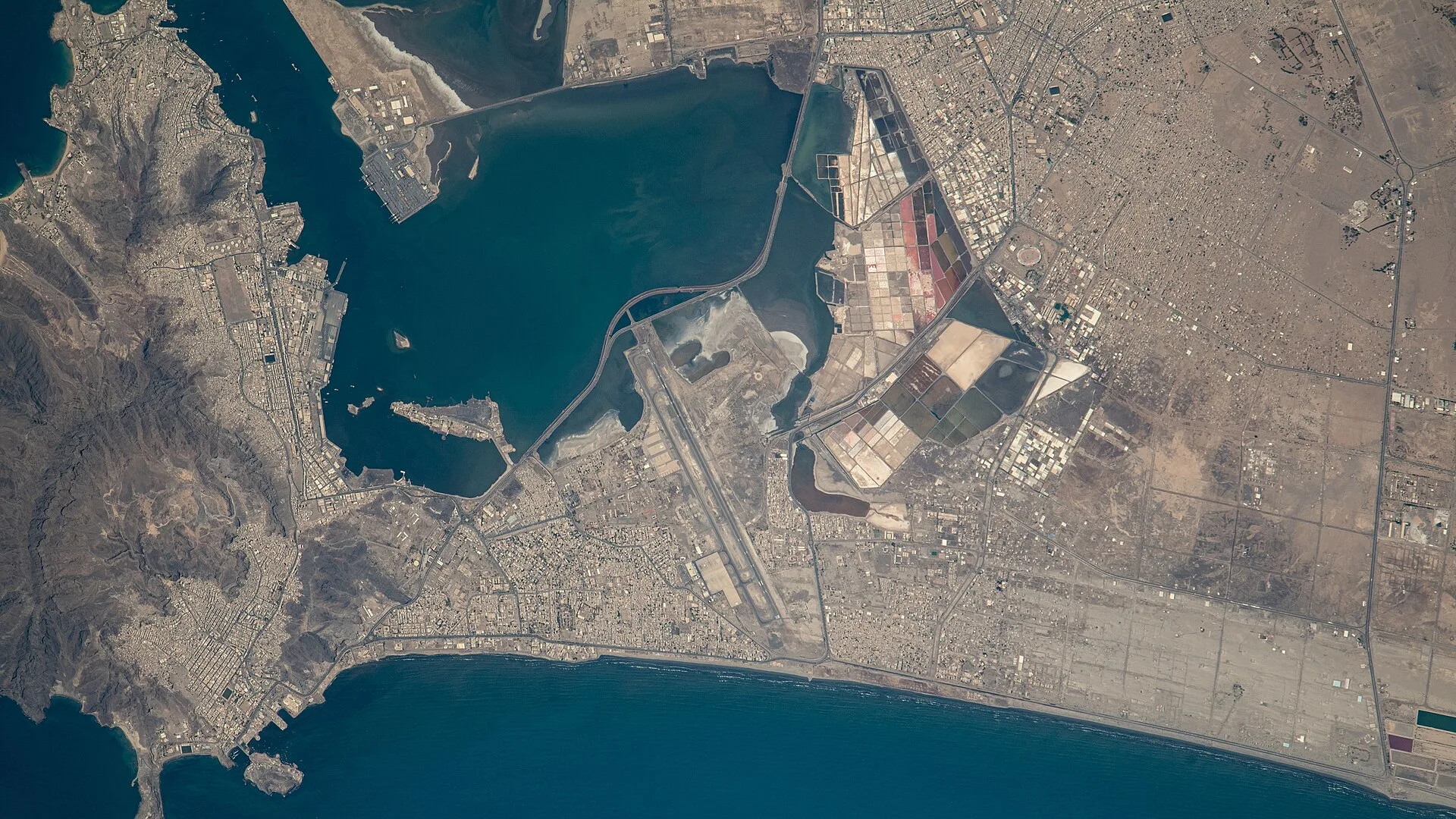
Reuters says the Houthis have been firing at Saudi airports and oil facilities since July, when Yemen’s long-dormant civil war flared up again. On the ground inside Yemen, the group has taken large areas from the Saudi-backed government, which was forced into a major retreat at the weekend. It now holds Yemen’s entire Red Sea coast, including the strategically important Bab el-Mandeb Strait, and has surrounded Taiz, the highland city that overlooks the government’s temporary capital, Aden.
A Reuters report on Wednesday, based on two Western officials briefed by the Saudis, said Riyadh now expects the campaign to run for as long as six months and wants its allies to win ground before it sits down with the Houthis. The coalition has a new commander this week. Crown Prince Mohammed bin Salman also received the head of US Central Command, Admiral Brad Cooper, in Riyadh on Wednesday: his third publicly reported visit since the Yemen fighting resumed.
The Gulf is also tense on its other side. The wider war started in February with US and Israeli attacks on Iran, and the talks mediated by Qatar have produced no breakthrough. In recent days Iran has fired at US allies Bahrain and Kuwait, according to Reuters, and American air raids struck Qeshm Island, in the Strait of Hormuz, on Tuesday.
Riyadh joined the Yemen war in 2015, heading an Arab coalition that aimed to put the government back in power after the Houthis took Sanaa. Years of fighting ended in stalemate and a 2022 ceasefire, which lasted until this summer.
What to watch
- Whether PIF or the Saudi government gives a damage assessment and confirms that no one was hurt.
- Whether the Houthis claim the strike and name their target.
- Any further hits on the financial district, and whether foreign firms with offices there change their staffing.
- Pakistan’s response. Islamabad has already condemned the attacks on Saudi Arabia at the UN, and many Pakistanis work in the kingdom: a Pakistani worker was among those injured in October.
Comments
Comments are reviewed by our editors before they appear. Please keep them civil and on topic. See our terms.
No comments yet. Be the first to share your view.