


Police in Rawalpindi have submitted the charge sheet in the murder case of Hina Javed, closing the investigation phase nearly three months after she was found dead at her home. City Police Officer (CPO) Sardar Ghias Gul told reporters on Saturday that the case has now gone to court for further legal proceedings, Dawn reported.
A charge sheet is the police’s formal report of what its investigators found and whom they hold responsible. It is not a verdict. The accused remain innocent in law until a court rules otherwise.
What happened
Hina Javed, 45, who worked as a digital media executive, was found dead at her Rawalpindi home in August. Police said she bore signs of violence and ruled out suicide, calling it murder. Her brother, Fahad Javed, lodged a first information report (FIR) that named her husband, father-in-law and the family’s domestic worker.
Police arrested her husband and the domestic worker, Zeeshan, and sent both on judicial remand. Her father-in-law was questioned during the inquiry. Members of civil society held a vigil outside the National Press Club in Islamabad on August 30.
The delay
As Dawn noted, the law gives police 15 days from a suspect’s judicial remand to file a charge sheet in a murder case. Here it took close to three months. The CPO acknowledged shortcomings in police prosecution. Suspects could be kept from walking free on technical grounds, he said, if the right people were put in the right positions.
What the evidence reportedly shows
Dawn reported that forensic evidence played a major part in the investigation:
- DNA from the domestic worker matched post-mortem swabs and other samples from the scene.
- Her husband’s DNA matched samples taken from several items at the scene.
- Testing of the victim’s clothing found DNA from at least three people, and the husband, father-in-law and domestic worker could not be excluded as contributors.
Punjab Chief Minister Maryam Nawaz had said earlier that DNA and polygraph tests suggested the servant was responsible, but that the investigation was ongoing. Reports of this kind are evidence for a court to test. They are not findings of guilt.
The family’s concerns
Hina’s family has said repeatedly that it does not trust the Rawalpindi police investigation. It has claimed evidence was tampered with, alleging that the husband’s brother cleaned the accused’s room and colluded with police. The family wants a special judicial commission and copies of the DNA and forensic reports.
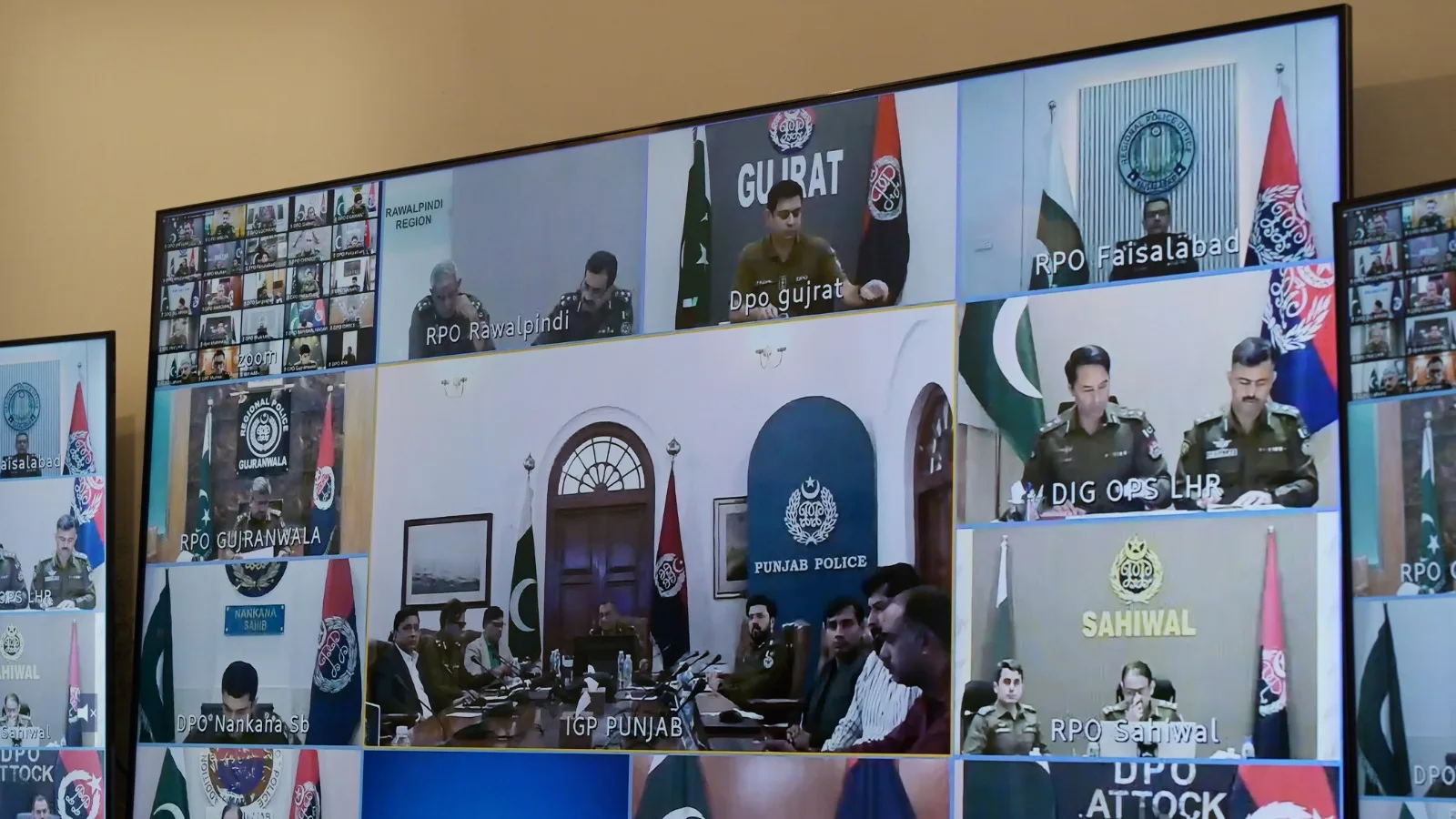
The Punjab government set up a high-powered committee of three members to review the inquiry. A National Assembly committee on interior affairs and narcotics control called senior police officials, among them the Punjab Inspector General of Police, to brief it. On October 29, First Lady Aseefa Bhutto Zardari met the family at Parliament and asked that its demand for a judicial commission be “given due consideration”.
What happens next
- The court will examine the charge sheet and decide how to proceed with a trial. If charges are framed, the prosecution has to prove them with evidence in open court.
- The family’s demand for a judicial commission has not been met in the reports so far.
- It is not yet clear whether the high-powered committee has finished its review or whether its findings will be made public.
Why it matters
Delays like this matter because the length of time between a death and a charge sheet is also the time in which evidence can be challenged and suspects can seek bail. The CPO’s own acknowledgement that prosecution had shortcomings is notable, and it is the part of the story that affects far more cases than this one. For the family, and for those who gathered in Islamabad in August, the question now is whether the trial moves at a pace that restores trust.


Comments
Comments are reviewed by our editors before they appear. Please keep them civil and on topic. See our terms.
No comments yet. Be the first to share your view.