

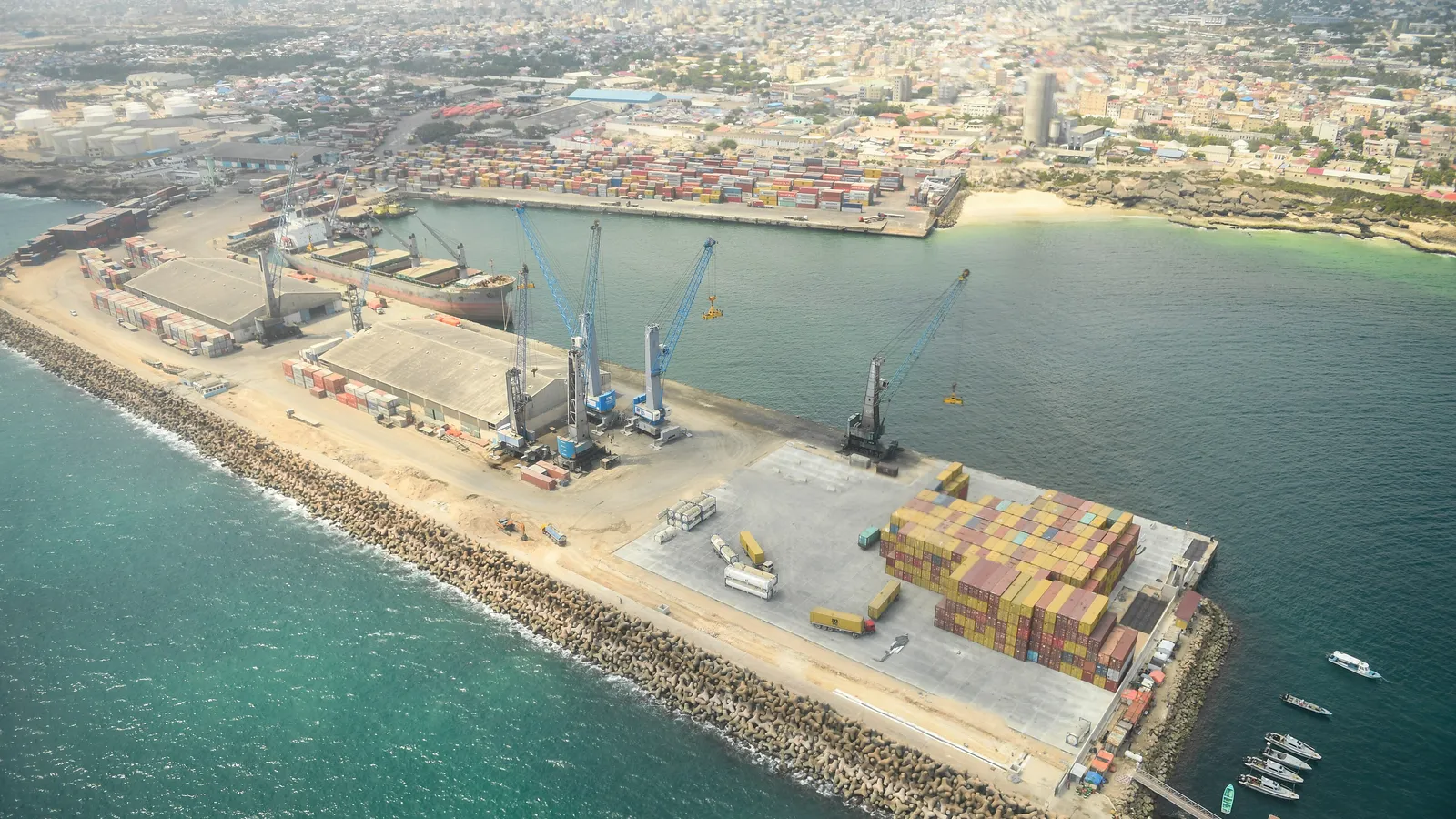
Somalia has given the United Arab Emirates’ ambassador 72 hours to leave and pulled its own envoy out of Abu Dhabi, saying the Emirates has violated its sovereignty in an “open invasion”. The order, announced on Thursday, is one of the sharpest diplomatic breaks between two states that until recently were close partners, Reuters reported.
Information Minister Abdifatah Kasim Mohamud announced the decision on state media and warned that action would follow against anyone who helps the UAE in what he called an invasion. He called on Somalis to defend the country and stand together against it.
What Somalia has and has not said
The minister did not say what the UAE had done to provoke the response. The only detail comes from an earlier speech. On Tuesday, President Hassan Sheikh Mohamud said the UAE was backing some regional Somali administrations, economically and politically, in their opposition to the federal government.
The UAE foreign ministry did not respond straight away. Reuters noted that the Emirates has always denied interfering in Somalia. Because the accusation of “invasion” is unexplained, readers should treat it as Mogadishu’s description of events, not as an established fact. We have not seen any evidence of troop movements, and none has been cited.
A partnership that came apart
| When | What happened |
|---|---|
| 2014 to 2018 | The UAE trains hundreds of Somali troops |
| January 2026 | Somalia says it has cancelled every agreement with the UAE, from port deals to defence and security cooperation, and accuses it of undermining national sovereignty |
| Early 2026 | Three self-governing regions with close UAE ties reject that decision |
| Tuesday | President Hassan Sheikh Mohamud accuses the UAE of backing regional governments against the federal one |
| Thursday | Ambassador told to leave within 72 hours; Somalia’s envoy recalled |
Senior Somali sources told Reuters the UAE still covers pay and logistics for roughly 3,400 military police and special forces troops stationed in and near Mogadishu. It has also dealt directly with regional administrations, pledging hundreds of millions of dollars for ports and military facilities on the coast.
Why the regions matter
Reuters noted that Somalia’s federal government controls little of the country and has not beaten the militants, despite years of help from African peacekeepers and US air strikes. Some of Somalia’s federal member states and self-governing regions run their own relations with outside powers. The UAE has spent heavily to build influence across the Horn of Africa, mixing money with military and diplomatic ties.
That is the heart of the dispute. When a foreign government deals directly with a region, the central government in Mogadishu sees an attack on its authority, while the region sees a partnership it chose. The president’s complaint on Tuesday was exactly that: support to regional governments that oppose the federal one.
Why it matters beyond Somalia
Somalia sits on the Gulf of Aden, which leads to the Bab el-Mandeb Strait, and the Houthis have seized Yemen’s entire Red Sea coast, including the strait itself, as we reported in our story on the strike on Riyadh. The UAE has built or backed ports along these routes. A break between Mogadishu and Abu Dhabi therefore matters for who controls access, security and trade on one of the world’s busiest shipping lanes, even if neither side says so.
It also lands at a difficult time for the Gulf, which is dealing with the US-Iran war and the Houthi attacks on Saudi Arabia. A new quarrel with a Horn of Africa state is one more problem for the region’s governments to manage.
Pakistan has a small stake in these waters. We reported in September that three Pakistani sailors were killed when Somali police freed a hijacked tanker, a reminder that Pakistani seafarers work these routes.
What to watch
- Whether the ambassador leaves within 72 hours, and how the UAE responds, in words or through its leverage over the troops it pays for.
- What the “measures” against those who “cooperate” with the UAE turn out to be, and whether they affect the three regions that have close ties to Abu Dhabi.
- Whether other Gulf states, the African Union or the Arab League try to mediate.
- What happens to the roughly 3,400 troops the UAE supports. Reuters’ sources say the Emirates pays and supplies them, and nobody has said what becomes of that arrangement.
Comments
Comments are reviewed by our editors before they appear. Please keep them civil and on topic. See our terms.
No comments yet. Be the first to share your view.