


The National Institute of Health (NIH) issued three nationwide public health advisories on Saturday, urging federal and provincial authorities to tighten disease surveillance, immunisation and hospital readiness as winter sets in. The advisories came from the NIH’s Centre for Disease Control and cover seasonal influenza for 2026-27, the health risks of smog, and diseases that vaccines can prevent, The Express Tribune reported.
What the NIH is warning about
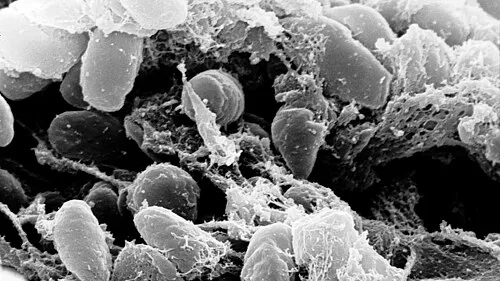
The institute said falling temperatures and changing disease patterns could increase respiratory and cardiovascular risks this winter. It also said that measles, diphtheria, pertussis and tetanus remain a public health concern.
What authorities are being asked to do
According to the advisories, federal and provincial health departments, hospitals and laboratories should:
- strengthen routine and catch-up immunisation to close vaccination gaps;
- detect suspected cases early and confirm them quickly in laboratories;
- follow standard clinical management for patients;
- improve hospital preparedness for a possible rise in patient numbers; and
- strengthen public awareness and risk communication on preventing seasonal infections and smog-related complications.
The NIH asked all relevant authorities and stakeholders to put the recommendations into effect promptly to reduce winter-related risks.
The local picture
The advisories land at a time when several signs of the season are already visible.
Flu. In late October, doctors in Karachi said flu cases at the Jinnah Postgraduate Medical Centre and Dr Ruth Pfau Civil Hospital had roughly doubled within a week as night temperatures fell. Our report Karachi flu cases double at JPMC and Civil Hospital has the figures and the advice the doctors gave, including hand washing, staying home when ill and the annual flu shot.
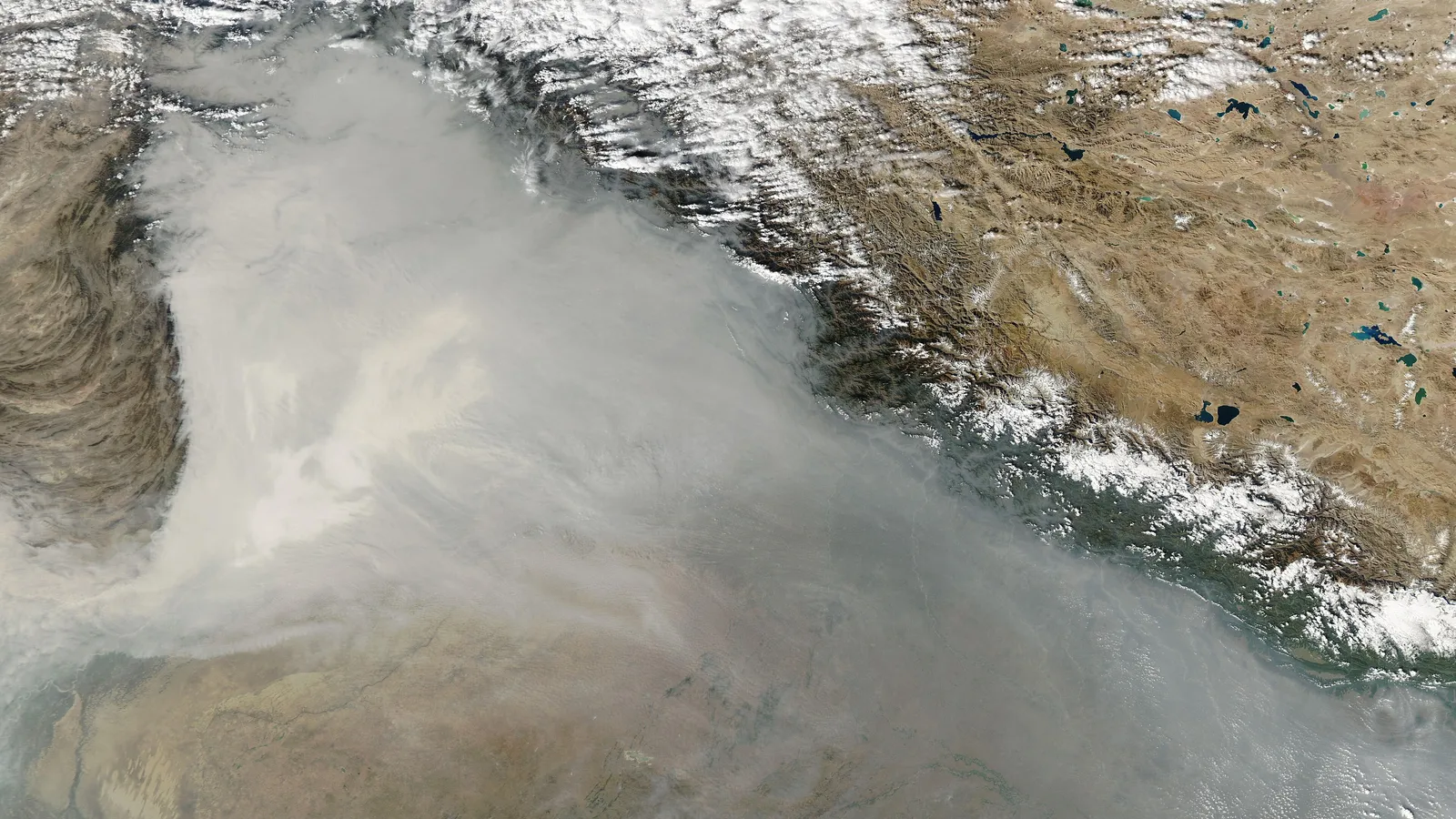
Smog. On November 18, Lahore topped IQAir’s list of the world’s most polluted major cities at an air quality index (AQI) of 339, while Faisalabad reached 686 on the Pakistan ranking. Readings above 300 are classed as hazardous. We looked at the numbers and at Punjab’s fire data in Lahore is back at the top of the world pollution list.
Heart health. Doctors have also warned about heart disease in Pakistan, where cardiac problems are increasingly seen in younger people. The NIH’s mention of cardiovascular risk fits that pattern. See Growing heart health risks among young people in Pakistan.
Why it matters
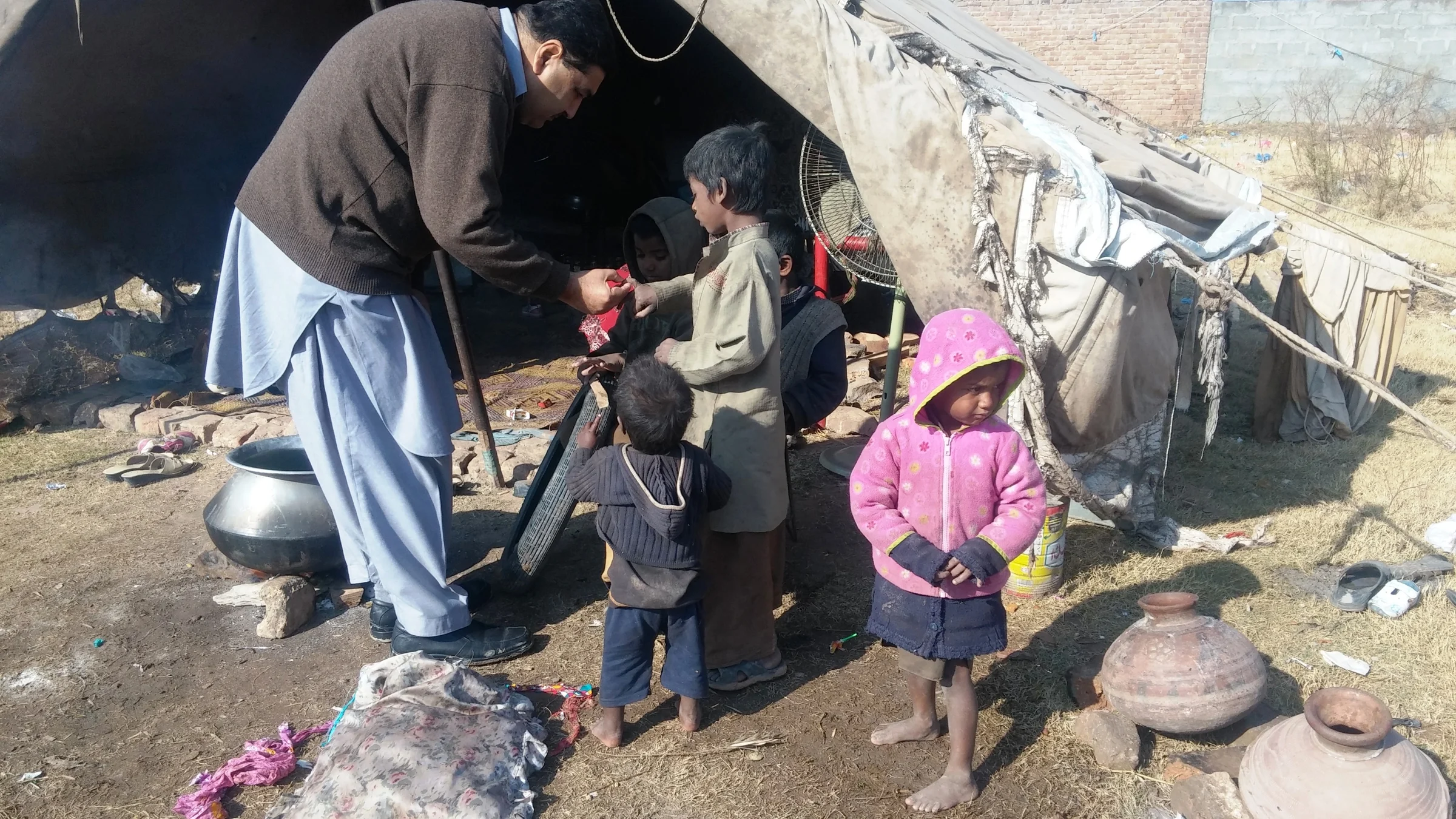
Advisories of this kind are addressed to officials, and most readers will never see them. But they decide what the health system does in the next few months: which clinics have vaccine stock, whether laboratories are ready to confirm cases, and whether hospitals expect a surge. The reference to “catch-up” immunisation is important, because it means children and others who missed doses should be given them, not only babies on the regular schedule.
For ordinary households, the practical points are the same as in doctors’ advice earlier this season: check that children’s routine vaccinations are up to date, talk to a doctor about the flu vaccine, and take smog warnings seriously, particularly for older people and those with lung or heart conditions.
What we do not know
- The advisories themselves have not been published in full in the reports we have seen, so we cannot say what specific case counts or thresholds the NIH has set.
- The NIH has not said how many measles, diphtheria, pertussis or tetanus cases have been detected this year.
- It is not yet clear which provinces will act first, or whether additional vaccine supplies are being arranged.
Comments
Comments are reviewed by our editors before they appear. Please keep them civil and on topic. See our terms.
No comments yet. Be the first to share your view.