

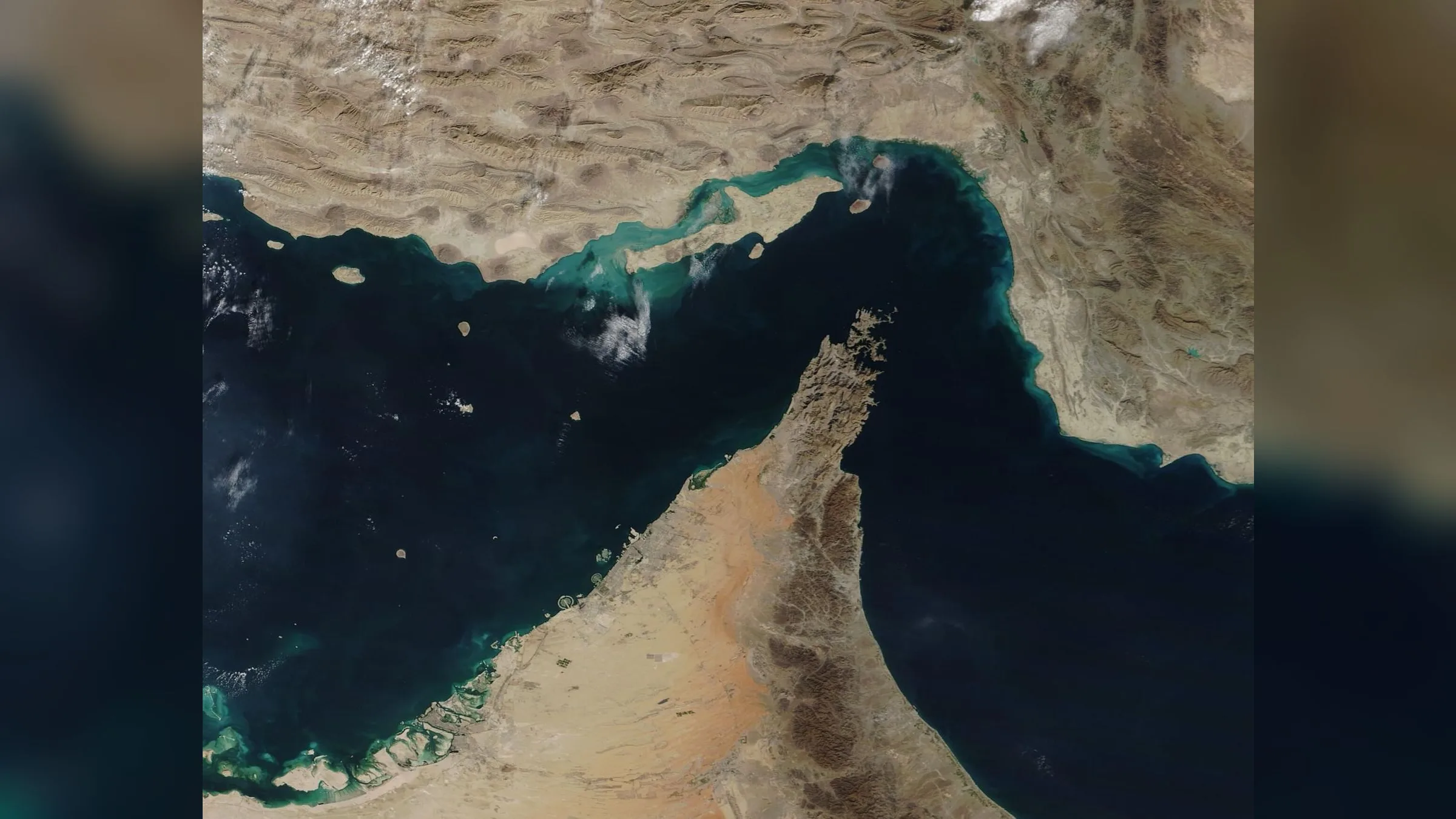
Iran’s Islamic Revolutionary Guard Corps (IRGC) Navy said on Thursday that four vessels involved in what it called illegal oil transfers in the northern Persian Gulf were hit at the same time and caught fire on Wednesday, after being tracked by its forces, The Express Tribune reported.
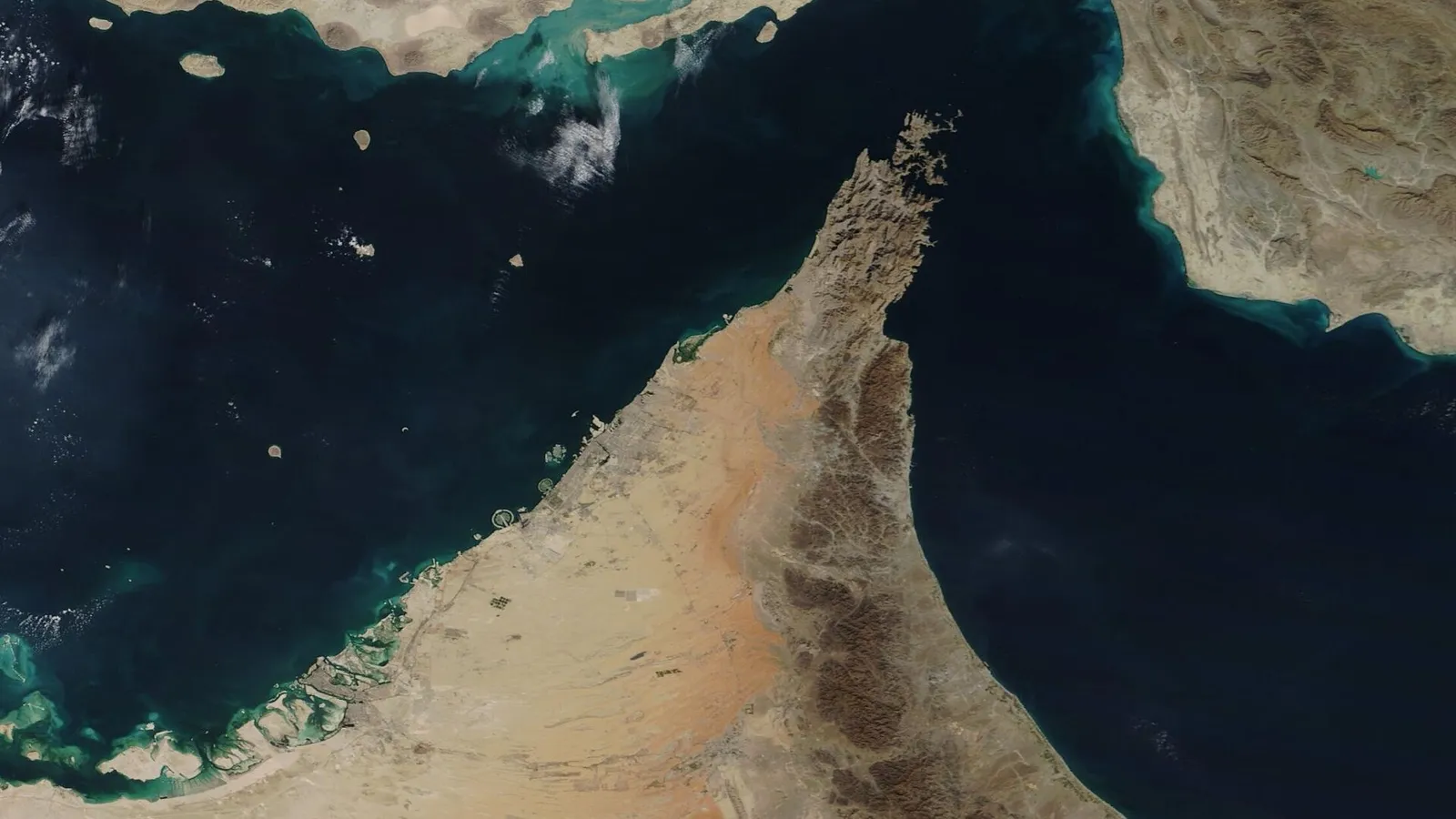
The IRGC said three more vessels struck mines west of the Strait of Hormuz. It warned the US military that continued “provocations” could lead to a wider response against American bases in the region.
The IRGC did not say who owned the vessels or whether anyone was hurt.
Trump: “We’re not negotiating”
US President Donald Trump said on Wednesday that Washington is not negotiating with Iran and that “something one way or the other” will happen “fairly soon”.
“No, I think we’re not negotiating,” Trump told reporters after returning from a rally in South Carolina. “Most people seem to think it’s after the election, and we’re going to see what happens.”
At the rally, he said the US could end its war with Iran now but wanted the outcome to last. “It’ll end very soon. We could leave now, but we want to make sure it lasts for a long time,” he said, claiming the US had defeated Iran militarily and financially and that Tehran would “never have a nuclear weapon”.
The New York Times reported that the US and Israeli militaries have drawn up plans for renewed strikes on Iran after the US midterm elections, citing officials briefed on the discussions. The paper said it was far from certain that Trump would approve them, noting he has repeatedly vetoed plans to return to major combat this year. A White House official said the administration does not comment on military plans “that may or may not exist”.
Iran names “legitimate targets”
A senior Iranian security official warned on Wednesday that Iran would treat US political assets, and infrastructure belonging to countries that join a new war, as “legitimate targets” if Iranian officials are assassinated or civilians killed, according to the Fars News Agency.
The official said:
- Iran assumes the US and Israel will attack again and regards Washington’s diplomatic gestures as “unreliable”.
- That view hardened after remarks by US Secretary of State Marco Rubio in Athens, which Tehran saw as a historical and civilisational justification for the war.
- Iranian leaders increasingly believe US policy in the Middle East is directed by Israel, which they say is blocking a diplomatic solution.
- Iran already considers itself at war with the US, and sees the naval and economic blockade and limits on its airspace as a continuation of the attack that began on February 28.
He said growing pressure from Iranian society was pushing the authorities towards “decisive action” to break the blockade, which Tehran regards as its right to self-defence.
A dangerous week in the Gulf
The warnings come as the region’s waterways grow more dangerous. Kpler data showed at least 18 attacks on shipping over the past two weeks, and LSEG analysts warned that tankers were being targeted well beyond the Strait of Hormuz, into the Gulf of Oman, Reuters reported.
On Wednesday, the US also ordered non-emergency embassy staff to leave Saudi Arabia after deadly Houthi attacks, while Iranian media reported several unexplained explosions in Hormozgan province. Oil prices rose above $110 a barrel on Thursday.
Pakistan has been among the countries trying to keep diplomacy alive, with army chief Field Marshal Asim Munir holding talks in Tehran this week.
Comments
Comments are reviewed by our editors before they appear. Please keep them civil and on topic. See our terms.
No comments yet. Be the first to share your view.