

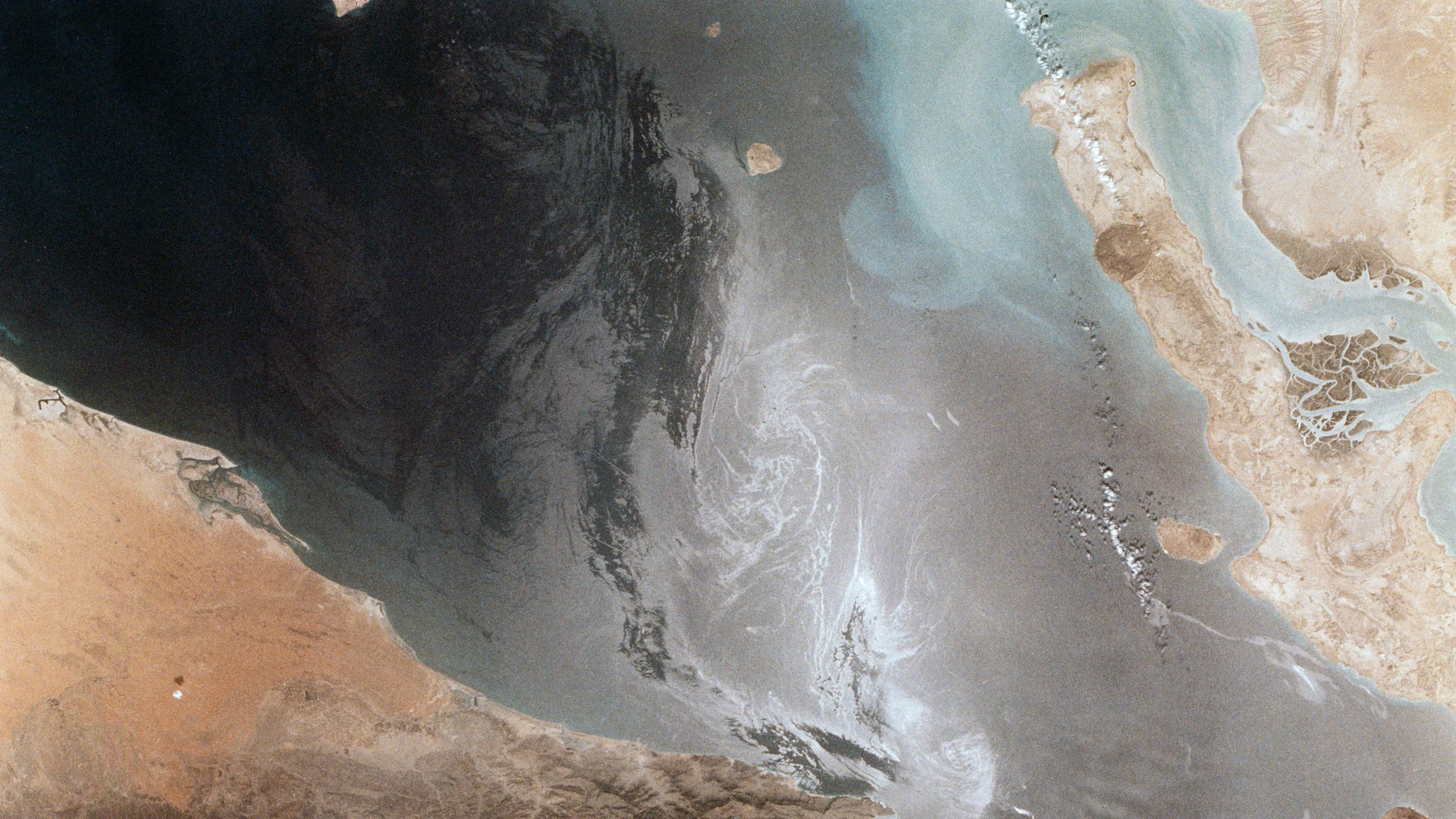
Iran’s armed forces chief has warned that any vessel that violates Iranian security protocols in the southern waters will “face serious damage”, Iran’s state news agency IRNA reported, as quoted in Dawn’s live coverage of the Middle East conflict.
What General Abdollahi said
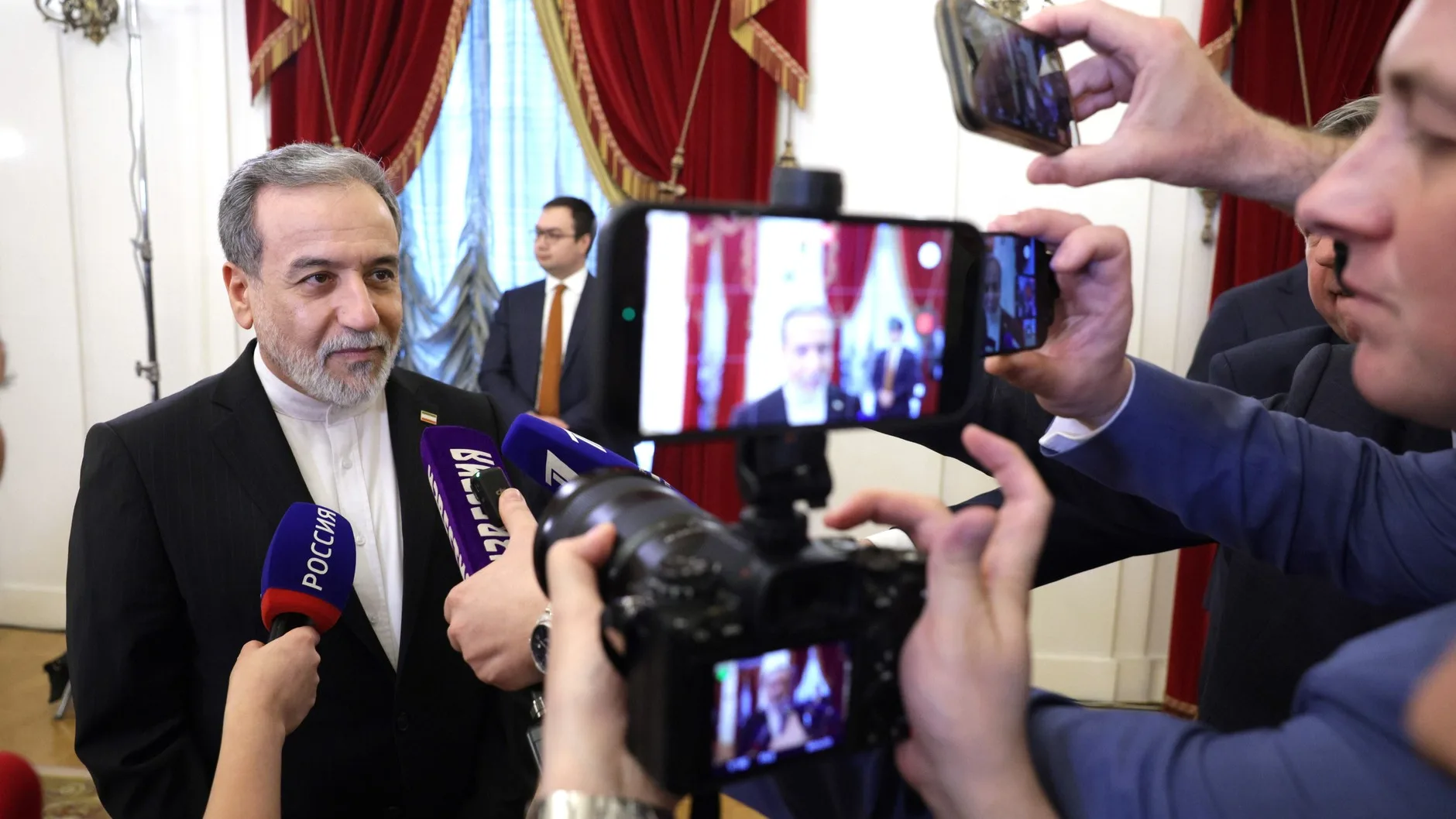
Major General Ali Abdollahi, Iran’s chief of staff, spoke during a visit on Monday to the coast of the Sea of Oman. “Any vessel that attempts to deviate from the designated route or disregard Iranian procedures, for any reason, will put itself at risk and face serious damage,” he said.
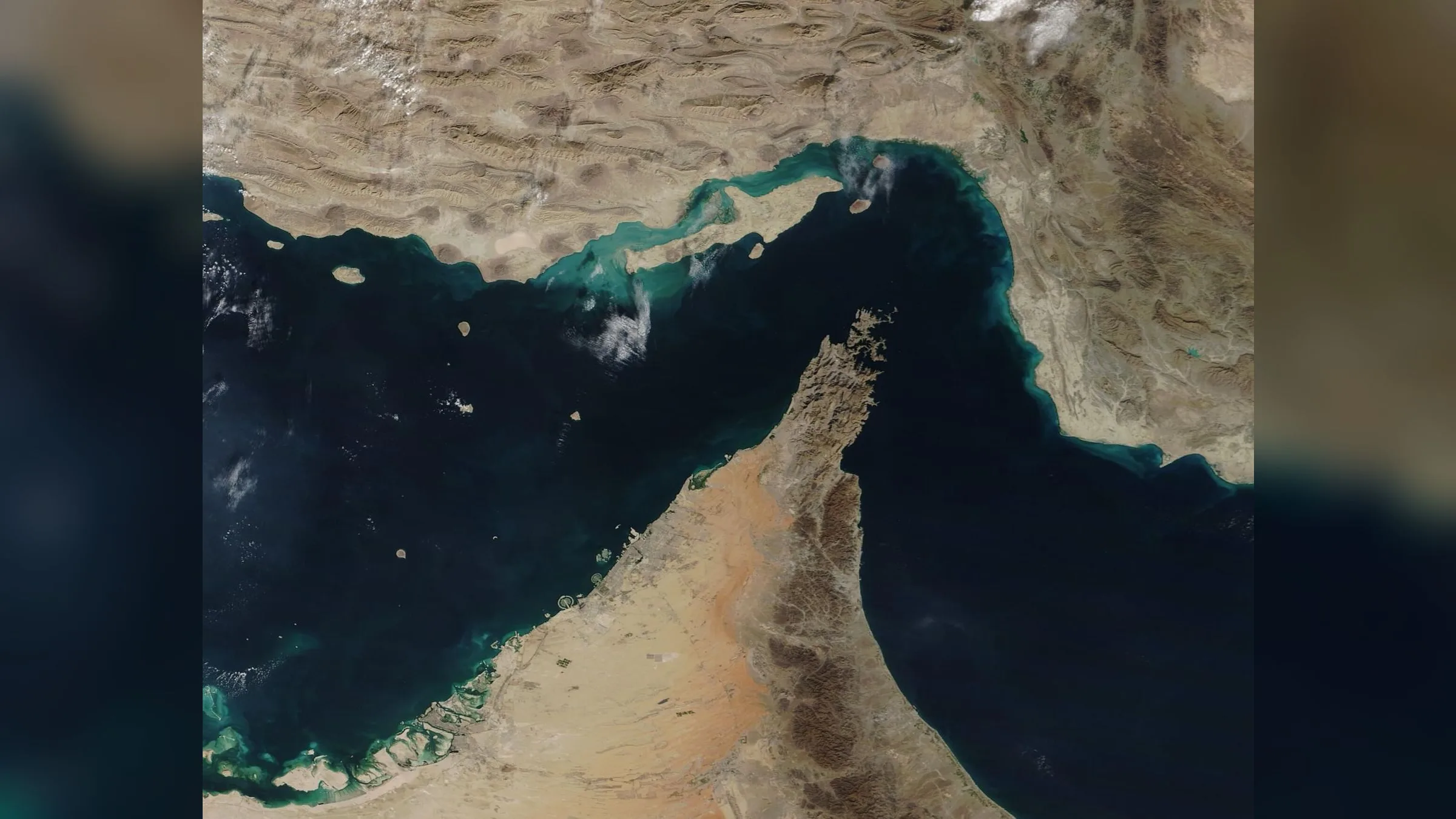
He added that the Islamic Revolution Guards Corps (IRGC) maintains full control over the Persian Gulf coastline, its islands and the Strait of Hormuz, and that all maritime traffic in the area is under close surveillance. Citing Tasnim news agency, Al Jazeera reported him saying that Iran’s army and navy had “complete control and oversight” of the area, contrary to US “propaganda”. “This strategic waterway is completely closed,” he said, adding that no vessel may pass “outside of Iranian regulations”.
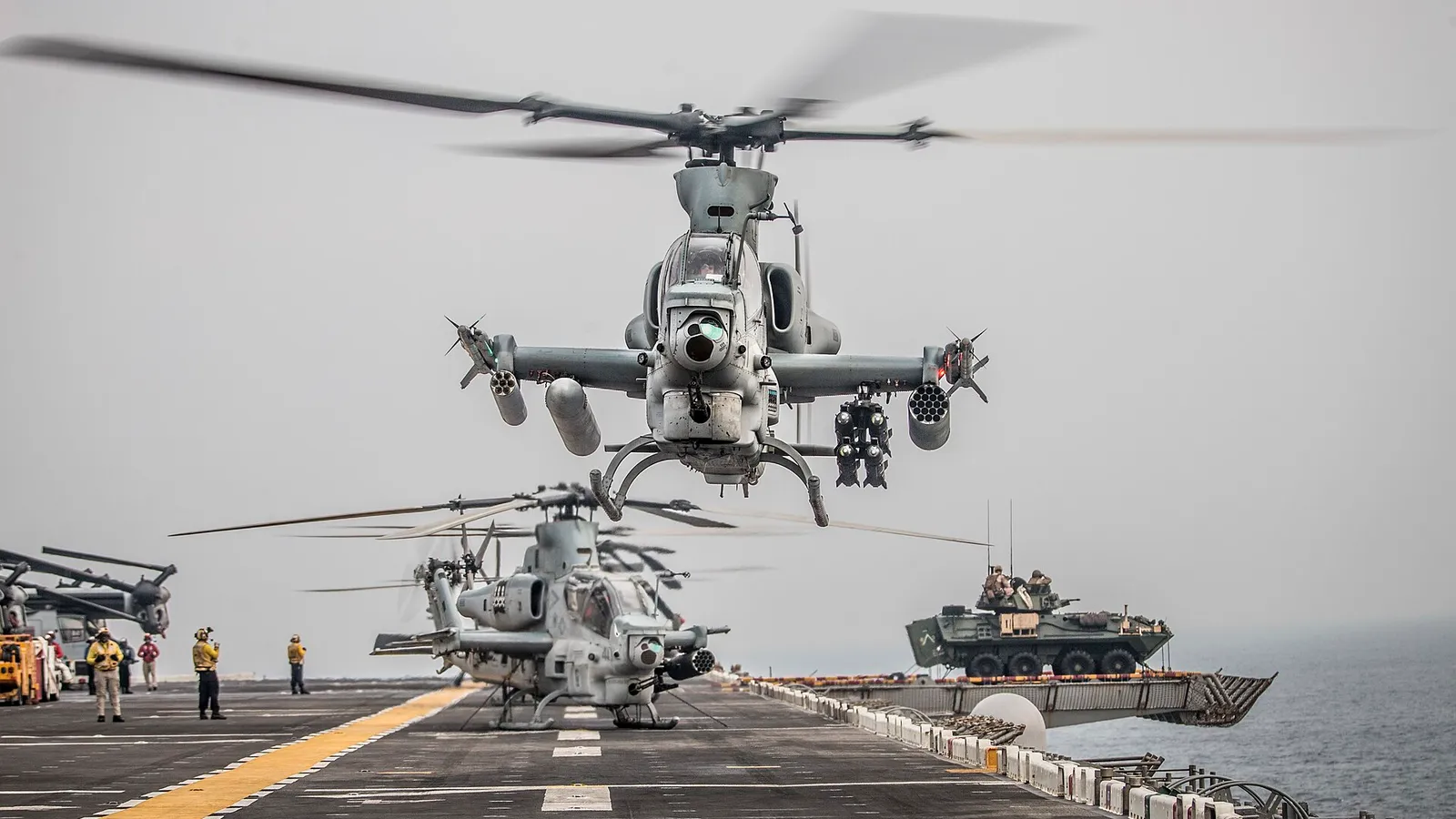
The United States takes the opposite view. Washington says the strait is open, and its forces have been escorting vessels through it. Iran has claimed control of the waterway since the war began in February, and has fired at ships that cross without its authorisation, which the US and Gulf states reject. Read our earlier report on the sinking of two ships near Hormuz.
Fire at sea and airlines pull back
The effects are showing in shipping and aviation. The United Kingdom Maritime Trade Operations Centre (UKMTO) said it had received “multiple third-party reports of a vessel on fire, 63 nautical miles southeast of Al-Faw, Iraq”, without giving the cause or the condition of the crew. It said the damage and environmental impact were unknown.
KLM, the Dutch arm of Air France-KLM, said it will not operate flights to a number of destinations in the Middle East for the whole 2026/27 winter season, Reuters reported. Its flights to the Saudi cities of Riyadh and Dammam are cancelled through November 27, and passengers affected will be notified. Meanwhile, Dawn’s live coverage listed headlines saying more than 4,000 flights across Saudi Arabia had been grounded because of attacks.
Talks in Tehran
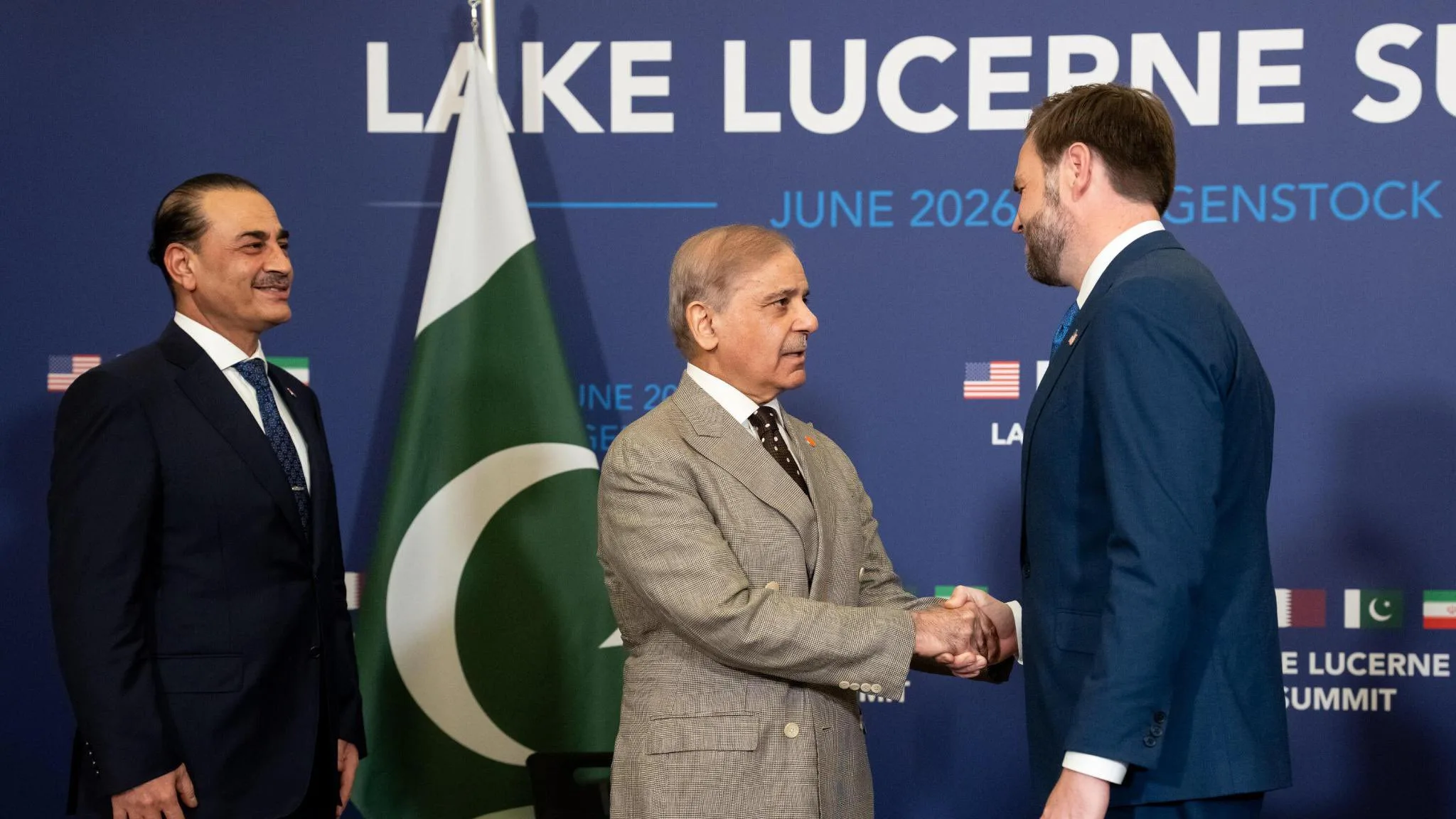
The warning came on the day of the first meeting in Tehran between Iran and the three states of the Makkah defence pact, Saudi Arabia, Pakistan and Turkiye. Iran’s security chief, Mohsen Rezaei, said afterwards that the four had stressed that Israel must withdraw from southern Lebanon, southern Syria, Gaza and the West Bank and end its aggression, and that he sensed “a new atmosphere emerging in the region”. Ali Bagheri Kani, the deputy secretary of Iran’s top security body, said that all four countries emphasised self-reliance and the building of domestic capabilities. UN Secretary General Antonio Guterres said no country in the Middle East can achieve lasting security at the expense of another, and called for “a new security architecture” shaped by the region’s own peoples. Read our report on the Makkah pact states’ first talks with Iran.
What we know and what we don’t
What we know: the statements by Iran’s armed forces chief, the report of a vessel on fire, and KLM’s cancellations.
What we don’t know: what routes Iran has designated, how ships are expected to follow them, what caused the fire off Iraq, and whether the US will respond to the warning. Iran’s account of control over the strait could not be independently verified.
Why it matters
About a fifth of the world’s energy supplies passed through the Strait of Hormuz before the war, and the dispute over who controls it affects fuel prices in countries such as Pakistan. A warning of “serious damage” to vessels that do not follow Iranian procedures is a threat to commercial shipping at a time when talks are under way, which makes it harder for insurers, airlines and shipping lines to plan. What to watch next: whether the quadrilateral talks continue, whether ships comply with Iran’s routes, and how Washington answers the claim that the strait is closed.
This article draws on reporting by Dawn, IRNA, Reuters and Al Jazeera.
Comments
Comments are reviewed by our editors before they appear. Please keep them civil and on topic. See our terms.
No comments yet. Be the first to share your view.