
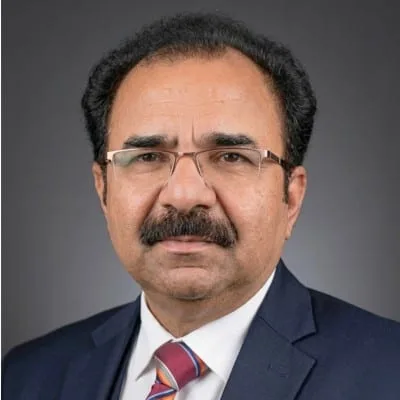
Federal Board of Revenue (FBR) Chairman Rashid Mahmood Langrial said on Wednesday that the government intends to abolish the super tax, Dawn and The Express Tribune reported.
“The super tax rate has already been reduced by two percentage points, and work has now begun on its gradual elimination,” he told members of the Korangi Association of Trade and Industry (KATI) in Karachi. He did not give a date or a schedule for the phase-out, and the reports did not say how much revenue the levy raises.
What else the FBR chairman promised
Langrial said the FBR wants to improve the tax system and make life easier for businesses. Dawn, citing a KATI press release, and the Tribune reported these steps:
- An FBR office will be set up at KATI to handle tax problems faced by industrialists in the Korangi Industrial Area.
- The scope of the FBR help desk will be extended from Karachi to Sukkur.
- The FBR will consult stakeholders to fix shortcomings in the raw-material import system.
- Meetings will be held to resolve border-trade problems faced by the leather industry.
- For pharmaceuticals, the board will work on a model similar to that of the Drug Regulatory Authority of Pakistan (DRAP) to make the Track and Trace System more effective.
He urged industrialists and traders to cooperate with the FBR in identifying and eliminating tax evasion so that the system could become more transparent. KATI President Sheikh Umer Rehan proposed a joint committee to resolve industrialists’ tax disputes quickly and strengthen coordination with the FBR.
Background: the June signals
Wednesday’s remark is the firmest from the FBR chief so far, but it follows earlier hints. In June, ProPakistani reported that Finance Minister Muhammad Aurangzeb told the Senate Standing Committee on Finance that the government wanted to abolish the super tax eventually, in phases over coming years, and would try each year to create the fiscal room for further cuts. In the same discussion, the report said, a senator proposed raising the income threshold for exemption from Rs500 million to Rs1 billion, and Langrial replied that this would need Rs250 billion in additional tax measures to make up the lost revenue. The report did not say whether the proposal was adopted. We could not confirm the exact super tax slabs in the current Finance Act from the sources used here, so we have left them out.
Why it matters
The super tax is an extra levy on large earners, and ProPakistani noted that business groups and investors have repeatedly called for its withdrawal. Removing it would lower the tax bill of big companies, which they say would help them invest and compete, but it would also remove a source of revenue at a time when the FBR is under pressure to meet its target. The Tribune reported this week that the board was Rs95 billion short of its target in the first four months of the fiscal year, a gap that also puts at risk the provincial cash grants for water projects; see our report on the ECC’s approval of Rs275bn for dams and canals.
Relations between the board and business have been tense in recent weeks. We reported on cotton ginners threatening a shutdown over FBR raids and on Prime Minister Shehbaz Sharif ordering faster FBR reforms. Offering a path to scrap the super tax, together with help desks and a Karachi office, reads as an attempt to rebuild trust.
What to watch is whether a timetable appears in the next budget, which slabs go first, and how the FBR makes up the revenue if collection stays below target.
This article draws on reporting by Dawn and The Express Tribune.

Comments
Comments are reviewed by our editors before they appear. Please keep them civil and on topic. See our terms.
No comments yet. Be the first to share your view.