

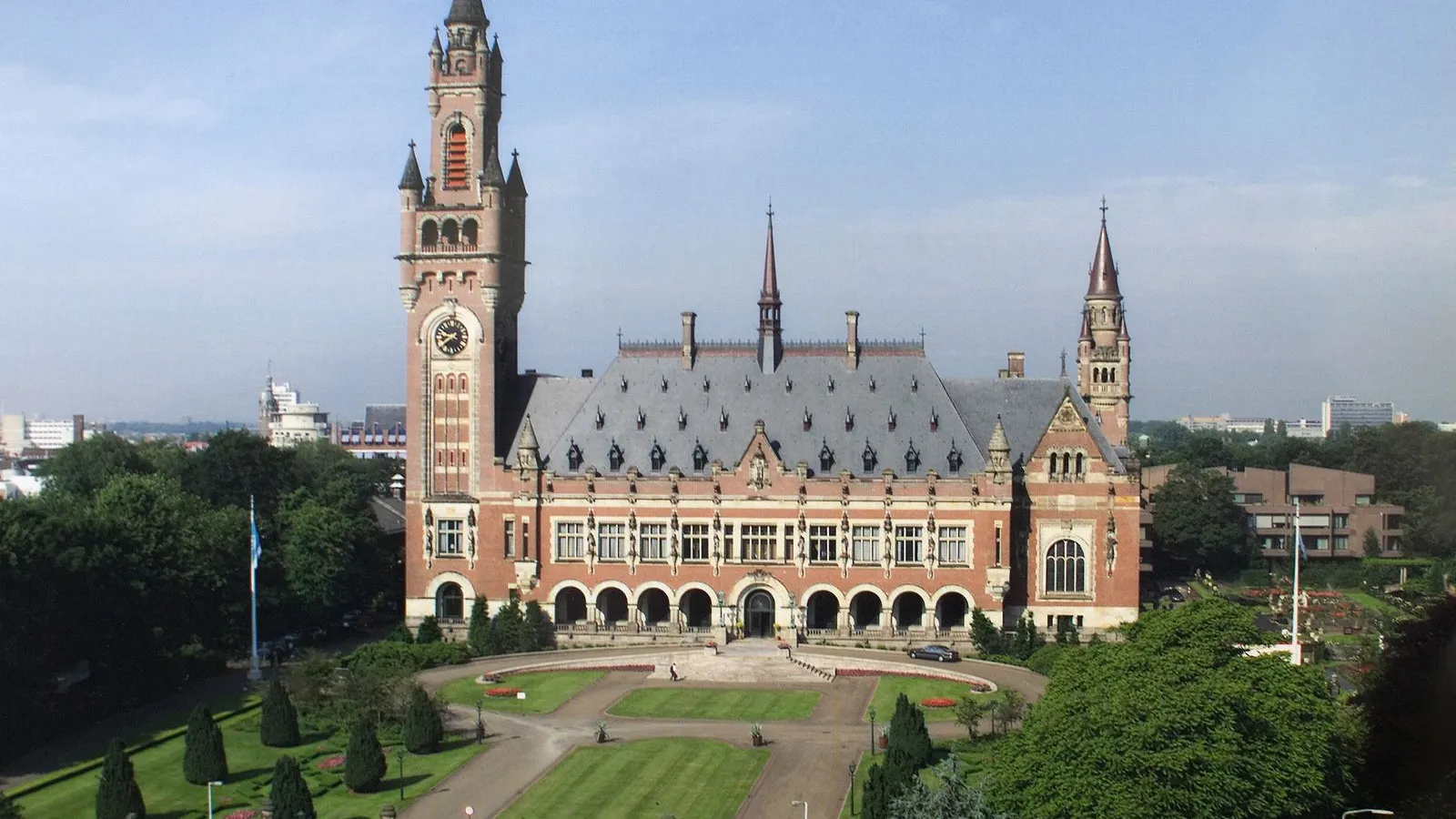
The International Court of Justice (ICJ), the top United Nations court, will deliver its ruling on November 19 on whether Myanmar’s crackdown on its mostly Muslim Rohingya minority amounted to genocide, officials said on Tuesday, according to AFP reports carried by Dawn.
A case seven years in the making
Judges at the ICJ have been weighing accusations by The Gambia for seven years that Myanmar’s repression of the Rohingya breached the 1948 UN Genocide Convention. The convention allows any state to raise the alarm if it suspects genocide is taking place, and The Gambia brought the case on that basis. The court has no means of enforcing its decisions. Even so, a ruling that Myanmar committed genocide would add international pressure on its leader, Min Aung Hlaing, who commanded the military during the crackdown, ousted the elected government of Aung San Suu Kyi in a 2021 coup and was installed as civilian president this year after what AFP called deeply restricted elections. He is running a diplomatic campaign for legitimacy that the ruling may complicate.
The court has already ruled twice in the case. In 2020 it ordered Myanmar to “take all measures within its power to prevent the commission of all acts” described by the Genocide Convention, including “killing members of the group” and “deliberately inflicting on the group conditions of life calculated to bring about its physical destruction in whole or in part”. It later threw out a challenge by Myanmar to its jurisdiction, ruling that it had the power to decide the genocide question.
What each side told the court
At hearings in January, Gambian Justice Minister Dawda Jallow told the court that the Rohingya had suffered “the most horrific violence and destruction one could imagine”. “It is not about esoteric issues of international law. It is about real people, real stories and a real group of human beings,” he said. Myanmar replied that the allegations were “unsubstantiated”. “Emotional language and blurry factual pictures are not a substitute for a rigorous presentation of facts,” said Ko Ko Hlaing, a minister in the president’s office.
Myanmar has always denied genocide. It says its actions targeted a military uprising by insurgents after a series of attacks left a dozen security personnel dead. The crackdown by the army and Buddhist militias forced hundreds of thousands of Rohingya to flee to Bangladesh, bringing accounts of gang rape and mass executions. At a hearing in 2019, Suu Kyi herself addressed the court and said there was no “genocidal intent”. She is now 81 and under house arrest in the capital, Naypyidaw, according to authorities, and will not attend the verdict.
Other cases
The ICJ is not the only court looking at possible crimes against the Rohingya. In 2024, the chief prosecutor of the International Criminal Court asked judges for an arrest warrant for Min Aung Hlaing over alleged crimes against humanity, and a case is under way in Argentina under the principle of universal jurisdiction.
Why it matters
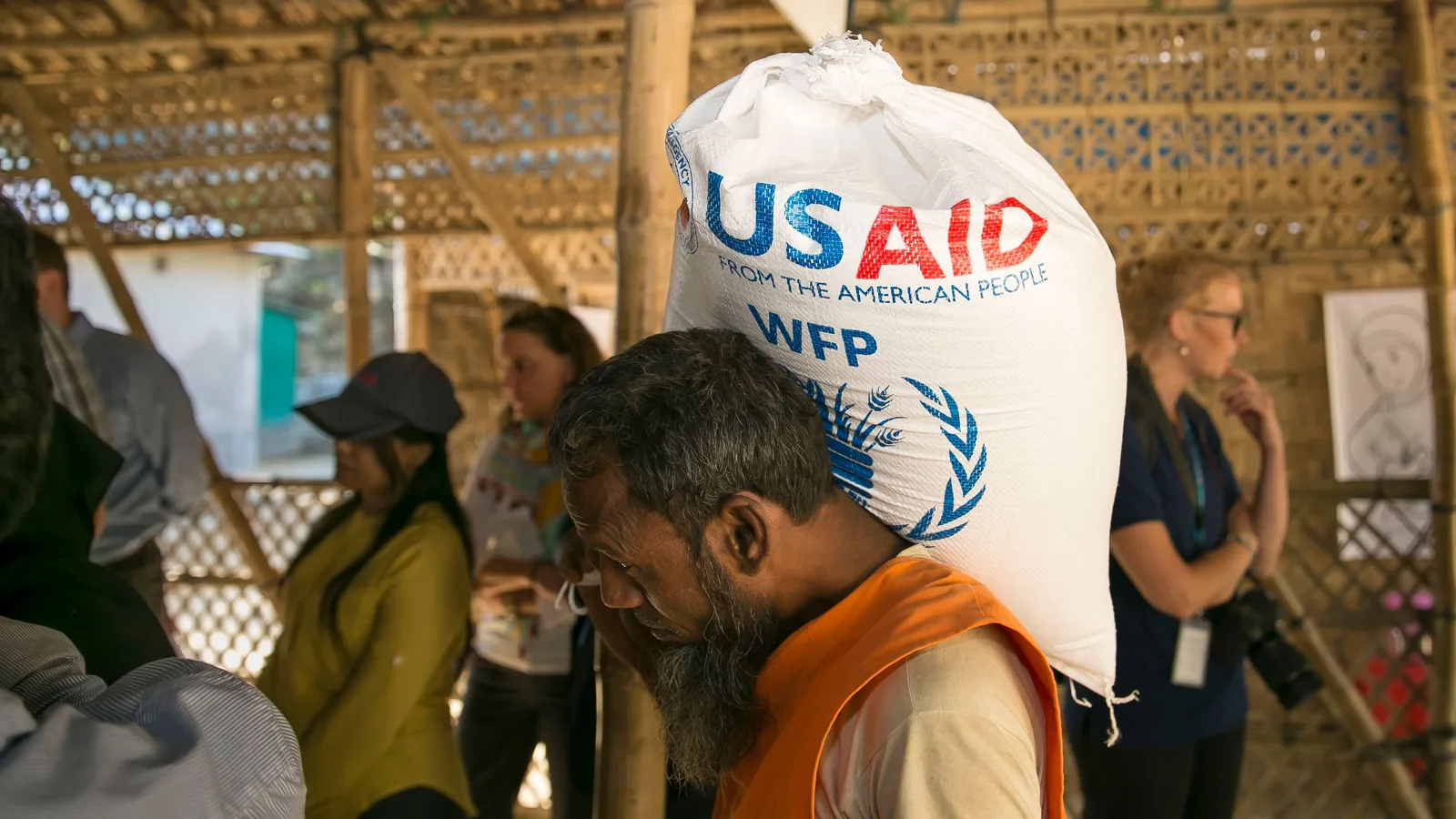
For the Rohingya, the judgment is a rare chance for a formal legal finding on what happened to them. More than one million of them still live across the border in Bangladesh, in the world’s largest refugee settlement. We also reported on Malaysia sending Myanmar nationals home by ship, under a plan that rights groups have urged it to halt.
The ruling will also be read far beyond Myanmar. Legal experts told AFP they are watching it closely for signs of how the ICJ might approach the genocide case that South Africa has brought against Israel over its campaign in Gaza, where the health ministry puts the toll above 74,000 since October 2023; see our report on the Gaza death toll and the stalled ceasefire. What to watch on November 19 is whether the court finds genocide, how it treats the question of intent, and how Myanmar’s government responds.
This article draws on reporting by Dawn and AFP.


Comments
Comments are reviewed by our editors before they appear. Please keep them civil and on topic. See our terms.
No comments yet. Be the first to share your view.