

US President Donald Trump said on Tuesday that Washington has no immediate plans to strike Iran, but that American forces are ready if needed, according to an interview with the Financial Times reported by The Express Tribune. Oil prices ticked up on Wednesday as traders waited for the US next move.
What Trump said
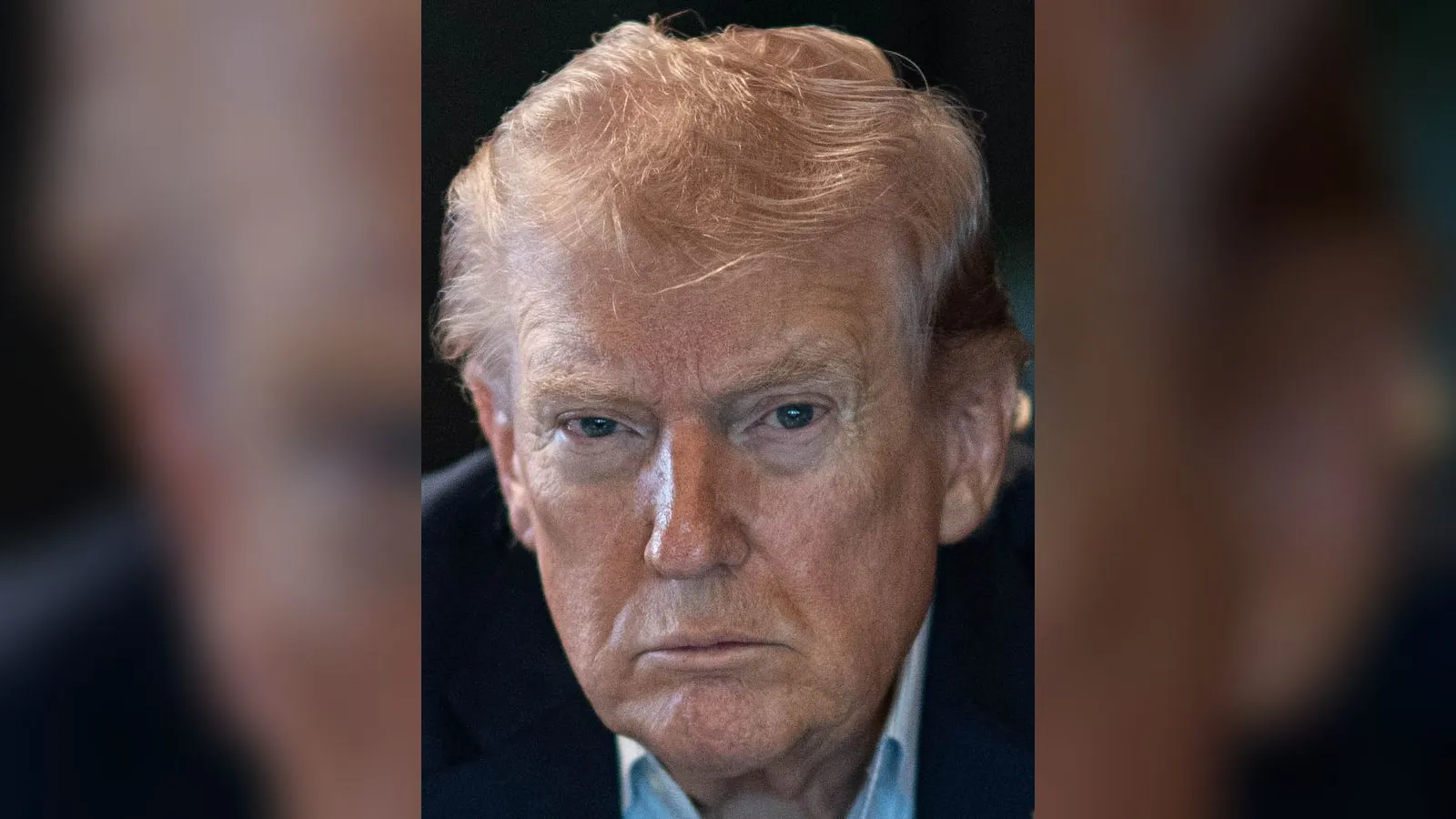
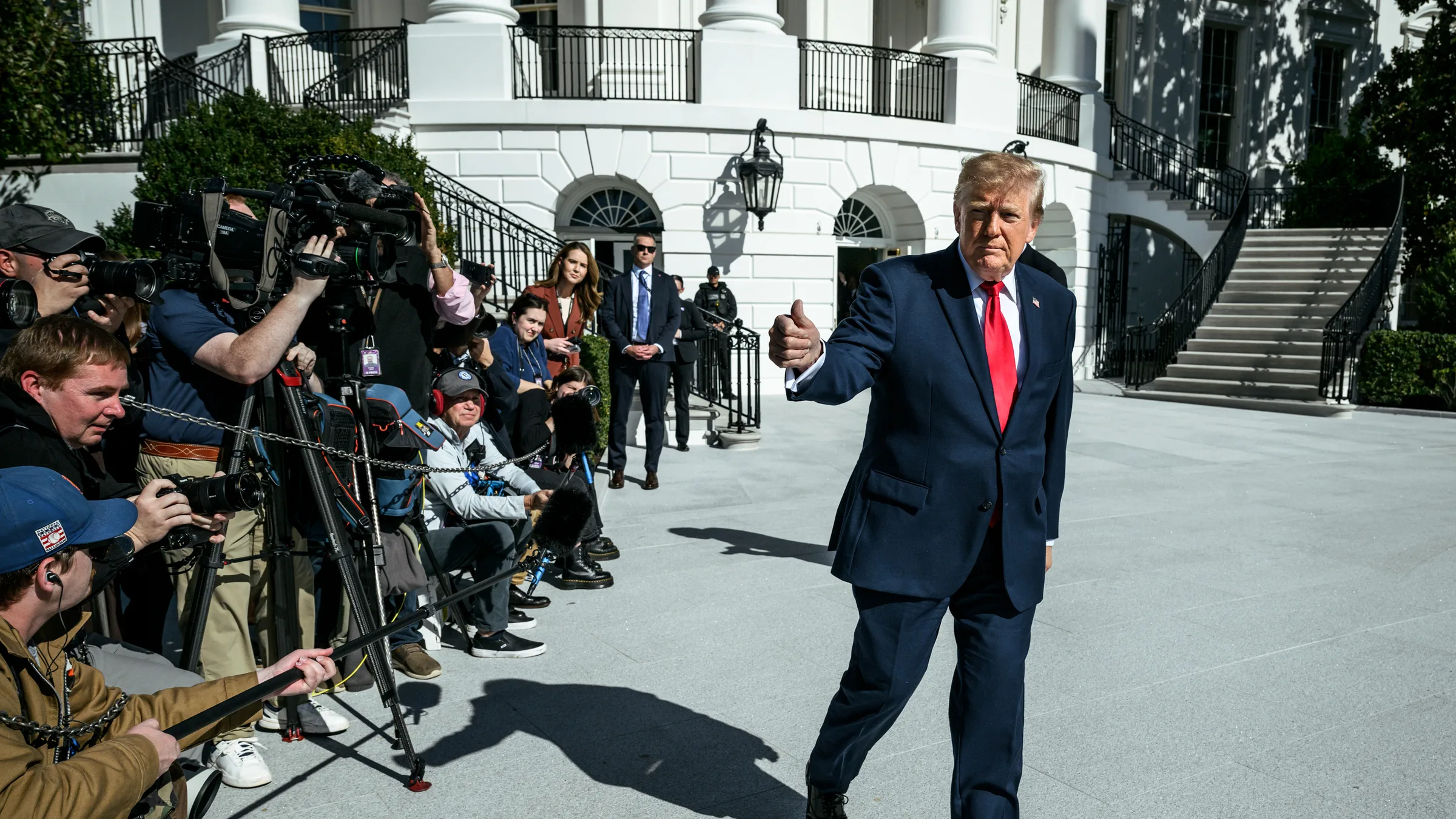
In the interview, given hours before polls closed in the US midterm elections, Trump called the US position on Iran a “brilliant situation”, suggesting he was satisfied with the current balance of pressure on Tehran. Asked about signals from Israeli Prime Minister Benjamin Netanyahu that an attack might come later this week, he said: “I’m ready, we’re ready. We’re locked and loaded if we need to go, but there may be no reason for it.”
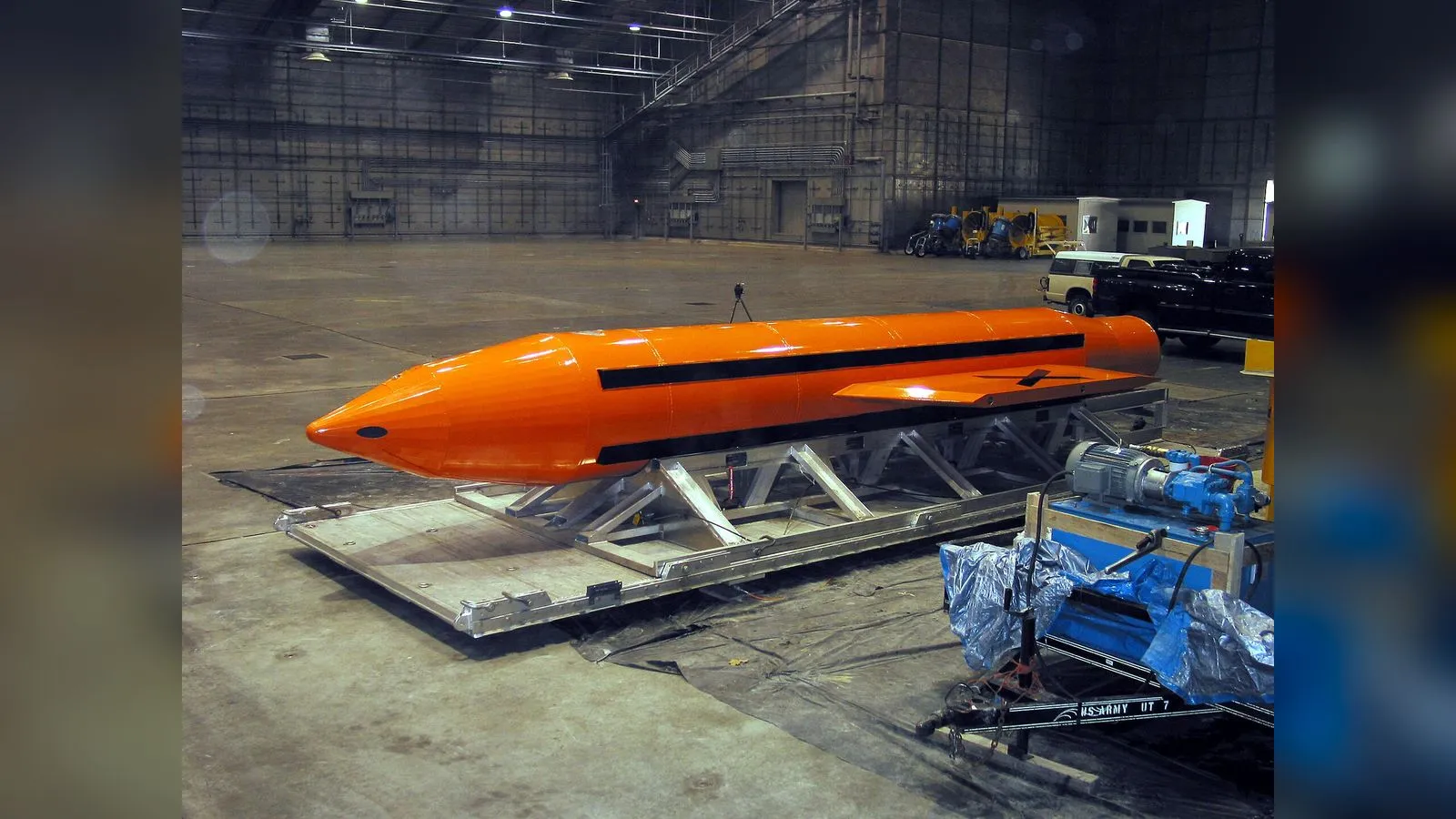
He argued the US was not in a conventional war with Iran. “We’re not really in a war, because we hit them with the B-2 bombers and wiped out their nuclear potential incapacity,” he said, citing Operation Epic Fury and later actions, and adding he did not see the confrontation as comparable to the world wars or Ukraine.
The uranium question
Trump acknowledged a continuing worry: Iran’s stockpile of about 1,000 pounds of enriched uranium, which he called “nuclear dust”. Much of it is believed to be buried under rubble from earlier strikes, but he said: “Even though it’s under hundreds of tons of rock, I would say that I’m not happy that it will be there.” He said indirect talks with Tehran were still going on and that the material was among the subjects. These are Trump’s own descriptions; Iran has not been quoted on them in the reports we drew on.
Oil and the talks
Brent futures rose 82 cents, or 0.8 per cent, to $104.42 a barrel on Wednesday, and US West Texas Intermediate gained 50 cents, or 0.5 per cent, to $96.59, reversing earlier falls. In the previous session Brent settled at its lowest level in nearly four weeks as traders weighed talks to end the wars in Ukraine and Iran. Analyst Priyanka Sachdeva of Phillip Nova said Trump’s “conflicting signals, with military strikes continuing alongside statements downplaying further escalation” made it hard for traders to take firm positions, and that supply risks around the Strait of Hormuz “have not disappeared”.
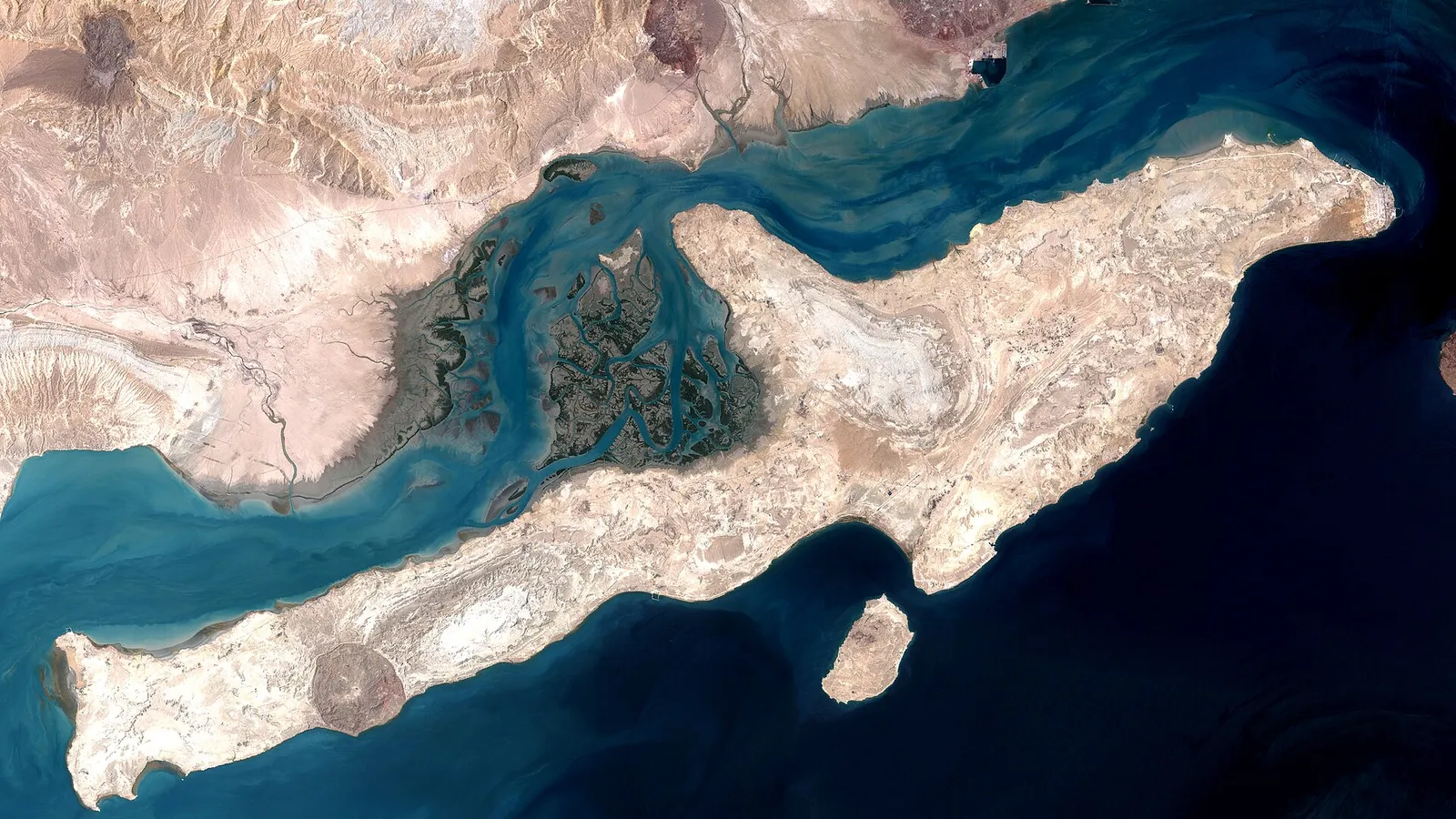
A US official said the US had carried out “defensive” strikes on Iran’s Qeshm Island on Tuesday, aimed at surface-to-air missiles used against US assets; another official said they looked limited and did not mark a return to major combat. A senior Iranian official told Reuters that Iran and the US remained far from a deal. Qatar has stepped up its mediation to avoid more fighting after the US vote. Our earlier reports describe where the talks stand: Iran’s warning that a new war could last longer, and the Axios report that Trump might strike after a poor midterm result. The price level compares with Brent near $117 last week; see oil’s fourth monthly gain.
Why it matters
Trump’s remarks leave two readings open: a signal that the next move is diplomatic, or a warning that the military option is still on the table. Both are supported by the same interview. The Republican defeat in Congress, covered in our report on the Democratic win, adds a new factor, since Democrats will be able to question the war’s costs. For Pakistan, a mediator and a heavy importer of Gulf oil, the immediate effect is on fuel prices: a deal could bring them down and a strike would send them up. What to watch is whether Qatar’s draft moves forward, what happens to the enriched uranium, and whether Netanyahu acts on his signals.
This article draws on reporting by The Express Tribune, the Financial Times and Reuters.
Comments
Comments are reviewed by our editors before they appear. Please keep them civil and on topic. See our terms.
No comments yet. Be the first to share your view.