

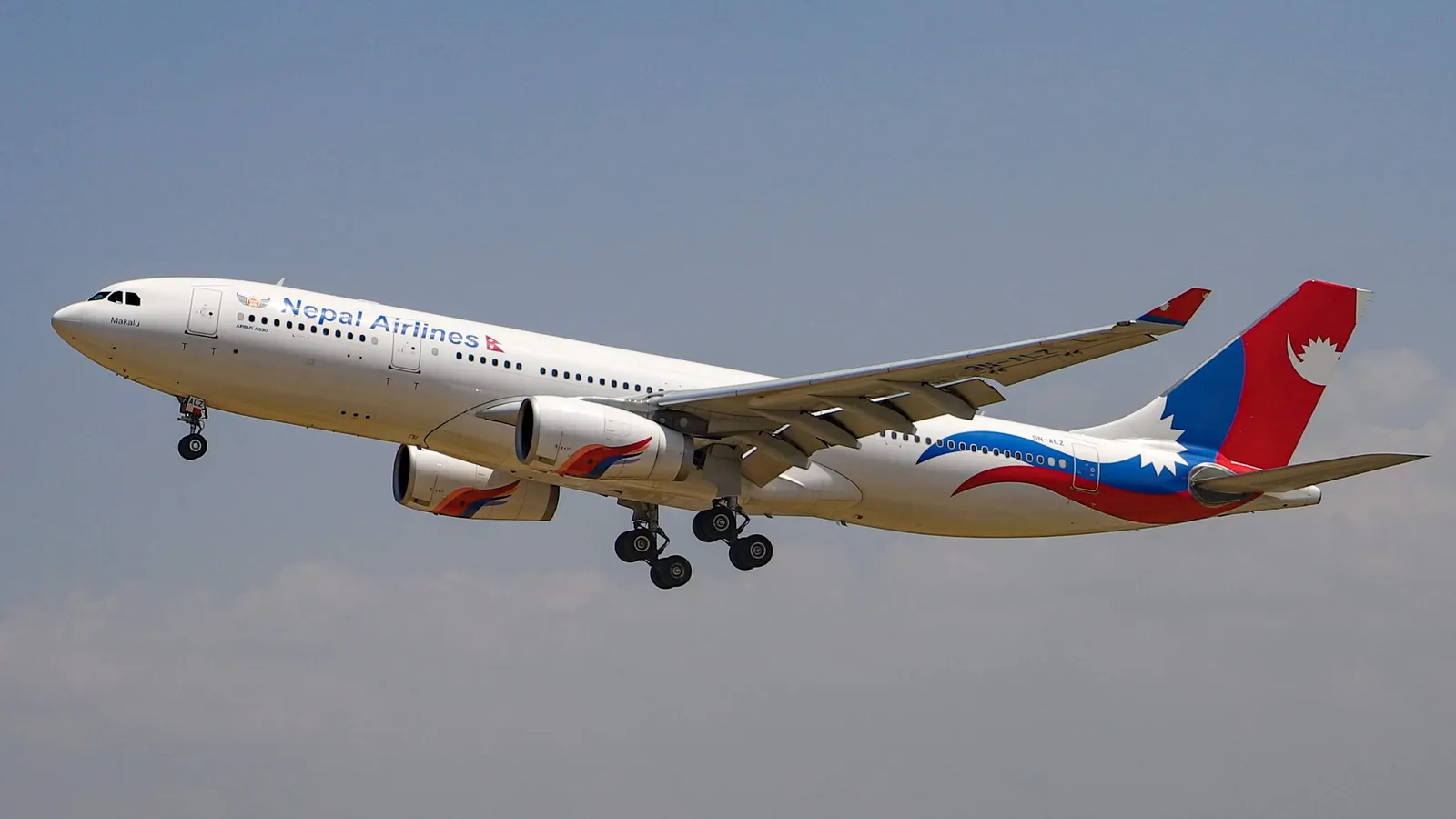
Hundreds of Nepali workers in Saudi Arabia who planned to fly home for the Dashain festival are stuck there, and many may miss Tihar too, after Houthi attacks on Saudi airports led to widespread flight cancellations, Dawn reported, citing The Kathmandu Post.
“Neither at my camp nor at home”
Rajesh Rai from Khotang had a month’s leave and a booked October 11 Air Arabia flight from Riyadh to Kathmandu via Sharjah. A day before he was due to leave, Houthi rebels attacked King Khalid International Airport. Saudi authorities said 13 people were killed and more than 300 injured, and the airport was closed. Hearing that flights were running from Jeddah, he took a 13-hour bus ride of nearly 1,000 kilometres, but is still in a friend’s room, unsure when he can fly. “I am neither in my company’s camp nor have I been able to reach home,” he said. “Dashain has passed, Tihar is around the corner and my leave is about to end.”
The numbers
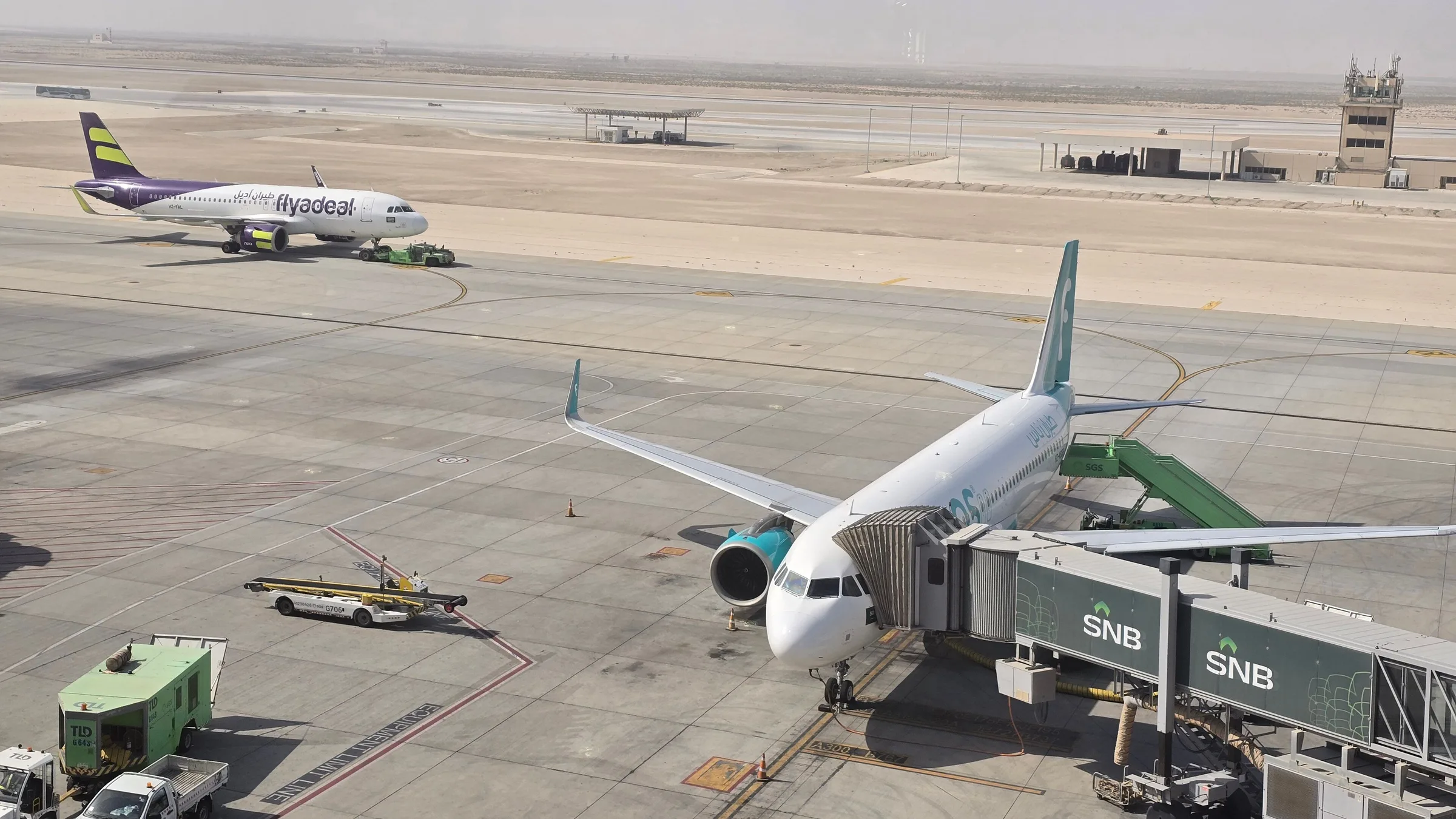
Around 400,000 Nepalis work in Saudi Arabia, and about 7,000 people a month, including renewals, receive labour permits; 8,366 did so from mid-September to mid-October. Between October 8 and 25 about 45 per cent of scheduled flights from Saudi airports were cancelled, and at Riyadh the rate reached 86 per cent. Reuters reported on October 26 that 4,071 of 4,736 flights scheduled at Riyadh in that period were cancelled, with rates of 42 per cent in Dammam and 46.7 per cent in Abha, and more than 7,800 flights nationwide. Saudi Arabia has 18 international airports. Riyadh has partly reopened, but regular service has not returned, and foreign airlines have cut or suspended their Riyadh flights.
Direct Kathmandu-Dammam flights, widely used by Nepali workers, have stopped. Nepal Airlines, which flies weekly, and Himalaya Airlines, which flies twice a week, have between them cancelled 18 services since October 11; Himalaya announced cancellations through November 4.
Costs and confusion
Workers describe a mix of expense and uncertainty. Airlines, they say, do not explain clearly whether passengers get refunds or can rebook, and offer vouchers instead. A one-way ticket on connecting flights has reached Rs100,000, according to one worker in Dammam. Ganesh Rai’s October 25 flight was cancelled and rebooked for October 30, which was cancelled too; each wasted trip to the airport costs him about Rs2,000. Umesh Pandey has waited 18 days and is thinking of a road journey to Qatar or Bahrain, but does not know the visa rules. Hemanta Thapa works in Najran, near the Yemeni border, where the regional airport is closed, and would have to travel about 1,400 kilometres to Dammam to fly.
Nepal’s embassy in Riyadh says workers whose contracts have ended are under the most pressure and has asked employers to provide food and accommodation. It has no official count of those stranded. “More people are contacting us to ask where and from which airport they can travel home,” said labour counsellor Kabiraj Upreti. Nepal Airlines said it suspended flights for passenger safety and will resume “as soon as the situation in Saudi Arabia becomes normal”; it offers free date changes or full refunds. Himalaya Airlines said it could not guarantee a resumption date.
The fighting behind the cancellations
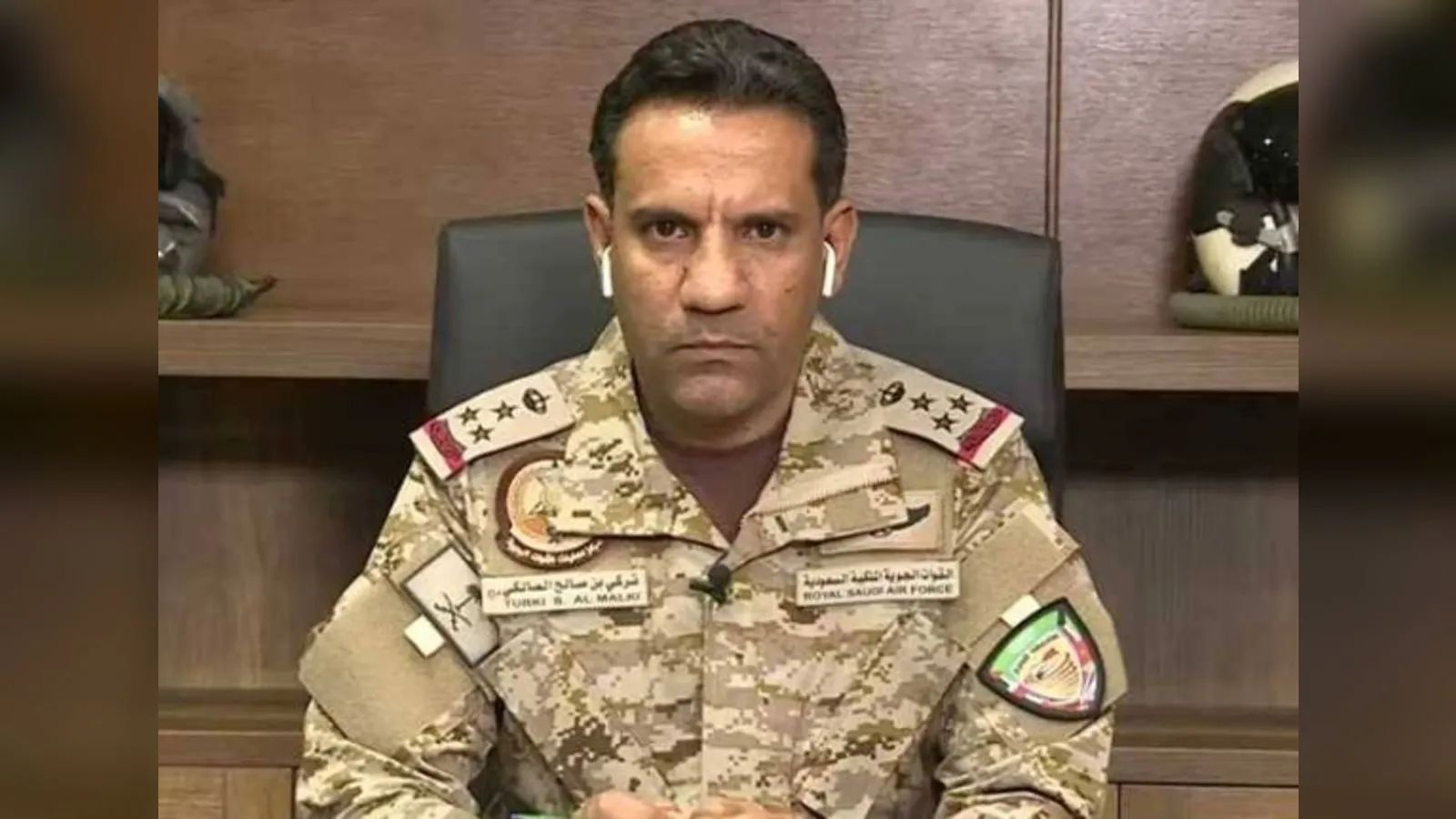
Our reports on the Houthi strike on Riyadh airport that killed 12 and Pakistan’s condemnation and on the Houthis’ latest operations and the Saudi response describe the fighting behind the cancellations.
Why it matters
The Houthi-Saudi conflict is usually reported through missiles, oil and politics. This account shows its effect on workers who left home to earn and who now pay for tickets, lose leave and miss festivals, with little clear information from airlines. What to watch is when Riyadh and other airports return to normal schedules, whether Nepal’s airlines restart direct flights to Dammam, and whether governments arrange extra flights for stranded workers.
This article draws on reporting by Dawn and The Kathmandu Post.
Comments
Comments are reviewed by our editors before they appear. Please keep them civil and on topic. See our terms.
No comments yet. Be the first to share your view.