

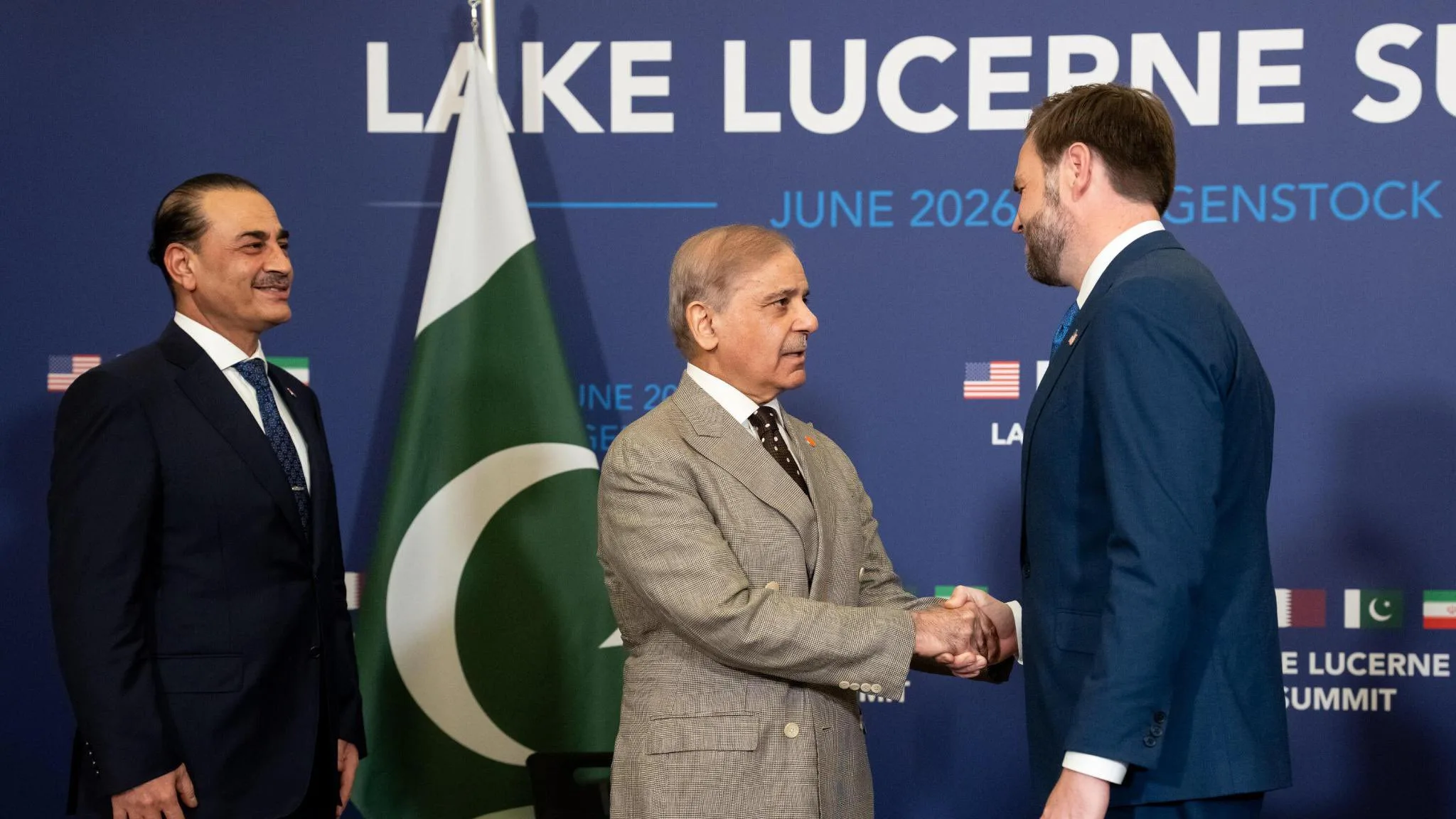
Chief of Defence Forces and Chief of Army Staff Field Marshal Syed Asim Munir arrived in Tehran on Tuesday with a delegation of Pakistani officials for talks on Pakistan’s efforts to mediate between Iran and the United States, Iran’s semi-official Mehr news agency reported, according to Middle East Eye. Reuters had earlier reported the visit, citing a Pakistani official and Iranian media.
Field Marshal Munir is scheduled to meet Iranian officials to discuss diplomatic efforts to end the conflict between Iran and the US, as well as wider regional developments, according to Iran’s Tasnim news agency, The Express Tribune reported.
His talks with Iranian leaders in the summer focused on preventing further escalation, reopening the Strait of Hormuz and bringing the conflict to a quick end, Geo News reported.
Pakistan in the middle
Pakistan has played a central role as mediator throughout the conflict, keeping close contact with both sides. The US and Iran signed the Islamabad Memorandum of Understanding in June, setting out a framework for negotiations towards a final agreement.
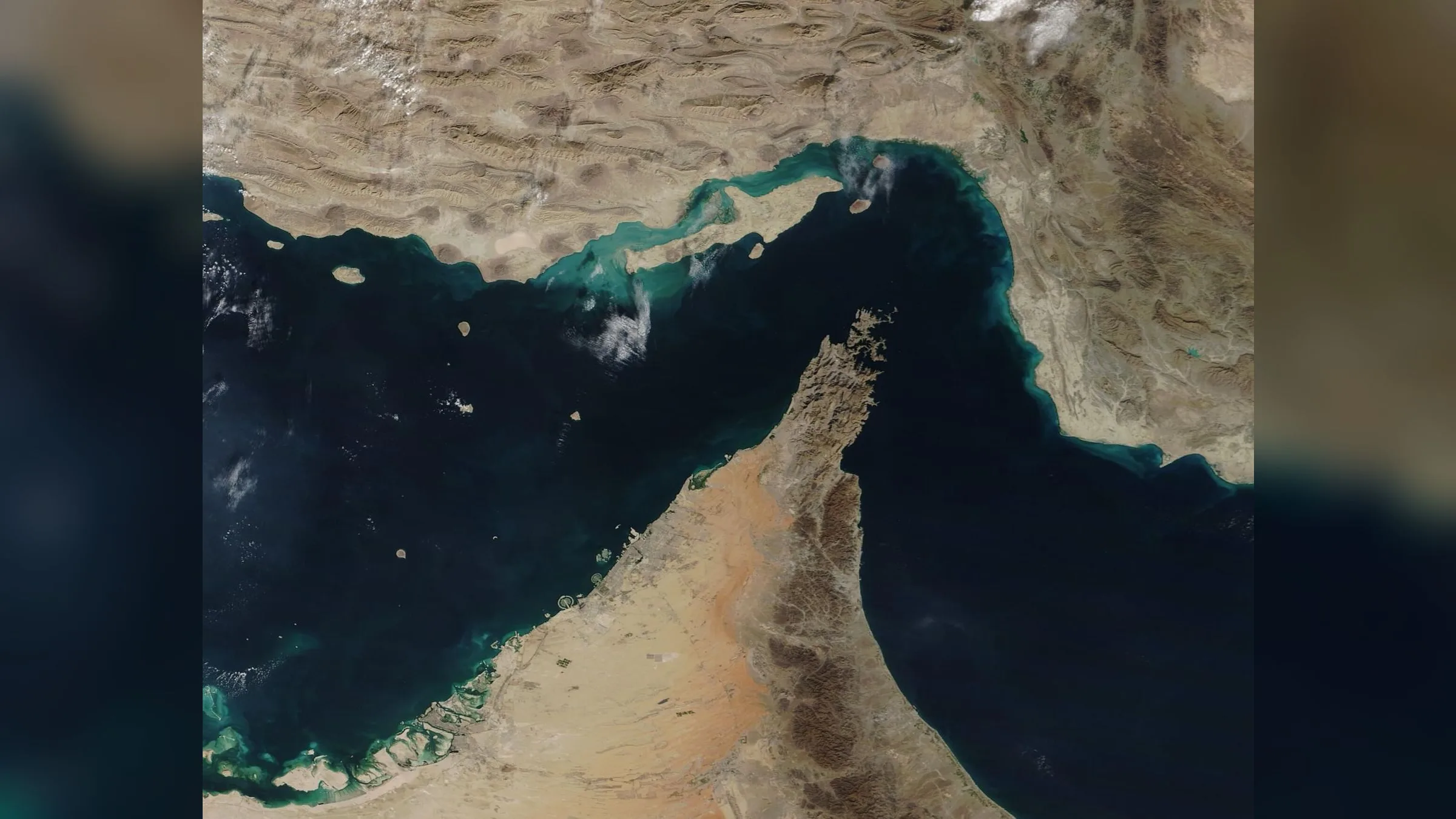
The talks later broke down over disagreements on security guarantees and freedom of navigation through the Strait of Hormuz, a waterway vital to global energy supplies.
Speaking at the Global Security Forum in Doha on Monday, Interior Minister Mohsin Naqvi said Pakistan had made every possible effort to bring Washington and Tehran to the table, and had not given up even when tensions escalated sharply. “Peace cannot be achieved in a single meeting. It requires patience, trust and continuous efforts,” he said.
Where the talks stand
Efforts to revive the dialogue remain stalled, with both sides at odds over the terms:
- Iran’s offer: Foreign Minister Abbas Araghchi said on Sunday that Tehran’s proposal to reopen the Strait of Hormuz within seven days remained on the table, but progress depended on Washington’s response to Iran’s conditions
- Iran’s demands: lifting the US blockade on its ports, easing sanctions on its oil exports and ending hostilities on all regional fronts
- The US position: Washington wants Iran’s nuclear programme addressed first
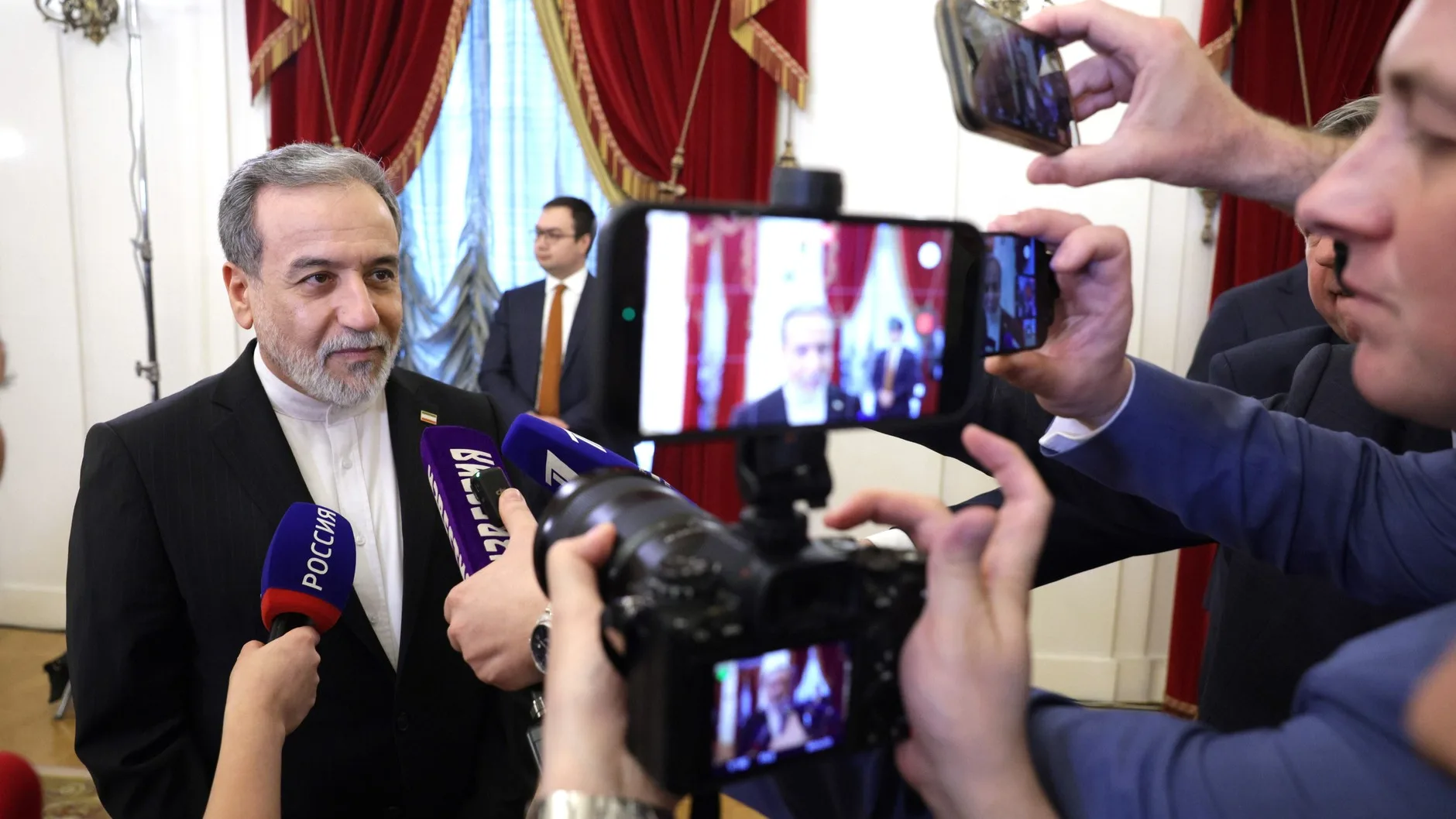
At a news conference with Russian Foreign Minister Sergei Lavrov in Tehran on Monday, Araghchi blamed the United States for insecurity in the Strait of Hormuz and called on regional countries to work towards a joint security arrangement. “We welcome any initiative that leads to security from within without the presence of foreign forces,” he said. Lavrov said Moscow would honour its economic agreements with Iran.
Warnings over Hormuz
Iran’s Islamic Revolutionary Guard Corps (IRGC) said it shot down a US MQ-9 drone over the strait early on Tuesday, claiming it was the 54th such drone it had destroyed, the Fars news agency reported. There was no independent confirmation. The IRGC Navy also said two tankers had been set ablaze and brought to a halt south of the Strait of Hormuz after hitting Iranian mines, without saying when they were hit.
On Monday, IRGC spokesman Hossein Mohebbi drew attention to the undersea internet cables that cross the waterway. “Seven major internet cables run beneath the Strait of Hormuz,” he said. “We just want them to know that new targets will be unveiled. New weapons will be unveiled.”
Earlier this month, Mohsen Rezaei, secretary of Iran’s Supreme National Security Council, said Tehran could target undersea cables, data centres and artificial intelligence facilities linked to the US if another war broke out.
Meanwhile, US Defence Secretary Pete Hegseth discussed Iran with Israeli Prime Minister Benjamin Netanyahu during an unannounced visit to Israel on Monday, three Israeli officials said. The visit came a day after President Donald Trump endorsed Netanyahu in Israel’s election next week.
Why it matters
With the region on edge and oil above $100 a barrel, Pakistan remains one of the few countries trusted by both Washington and Tehran. Field Marshal Munir’s visit is the clearest sign yet that Islamabad is working to get the talks back on track. Read our reports on Dar’s call with Araghchi and on Pakistan’s security talks in Doha.
This article draws on reporting by Geo News, The Express Tribune, Reuters and Middle East Eye.
Comments
Comments are reviewed by our editors before they appear. Please keep them civil and on topic. See our terms.
No comments yet. Be the first to share your view.