

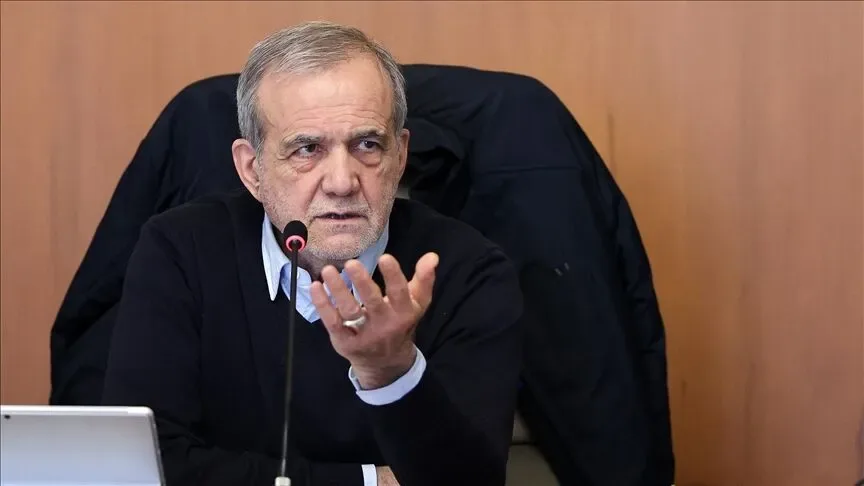
Iran is preparing a broader and more forceful military response should the United States resume large scale attacks, according to Iranian sources, even as Tehran continues pursuing a diplomatic track that officials privately regard as unlikely to succeed.
Since President Masoud Pezeshkian returned to Tehran from last week’s United Nations General Assembly in New York, senior commanders and officials have focused on determining the scope and timing of any retaliation if Washington strikes again. Three senior Iranian officials and a person familiar with the internal discussions said military planners are reviewing options to expand the range of potential targets beyond assets directly tied to the United States, including countries that support American military operations and, in some scenarios, locations outside the Middle East entirely. Two of the officials said Tehran has instructed allied armed groups in Lebanon, Yemen and Iraq to remain prepared to support Iran in the event of a renewed large scale American attack.
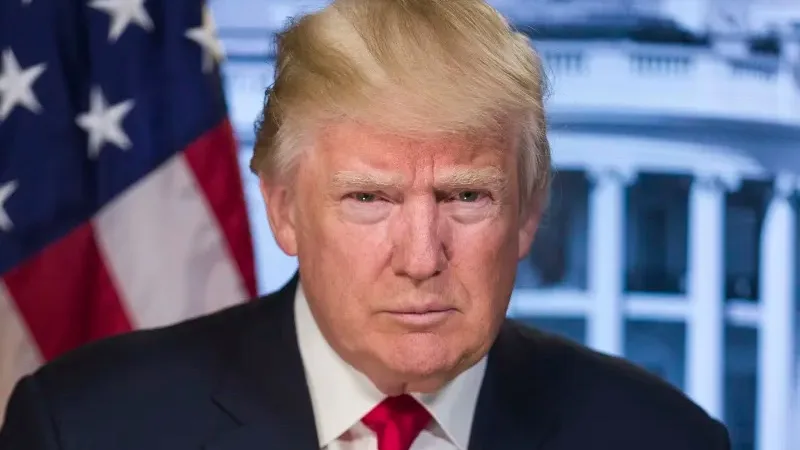
Hamidreza Azizi, a senior Iran analyst at the International Crisis Group, said Tehran remains uncertain whether President Donald Trump would pursue another major campaign or instead opt for more limited strikes, such as attacks targeting nuclear facilities specifically. He said Iranian planners appear to have concluded that any renewed American campaign must be met with a harder response than before, in part to reestablish a sense of deterrence Tehran believes has eroded.
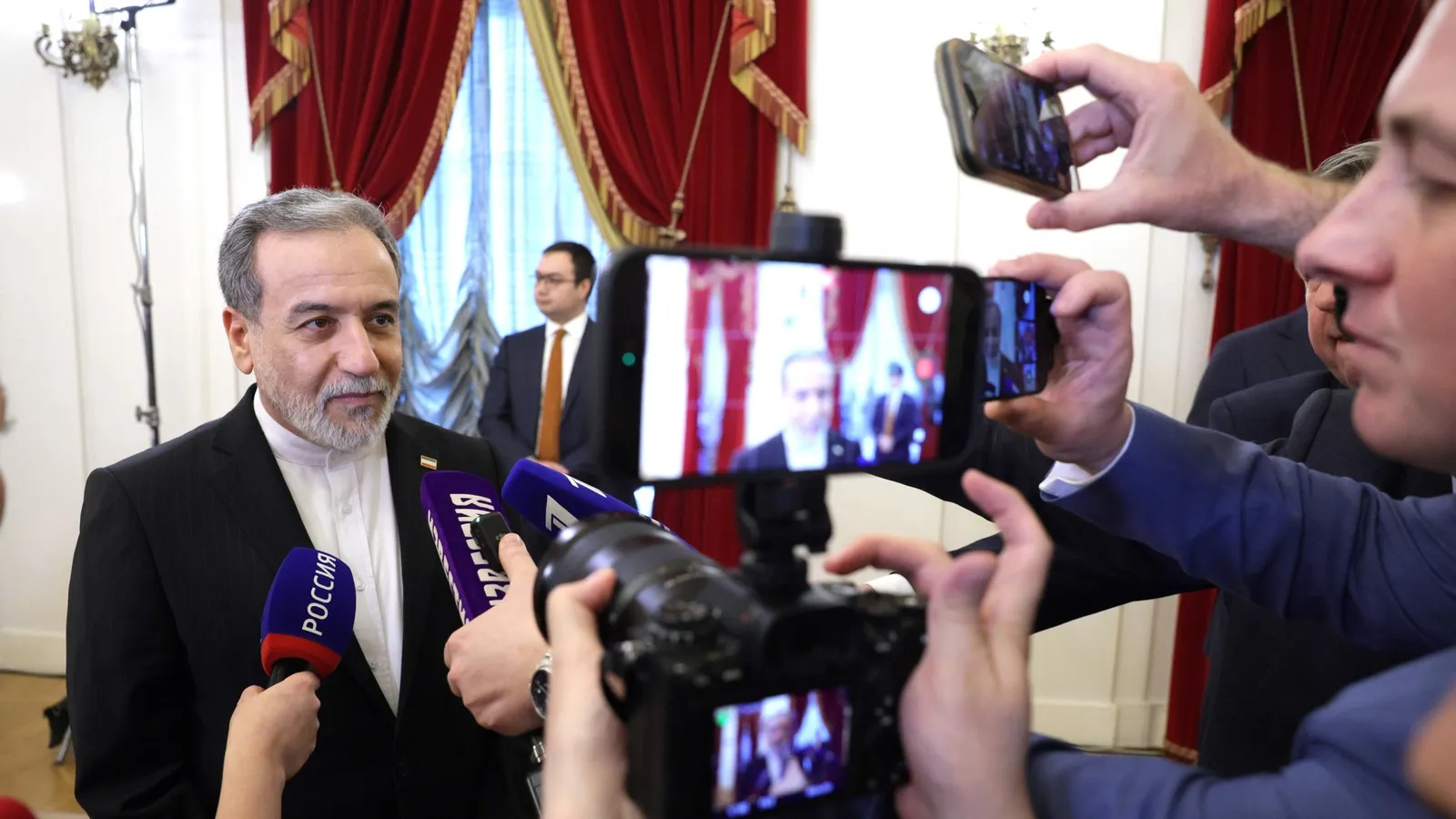
Diplomacy has not been abandoned alongside this military planning. At last week’s General Assembly session, Iran submitted a proposal to Washington through Qatari mediators that, if accepted, would reopen the Strait of Hormuz and halt regional hostilities within seven days. Iranian officials say the plan calls for ending the fighting, lifting the US naval blockade on Iranian ports, releasing at least 12 billion dollars in frozen Iranian funds, and waiving sanctions on Iranian oil exports. Iranian state media reported that Washington delivered a formal response to the proposal through Qatar on Tuesday, which Tehran is now reviewing. Iranian sources said the American side wants Iran’s disputed nuclear program included as part of any negotiation, while Tehran maintains that nuclear talks can only begin once its own seven conditions have first been met, not before.
One of the officials said that even if Iran does not reject the American response outright and indirect talks continue, a genuine agreement between the two sides remains very unlikely. Alex Vatanka, director of the Iran program at the Middle East Institute in Washington, said prospects for a diplomatic breakthrough remain limited given the gap between the two sides’ positions.
Underlying Tehran’s calculations is a second, more domestic concern: whether Iran’s economy can withstand a prolonged confrontation under the current US blockade, which has cut off a significant share of the country’s oil export revenue. Years of sanctions combined with the economic strain of the war have placed mounting pressure on ordinary Iranians, a strain that is also fueling concern within the leadership over domestic stability. Rights group Amnesty International said in May that more than 6,000 people had been arrested in Iran since hostilities began, while a UN investigators’ report published in September cited mass arrests, torture and an increased use of the death penalty inside the country.
The conflict has also expanded its reach well beyond direct US Iran confrontation.Iran has launched drone and missile attacks against American allies in the Gulf, while its Houthi allies in Yemen have targeted Saudi interests separately. The Houthis’ continued advance toward the Bab el-Mandeb Strait has opened a second pressure point on global energy routes, giving the Iran aligned group added leverage over the southern gateway into the Red Sea, layered on top of the disruption already affecting the Strait of Hormuz.
Since the war began, the conflict has cycled between periods of relative calm and renewed strikes, a pattern that has killed thousands of civilians, degraded Iran’s military capabilities and further damaged an economy already under significant strain. Tehran is also said to be weighing the domestic political risks a prolonged conflict poses for Trump himself, a calculation that may factor into how Iranian leaders approach the coming weeks. With both sides reviewing formal proposals through Qatari mediation even as Iranian commanders simultaneously prepare for a harder military response, the coming period is likely to test whether diplomatic channels can produce any breakthrough before renewed escalation overtakes them.

Comments
Comments are reviewed by our editors before they appear. Please keep them civil and on topic. See our terms.
No comments yet. Be the first to share your view.