

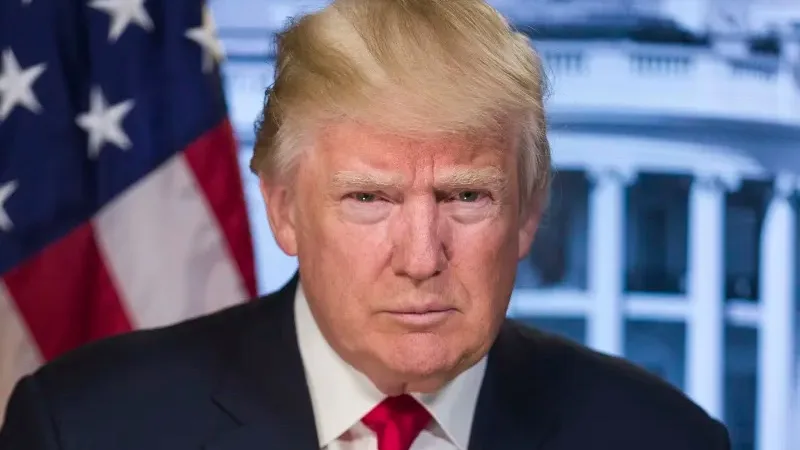
US President Donald Trump said on Tuesday that the war with Iran would be “over with very, very soon”, as his vice president, JD Vance, blamed Tehran for the collapse of the Islamabad Memorandum of Understanding, the preliminary agreement that was meant to end the fighting.
“Iran will not have a nuclear weapon, and they’re failing very badly. It’ll be over with very, very soon … and oil prices are going to be tumbling down, just like they were before,” Trump told an event in Washington.
He went further, calling the war one of the defining acts of his presidency. “I think in the years to come, they’ll be writing … the history of our country, and they’ll say that it was one of the most important things that we did,” he said.
Vance: “They screwed up”
Speaking separately, Vance put the blame for the breakdown of diplomacy squarely on Iran’s leadership. The United States and Iran signed a preliminary agreement to end the war on June 20, known as the Islamabad Memorandum of Understanding, and held further talks in Doha on July 1 that were described at the time as positive.
“I think the Iranians recognise that they screwed up, that they signed a deal with us, we had a ceasefire, we had energy prices that had come down and we had the possibility … that if the Iranians behaved, they would get a lot out of a better relationship with the United States. But what happened? They didn’t behave. They started shooting at commercial shipping,” Vance said, Al Jazeera reported.
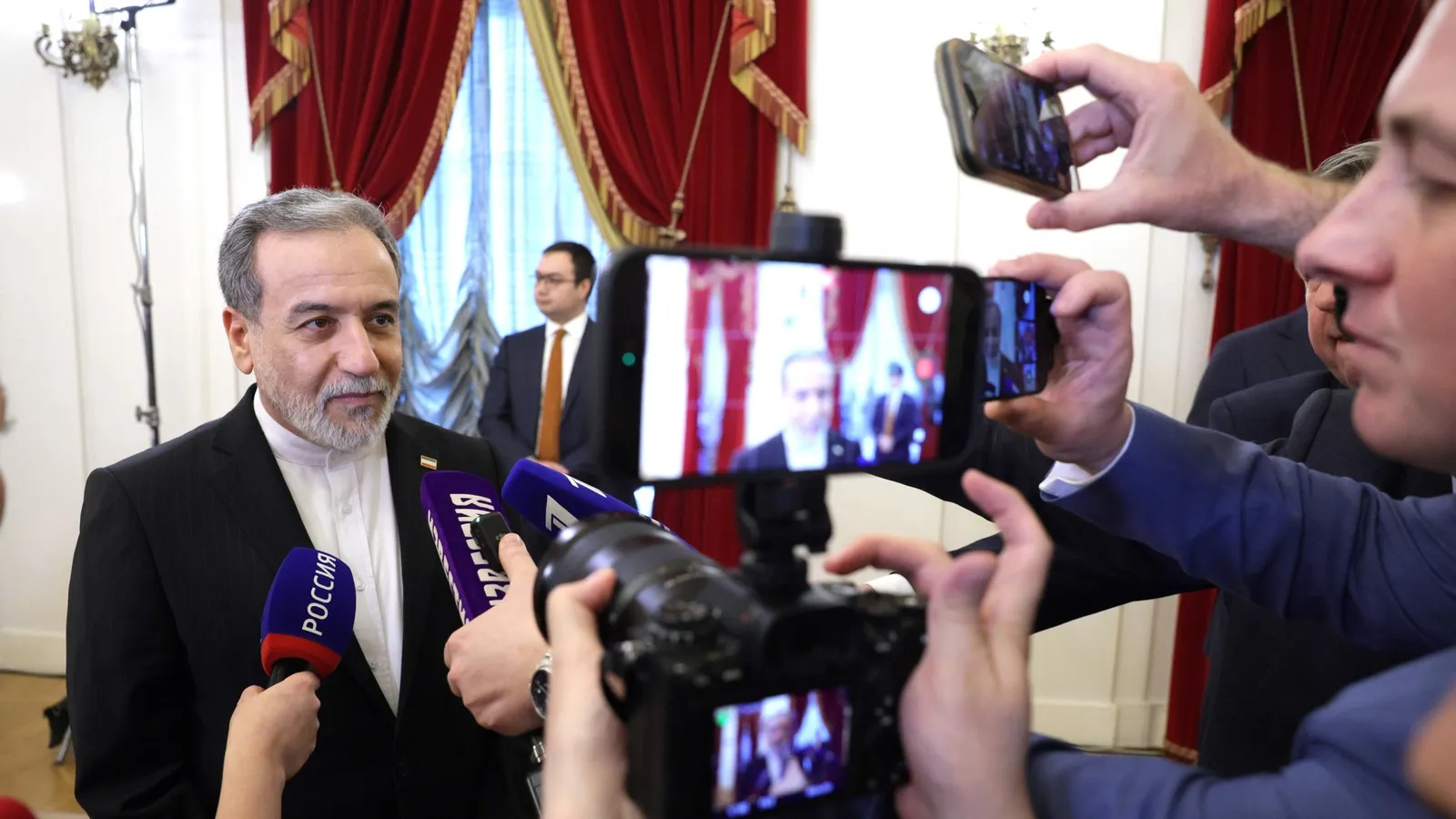
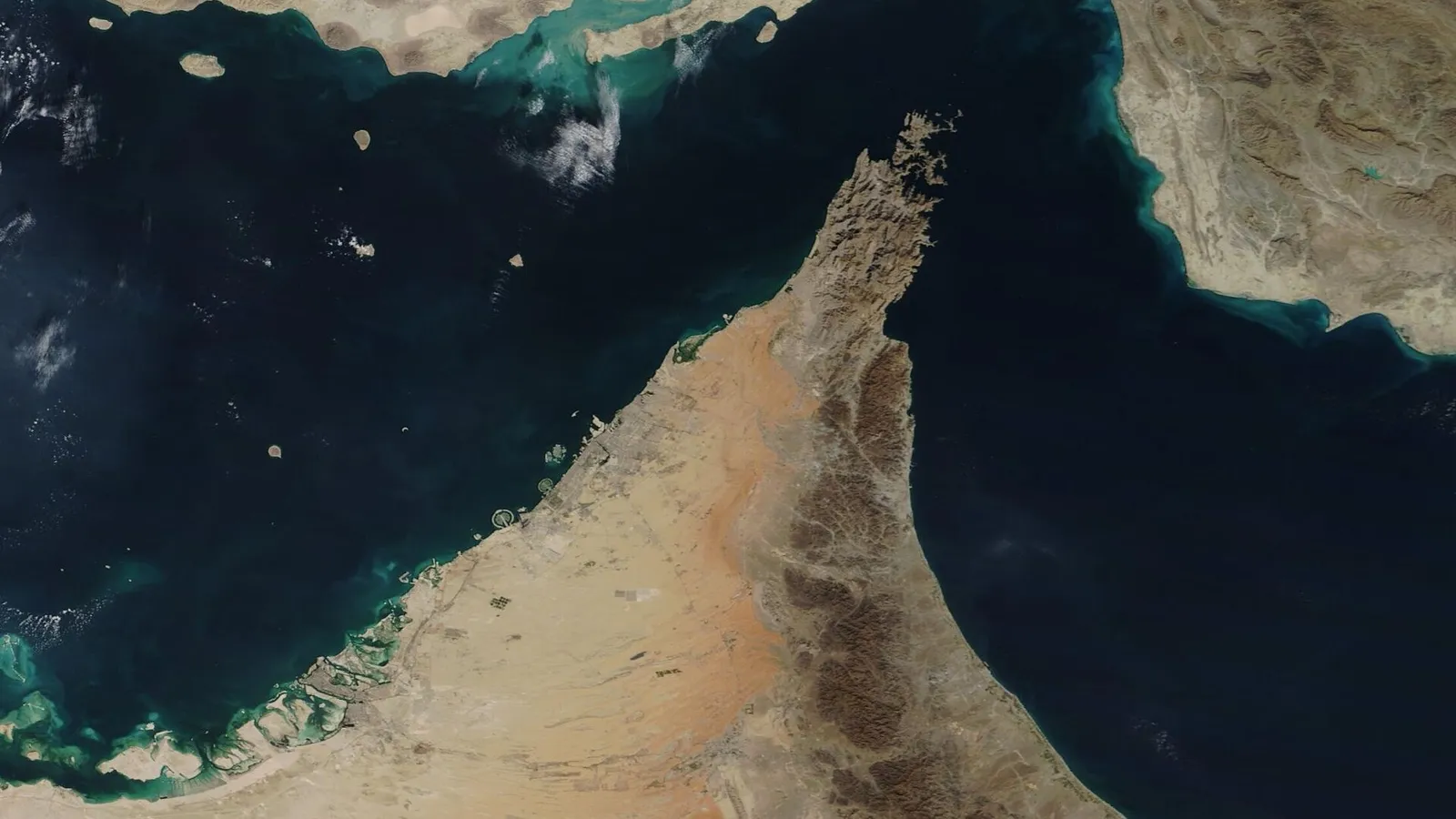
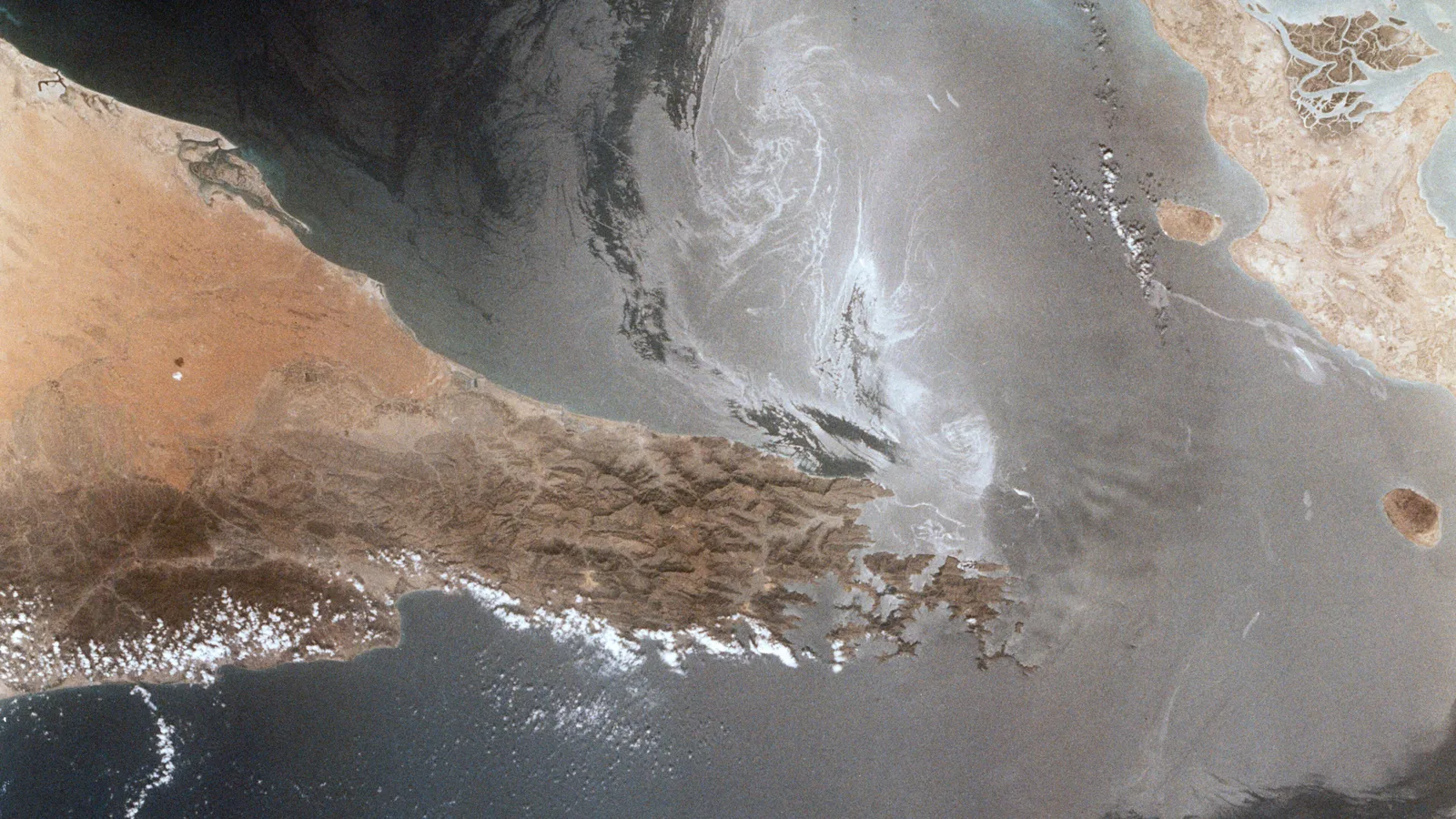
Tehran sees it the other way round. Foreign Minister Abbas Araghchi this week urged the United Nations to condemn what Iran calls US “violations” of the UN Charter, and Iran’s leaders say the Strait of Hormuz will reopen only when their conditions are met, including an end to hostilities, the unfreezing of Iranian assets and the lifting of the US blockade on Iranian ports.
“A very confused system”
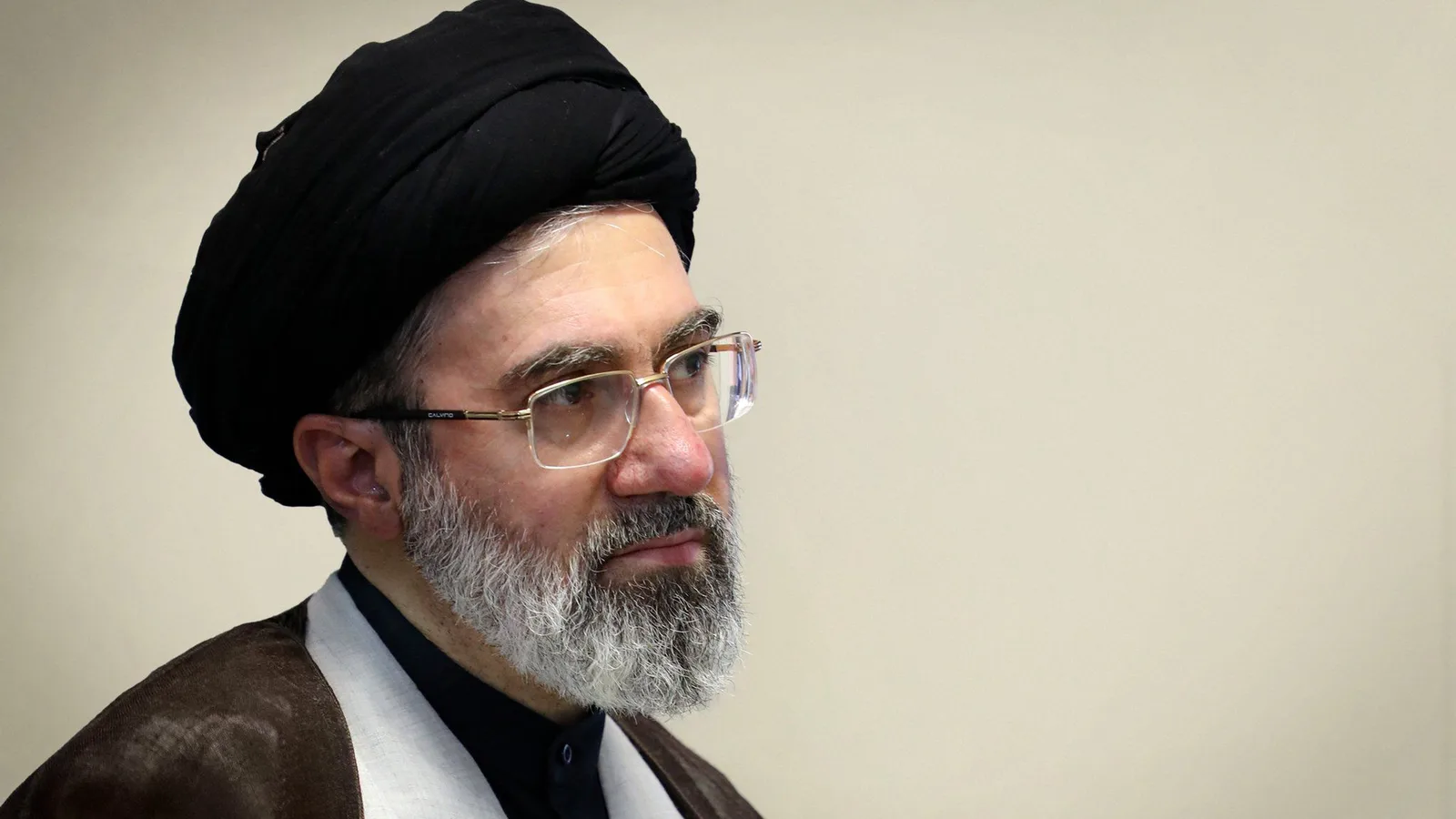
Vance also said US intelligence believed Iran’s Supreme Leader was alive, but described a leadership that was hard to deal with. “We think that he’s alive. We don’t know, of course. I’ve never seen him,” he said. “It’s a very confused system … you have a number of different constituencies … And then of course you have the new supreme leader, who is very detached. He’s not involved day-to-day.”
Qatar keeps the channel open
While Washington talked tough, the diplomacy continued. Qatar’s foreign ministry spokesman, Majed Al-Ansari, confirmed at a press conference in Doha that his country was passing messages between the two sides.
“Qatar’s mediation efforts are ongoing, and we are currently relaying messages between the American and Iranian sides,” Al-Ansari said, Anadolu Agency reported. “We are concerned about any escalation in the region and are working to find a peaceful solution.”
Iran expects a formal US response on Wednesday to the latest proposals on reopening the Strait of Hormuz, which Qatari mediators are carrying to Washington.
How the war unfolded
- February 2026: The United States and Israel launched military action against Iran
- April 2026: A ceasefire was agreed
- June 2026: The US and Iran signed a memorandum of understanding to halt hostilities and keep the Strait of Hormuz open
- September 2026: The deal’s implementation remains stalled over the security of the waterway
Lebanon presses Washington over Israel
The war’s effects are being felt across the region. Lebanese President Joseph Aoun urged the United States to press Israel to implement their framework agreement and to “halt bombing, bulldozing and destruction” in southern Lebanon. He called for a “gradual Israeli withdrawal and deployment of the army up to Lebanon’s southern borders”, Al Jazeera reported, citing a statement from the Lebanese presidency.
In Riyadh, Saudi Crown Prince Mohammed bin Salman met the UAE’s vice president, Sheikh Mansour bin Zayed Al Nahyan, to “review brotherly bilateral relations and regional developments”, the Saudi Press Agency said.
Why it matters for Pakistan
The memorandum that Vance says Iran broke carries Islamabad’s name, and Pakistan remains one of the channels through which Washington and Tehran communicate. For Pakistan, the stakes are also at the petrol pump: fuel prices have risen sharply since the war began, and the government is paying a subsidy to millions of motorcyclists and small-car owners. Whether Trump’s promise of a quick end proves true will matter from Karachi to Khyber. Read our earlier report on what Iran is demanding over Hormuz.
This article draws on reporting by Dawn, Al Jazeera and Anadolu Agency.
Comments
Comments are reviewed by our editors before they appear. Please keep them civil and on topic. See our terms.
No comments yet. Be the first to share your view.