

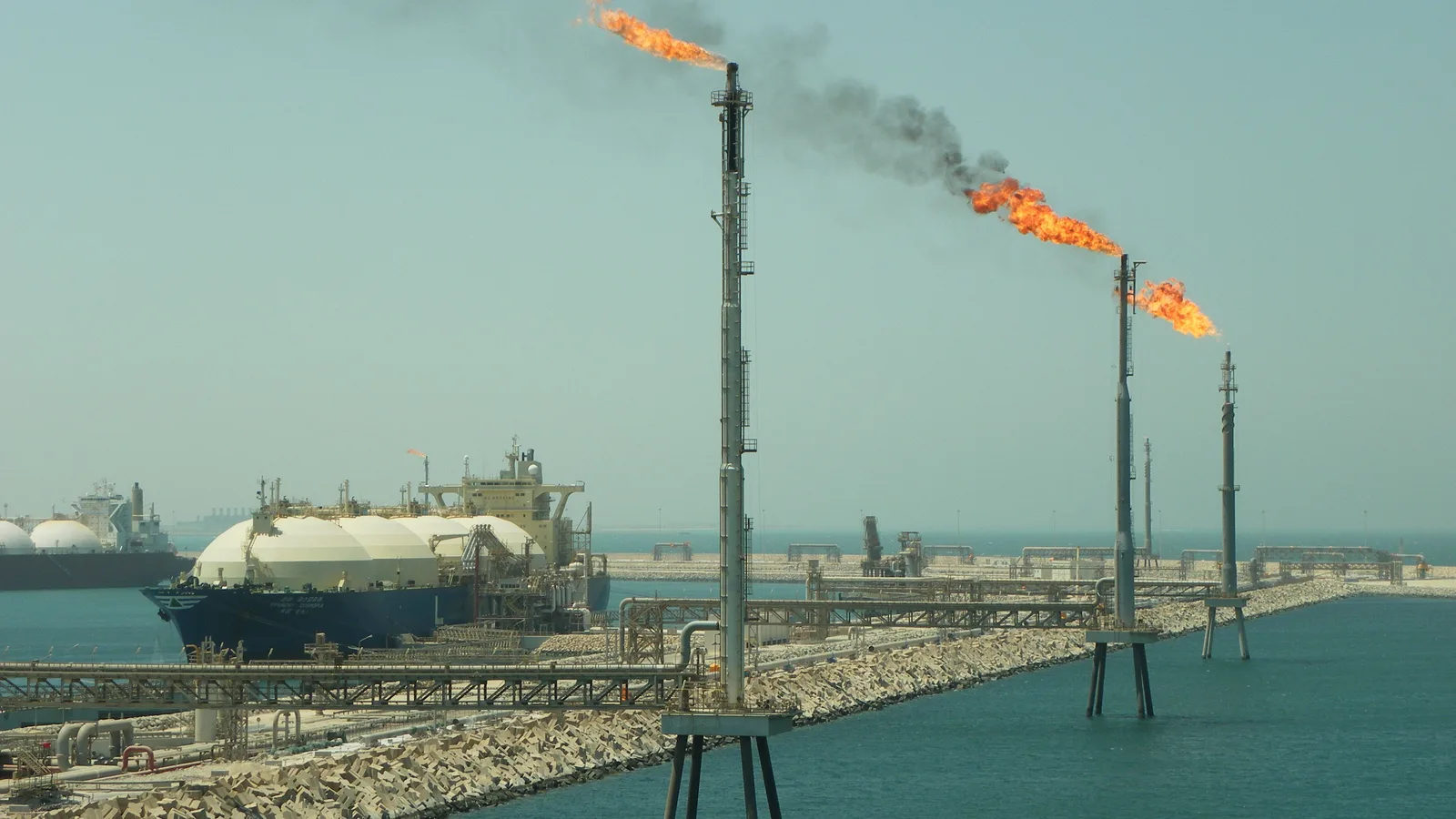
Qatar has told Pakistan that its liquefied natural gas (LNG) deliveries will remain suspended through November, extending a supply halt caused by the closure of the Strait of Hormuz during the war between the United States and Iran.
State-owned QatarEnergy notified buyers including Pakistan and Bangladesh this week that it was extending its force majeure notices, Reuters reported. Force majeure is a legal clause that frees a supplier from its contract when events beyond its control make delivery impossible.
Who is affected
| Buyer | Deliveries suspended |
|---|---|
| Pakistan | Through November |
| Bangladesh | Through November |
| At least one buyer in India | November |
| Edison (Italy) | Until early December |
QatarEnergy first declared force majeure in April, after the war disrupted shipping through the Gulf, and has been cancelling scheduled deliveries roughly once a month since, according to The National. It did not immediately respond to a request for comment, Reuters said.
Exports have almost stopped
The scale of the disruption is stark. Qatar’s LNG exports fell by 96 per cent through August this year. Just 18 cargoes have been shipped, compared with 509 in the same period last year, according to industry reports.
Qatar’s giant Ras Laffan facility has been operating at reduced capacity since it was attacked and damaged in March. It is being kept ready to increase output quickly if the strait reopens.
The Strait of Hormuz carried about a fifth of the world’s LNG supply last year, and flows remain far below pre-war levels. Iran said recently that it would not soften its conditions for reopening the waterway.
Europe is feeling the effect as well. Edison, the Italian subsidiary of France’s EDF, said 35 shipments had gone undelivered and six more had been cancelled. It has replaced 23 cargoes, “turning mainly to US suppliers to make up for missing deliveries from the Gulf.”
Prices at a three-year high
The disruption has pushed LNG prices in Europe and Asia to roughly their highest levels since late 2022. Pakistan, Bangladesh and India have been identified as particularly vulnerable to the disruption.
What it means for Pakistan
For Pakistan, the timing is difficult. The extension runs through November, as winter begins and household demand for gas usually rises, especially in Punjab, Khyber Pakhtunkhwa and the north of the country.
The country imports around 70 per cent of its oil and gas, and disruption to Gulf shipping has already fed into fuel prices and inflation at home. Airlines are also warning that fares will stay high because of the jet fuel shock.
At the UN General Assembly last week, Prime Minister Shehbaz Sharif called for the Strait of Hormuz to stay open, describing it as one of the “arteries of the global economy”. Hopes for a breakthrough rest on diplomacy: US President Donald Trump has said the US and Iran may return to talks within days over the strait.
Why it matters
Qatar is one of Pakistan’s main sources of LNG, and every month the halt is extended adds to pressure on the country’s gas supply and on the budget needed to find alternatives. Unless the Strait of Hormuz reopens, Pakistan faces the prospect of heading into winter without its usual Qatari cargoes.
This article draws on reporting by Reuters, The National and Dawn.
Comments
Comments are reviewed by our editors before they appear. Please keep them civil and on topic. See our terms.
No comments yet. Be the first to share your view.