

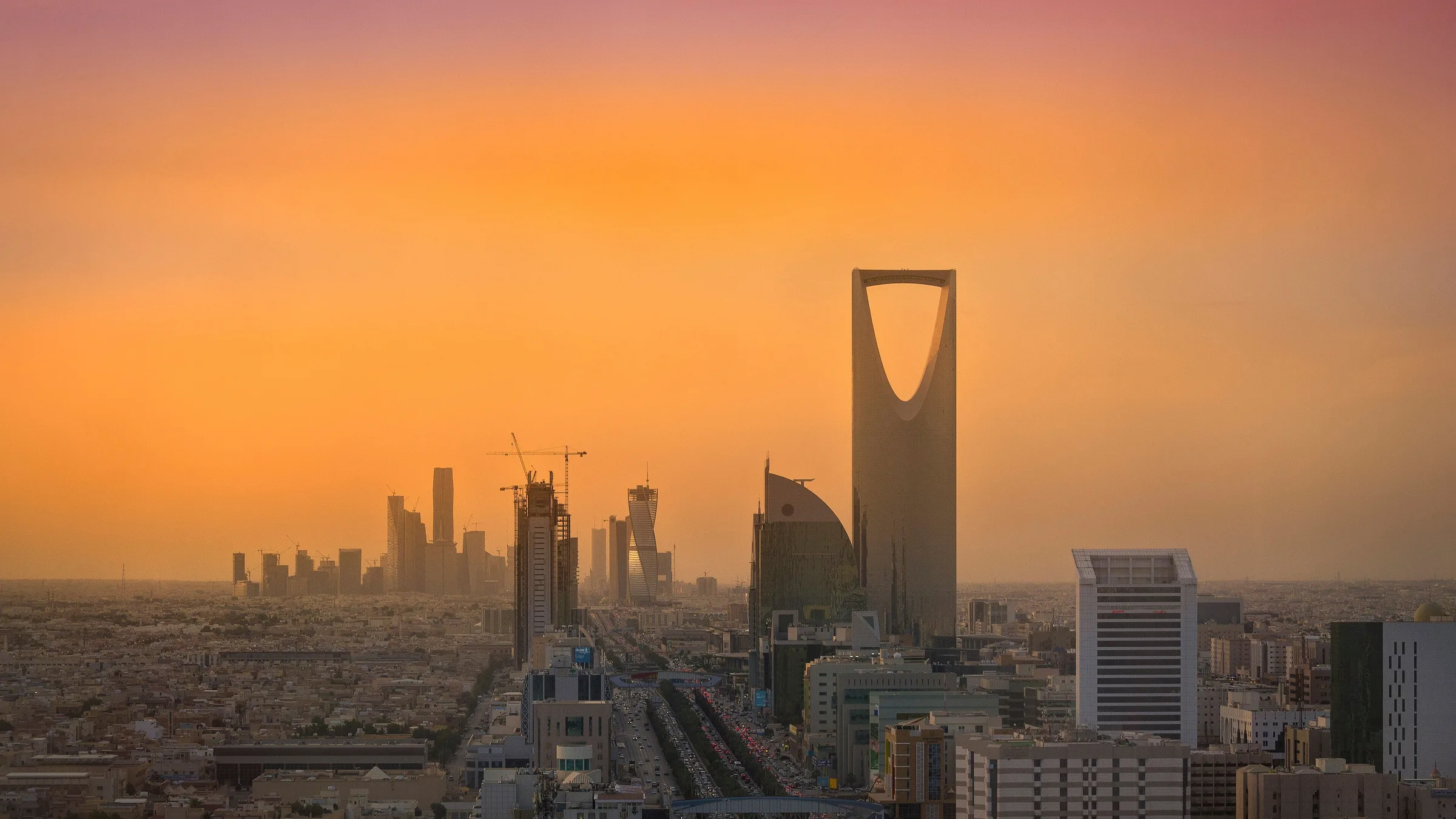
The United States has ordered non-emergency embassy staff and their families to leave Saudi Arabia, the State Department said on Wednesday, as the kingdom faces near-daily deadly attacks by Yemen’s Houthis, Geo News reported, citing AFP.
A diplomatic source first told AFP that “all American staff and their families have been ordered to depart from the US embassy”. The source said families of embassy staff had also been told to leave the United Arab Emirates, Jordan, Qatar and Bahrain, all of which Iran has targeted during the Middle East war.
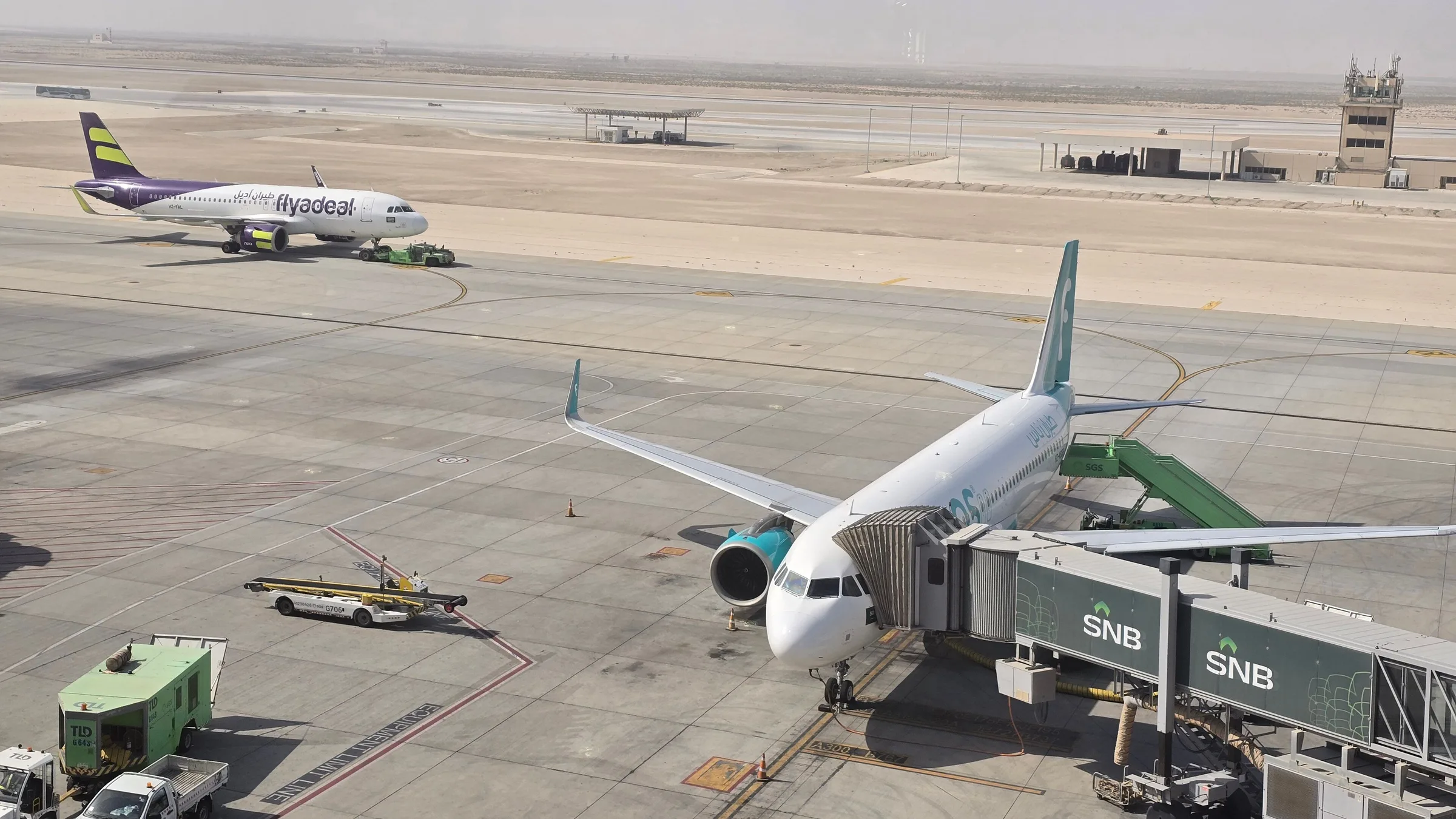
State Department spokesman Tommy Pigott confirmed the order on X, but said it applied to “non-emergency US government employees and their family members in Saudi Arabia only”. He linked it to Houthi attacks, including on airports, saying “the safety and security of Department personnel and their families remain our highest priority”.
Two killed by drone debris
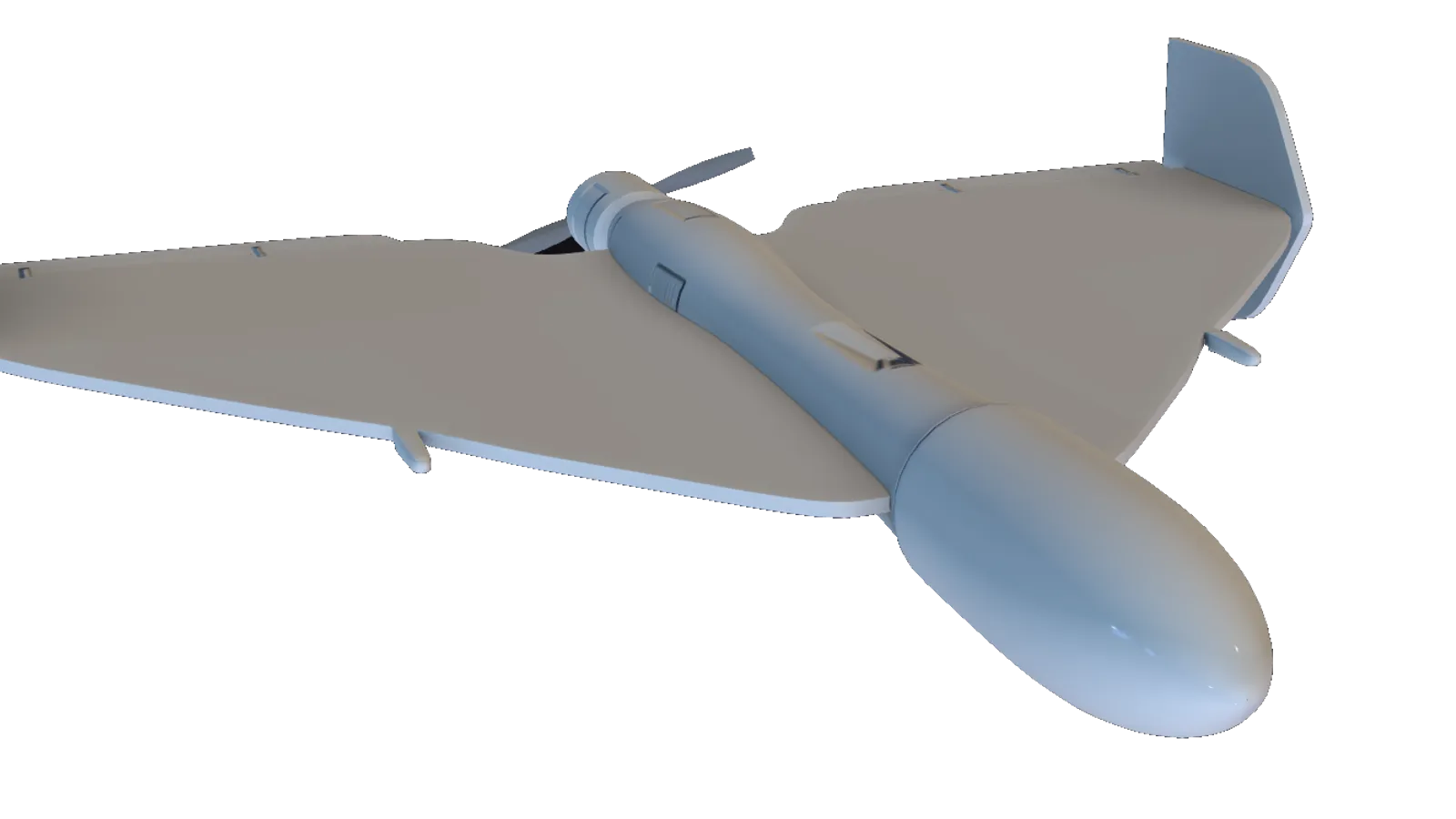
On Wednesday the Saudi energy ministry said debris from a drone shot down as it headed for an oil facility had killed two people and injured two others.
“The attempted attack resulted in the deaths of two individuals, a Filipino and a Nepali, and injuries to two others,” the ministry said. It did not say who launched the drone, which targeted the Shaybah oilfield near the border with the UAE.
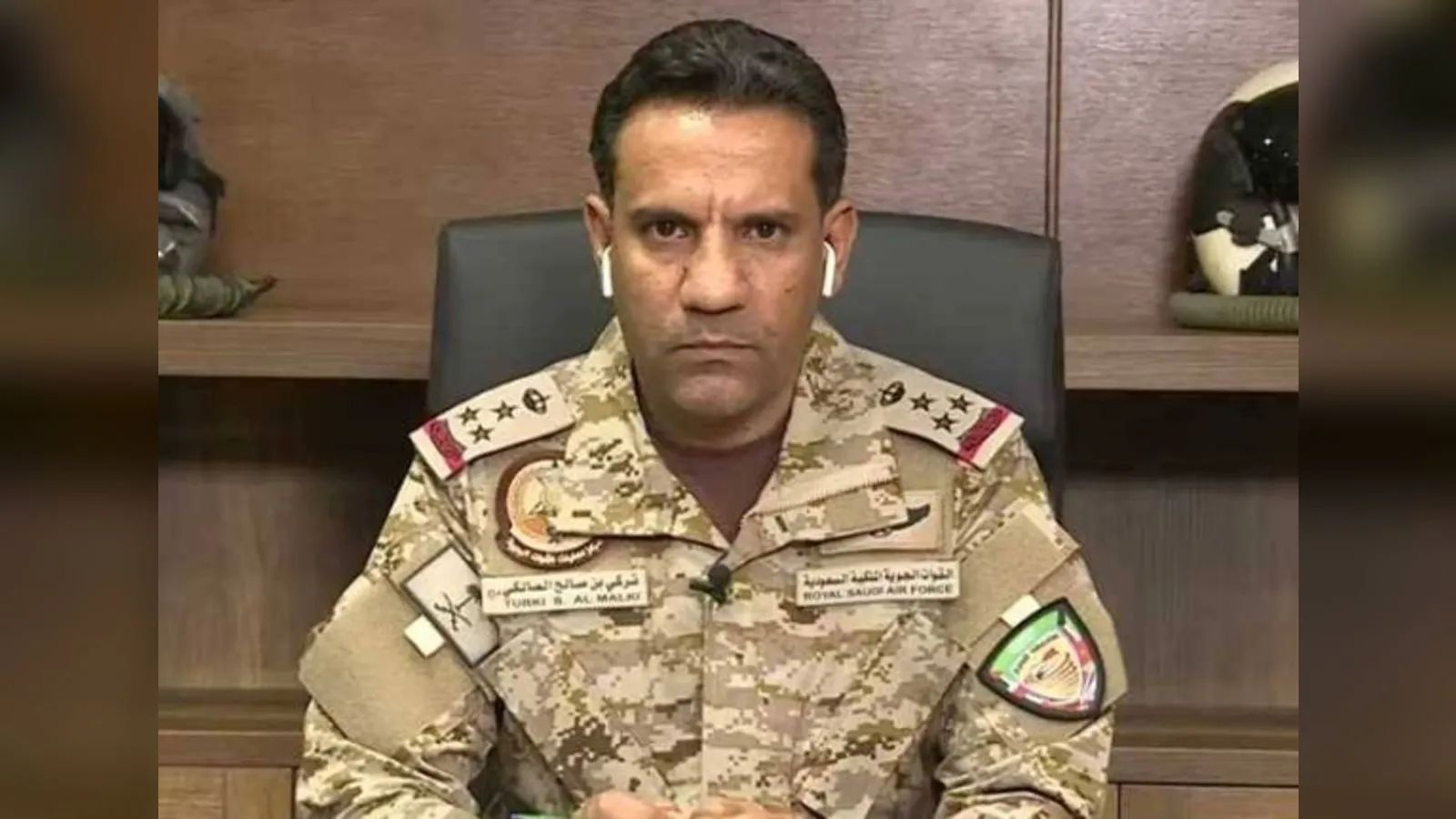
The Saudi-led coalition said it intercepted six drones on Wednesday, including over the Madina region and the Eastern region, Dawn reported. Coalition spokesman Turki al-Malki did not say who had launched them. Houthi military spokesman Yahya Saree denied that the group had carried out any “deep” operations in Saudi territory.
Inside Yemen, the Houthis said they fired a ballistic missile at what they called the “operations room” of Saudi forces at the Badr camp in Aden, where the government is based. Officials said the group also attacked Riyan airport in Mukalla, which houses coalition forces.
Explosions in Iran
Late on Wednesday, Iranian state media reported several explosions in the southern province of Hormozgan, which overlooks the Strait of Hormuz, breaking a period of relative calm.
“A few minutes ago, the sound of several explosions was heard in the Karpan area of Sirik, in Hormozgan Province,” the official IRNA news agency said, adding that local sources had not disclosed what caused them.
The war began in late February, when the US and Israel attacked Iran, killing its supreme leader and senior commanders. Iran has tried to blockade the Strait of Hormuz, which carries about a fifth of the world’s oil in peacetime, and the US has imposed a counter-blockade on Iranian ports and ships.
The US had already ordered non-essential staff out of the Gulf before its war on Iran began, and again in July before President Donald Trump called off a new wave of strikes.
Who is stepping in
- Egypt: President Abdel Fattah el-Sisi said Egyptian support would defend Saudi territory but not attack Yemen. Iran’s Foreign Minister Abbas Araghchi warned that any outside involvement would make the situation “more difficult”.
- France: President Emmanuel Macron made a surprise “solidarity” visit to Riyadh and met Crown Prince Mohammed bin Salman, the first Western leader to visit since the attacks intensified. The trip is also part of a Gulf tour to secure diesel and petrol supplies for France.
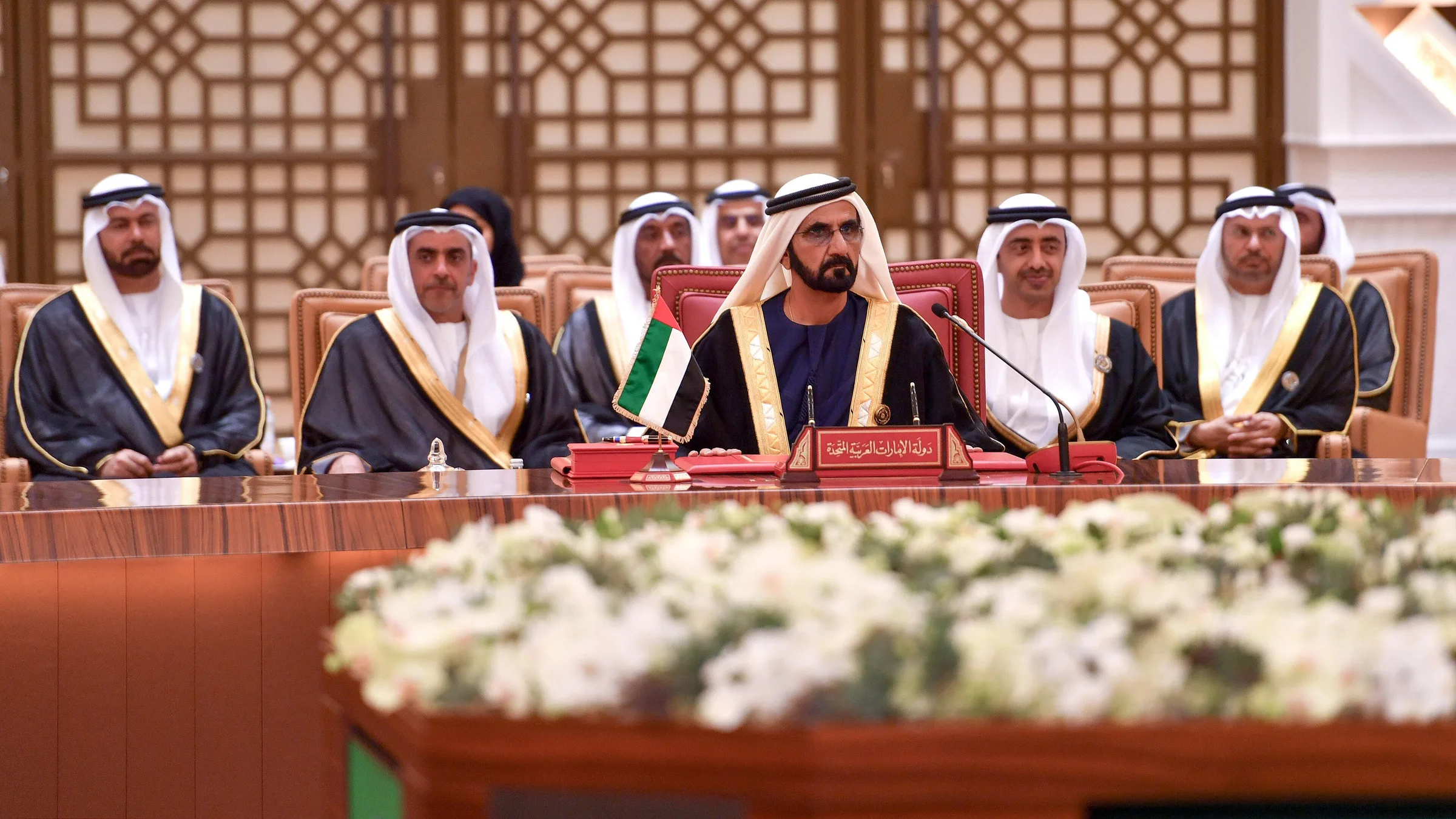
- The Gulf: GCC military officials held an extraordinary meeting in Riyadh on Wednesday on coordination and readiness.
Yemen’s war dates back to 2014, when the Houthis seized Sanaa. The Saudi-led coalition has backed the internationally recognised government since 2015, and fighting reignited this year after a long truce collapsed.
Comments
Comments are reviewed by our editors before they appear. Please keep them civil and on topic. See our terms.
No comments yet. Be the first to share your view.