

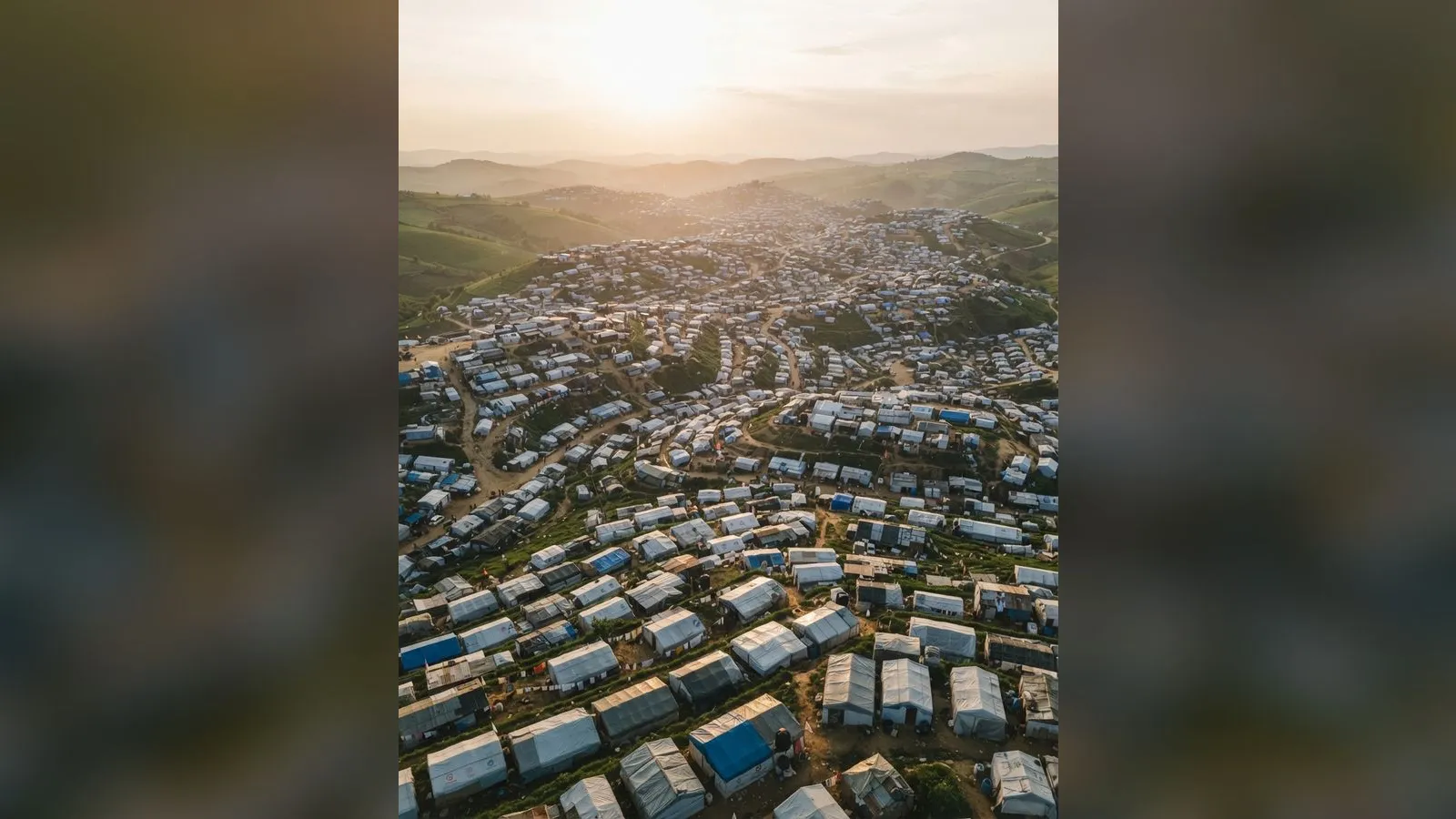
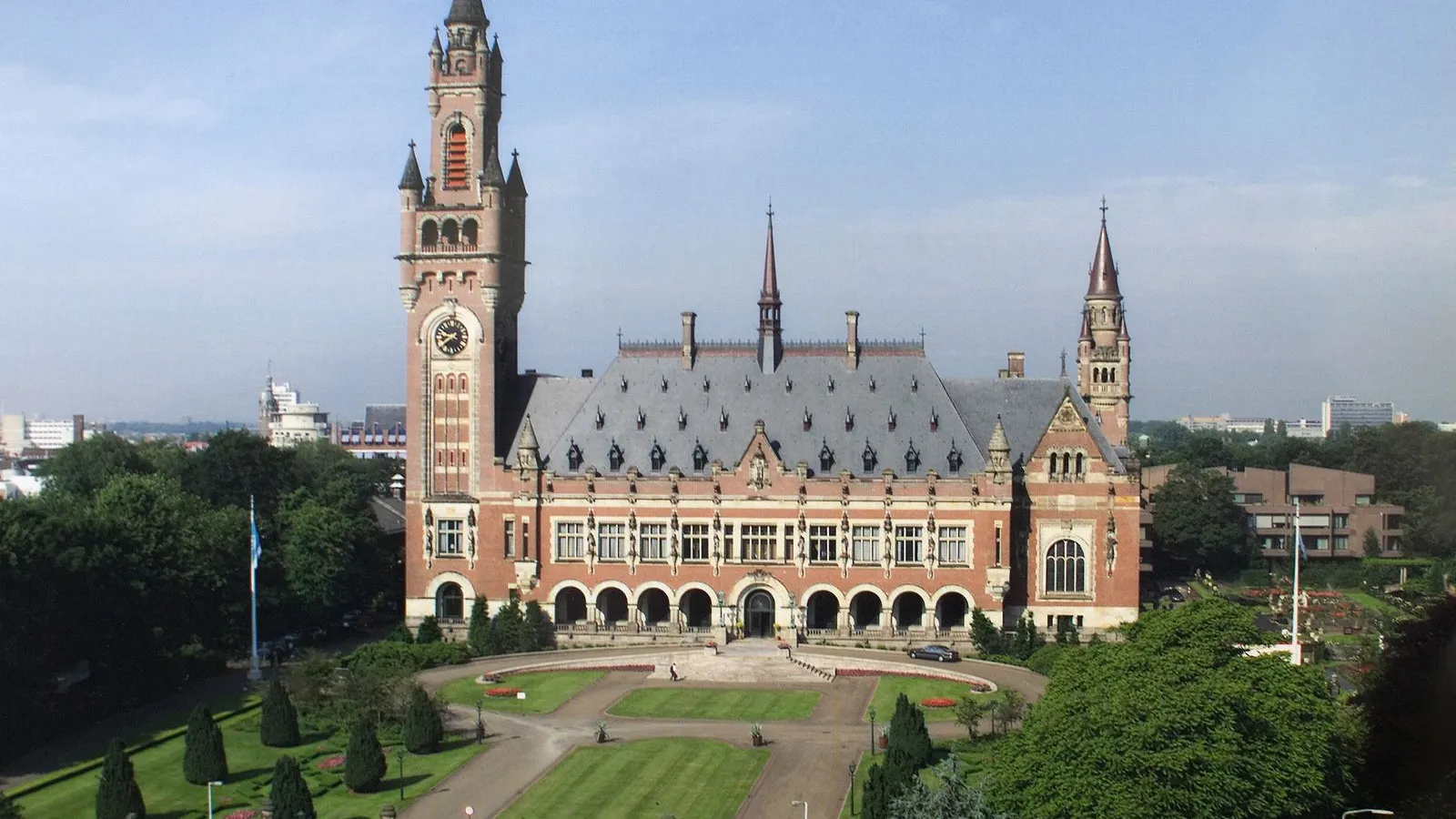
The International Court of Justice (ICJ), the highest United Nations court, ruled on Thursday that the killings and widespread sexual violence committed by Myanmar’s security forces against the Rohingya Muslim minority in 2017 amounted to state-sponsored genocide, Reuters reported.
The decision came seven years after The Gambia, a mostly Muslim country, filed the case. It is the first time the court has held a state responsible for genocide.
What the court found
Presiding Judge Yuji Iwasawa read the finding of a 15-judge panel. The court said Myanmar’s security forces killed thousands of Rohingya civilians, carried out widespread sexual violence and extreme violence against children, and attacked people as they fled. It found mass executions of men and boys, mass rape, and the burning or razing of hundreds of villages during so-called “clearance operations”. It also found that the military spread hate speech against the Rohingya.
On intent, the key legal test, the judges said that the only reasonable explanation for Myanmar’s actions was an intention to destroy a substantial part of the Rohingya of Northern Rakhine State. The offensive drove at least 700,000 Rohingya out of the Buddhist-majority country.
What Myanmar must do
- Compensation. Myanmar must compensate the Rohingya for the violations. The amount will be decided later.
- Return. It must allow the safe and dignified return of displaced Rohingya to their homes and the reunification of families.
- No appeal. The ruling is final.
Reuters said Myanmar’s government had not yet commented.
Why the ruling is a landmark
| Question | Answer |
|---|---|
| Who brought the case? | The Gambia, under the 1948 Genocide Convention, which lets any state raise the alarm |
| What is new? | First time the ICJ has held a state responsible for genocide |
| How rare is a genocide finding? | International courts have found the threshold met in Rwanda in 1994, Srebrenica in 1995 and the Khmer Rouge atrocities in Cambodia in the late 1970s, and now Myanmar |
| Why is it hard to prove? | The court must find a specific intent to destroy a group in whole or in part |
The ICJ judges disputes between states over treaty breaches. That makes it different from the International Criminal Court, which tries individuals and can send them to prison.
Limits and what comes next
The court has very limited means to enforce its decisions. Its rulings are final, but it has few ways to make a state comply, as we noted when we previewed the ruling. Whether Myanmar will accept the finding, how compensation will be calculated, and how a return could happen when the Rohingya remain in refugee camps are all open questions.
The reaction beyond Myanmar will also matter. Reuters said the decision, the court’s first major ruling on the Genocide Convention in more than a decade, is expected to have effects beyond Myanmar, including for South Africa’s 2023 case accusing Israel of genocide in Gaza. Israel and Myanmar both reject the charge and say their forces were responding lawfully to attacks by armed groups. Legal experts will study the judgment closely for how the judges assessed a state’s responsibility.
Why it matters
For the Rohingya, many of whom live in camps in Bangladesh, the ruling is the first formal legal finding of what they say happened to them. It will not bring anyone home on its own. What it does give is a final legal determination and a set of obligations that Myanmar has to answer for. For other states, it sets out how a court weighs the evidence of intent, which is the hardest part of any genocide case.
What to watch: the court’s compensation proceedings, any response from Myanmar’s military government, and the first statements from Bangladesh and from states that backed the case.
Comments
Comments are reviewed by our editors before they appear. Please keep them civil and on topic. See our terms.
No comments yet. Be the first to share your view.