

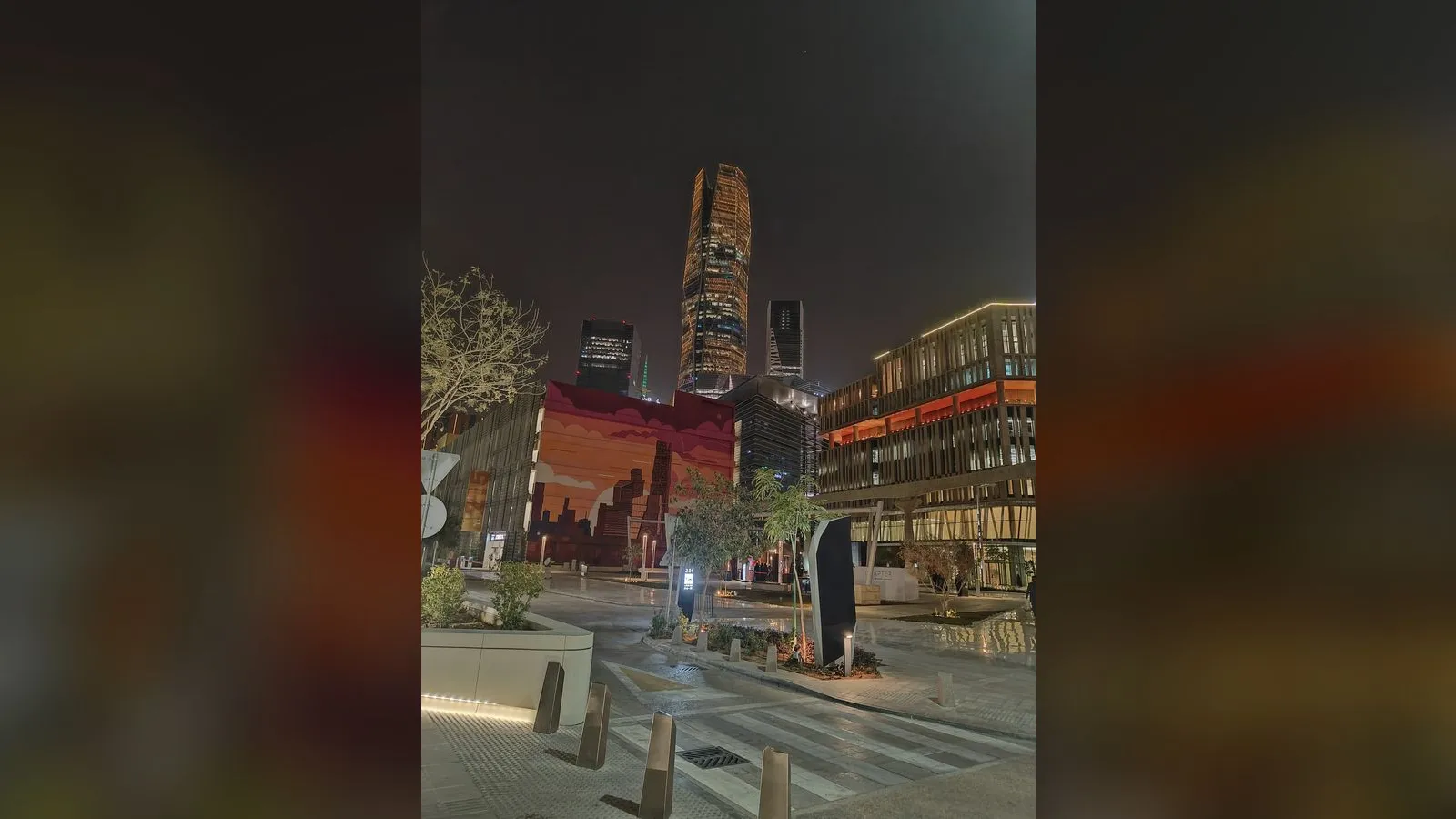
Loud explosions were heard in Riyadh on Sunday and an Aramco office tower was damaged by falling debris, in the latest round of fighting between Saudi Arabia and Yemen’s Houthis, the Saudi Energy Ministry said. No one was hurt, it said, and the damage was limited.
What happened in Riyadh
Saudi Civil Defence sounded an early warning for a possible threat, and a Reuters witness heard several loud explosions before officials said the danger was over. The Saudi-led coalition then said it had shot down two cruise missiles, one over Riyadh and one in the south of the kingdom.
According to the Energy Ministry, debris from the attempted attack damaged an administrative building owned by Saudi Aramco. The Reuters witness saw windows blown out on several floors of Aramco Tower, one of the tallest buildings in the King Abdullah Financial District. There were no injuries. Aramco had no immediate comment and the Houthis had not said anything when the report was filed.
Earlier on Sunday, alerts were issued and later lifted in parts of the Eastern Province, including Dhahran, where Aramco is headquartered. The province holds most of the kingdom’s oil and gas, and Aramco’s headquarters was heavily damaged in an attack in October.
The human cost on the Yemeni side
A day earlier, the Houthi-run health ministry reported that Saudi airstrikes on Bani Hushaysh, a Houthi-held town east of Sanaa, killed at least 33 people and injured 39. It said homes were hit and most of the dead were women and children. The Houthi-run Saba news agency called it one of the deadliest reported attacks since the fighting resumed in July.
Reuters could not verify the account, and a Saudi government communications centre said it was investigating. The head of Sanaa’s Sehatuna Hospital, Abdul-Aziz al-Dailami, told Reuters that many victims were still under rubble, including rescuers, and that new strikes kept hitting as responders arrived.
On the other side, Yemeni government forces allied with Riyadh said they had carried out 875 operations against the Houthis in a short period, claiming 130 fighters and commanders killed or put out of action and 50 vehicles and weapons destroyed, including missile launchers. The Houthis did not respond. These tolls are each side’s own claims and have not been independently confirmed.
How the war got here
- 2015: Saudi Arabia leads a coalition of Arab states into Yemen to restore the internationally recognised government after the Houthis take Sanaa.
- 2022: A UN-brokered truce largely halts the fighting between the coalition and the Houthis.
- July 2026: Fighting resumes, shattering the truce. The Houthis have since fired missiles and drones at Saudi airports and oil sites, while Riyadh has carried out airstrikes in Yemen.
- October 10: An attack on Riyadh’s King Khalid International Airport kills 13 people and wounds more than 300, according to Saudi authorities.
- October: Aramco’s headquarters is extensively damaged in an attack.
Why it matters
The renewed war puts both civilians and energy supplies at risk, in a region already shaken by the US-Israeli war on Iran. For Pakistan the link is direct: Islamabad is a party to the Makkah defence pact with Saudi Arabia, which is why these attacks matter there; see our report on the pact ministers’ meeting in Riyadh over Houthi attacks. Pakistan has also condemned Houthi missile attacks on Makkah and Madinah, and a Pakistani was among the injured in earlier strikes on a Saudi oilfield and Dammam airport, as we reported in our story on those attacks.
The Houthi side bears the heaviest civilian toll in the reports we have, which is why the Bani Hushaysh investigation matters. What to watch is whether Saudi Arabia publishes its findings on that strike, whether the Houthis claim the Riyadh attempt, and whether mediators can revive any truce.
Comments
Comments are reviewed by our editors before they appear. Please keep them civil and on topic. See our terms.
No comments yet. Be the first to share your view.