

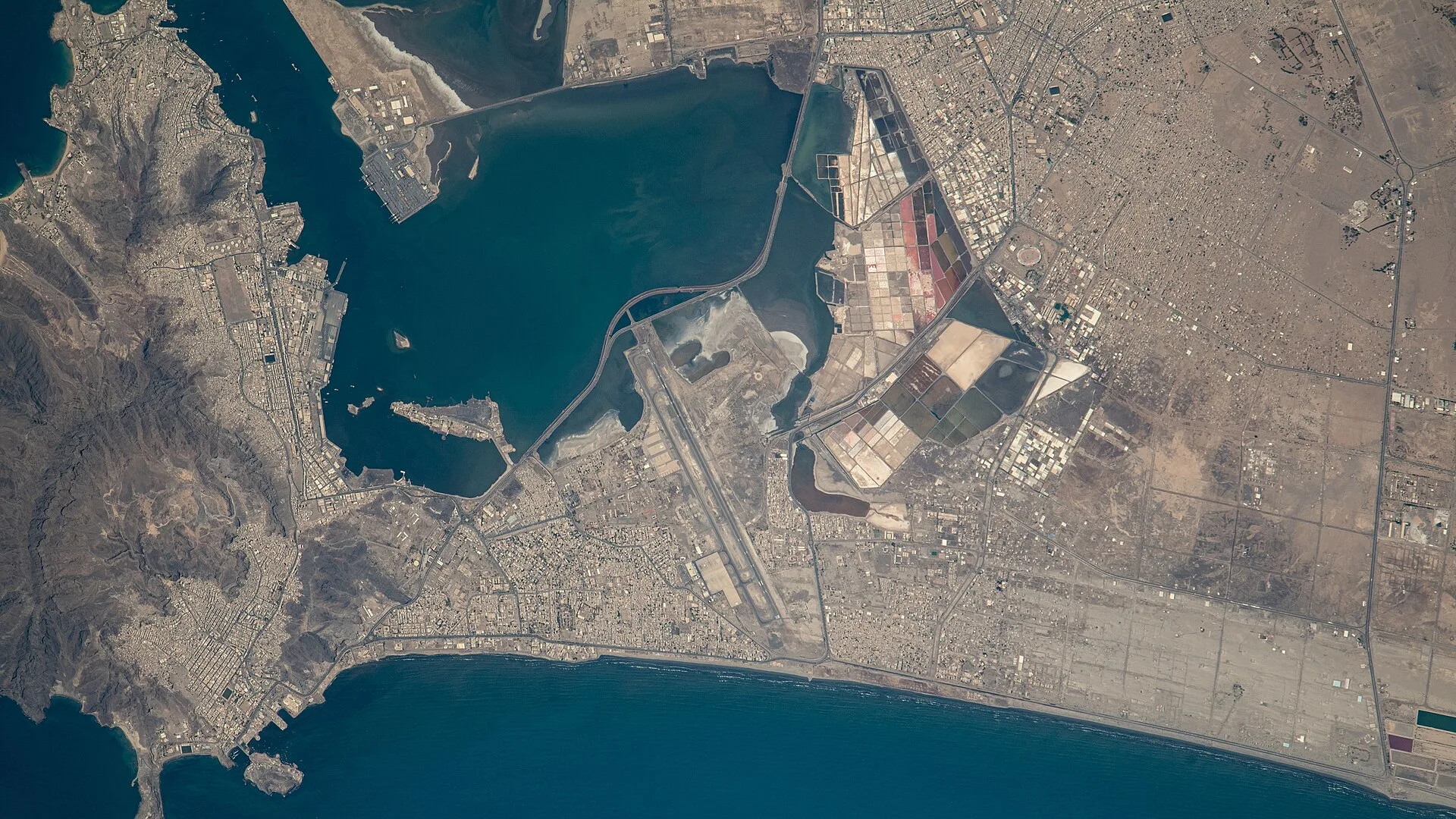
The Saudi-led military coalition in Yemen said on Sunday it had carried out an operation to “neutralise vital resources” used by the Houthi group to support its war effort, particularly its ballistic missiles and drones, The Express Tribune reported. Separately, Iran’s state news agency reported a large fire at an industrial complex in Saudi Arabia’s eastern city of Dammam.
The coalition’s statement
Coalition spokesman Turki al-Maliki said the operation took place on Sunday morning after “continued Houthi attacks against civilians and civilian infrastructure in Yemen and Saudi Arabia”. The coalition’s joint forces command had watched the Houthis’ “continued use of vital resources to support their war effort and bolster their military capabilities, especially ballistic missiles and drones”, he said. The aim was to stop repeated attacks that threaten Saudi Arabia, Yemen and shipping lanes in the southern Red Sea. The statement did not name the places hit, say what was destroyed, or give any figures for casualties or damage.
The Dammam report
IRNA, Iran’s state-run news agency, said on X that “a Yemeni strike hit an industrial complex in Dammam, eastern Saudi Arabia, sparking a large fire at the facility”. We have no confirmation from Saudi authorities in the reports we drew on, and Iranian state media is one side in the wider conflict, so the claim should be treated as unverified.
Escalating violence in Yemen
The two sides have exchanged near-daily attacks since a fragile truce, in place since April 2022, broke down in July, after the Houthis let an Iranian plane land in Sanaa in defiance of Saudi control of Yemeni airspace. On Thursday the Houthis said 12 people were killed and three critically injured when Saudi strikes hit the homes of two families in al-Barah, in Maqbana district, and on Wednesday they reported at least 14 deaths in Saudi strikes on a petrol station and a market. These claims could not be independently verified. The Houthis also hit Aden airport on Wednesday, wounding civilians, and have struck Riyadh airport in the past, forcing it to close for two weeks.
According to UN figures, more than 1,600 people have been killed and over 275,000 displaced since the fighting resumed. Since October 5, Yemeni government forces have been running Operation “Dawn of Yemen” to restore state institutions in Houthi-held areas and to retake the capital, Sanaa. On Sunday, Yemen’s Presidential Leadership Council appointed new governors for two provinces that are partly under Houthi control: Major General Hussein al-Ajji Ali al-Awadhi for al-Bayda and Major General Amin Ali al-Akimi for al-Jawf.
Background and Pakistan’s position
Yemen has been at war since the Houthis seized Sanaa in September 2014 and the Saudi-led coalition intervened in March 2015. Pakistan has condemned Houthi attacks on Saudi Arabia and has raised the matter at the UN Security Council; read our reports on Pakistan’s statement at the UN Security Council on Saudi security and the Houthi attacks and on the Houthis’ arsenal of missiles and drones.
Why it matters
The coalition’s statement gives no places or figures, and the Iranian report of a fire in Dammam cannot be checked. What is clear is that the Yemen war is spreading into the Gulf economy: a Saudi industrial city, Riyadh’s airport and Red Sea shipping have all been named as targets. For Pakistan, which has a defence arrangement with Saudi Arabia, this is not a distant story: the army’s spokesman said on Friday that Pakistan is “not part of the Yemeni conflict” but is committed to defending Saudi Arabia and the holy sites. The things to watch are whether Saudi Arabia confirms the Dammam incident, whether the coalition names what it hit, and whether the Houthis answer with more attacks.
This article draws on reporting by The Express Tribune.

Comments
Comments are reviewed by our editors before they appear. Please keep them civil and on topic. See our terms.
No comments yet. Be the first to share your view.