

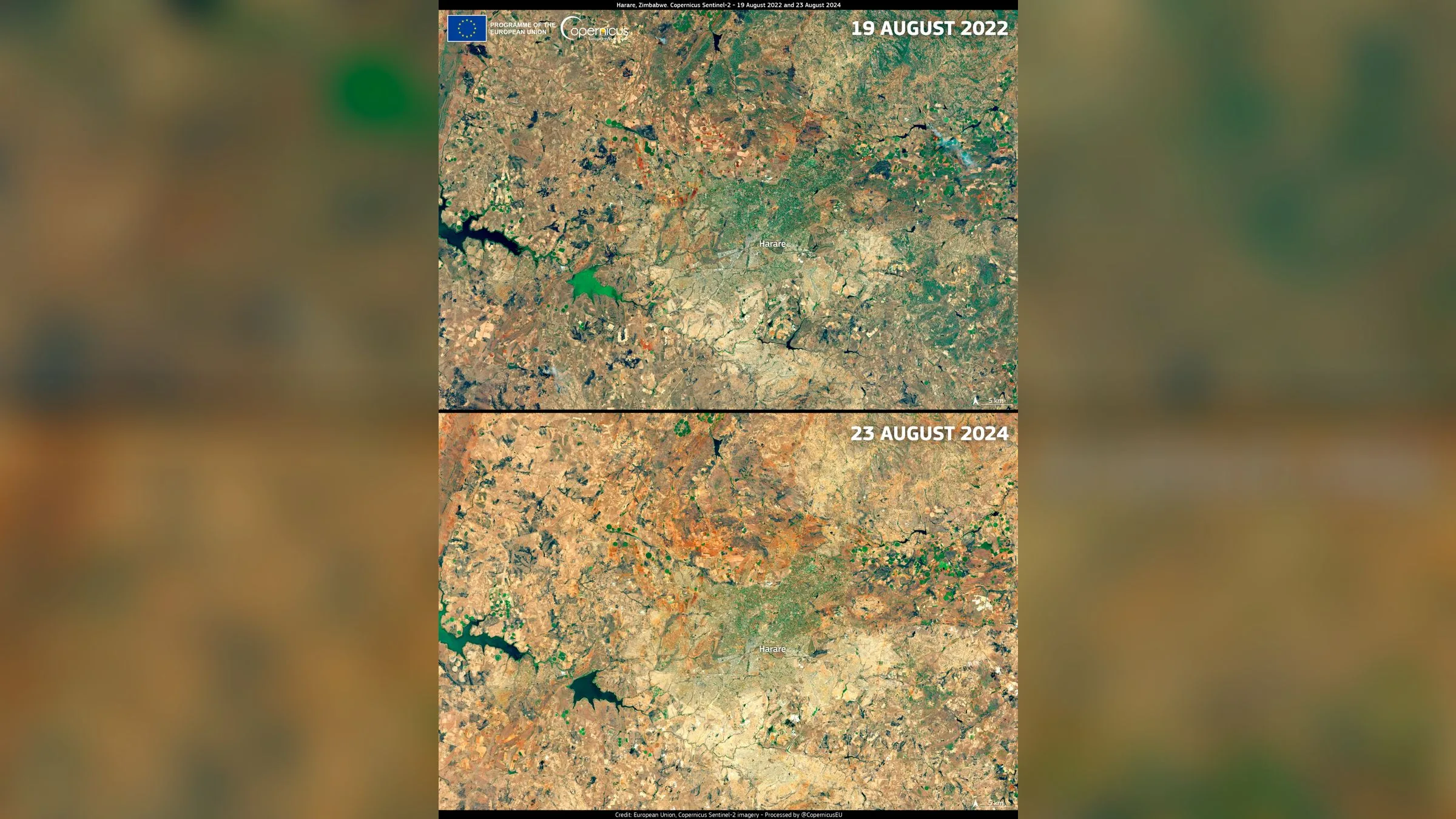
The El Nino weather phenomenon gripping the planet is heading “off the charts”, the United Nations warned on Wednesday, urging countries to act now to protect millions of people before disaster strikes, Dawn reported, citing AFP.
El Nino is set to peak in December, but the human impact of its extreme temperatures, floods and droughts is expected to last into 2027 and beyond.
“The current El Nino event could be unprecedented in strength: literally off the monitoring charts that we have used for the past four decades,” said Celeste Saulo, head of the World Meteorological Organization (WMO).
“We are already witnessing extreme weather events and expect this to multiply and cascade as El Nino intensifies,” she told a news conference in Geneva alongside UN aid chief Tom Fletcher. “We cannot stop El Nino, but we can prevent many of its worst human consequences.”
A record in the making
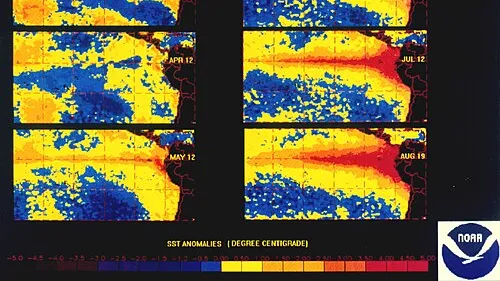
- Sea temperatures: the WMO’s latest seasonal update said sea surface temperatures in the tropical Pacific could rise to 3.8C above average from November to January
- The old record: that would be the highest three-month reading since observations began, beating the 2.6C set in 2015-2016
- The pattern: El Nino warms the central and eastern equatorial Pacific, shifting winds, pressure and rainfall around the world; it usually returns every two to seven years and lasts nine to 12 months, and this time its higher temperatures will compound the effects of man-made climate change
“A wrecking ball”
Fletcher called El Nino a “wrecking ball” that would bring havoc to Latin America, eastern and southern Africa, Asia and the Pacific, on top of conflict, displacement, soaring fuel, fertiliser and food prices, and deep aid cuts.
“The risk is you have tens of millions of people pushed into humanitarian need,” he said, warning that 50 million people could face increased hunger.
He said the next two weeks were “the critical window to act”:
- Somalia, Ethiopia and Kenya need supplies ahead of heavy rains
- Southern Africa needs seeds and livestock
- Central America needs help with livelihoods
- Asia and the Pacific must prepare for droughts, floods and cyclones
“I am sounding the alarm that the humanitarian system… cannot alone cope with a threat on this scale,” Fletcher said, calling on governments, development banks and financial institutions to get money moving “before that damage is done”. He has released $50 million to help 11 frontline countries, including Chad, El Salvador, Ethiopia, Somalia and South Sudan.
He warned the damage would not stop at the frontline countries. “It will create economic shocks for the global economy and drive further conflict, displacement, migration,” he said.
Why it matters
Pakistan has already seen drought drive families from Tharparkar this year after its hottest monsoon in 66 years. With El Nino heading for record strength, preparing now for floods and drought could save lives and harvests. Read our reports on the drought driving Thar families to migrate and on the record El Nino.
This article draws on reporting by Dawn and AFP.
Comments
Comments are reviewed by our editors before they appear. Please keep them civil and on topic. See our terms.
No comments yet. Be the first to share your view.